


Finland rewards thoughtful travelers. Snow-dusted forests in Lapland, design-forward Helsinki, lake country cottages and an intense sauna culture can all deliver a remarkable trip. Yet many first-time visitors arrive unprepared for Finland’s realities: high prices, harsh winter conditions, subtle social norms and long distances that rarely show up in glossy brochures. Before you lock in flights and nonrefundable cabins, it is worth understanding the most common mistakes people make when booking a trip to Finland and how to avoid them.
Get the latest updates straight to your inbox!
Misunderstanding Finland’s Seasons and Daylight
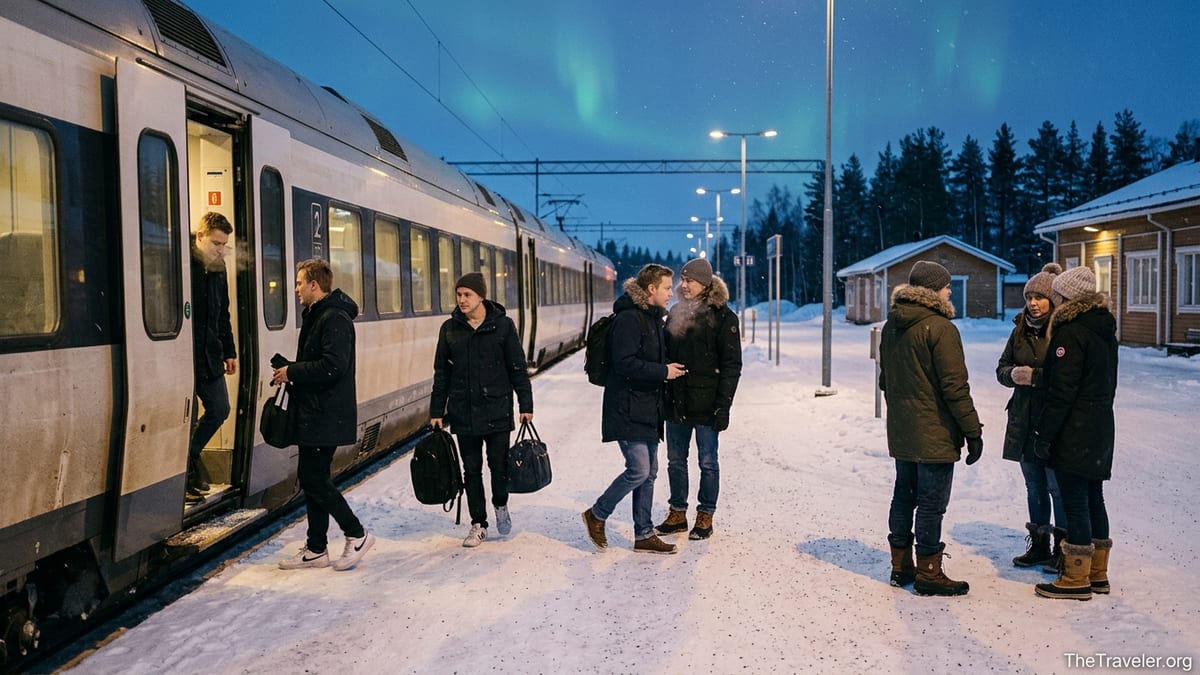
One of the biggest surprises for first-time visitors is how dramatically Finland’s seasons affect a trip. Many travelers book a “Lapland winter wonderland” for early November, only to arrive in Rovaniemi or Levi and find thin snow cover, closed husky farms and ski slopes not yet fully open. Winter activities in Finnish Lapland are most reliable from roughly late November to late March, with February and March usually offering deep snow, more stable conditions and longer daylight hours. In contrast, early winter can be dark, wet and limited in what is actually operating.
Daylight is another factor travelers routinely underestimate. In Helsinki in December, you may get just six hours of usable light. Farther north in Rovaniemi or Inari, you can experience polar night, where the sun barely rises and the day stays at a twilight blue. This can be magical for Christmas markets and northern lights hunting, but it can also feel disorienting if you planned a packed sightseeing schedule. Conversely, summer delivers long, bright evenings and in June and early July the midnight sun in Lapland means it may never truly get dark, which can disrupt sleep if you are sensitive to light.
If you want a mixed itinerary of culture in Helsinki plus snow-based activities in Lapland, book with the seasons in mind. For example, a family might fly into Helsinki in early March, spend two days exploring the Design District and Suomenlinna sea fortress in crisp, cold but brighter conditions, then take the night train to Rovaniemi when snowmobiling, reindeer sleigh rides and northern lights tours are all running at full capacity. For summer trips, late July and August usually strike a balance between warm lakeside days and fewer mosquitos than early summer in the lake regions.
Matching expectations with the calendar avoids the common mistake of arriving at the wrong time for what you want to do. Before you book, look up sunrise and sunset times for your dates and the specific destination, and check recent-season opening dates for activities like ski resorts, ice hotels or Santa-themed attractions in the Rovaniemi area.
Underestimating Costs and Booking the Wrong Type of Accommodation
Finland is not a budget destination. Travelers who book flights first and then start searching for accommodation in Helsinki or Lapland during peak season are often shocked by prices. In central Helsinki, it is normal to see three-star hotels in early summer or December weekends at around 130 to 200 euros per night for a standard double, with breakfast sometimes extra. In popular Lapland resorts such as Levi or Saariselkä during Christmas and New Year weeks, a basic glass-roof igloo or aurora cabin frequently runs from around 350 euros per night and up, with minimum stays of two or three nights common.
Another common misstep is choosing accommodation style that does not fit the Finnish context. Cabin rentals in lake country or Lapland might look atmospheric online but can sit several kilometers from the nearest supermarket, with limited public transport and extra costs for linen rental or mandatory final cleaning. A couple without a car might be better off in a central Rovaniemi apartment hotel, within walking distance of supermarkets, restaurants and tour pickups, rather than an isolated cottage that requires expensive taxi rides.
In Helsinki, travelers sometimes book cheaper hotels far outside the core, not realizing that late-night transport may be sparse, or that they will spend extra on daily metro and tram rides. Often, a midrange hotel or compact studio near the central railway station, Kamppi or Kallio neighborhood can be better value. You may pay a little more per night, but you save time and money commuting, and you are close to the airport train, harbor ferries and major tram lines.
Before booking, compare not only room rates but also what is included. A Finnish hotel breakfast buffet with rye bread, porridge, cold cuts, cheese, vegetables and coffee can replace a separate meal, saving money. Self-catering apartments around Hakaniemi Market Hall in Helsinki or near supermarkets like Prisma in Rovaniemi can significantly cut food costs if you cook some meals yourself. Think holistically about location, transport access and what you actually need rather than simply chasing the lowest nightly rate.
Ignoring Local Etiquette: Sauna, Tipping and Personal Space
Finland’s social norms can feel understated but are strongly held. One of the most frequent cultural missteps involves sauna etiquette. Public and hotel saunas are usually gender-segregated and many are nude-only, especially outside the most touristy venues. Foreign visitors sometimes enter wearing swimsuits when locals are nude, or, more awkwardly, join a nude sauna while wearing underwear, which is considered less hygienic than going without. At the same time, some urban saunas in Helsinki do allow or even require swimwear, particularly mixed-gender facilities. The key is to check the rules in advance and mirror what locals are doing.
Typical Finnish sauna practice involves showering thoroughly before entering, sitting quietly or chatting softly, and avoiding loud behavior or displays of bravado. Many saunas offer cold plunge pools or nearby lake access, and it is acceptable to step outside to cool off between rounds. Drinking large quantities of alcohol in the sauna is discouraged for safety reasons, despite stereotypes. Newcomers often push themselves to endure very high heat to “prove” something, yet locals will calmly leave when they have had enough. Following the local rhythm rather than treating sauna as a dare will make the experience both safer and more enjoyable.
Tipping is another area where visitors overcomplicate things. In restaurants, cafes and taxis, service is included in the price and staff are paid a regular wage, so there is no expectation of a 10 to 20 percent tip as in North America. Rounding up a taxi fare from 27 to 30 euros or leaving a few coins on the table for particularly attentive service is appreciated but not required. Some visitors insist on tipping heavily, which can make interactions awkward rather than generous.
Personal space and noise levels also matter. Finns generally value quiet in public spaces. On trams in Helsinki or trains to Tampere and Turku, it is normal to speak at a low volume or not at all, and you will notice people leaving empty seats between each other when possible. Tourists who hold loud phone calls on public transport or treat quiet carriages as social lounges stand out immediately. Before you book shared-hostel dorms or open-plan cabins, consider whether you are comfortable adapting to these quieter norms, or whether a private room would suit you and other guests better.
Misreading Rules on Alcohol, Driving and Public Transport
Finland’s rules around alcohol and transport are stricter than many visitors expect. By law, strong alcoholic drinks and most wines are sold only through the state-run Alko monopoly stores, which keep specific opening hours. Beers and low-alcohol cider can be bought in supermarkets, but public drinking is limited and in many cities, including Helsinki, consuming alcohol in parks, on trams or on the metro is prohibited or quickly discouraged. Travelers who assume they can carry open containers between bars or drink on long-distance buses can find themselves reprimanded or fined.
Driving brings its own pitfalls. Finland rigorously enforces speed limits with fixed and mobile cameras. In rural areas with 80 km/h limits and in cities where 30 km/h zones are posted, fines for speeding can be steep and in some cases are tied to income. Winter driving in Lapland or along the road between Rovaniemi and smaller villages like Pyhä and Luosto can be challenging for those unaccustomed to icy roads, reindeer on the highway and limited daylight. Rental car companies may require or strongly recommend studded winter tires during the cold season, and you are expected to carry proper winter clothing in the car in case of breakdowns.
Many visitors underestimate how good Finnish public transport is and either overpay for taxis or rent a car they do not actually need. Helsinki’s HSL network integrates trams, buses, metro and local trains with zone-based day tickets that allow unlimited transfers during a set time period. For instance, a 24-hour AB zone ticket covering central Helsinki and many popular neighborhoods can cost significantly less than two or three separate single tickets and removes the stress of figuring out every journey. In most Finnish cities, you can board buses through any door and show a valid ticket or mobile code if inspectors arrive; there are no turnstiles.
Airport connections are another area where mistakes add up. From Helsinki Airport to the city center, the local train typically takes around 30 minutes and costs a fraction of a taxi ride, which might run around 35 euros with a fixed fare. Ride-hailing services like Uber or Bolt often offer slightly cheaper prices than taxi ranks at the terminal. Before you book a hotel that advertises an “airport transfer,” check whether you really need it or whether a simple train ticket would do. Planning your transport around the existing system, rather than forcing foreign habits onto it, will save you both money and frustration.
Underpacking or Mispacking for Nordic Weather
Finland’s climate can vary sharply by region and season, and packing mistakes are among the most common complaints after the fact. Travelers heading to Lapland in January often arrive with fashionable but impractical cotton hoodies, thin jeans and city sneakers that soak through at the first snowbank. Temperatures during midwinter in northern Finland can dip well below -20 degrees Celsius, and even “milder” days around -10 feel biting when wind or humidity is high. A proper setup usually involves a merino wool or technical base layer, an insulating fleece or light down midlayer, and a windproof, waterproof outer shell, plus insulated boots and warm accessories.
Local supermarkets and outdoor chains stock practical gear. For example, large hypermarkets such as Prisma and K-Citymarket in Rovaniemi often sell affordable wool socks, beanies and chemical hand warmers from familiar brands. Finnish brands like Reima and Kuoma produce winter boots suitable for everyday wear that are popular with locals. If you have already booked nonrefundable husky, snowmobile or aurora tours, many operators provide outer thermal suits and boots, but you will still want solid base layers beneath. Booking early with reputable tour companies gives you time to ask what clothing they provide so you can pack the right layers.
Summer has its own quirks. Helsinki and the lake regions can be pleasantly warm, with daytime highs around the low twenties Celsius, but evenings often get cool, especially by the water. Visitors sometimes pack as if for southern Europe and then spend extra money on emergency fleece jackets from outdoor shops. In the lake district or archipelago, mosquitos can be intense in early summer, so light, long-sleeved shirts, trousers and a simple head net can make evenings outside more enjoyable. A compact rain jacket is helpful year-round, as showers are common and weather can turn quickly along the coast or in the north.
Instead of focusing on style for your Instagram photos, pack for comfort and safety first. Before you finalize your trip, look up typical temperatures for your exact dates and region and build a “dress like an onion” layering system that you can adjust by adding or removing pieces. Proper clothing not only keeps you warm or cool but also allows you to fully enjoy outdoor experiences like snowshoeing near Ylläs, cycling around Helsinki’s shoreline or kayaking among the islands near Turku.
Misjudging Distances, Logistics and Aurora Chances
Finland’s map can be deceiving. On a screen, Helsinki, Tampere, Turku and Lapland destinations all appear relatively close, but distances are considerable and the country stretches far north. Travelers sometimes design ambitious itineraries such as “Helsinki, Turku, Tampere, Kuopio, Rovaniemi and Inari in seven days,” only to spend most of their trip on trains and buses. While the rail network is efficient, a single train ride from Helsinki to Rovaniemi can take eight to nine hours. Night trains with sleeper cabins offer a more relaxed way to cover that distance, but they need to be booked early, especially during ski holidays and Christmas peak weeks.
Within Lapland, getting between small destinations is not always straightforward. For example, combining Rovaniemi, Saariselkä and Kilpisjärvi in one short winter trip might require multiple long bus rides on limited schedules. Many attractions marketed under the broad label of “Santa’s Lapland” are spread out, and a family who books a cabin outside Rovaniemi center may need to rely on prearranged transfers or tours with pickups. Researching how you will move between each hotel or cabin before you confirm bookings helps avoid expensive last-minute taxis and missed excursions.
Another area prone to unrealistic expectations is the northern lights. Marketing photos suggest nightly aurora displays over glass-roof igloos, which can lead travelers to book two nights in December in Rovaniemi expecting a guarantee. In reality, the aurora depends on both solar activity and clear skies. Cloud cover is common, and even in prime locations you might wait several nights without a show. Booking at least three or four nights in a northern destination, staying at a place where you can step outside quickly when the sky clears, and focusing on daytime activities such as snowshoeing, cross-country skiing or visiting reindeer farms will make the trip feel worthwhile even if the lights are shy.
Before booking nonrefundable adventures, read recent reviews and seasonal notes from local tourism offices. Many Finnish destinations publish simple safety leaflets that explain issues such as staying on marked snowmobile tracks, not approaching wildlife and recognizing how quickly you can become disoriented in a snowstorm. Treat distance, weather and logistics as integral parts of your plans rather than details to be worked out on arrival.
The Takeaway
Finland can easily become a favorite destination, but it is not a place that rewards last-minute, wishful planning. The most common mistakes travelers make before booking involve misreading the seasons, underestimating costs, ignoring subtle etiquette around sauna and public behavior, and failing to respect the country’s climate and scale. The good news is that each of these pitfalls is highly avoidable with a little advance research and a willingness to embrace local ways of doing things.
Before you click “purchase” on flights, check whether your travel dates match the experiences you want, estimate a realistic budget that factors in accommodation, food and activities, and think carefully about how you will move between destinations. Learn the basics of sauna culture, public transport tickets and local laws on alcohol and driving so you can relax once you arrive. With those pieces in place, Finland’s strengths come into focus: efficient infrastructure, clean cities, pristine nature and a culture that values calm, sincerity and well-being.
A thoughtful booking process turns potential mistakes into informed choices. Whether you are planning a design weekend in Helsinki, a family Christmas in Rovaniemi or a quiet cabin retreat by a Karelian lake, approaching Finland on its own terms will help you get the best of this northern country rather than battling its realities on the ground.
FAQ
Q1. Do I need to tip in restaurants and taxis in Finland?
In most cases no. Service is included in prices, and there is no strong tipping culture. You can round up a bill or leave a small extra amount for excellent service, but it is entirely optional.
Q2. Is it true that you must be naked in every Finnish sauna?
Not always. Many traditional public and private saunas are nude, especially when they are single-gender, but some mixed saunas and hotel spas require swimwear. Check the rules at each sauna and follow what locals do.
Q3. When is the best time to visit Lapland for guaranteed snow?
There are no absolute guarantees, but snow conditions for activities like husky safaris and skiing are usually reliable from late November through late March, with February and March often considered the safest choices.
Q4. Can I drink alcohol in public parks or on public transport?
Public drinking is restricted and often discouraged, especially on public transport. Low-key picnics with alcohol may be tolerated in some parks, but you should not assume it is allowed everywhere. Always follow local signs and guidance.
Q5. Do I really need special clothing for winter in Finland?
Yes, especially in Lapland and during midwinter. You should have proper base layers, an insulating midlayer, a windproof outer layer, warm boots, gloves and a hat. Fashion sneakers and thin jeans are usually not enough.
Q6. Is renting a car in Finland necessary for tourists?
Often it is not. Cities like Helsinki, Turku and Tampere have excellent public transport, and long-distance trains efficiently connect major towns. A car can be useful in rural areas or for flexible road trips, but winter driving conditions and costs should be considered carefully.
Q7. How expensive is accommodation in Helsinki compared with Lapland?
Both can be pricey in peak seasons, but Lapland resort prices around Christmas and New Year are often higher due to strong demand. Central Helsinki hotels may feel expensive yet are sometimes better value than isolated cabins that require extra transport or services.
Q8. Will I see the northern lights if I book two nights in Lapland?
It is possible but not guaranteed. Aurora displays depend on clear skies and solar activity. Planning at least three or four nights in a northern location improves your chances and helps ensure the trip is enjoyable even if lights do not appear every night.
Q9. Is Finland a good destination for budget travelers?
Finland can be challenging on a tight budget, but you can manage costs by using public transport, staying in simple guesthouses or hostels, cooking some meals and traveling outside peak Christmas or summer weekends.
Q10. Do people in Finland speak English?
Yes, English proficiency is generally high, especially in cities and in the tourism industry. You can comfortably travel using English, though learning a few Finnish or Swedish greetings is always appreciated.