


Lapland looks effortless on Instagram: dancing auroras, glass igloos and husky sleds across perfect snow. In reality, this remote Arctic region demands careful planning, realistic budgeting and a solid understanding of the climate and logistics. Before you hit “book” on that dream trip, it helps to know the most common mistakes travelers make so you can avoid expensive surprises and disappointment on the ground.
Get the latest updates straight to your inbox!
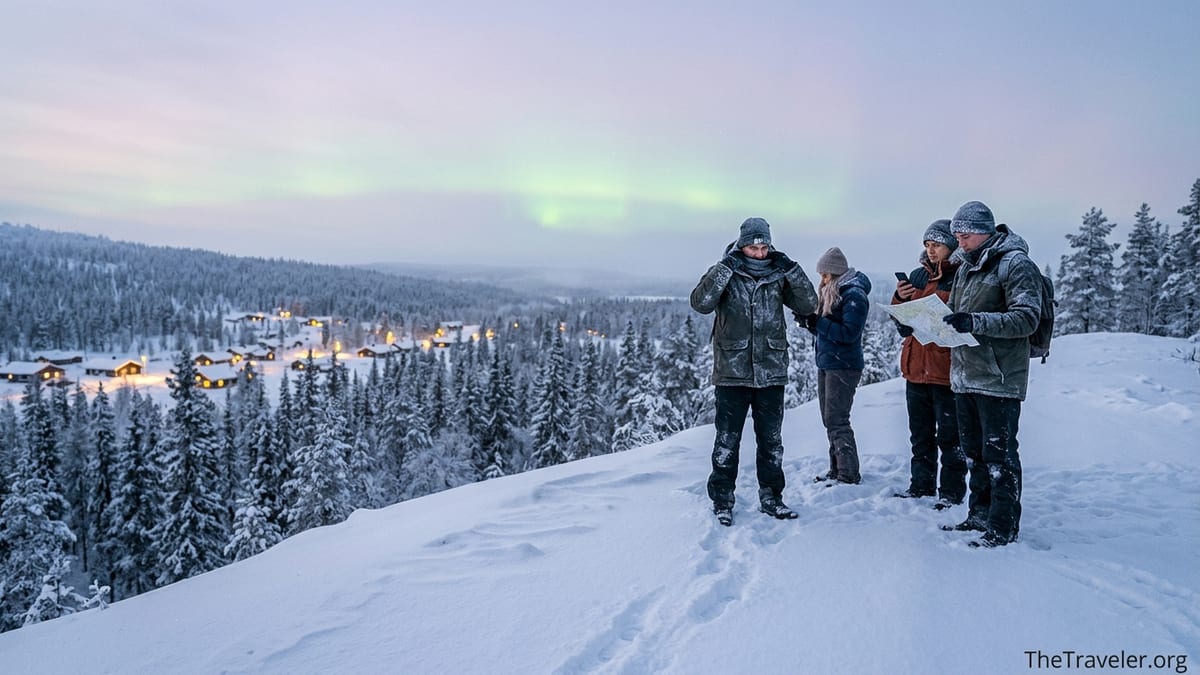
Misjudging Seasons, Snow and Northern Lights
One of the biggest booking mistakes is assuming Lapland is guaranteed snow and aurora at any time in winter. Travelers regularly book early December or even November dates in Rovaniemi or Levi expecting deep snow, only to find patchy coverage or man-made snow limited to ski slopes. In recent seasons, tour operators and local guides have repeatedly warned that reliable natural snow for most activities tends to arrive closer to mid December, with the best combination of snow depth and stability usually from late December through March.
The same confusion surrounds the Northern Lights. The aurora season in Finnish Lapland typically runs from late August to mid April, but that does not mean you will see them in two or three nights. Local tour companies in Rovaniemi report that the most common planning failure is booking too short a stay, often just two nights, and leaving without a single clear sky. A more realistic plan is four to five nights in an aurora zone destination such as Saariselkä, Inari or Abisko in Swedish Lapland, which statistically increases your chances of catching at least one strong display.
Travelers also underestimate how dark it is around Christmas. In Rovaniemi around the winter solstice, there may be only a few hours of blue twilight in the middle of the day. That twilight can be atmospheric, but it complicates photography and can be hard for families with young children. Many experienced visitors now target January or early March instead, when there is still snow and frequent aurora, but more daylight for excursions, especially further north in Levi, Ylläs or Kiruna.
If your priority is skiing or winter activities rather than Santa experiences, consider shifting travel to mid January or March. Operators across Lapland note that prices ease after New Year, snow conditions remain excellent and there is more flexibility in booking last minute excursions. March in particular is often described locally as a “best kept secret” month: deep snow, long sunny days, and high aurora chances after dark at lower prices than peak Christmas week.
Booking the Wrong Place for the Wrong Trip
Another widespread mistake happens before flights are even confirmed: travelers pick the most famous name rather than the destination that fits their goals. Rovaniemi markets itself as the Official Hometown of Santa Claus and is superb for short family breaks focused on Santa Claus Village, but it is not automatically the best choice for those who want quiet aurora hunting, multi day skiing or wilderness. Families discover too late that Santa Claus Village is about 8 kilometers outside Rovaniemi city center, with limited evening transport, so staying in one location may require more transfers and planning than expected.
For downhill skiing and a resort atmosphere, Levi in Finnish Lapland or Ylläs nearby can be better bases than Rovaniemi. Levi combines a compact village, multiple ski lifts and après ski options, and during the 2025 to 2026 winter season typical mid range hotel rooms near the front slopes have been pricing well above 200 euros per night in peak weeks. Those who arrive expecting uncrowded backcountry often feel overwhelmed by the resort feel and busy bars, whereas they might have preferred quieter Äkäslompolo on the Ylläs side or smaller Saariselkä further north.
Norwegian and Swedish Lapland add more variables. Travelers who dream of dramatic fjords and coastal auroras may be better served flying to Tromsø in Norway or Narvik, while those seeking a mix of Sami culture and winter wildlife sometimes choose Kiruna with side trips to Abisko or Jokkmokk. Booking a generic “Lapland” package without looking closely at the map can result in families landing in Kittilä, discovering Levi is a full resort town, and realizing their Santa-focused itinerary would have worked better out of Rovaniemi with its dense Santa attractions.
Before booking, sketch your priorities in concrete terms: “three days of alpine skiing and nightlife,” “quiet cabin with self catering and aurora,” or “one day at Santa Claus Village plus one husky and one reindeer safari.” Then match that to a specific base. For example, a mixed trip could split four nights between Rovaniemi for Santa and a northern village like Saariselkä for darker skies, using the night train or internal flights via Helsinki to connect the dots.
Underestimating Costs and How Quickly They Add Up
Lapland is not a budget destination, and many travelers book flights and a cozy cabin, then arrive shocked at activity and food prices. Recent cost breakdowns from Rovaniemi and Levi suggest that a realistic mid range week for two people in winter, not including flights, often lands around 2,500 to 4,000 euros when you factor in accommodation, a few paid activities and restaurant meals. Budget focused travelers who self cater and limit activities still report daily costs around 75 to 130 euros per person in Rovaniemi during winter, even when staying in hostels or basic hotels.
Activities are often the biggest surprise. A single husky safari typically costs in the region of 150 to 265 euros per person depending on length and location, while snowmobile safaris and reindeer experiences are similarly priced. Families of four can spend 600 to 800 euros on one big excursion day without realizing it. Travelers from the United Kingdom sometimes pay upwards of 600 pounds per person for chartered “day trips to Lapland” that include a short Santa visit and a taster sled ride. Local comparison shows that the same elements, booked independently in Rovaniemi over two days, can cost significantly less and feel far less rushed.
Accommodation pricing swings are another common trap. The same glass igloo or boutique cabin that costs about 120 euros per night in March can reach 350 euros or more during Christmas week. Many visitors book multiple nights in glass igloos assuming it is necessary for the full experience, only to realize later that one carefully chosen night provides the same magic at a fraction of the total cost. Local budget guides consistently advise limiting glass roof stays to one or two nights and spending the rest of the trip in a standard hotel or apartment with a sauna.
Smaller line items add up too. Thermal clothing rental in Rovaniemi and Levi often runs about 30 euros per day or roughly 120 euros per week per person, which can surprise visitors from milder climates who did not invest in their own cold weather gear. Alcoholic drinks in Finnish restaurants and bars are notably expensive, so a single evening out can blow through a day’s planned budget. Before booking anything, it is worth building a sample day-by-day cost estimate including three or four marquee activities, gear rental, airport transfers, and at least one supermarket shop to see how your total compares with marketing promises.
Leaving Flights, Trains and Logistics to the Last Minute
Lapland looks remote but has become an extremely popular winter destination, and transport infrastructure strains during peak weeks. Another recurring mistake is booking accommodation first and waiting too long to secure flights and long distance trains. For the 2024 to 2026 seasons, Lapland airports such as Rovaniemi and Kittilä have gradually added more winter routes, including seasonal services from multiple UK cities and European hubs. Even so, December and school holiday dates see many flights sell out or spike in price months ahead of time.
Travelers sometimes assume they can simply fly into Helsinki and arrange onward travel to Lapland on arrival. In practice, the overnight Santa Claus Express train from Helsinki to Rovaniemi and the sleeper services to Kolari and Kemijärvi are popular with both locals and tourists. Cabins with private berths and car transport spaces on these trains often sell out well in advance for December and February weekends. Booking your long distance connection at the same time as flights, ideally six months or more ahead for Christmas and New Year weeks, helps avoid last minute route changes or awkward arrival times.
Airport capacity is another real world issue. Rovaniemi Airport is a small regional facility handling a surge of seasonal traffic in December. Recent winters have produced stories of long security and check in queues when multiple charter flights depart close together, especially during storms or de-icing periods. Travelers with tight connections sometimes miss flights because they arrived at the airport thinking it would function like a large city hub. Adjusting your expectations and arriving earlier than you normally would for departure, especially on peak Saturdays before Christmas, is a simple way to reduce stress.
Transfers on the ground also deserve attention before you book. Many cabins near Rovaniemi or Levi are outside walking distance of supermarkets and restaurants, and local taxis can be expensive and in short supply at busy times. If you are staying in a village center and plan to rely on buses, double check winter timetables and last bus times before confirming non refundable accommodation. Families with strollers or older travelers may find that renting a car for a few days, even at higher Arctic prices, ends up cheaper and easier than repeated taxis between a remote cabin, ski lifts and tour meeting points.
Packing Wrong, Then Paying to Fix It
Lapland’s climate catches many first timers off guard. Winter temperatures in Finnish Lapland commonly sit between minus 5 and minus 25 degrees Celsius in January and February, with colder snaps especially inland and in the far north. That requires a different packing approach than typical European city winters. One of the most expensive mistakes is buying a bulky fashion parka and heavy boots at home, only to realize you still feel cold and have to rent proper thermal overalls and boots on arrival.
Local guides in Rovaniemi and Levi repeatedly highlight the importance of layering with quality base layers. Merino wool or technical synthetic long underwear manages moisture and warmth better than cotton. A typical effective system might include merino base layers, a fleece or wool mid layer, and a windproof, waterproof shell. Many safari companies in Lapland provide or rent thick outer overalls and insulated boots for activities, but you still need your own warm base layers, wool socks, thin liner gloves, buff or scarf and hat. Travelers who arrive with only jeans, trainer socks and a fashion coat often end up shopping for emergency gear at resort prices.
Hands and feet are common pain points. For husky sledding and snowmobiling, gripping cold metal or plastic handles for an hour can numb fingers even through thick gloves. Several experienced operators recommend a two layer glove system: thin liner gloves for dexterity under thick waterproof mittens, with a hand warmer packet tucked between if you run cold. Feet do best with roomy insulated boots and one or two pairs of good wool socks. Tight boots packed with multiple sock layers actually reduce circulation and make you colder, a mistake many travelers discover halfway through their first safari.
At the booking stage, it is worth checking what your accommodation and activities include. Some higher end Rovaniemi hotels and Levi ski packages include complimentary use of Arctic overalls for the duration of your stay, while others charge per day. Independent rental shops are common in resort towns and typically charge per 24 hours. If you know you will rent, factor that into your total trip budget and pack lighter in other areas. On the other hand, if you plan multiple Arctic trips in the next few years, investing in a down or synthetic insulated jacket rated for subzero temperatures and a good pair of winter boots before you go may save money over repeated rentals.
Overloading the Itinerary and Ignoring Recovery Time
Another mistake happens not at booking but in the way travelers fill every hour of their itinerary before they arrive. It is tempting to schedule a husky safari at 9:00, a snowmobile tour at 14:00 and an aurora hunt in the evening, every day for a week. On paper it looks efficient. In reality, Arctic winter conditions are physically demanding: you are outside for long stretches, bundled in multiple layers, often sleeping a bit less due to excitement and odd daylight patterns. Many visitors report needing slow mornings or entire afternoons in the sauna just to recharge.
Tour companies in Rovaniemi and Levi often caution guests against stacking heavy excursions back to back on arrival day. A common pattern is a family landing on a late afternoon flight, checking into a Santa Claus Village cabin, then trying to squeeze in a Santa visit before closing and an evening reindeer safari. Children are exhausted, adults are jet lagged, and the experience feels rushed. A more successful plan is to book only a gentle activity or a local walk on day one and schedule marquee activities for days two and three after everyone has rested and settled into the cold.
Nighttime excursions need particular attention. A northern lights chase can keep you out on forest roads or frozen lakes until after midnight, especially if guides are pursuing clear skies far from town. Travelers who book an early morning husky safari the following day often struggle. Experienced visitors now recommend alternating heavy days and light days: for example, combining a full day ski pass in Levi with a quiet cabin evening, then booking an aurora tour the next night. This approach also allows some flexibility to move tours if weather or solar conditions look better on different nights.
Finally, it pays to leave unstructured time in your Lapland plan. Some of the most memorable moments visitors report are unscheduled: watching sunrise colors from a frozen river in Rovaniemi, stumbling onto a local cross country ski race in Ylläs, or simply sitting in a lakeside sauna. When every slot in your calendar is pre purchased and non refundable, you lose the ability to adapt to bluebird days, snowstorms or a surprise aurora forecast.
Overlooking Local Culture, Food and Everyday Lapland
Because winter marketing focuses heavily on Santa and bucket list activities, many travelers forget that Lapland has a distinct culture and everyday life worth exploring. A common regret is leaving without experiencing anything beyond tours and resort restaurants. Finnish Lapland has a strong sauna tradition, Sami cultural heritage, and a surprisingly creative food scene in hubs like Rovaniemi and Levi. Booking a package that includes only standardized buffet meals in big hotels can make the destination feel generic.
Before locking yourself into full board resort dining, consider how you might mix restaurant meals with self catering and local specialties. Supermarkets in Lapland carry reindeer, salmon and cloudberry products that you can try in your cabin, and smaller independent restaurants often showcase local game and fish in more interesting ways than large half board buffets. In budget guides, one frequent tip is to book accommodation with a simple kitchen, particularly in Levi, Ylläs or Saariselkä, where a single supermarket shop can offset the cost of a higher room rate.
Learning a bit about Sami culture before you go helps in choosing ethical experiences. Some reindeer safaris and Sami themed attractions are highly commercialized, while others are run by local families who live with their herds year round. At the research and booking stage, look for small scale operators that emphasize herd welfare, small group sizes and clear explanations of how visits support the local community. Instead of three different generic animal encounters, one well chosen visit with time to talk to the herder can be more meaningful.
Outside of winter, Lapland transforms. Travelers who fall in love with the region’s quiet forests, lakes and fells often plan a second trip in summer or early autumn for hiking and the midnight sun. When you are booking your first winter trip, keep an open mind that this might not be a once in a lifetime visit after all. Making connections with local guides, asking about their favorite off season spots and noting places you did not have time to explore can plant the seeds for a future, slower journey.
The Takeaway
Successful trips to Lapland rarely happen by accident. The travelers who return glowing tend to do a few things differently before booking: they pick their destination based on clear priorities rather than brand recognition, choose their month with realistic expectations about snow, light and prices, and build a budget that reflects real activity and gear costs instead of headline hotel rates. They book flights and long distance trains early for peak dates, reserve some unstructured time between major excursions, and invest in or rent the right clothing layers so they can actually enjoy being outside.
Most of all, they treat Lapland as a living region rather than a winter theme park. Instead of chasing every possible tour, they choose a few that matter, leave space for local food, sauna and simple walks in the snow, and remember that the aurora is a bonus, not a guarantee. With thoughtful planning and a clear eyed look at the common mistakes others make, your own Lapland adventure can feel less like a stressful logistics puzzle and more like the quiet, shimmering Arctic escape you imagined.
FAQ
Q1. How far in advance should I book a winter trip to Lapland?
For Christmas and New Year weeks, aim to book flights and key accommodation 9 to 12 months ahead. For January, February and March, 4 to 6 months is usually enough for the best choice of rooms, trains and activities, though last minute deals sometimes appear outside school holidays.
Q2. Which Lapland base is best for a first time family trip?
Rovaniemi works well for short Santa focused breaks thanks to Santa Claus Village and good flight connections. For families who want more skiing and a resort feel, Levi or Ylläs are strong options, while Saariselkä offers a quieter, more compact village with dark skies for aurora viewing.
Q3. What is a realistic budget for a one week winter trip?
For two people, excluding international flights, a mid range winter week in Lapland typically costs around 2,500 to 4,000 euros. That might include a mid range hotel or cabin, two or three paid activities such as husky or snowmobile safaris, some restaurant meals and some self catering.
Q4. Do I need to buy special Arctic clothing before I go?
You do not necessarily need to buy a full Arctic wardrobe, but you do need good base layers, wool socks, a warm hat and gloves. Many safari companies in places like Rovaniemi and Levi provide or rent thermal overalls and boots, which can be more economical if you are unlikely to use heavy gear again.
Q5. When is the best time to visit for Northern Lights?
Northern Lights can be seen from late August to mid April, but the most popular months are from September to March. For a balance of darkness, snow and manageable cold, many visitors choose late January, February or March and stay at least four nights in an aurora friendly area.
Q6. Is December always the best month to visit Lapland?
December has strong Christmas atmosphere, but it is also the most crowded and expensive time, with very short daylight hours. Travelers focused on activities and aurora often prefer January or March, when prices are lower, there is more daylight and snow conditions remain excellent.
Q7. Should I rent a car or rely on public transport?
If you stay in a compact resort center like Levi village or central Rovaniemi and plan mainly guided tours, you can usually manage without a car. If your accommodation is a remote cabin, or you want to explore multiple ski areas or chase aurora independently, renting a car can offer more flexibility despite higher costs.
Q8. How cold does it actually get and how should I prepare?
In mid winter, temperatures in Lapland often range between minus 5 and minus 25 degrees Celsius, with occasional colder snaps. Preparing with layered clothing, good gloves, proper boots and scheduled warm up breaks is more important than one huge coat. Tour guides will usually build warm up stops into longer activities.
Q9. Are glass igloos worth the price?
Many travelers find that spending one carefully chosen night in a glass igloo or similar panoramic room delivers the desired experience without the cost of a full week. Prices are significantly higher in peak December dates, so consider booking igloo stays in January or March if you want better value and similar aurora chances.
Q10. Can I visit Lapland on a tighter budget?
Yes, but it requires planning. Traveling outside Christmas and school holidays, staying in basic hotels or apartments with kitchens, self catering most meals and limiting paid activities to one or two key experiences can bring daily costs closer to budget European city levels, especially in shoulder months like November or late March.