


More news on this day
Peak summer crowds at Israel’s Ben Gurion Airport are facing hours-long delays and mounting disruption after a serious breakdown in the baggage handling system triggered widespread knock-on effects across departures and arrivals.
Get the latest news straight to your inbox!
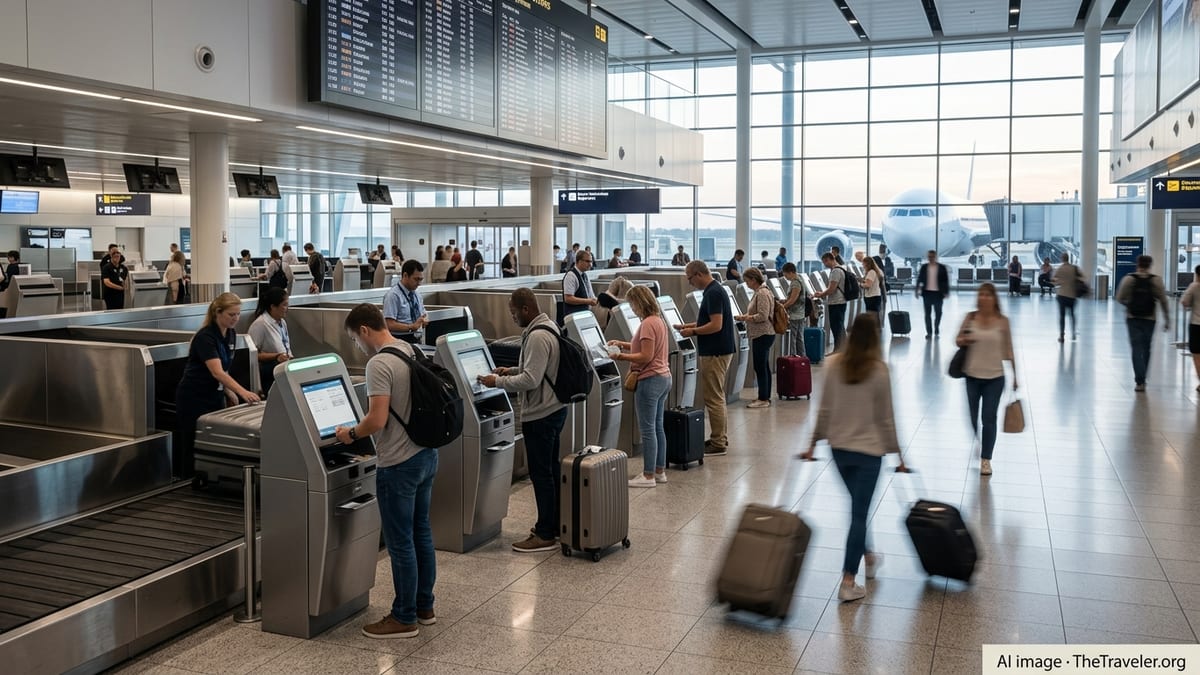
Luggage System Failure Hits At Height of Summer Rush
The latest disruption comes just as Ben Gurion Airport enters its busiest stretch of the year, with August historically recording more than two million international passengers and dozens of airlines operating packed schedules. Publicly available airport data underline how even routine disruptions can quickly escalate at this level of demand, making any serious baggage failure particularly damaging during the current peak.
Reports from Israeli media and traveler accounts indicate that an extensive malfunction in the automated baggage system left luggage backed up in sorting halls and on trolleys, preventing timely loading of bags onto outbound flights. Some aircraft departed significantly late, while others were held at gates waiting for baggage to be reconciled or removed.
Airlines operating from Ben Gurion have been forced to improvise manual workarounds, with ramp crews handling more bags by hand and prioritizing certain departures. These measures have helped keep the airport operational, but they have also slowed turnaround times and contributed to a rolling pattern of delays spreading through the day’s schedule.
The incident follows warnings from aviation and logistics organizations that Ben Gurion would face heightened operational strain in 2026, given regional security uncertainties and already dense summer timetables. The current breakdown appears to have crystallized those concerns into a very visible passenger experience problem.
Hours-Long Delays, Stranded Bags and Frustrated Passengers
Travelers transiting the airport describe crowded departure halls, long queues at check-in and security, and extended waits at baggage carousels. According to multiple social media posts, some passengers have waited several hours after landing for luggage that either never arrived on the carousel or emerged sporadically, a handful of bags at a time.
Others report being advised to leave the airport without their checked bags, with promises that luggage would be delivered to homes or hotels once the system backlog was cleared. Publicly available guidance from airlines serving Israel suggests that some carriers are now steering passengers toward online missing-bag forms rather than in-person desk assistance, in an effort to reduce congestion in arrival halls.
Families traveling with children and tour groups on tight itineraries appear to be particularly hard hit. Missed connections to domestic and regional destinations, forfeited hotel nights and disrupted tours are being described in online forums, where travelers are sharing workarounds such as using tracking devices in suitcases and keeping essential items in carry-on bags.
Consumer advocates note that compensation rights for delayed luggage depend on the airline and ticket conditions, but emphasize that passengers should keep receipts for emergency purchases and document delays, especially when bags arrive days after the original flight.
Operational Strain Exposed at Israel’s Main Gateway
Ben Gurion Airport is Israel’s principal international gateway and a critical hub for both tourism and business travel. It has continued operating through a challenging security and geopolitical backdrop in recent months, with logistics bulletins repeatedly flagging the potential for sudden schedule changes, diversions and carrier-specific adjustments to service levels.
In that environment, the latest baggage breakdown has highlighted how dependent modern airports are on large-scale, complex handling systems that must function almost continuously. If luggage belts, scanners or sorting software fail for even a short window during peak periods, backed-up bags can take many hours to clear, even after the technical issue is resolved.
Industry analyses of previous baggage disruptions at major hubs worldwide point to several recurring stress points that appear to be relevant at Ben Gurion: staffing shortages in ramp and baggage teams, increased security screening requirements for luggage, and recovery operations after earlier delays or cancellations. Each of these can magnify the impact of a system malfunction and slow efforts to return to normal operations.
Publicly available planning documents for Israel’s aviation sector have already identified the need for upgraded ground systems and additional capacity at Ben Gurion to cope with growing passenger numbers in the second half of the decade. The present crisis is likely to feed into debates over how quickly those improvements should be implemented.
Knock-On Effects Across Airlines and Regional Routes
While the baggage failure is centered at Ben Gurion, the disruption is rippling through airline networks across Europe and the broader Middle East. Late departures from Israel are translating into missed connection windows at major hubs, forcing carriers to rebook travelers and reroute bags through alternative airports.
Publicly available flight-tracking and schedule data show clusters of delayed departures and arrivals on routes linking Tel Aviv with major European gateways, regional capitals and some long-haul destinations. Aviation analysts note that when a key hub experiences extended baggage problems, airlines often opt to prioritize aircraft movements over luggage transfer in order to keep crews and planes within regulatory limits, which can worsen the backlog of stranded bags.
The situation is further complicated by existing regional airspace constraints, which have already led to longer routings and tighter scheduling margins. In this context, even modest ground delays at Ben Gurion can quickly translate into network-wide challenges for airlines trying to keep aircraft and crew rotations on track.
Some carriers have adjusted check-in cut-off times for flights departing Israel and are advising passengers to arrive earlier than usual, reflecting the added time needed to process luggage manually and move bags through affected parts of the airport system.
What Travelers Using Ben Gurion Should Expect Now
For passengers planning to travel through Ben Gurion in the coming days, publicly available guidance from airlines and travel organizations suggests preparing for extended processing times and possible baggage delays. Travelers are being advised to keep medication, travel documents, valuables and a change of clothes in carry-on bags whenever possible, in case checked luggage is delayed or temporarily lost in the backlog.
Experts in aviation operations stress that once an airport’s baggage system has experienced a large-scale disruption during peak season, recovery can take several days, even after the core technical issue is fixed. Bags that were misrouted or left off earlier flights must be located, scanned, and reassigned to new departures, while newly checked luggage continues to arrive in high volumes.
Passengers arriving in Israel may encounter crowded baggage halls and longer waits at carousels while the airport works through accumulated luggage. Those whose bags do not appear are typically encouraged, according to airline guidance, to file detailed property irregularity reports before leaving the terminal and to keep tracking numbers for follow-up.
Despite the current turmoil, Ben Gurion remains fully operational, and most flights are still taking off and landing, albeit with delays. Travel specialists suggest that anyone with flexible plans monitor airline notifications closely, build generous layover buffers into multi-leg itineraries, and be prepared for last-minute gate or schedule changes while the airport works to stabilize its baggage operations during Israel’s busiest travel weeks of the year.