


More news on this day
Hawaiian and Alaska Airlines are restoring service across the Hawaiian Islands and key mainland routes after Hurricane Lala moved away from the state, easing days of weather-driven disruptions for travelers.
Get the latest news straight to your inbox!
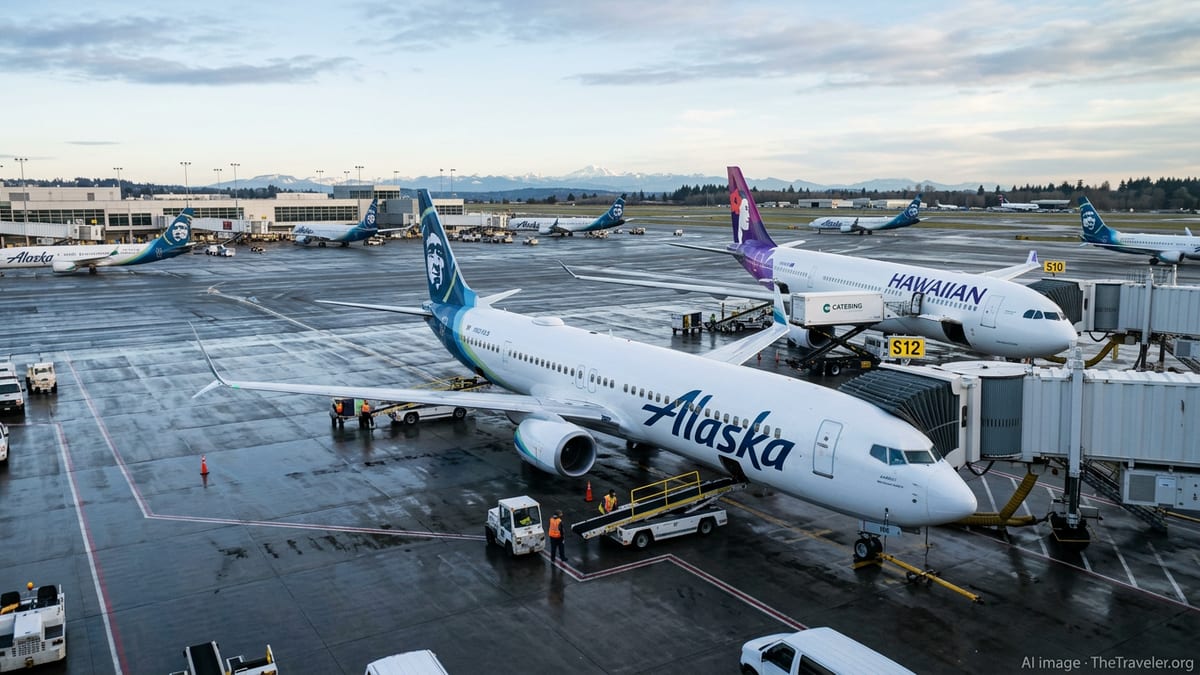
Airlines rebuild schedules after widespread cancellations
Publicly available flight tracking data shows that both Hawaiian and Alaska Airlines sharply reduced operations to and from Hawaii during the height of Hurricane Lala, as the storm’s outer bands brought high winds, heavy rain and hazardous crosswinds to major airports including Honolulu, Kahului, Lihue, Kona and Hilo.
Reports from aviation data providers indicate that dozens of interisland and transpacific services were canceled or diverted while the system passed south of the archipelago. Ground handling operations were also limited during periods of intense rainfall and lightning, slowing aircraft turnarounds and contributing to rolling delays.
As of Monday, schedules published by the airlines and airport operators show a steady return to regular operations, with most mainland to Hawaii flights back in the air and a growing share of interisland links restored. Some departures remain retimed or consolidated as carriers reposition aircraft and crews that were displaced during the storm.
Travel industry monitoring suggests that residual delays are expected to persist through at least the next operational day, particularly on routes that require complex crew connections or overnight positioning.
Focus on safety and operational checks before resuming flights
Information shared through airline operation updates indicates that Hawaiian and Alaska prioritized aircraft and infrastructure safety checks before resuming normal schedules. Runway inspections, navigation aid assessments and evaluations of airport ground equipment were carried out as conditions improved and wind speeds dropped below operational thresholds.
Industry practice in the region typically involves gradual ramp-up after tropical systems, with early flights often operating with additional fuel reserves and more conservative routing to account for lingering weather cells. Observed flight paths for some services into Honolulu and Maui show minor deviations to avoid remaining convective activity as Lala continued to track westward.
Publicly available statements from state transportation agencies highlight that key airport facilities remained structurally intact, though some terminals experienced localized water intrusion and minor power interruptions. Backup power systems and contingency staffing plans helped maintain essential functions such as air traffic control, security screening and baggage handling during the most intense periods of the storm.
Aviation analysts note that this cautious restart approach is consistent with procedures used after previous Pacific cyclones, reflecting the experience of airlines and airports that routinely prepare for powerful weather systems during the Central Pacific hurricane season.
Passengers face lingering disruptions and rebooking challenges
Travel forums and social media posts from affected passengers describe a mix of extended airport waits, overnight hotel stays and itinerary changes as airlines worked through a backlog of stranded travelers. Some mainland visitors reported multi-day delays in leaving the islands, while others experienced last-minute cancellations as aircraft were reassigned to higher-priority relief and repositioning flights.
According to publicly posted airline advisories, both Hawaiian and Alaska activated flexible travel policies for customers ticketed to, from or within Hawaii during the storm window. These measures typically include fee waivers for date and time changes, the ability to rebook into near-term flights without additional fare difference in certain booking classes, and options for travel credits when passengers choose to postpone their trips.
Consumer advocates point out that high load factors on summer and shoulder-season Hawaii routes can make rapid re-accommodation difficult once a severe weather event disrupts multiple days of flying. Even after Lala moved away, limited remaining seat availability on popular routes has meant that some travelers must accept alternative routings, red-eye departures or extended stopovers to complete their journeys.
Airlines are also working through the logistical challenge of reuniting customers with checked luggage that was separated when flights canceled or were diverted during the storm. Baggage tracing systems and centralized customer service centers are being used to match bags to new itineraries as operations normalize.
Hawaii’s tourism sector monitors short-term impact
Industry groups and local tourism observers are closely monitoring the short-term impact of Lala on visitor numbers and spending. While early indications suggest that the storm’s track spared the islands from major infrastructure damage, the temporary shutdown of air links has still affected hotel occupancies, tour operations and interisland business travel.
Data from reservation platforms and hotel booking channels points to a brief spike in cancellations and date changes during the storm period, followed by renewed demand as airlines confirmed flight resumptions. Some properties have extended flexible cancellation policies or offered discounted extra nights to guests unable to depart as planned.
Operators of tours, excursions and rental services report using the lull in visitor activity to inspect equipment, confirm insurance coverage and adjust schedules for the weeks ahead. Many are now promoting last-minute availability for travelers whose plans were shifted but who still wish to complete planned activities later in their stay.
Economists who track Hawaii’s visitor industry note that the overall effect of a fast-moving system like Lala is typically limited if core infrastructure remains intact and flight capacity returns quickly. However, they also emphasize that repeated storm-related interruptions over a single season can weigh on traveler perceptions and raise questions about trip timing, especially for visitors booking from long-haul markets.
Central Pacific storm highlights evolving climate risks
Meteorological analyses released by forecasting centers describe Lala as another example of an intense Central Pacific cyclone influencing Hawaii’s weather patterns without making a direct landfall. The storm’s rapid intensification over unusually warm ocean waters and its broad wind field contributed to hazardous conditions even as the center remained south of the main islands.
Climate researchers have documented trends toward warmer sea surface temperatures in parts of the Pacific, which can provide additional energy to tropical systems. While individual storms cannot be solely attributed to long-term climate change, scientific literature points to a growing risk of stronger cyclones affecting island communities and transport networks in the region.
Aviation planners and emergency managers in Hawaii have been incorporating these evolving risks into preparedness exercises and infrastructure investments, according to public planning documents. This includes refined runway drainage systems, backup power enhancements and updated storm-hardening standards for terminals and control facilities.
For airlines, events such as Lala reinforce the importance of scalable contingency plans, flexible crew scheduling and real-time communication tools that can keep passengers informed as conditions change. As Hawaiian and Alaska move back toward full schedules, the experience of navigating this storm is expected to inform future operational planning for the remainder of the hurricane season.