


Greek islands can be magical with children, but parents quickly discover that not all islands are created equal. Some have long, shallow sandy beaches and ten minute transfers from the airport. Others involve steep lanes, long ferry rides and limited medical care. This guide focuses on seven islands that consistently work well for families: Crete, Naxos, Corfu, Rhodes, Kos, Paros and Zakynthos. Each combines easy beaches, family resorts and straightforward transport, along with the reassurance of nearby healthcare.
Get the latest updates straight to your inbox!
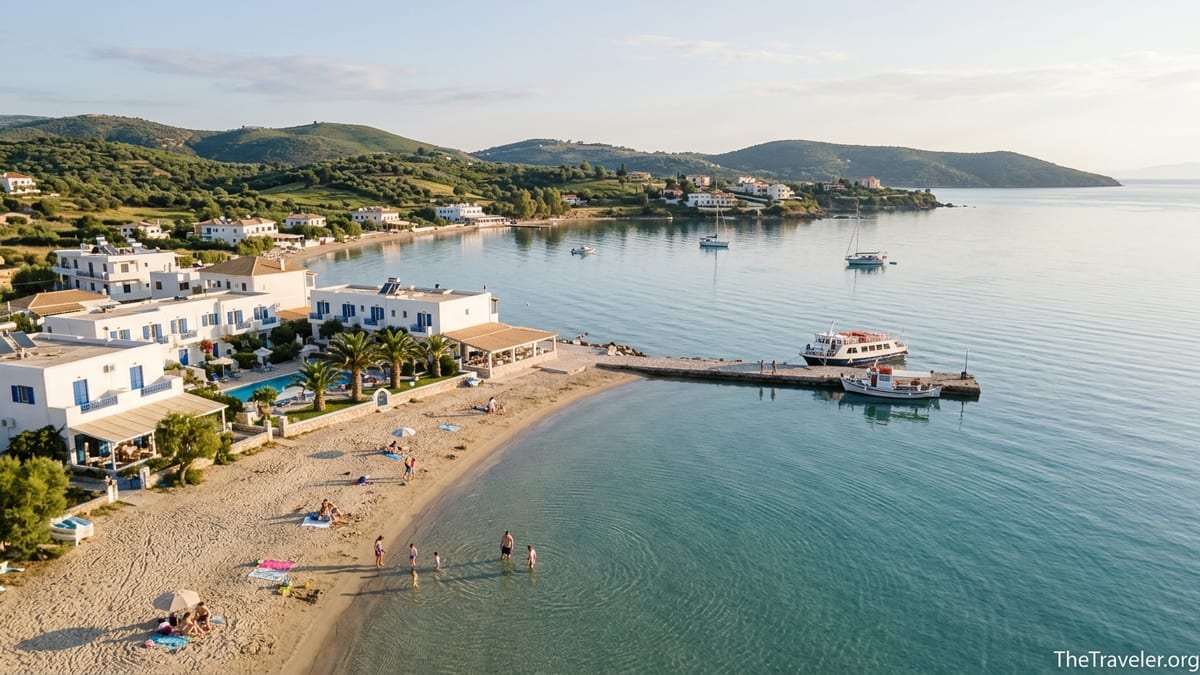
How to Choose a Greek Island for a Family Holiday
When you are travelling with children, a Greek island that looks dreamy on social media can prove awkward in real life. Long ferry crossings with toddlers, pebble beaches with sudden drop offs, and hotel rooms too small for a travel cot can turn a much anticipated week into damage control. The islands in this guide stand out because they offer wide sandy beaches with gentle entry, family sized rooms or apartments at various price points, and airports or ports close to the main resort areas.
For most families, especially those with under 10s, the sweet spot is a destination with a short flight followed by a transfer of 15 to 45 minutes. Corfu, Rhodes, Kos and Zakynthos all have international airports just a short drive from resort areas such as Gouvia, Faliraki, Tigaki and Tsilivi. Crete has two busy airports, Heraklion and Chania, serving the north coast beach towns. Naxos and Paros involve a ferry from Athens or a short domestic flight, but reward the extra step with laid back villages and some of the longest shallow beaches in Greece.
Healthcare is another quiet but important filter. Larger islands such as Crete, Rhodes, Corfu, Kos, Naxos and Zakynthos have public hospitals listed by Greece’s health authorities and European health information services. Smaller Paros does not have a full hospital but is covered by a health centre and fast evacuation links to nearby Naxos and Syros. For most everyday issues, from ear infections to minor injuries, you will find clinics and pharmacies in every main town and resort.
Budget also shapes which island feels right. In high season, a family of four can expect to pay roughly from mid range three digit nightly rates for a modern apartment near the beach on Naxos or Kos, and more in polished resorts on Corfu, Rhodes and Crete. Simple self catering studios in less famous villages can cost significantly less, particularly in May, early June and late September. Package holidays that include flights and hotel transfers can offer good value on the more popular charter islands, especially Rhodes, Kos and Zakynthos.
Crete: Big Island Convenience and Endless Beaches
Crete is Greece’s largest island and behaves almost like a small country, which is excellent news for families. It has two busy international airports, at Heraklion and Chania, with frequent summer flights and a broad choice of arrival times. Transfer times to beach towns such as Gouves, Hersonissos, Rethymno and Agia Marina typically run from 20 to 60 minutes by taxi or pre booked minibus, which keeps tired children out of long bus journeys. Crete also has multiple public hospitals and private clinics spread across the island, which parents often find reassuring if travelling with babies or older relatives.
The north coast concentrates many family friendly beaches. Between Heraklion and Rethymno, long sandy strips sit right in front of resort hotels and apartment complexes, so you can walk from breakfast to the sea in a few minutes. Rethymno itself has a seven kilometre sandy beach running along the town, meaning you can stay in a proper town with playgrounds, supermarkets and cafes while still being steps from shallow water. On the western side, resorts around Chania and the smaller cove beaches near Bali in Rethymno regional unit are often recommended by parents for their calm water and relaxed atmosphere.
Accommodation on Crete ranges from large all inclusive hotels with kids’ clubs and water slides around Hersonissos and Anissaras to small, family run apartments with kitchenettes. It is realistic in mid season to find one bedroom apartments with pool access for a family of four at moderate nightly rates, especially if you book early. Many places include simple kitchen facilities and laundry options, helpful for longer stays or picky eaters. Car hire is widely available at both airports, and having a car makes it easier to reach quieter beaches and explore mountain villages between beach days.
Beyond the sea, Crete offers light hiking in gorges, archaeological sites such as Knossos near Heraklion, small water parks and boat trips along the coast. The food is another advantage. Traditional Cretan cooking leans on grilled meats, vegetables, yogurt and cheese pies that most children will recognise, and tavernas are used to families lingering over early dinners while children play on the beach or nearby promenade.
Naxos: Shallow Sand and Low Key Villages
Naxos, in the Cyclades, has quietly built a reputation as one of the best islands in Greece for families. Its west coast is lined with a chain of long sandy beaches that stay shallow far out, including Agios Prokopios, Agia Anna, Plaka and Mikri Vigla. Parents often comment that younger children can paddle and play in shin to waist deep water for tens of metres from the shore, which reduces anxiety around swimming ability. These beaches are partly organised with sunbeds and umbrellas, but it is still easy to find open sand and space for sandcastles.
Reaching Naxos usually means a ferry from Athens’ Piraeus or Rafina ports, or a short domestic flight from Athens International Airport to Naxos Island National Airport. Summer ferries on the main routes often take around four to five hours, with air conditioned lounges, snack bars and seating areas that children can move around in. The airport is a few minutes’ drive from Naxos Town and the main beach area, so transfers are quick by taxi. Once on the island, most families base themselves along the west coast within a 10 to 20 minute drive from the main town.
Naxos is unusually practical for a small island. There is a general hospital in Naxos Town serving the island and surrounding islets, along with several pharmacies and private doctors. The town itself has proper supermarkets, bakeries, playgrounds and a stroller friendly harbour promenade where children can watch the ferries come and go. Many hotels and apartment complexes in Agios Prokopios and Agia Anna are specifically geared to families, with pools, family rooms that sleep four or more, and baby cots on request. In early summer you can often find modern apartments with kitchenettes for mid range nightly prices even close to the beach.
Beyond days on the sand, Naxos offers small adventures that still fit into a child friendly schedule. You can drive or join a tour into the island’s interior to visit stone villages such as Apeiranthos, visit ancient marble statues lying in fields above Melanes, or take short boat trips to nearby islands for swimming stops. The pace is relaxed, nightlife is limited, and there are few steep lanes or long staircases, which makes Naxos appealing for prams and early bedtimes.
Corfu: Green Island with Short Transfers
Corfu in the Ionian Sea combines easy access with a lush landscape. Corfu International Airport sits just outside Corfu Town, and many of the main family resort areas such as Gouvia, Dassia, Agios Gordios and Moraitika are within 20 to 40 minutes by taxi or coach. During summer there are frequent direct flights from many European cities, which keeps overall travel time manageable, and there are also regular domestic flights and ferries from mainland Greece.
The island’s coastline is varied, but several bays are known for calm, shallow water and soft sand or fine shingle. On the east and northeast coasts, places such as Dassia and Ipsos offer long stretches with organised sections where you can rent sunbeds and have tavernas and toilets close at hand. On the west coast, Glyfada and Agios Gordios provide broad sandy beaches backed by hills and pine trees, with gently shelving water suitable for less confident swimmers. North coast resorts such as Sidari and Acharavi suit families who want a mix of beach time and evening bustle on pedestrian streets.
Corfu has a public general hospital near Corfu Town and a range of private clinics and diagnostic centres around the island. Pharmacies are easy to find, particularly in resort areas and larger villages. That level of infrastructure allows families to plan slightly more adventurous days out, such as driving up to mountain villages, exploring Corfu Town’s Venetian fortress, or taking a boat trip to Paxos and Antipaxos for swimming in clear coves. Many excursions pick up directly from hotel areas, which reduces logistics when travelling with several children.
Accommodation choices range from all inclusive beachfront hotels, especially around Agios Georgios and Moraitika, to small studios with kitchenettes in quieter spots. Because Corfu is popular with both package holiday companies and independent travellers, it is worth comparing package deals that include flights and transfers with separate bookings on hotel websites or large booking platforms. Early booking is key for August, when the island fills with both international visitors and Greek families.
Rhodes and Kos: Dodecanese All Rounders
Rhodes and Kos, in the Dodecanese group, are classic choices for families who value convenience. Both islands have international airports, Rhodes International Airport near the island’s north and Kos Island International Airport in the centre of Kos. Transfer times from these airports to major resort areas can be as short as 15 to 30 minutes. Towns such as Rhodes Town, Faliraki, Kolymbia and Lindos on Rhodes, and Tigaki, Lambi and Kardamena on Kos, are designed around holidaymakers, with frequent buses, beachside promenades and every-day services within walking distance.
Rhodes’ east coast is largely protected from strong winds and has a string of sandy or sand and shingle beaches that work well for children. Faliraki, once associated with nightlife, now has extensive family facilities including water parks, organised beach sections, playgrounds and shallow areas near the shore. Further south, Pefkos and Lardos offer a slightly quieter atmosphere with sandy coves and gentle entry into the sea. Kos has broad sandy beaches around Tigaki and Marmari that are shallow and often recommended by parents with toddlers. Many stretches on both islands hold Blue Flag status, meaning water quality and basic facilities are monitored.
Medical care on these islands is better than on many smaller Greek destinations. Rhodes has a general hospital in the main town along with private medical centres. Kos has a general hospital and a number of smaller health facilities. Both islands are also covered in wider regional emergency health plans, with evacuation routes by ferry or helicopter to larger centres if required. In practice this means that holidaymakers with chronic conditions or travelling with infants often choose these islands for the balance of resort convenience and healthcare backup.
Hotel options are wide. Large beachfront resorts around Faliraki, Kolymbia, Kardamena and Psalidi typically feature multiple pools, splash areas, supervised kids’ clubs and buffet restaurants with children’s stations. Many apartments and smaller hotels are family run, with owners living onsite and used to hosting repeat guests each summer. Prices span from simple two star studios a short walk from the beach up to high end all suite hotels with private pools, so it is possible to tailor the experience to your budget.
Paros: Cycladic Charm with Family Beaches
Paros offers the whitewashed villages and blue domes people associate with the Cyclades, but in a package friendlier to families than busier islands such as Mykonos or Santorini. You reach Paros either by ferry from Athens or neighboring islands, or via Paros National Airport, which has frequent domestic flights in summer. The drive from the airport to main villages such as Parikia or Naoussa usually takes less than 30 minutes, and most family beach areas are a short additional hop.
Beaches like Golden Beach and New Golden Beach on the southeast and Santa Maria near Naoussa are often named as good options with children. They mix stretches of soft sand with gently sloping seabeds and organised sections that offer sunbeds, umbrellas and casual tavernas. On breezier days, coves around Aliki and Piso Livadi can feel more sheltered. The distances on Paros are short, so you rarely drive more than 25 to 35 minutes between any two points, which helps keep outings manageable for younger children.
Paros has a modern health centre and is close by ferry to the better equipped hospital on Naxos and regional hospitals in Syros. For everyday travel issues, from minor fevers to ear infections, there are several private doctors and pharmacies in Parikia and Naoussa. This layered access to care, combined with the island’s compact size, makes Paros a reasonable choice for families who want the Cycladic aesthetic without feeling isolated.
Accommodation leans toward small and medium sized hotels, apartments and villas rather than huge resorts. In Naoussa and Parikia, many guesthouses offer family rooms with kitchenettes and short walks to the beach or harbour. In Aliki and Drios, low rise hotels sit directly behind the sand, often with shaded gardens where children can play while adults relax. Prices in high season can be higher than Naxos for equivalent quality, but early June and late September often see better value and more space to spread out on the beaches.
Zakynthos: Wide Sandy Bays and Easy Package Deals
Zakynthos, also known as Zante, is another Ionian island that works especially well for families who want straightforward logistics and classic beach time. Zakynthos International Airport lies only a short drive from main resort areas such as Kalamaki, Laganas, Tsilivi and Argassi, so transfers can be as little as 10 to 25 minutes. Summer sees many direct charter and low cost flights from across Europe, which keeps overall travel time short and often reduces costs for families compared with more remote islands.
The island’s eastern and southeastern coasts are lined with long sandy beaches that stay shallow and warm, especially in the bays around Alykes, Alykanas and Tsilivi. Parents often mention that children can walk far out before the water deepens significantly, and that the seabed is mostly soft sand. While the famous shipwreck viewpoint and some of the west coast cliffs are spectacular, they are less practical with small children, so many families concentrate their stay in the flatter eastern resorts.
Zakynthos has a general hospital serving the island and a network of private clinics in resort areas. Pharmacies are numerous in Zakynthos Town and larger villages, and there are established arrangements for emergency transfers by sea or air to larger hospitals on the mainland if necessary. This level of backup, combined with the island’s modest size, lets families venture out on boat trips to spot turtles in Laganas Bay or visit quieter coves while knowing help is relatively close by.
Accommodation on Zakynthos is dominated by family oriented hotels and apartments. Tsilivi and Kalamaki, in particular, have many mid range hotels with pools, splash areas, playgrounds and simple onsite restaurants serving familiar dishes alongside Greek favourites. It is common to find self catering apartments within walking distance of the beach and supermarkets, which suits families wanting to manage their own schedules. Package holidays often bundle flights, transfers and accommodation, making budgeting more predictable for a week in July or August.
Transport, Transfers and Practical Safety Tips
However beautiful the destination, no family holiday starts well with a difficult journey. When comparing these islands, it helps to consider total travel time from your home airport to your hotel. Islands with their own international airports, such as Crete’s Heraklion and Chania, Corfu, Rhodes, Kos and Zakynthos, minimise ferry time and often keep transfers under an hour. Naxos and Paros typically require a domestic flight or ferry from Athens, which adds a leg but can be broken up with a night in the city if needed.
Transfers from ports and airports are straightforward on all seven islands. Taxis line up outside arrivals areas, and many hotels or package operators arrange coaches or private minibuses included in the holiday price. For example, a pre booked taxi from Heraklion Airport to Gouves or Hersonissos usually takes about half an hour in light traffic, while Rhodes Airport to Faliraki can be similar. On Naxos and Paros, the main towns and beaches are close enough that you can reach most accommodations in 10 to 25 minutes.
Car hire is widely available and can be practical on larger islands like Crete, Rhodes, Kos and Corfu where you may want to explore multiple beaches and villages. On Naxos, Paros and Zakynthos, families often rent a small car for just a few days to reach more secluded coves or inland sights. Child seats should be reserved in advance, as quantities with rental agencies are limited. Greek roads are generally good on primary routes, though smaller coastal roads can be narrow and winding, so planning to drive mainly in daylight is sensible.
In terms of safety, beach conditions change with wind and weather. Even on typically calm, shallow beaches such as those on Naxos’s west coast or in Zakynthos’s bays, parents should watch for days when waves or winds pick up and set clearer limits on how far children can go out. Many organised beaches employ lifeguards during high season, especially on more popular stretches in Crete, Rhodes, Kos and Corfu. Basic travel insurance that covers medical care, evacuation and trip interruptions remains important even in destinations with solid public health infrastructure.
The Takeaway
For families, the best Greek island is usually the one that balances shallow sandy beaches, short and simple transfers, family friendly accommodation and reliable access to medical care. Crete offers big island infrastructure and variety. Naxos provides long, gentle beaches and a low key atmosphere. Corfu layers green landscapes onto easy access. Rhodes and Kos deliver classic resorts with strong healthcare backup. Paros adds Cycladic charm in a compact package, and Zakynthos specialises in warm, shallow bays and value friendly package deals.
No destination is perfect for every family, but these seven islands repeatedly emerge in recent travel guides, health planning documents and parent reports as solid choices. Think about your children’s ages, how long they can comfortably travel, and whether you prefer a self catering apartment or full service resort. Then match those needs to one of these islands’ specific strengths. With a bit of advance planning, a Greek island holiday can be not only beautiful in photos but genuinely relaxing in the moments that matter, from first paddles in warm water to unhurried evening walks along a harbour promenade.
FAQ
Q1. Which Greek island is best for a first family trip?
Naxos and Crete are strong first time choices. Both have long sandy beaches with shallow water, a good range of family accommodation and reliable healthcare, while still feeling authentically Greek.
Q2. Which islands have the shortest transfers from the airport to the beach?
Zakynthos, Corfu, Rhodes and Kos generally offer the shortest transfers, often between 10 and 30 minutes from airport to main resorts such as Tsilivi, Gouvia, Faliraki or Tigaki.
Q3. Are Greek island hospitals good enough for families with young children?
Larger islands like Crete, Rhodes, Corfu, Kos, Naxos and Zakynthos have public hospitals and private clinics capable of handling typical holiday issues. Serious cases are usually transferred to bigger centres on the mainland.
Q4. Which island has the calmest, shallowest beaches for toddlers?
Naxos’s west coast beaches such as Agios Prokopios and Plaka, and Zakynthos bays like Alykanas and Tsilivi, are often highlighted for very gentle entry and soft sand.
Q5. Is it better to fly or take the ferry with children?
For younger children, a direct flight to islands with airports usually keeps overall travel time and waiting around to a minimum. Ferries to Naxos and Paros can be comfortable, but they add several hours to the journey.
Q6. When is the best time to visit Greek islands with kids?
Late May, June and late September are ideal for many families. Air and sea temperatures are warm enough for swimming, beaches are less crowded and prices are usually lower than in peak August.
Q7. Do I need to rent a car on these islands?
On Crete, Rhodes, Kos and Corfu a car is useful if you want to explore beyond your resort. On Naxos, Paros and Zakynthos many families manage with a mix of short taxi rides, occasional car hire and local buses.
Q8. Are all inclusive resorts a good idea for Greek island holidays with kids?
All inclusive resorts on Crete, Rhodes, Kos, Corfu and Zakynthos can simplify budgeting and appeal to picky eaters. Families who enjoy exploring local tavernas and villages may prefer self catering or bed and breakfast.
Q9. How expensive are family friendly hotels on these islands?
Costs vary by month and location, but in mid season it is often possible to find well reviewed apartments with pool access for a family of four at mid range nightly prices, with higher rates for beachfront resorts and August stays.
Q10. Which island should we choose if we want both beaches and sightseeing?
Crete, Rhodes and Corfu offer the best mix of beaches and cultural sights, including old towns, castles and archaeological sites, along with easy day trips into the countryside or mountains.