


Choosing which Greek island to visit can feel like an exam you did not study for. Names like Santorini, Mykonos and Crete dominate Instagram, while Naxos, Paros, Milos or Hydra float by in comment threads as “better value” or “more authentic.” With record visitor numbers to Greece in 2024 and 2025 and a season that now stretches from April into October, picking the right island has never mattered more to your experience and your budget. This guide breaks down twelve of the most popular islands by beaches, nightlife, romance, family friendliness and value, with concrete on-the-ground examples to help you decide.
Get the latest updates straight to your inbox!
How to Use This Greek Islands Decision Guide
Before you fall in love with a single photo of a Santorini infinity pool, it helps to be clear about what you actually want from your trip. In recent seasons, Greek tourism officials have reported not only rising visitor numbers but also a shift away from the old “one size fits all” beach holiday. Travelers are spreading out to more islands and traveling more in May, June, September and October to escape peak summer prices and crowds. The result is a broader choice of islands that cater to very different priorities, sometimes just a short ferry ride apart.
For this guide, we focus on twelve islands that first-timers ask about most: Santorini, Mykonos, Crete, Rhodes, Corfu, Naxos, Paros, Milos, Zakynthos (also called Zante), Kos, Skiathos and Hydra. They are spread across the main Greek island groups, from the Cyclades to the Ionian Islands and the Dodecanese, and they vary widely in size, cost and atmosphere. Instead of ranking them from “best to worst,” we look at how each performs in five practical categories that actually affect your trip: beaches, nightlife, romance, families and value for money.
Think of this as a decision matrix. If your priority is nightlife and you have a high budget, Mykonos or Ios will likely win. If you want long sandy beaches, a more relaxed scene and mid-range prices, Naxos or Paros often come out ahead. If you need history, great food and varied landscapes for a 10 to 14 day trip, Crete or Rhodes may be a better fit than smaller islands. Throughout, you will find concrete examples of real-world prices, areas and experiences from recent seasons to help you picture your own itinerary.
Finally, remember that ferry tickets and accommodation prices can fluctuate sharply between July and late September. A simple Piraeus to Santorini high-speed ferry can run well over 80 to 100 euros per person in late July, and extra island hops add up quickly. When value matters, limiting yourself to two islands that connect easily, such as Santorini and Naxos or Athens and Hydra, can save both money and travel time.
Romance and Iconic Views: Santorini, Milos and Hydra
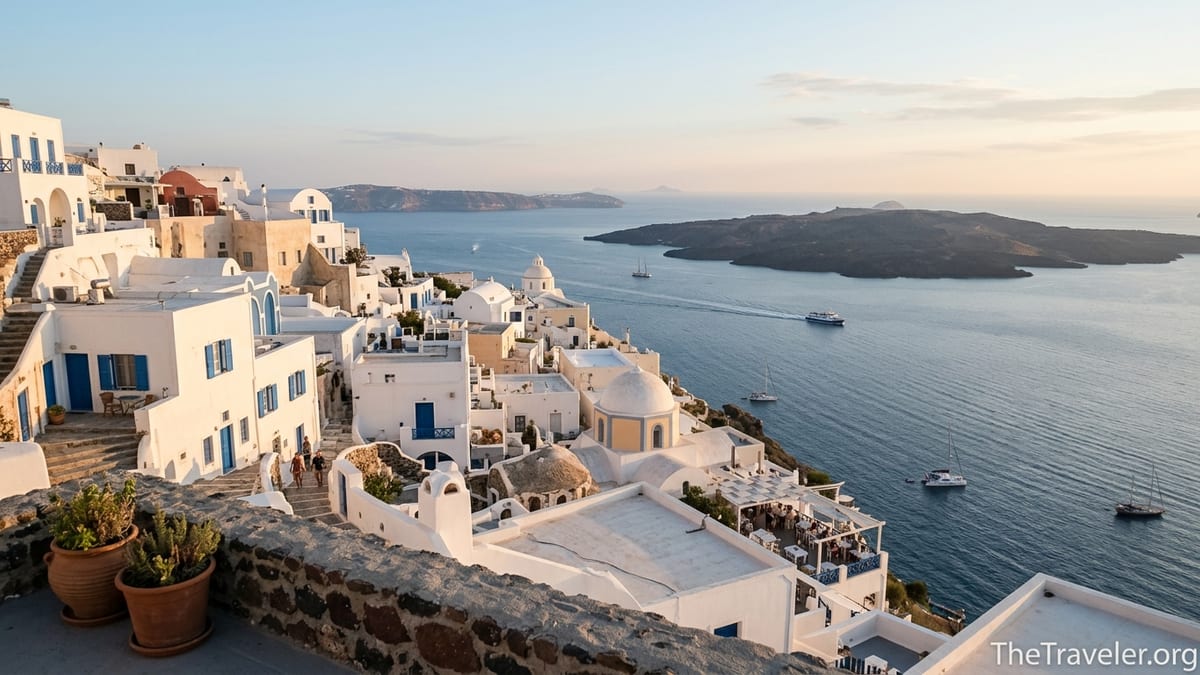
Santorini remains the A-list choice for honeymoons and proposals, and for good reason. The caldera villages of Oia, Imerovigli and Fira hang dramatically over the sea, with whitewashed cave suites and plunge pools that feature in countless wedding magazines. A mid-range caldera-view hotel in Imerovigli in June can easily run 350 to 500 euros per night, with higher rates for September sunsets and for properties with private pools. The trade-off is that beaches here, such as Perissa and Kamari, are volcanic black sand or pebbles, and the island’s roads and lanes become extremely crowded at sunset in July and August.
Milos has emerged as a lower-key romantic alternative. The island’s coastline is one of the most dramatic in Greece, with moonlike white cliffs at Sarakiniko, hidden coves like Kleftiko reachable only by boat, and small fishing villages such as Klima where you can stay in a converted “syrmata” boathouse. A full-day boat tour around Milos, including swim stops and lunch, typically costs around 80 to 120 euros per person in high season, and mid-range studios near Pollonia or Adamas can still be found in the 120 to 200 euro range if booked early. Even in August, Milos feels more about sea caves and lazy taverna dinners than dress codes and champagne bars.
Hydra offers an entirely different kind of romance. Just 90 minutes or so by fast ferry from Athens, this Saronic island feels frozen in time, with no cars allowed and everything moved by donkey or handcart. The harbor is lined with stone mansions, and many visitors stay in restored townhouses that give the sense of living inside a 19th century painting. There are no big sandy beaches here, but rocky swimming platforms like Spilia and Hydronetta make for crystal-clear dips and sunset cocktails above the water. Prices in high season can rival the Cyclades, with stylish boutique hotels often starting around 200 to 250 euros per night, but for couples who value atmosphere over amenities, Hydra delivers a uniquely cinematic setting without needing a domestic flight.
If your main goal is a just-engaged photo on a cliff at sunset, Santorini is still unrivaled. If you prefer more space on the sand and more boat days, Milos is often the better romantic base. Hydra is ideal for a shorter, slower escape paired with Athens, with long evenings at harbor-front tavernas instead of beach clubs.
Nightlife and Party Scene: Mykonos, Ios, Kos and Skiathos
Mykonos has for years been the shorthand for Greek island nightlife. Its combination of beach clubs, luxury hotels and late-night bars attracts international DJs and a big-spender crowd every summer. Places like Paradise Beach and Super Paradise become all-day parties from June to September, and Mykonos Town stays busy with bars and small clubs until well after 3 a.m. The cost of this scene is significant. A simple cocktail in a trendy bar in Mykonos Town often runs 16 to 20 euros or more, sunbed sets at popular beach clubs can exceed 80 euros for two loungers and an umbrella, and rooms in well-located boutique hotels frequently start above 400 euros per night in July and August.
For a younger crowd on a more modest budget, Ios and Kos have long been alternatives. Ios, between Santorini and Naxos, fills with backpackers, students and twenty-something travelers in July and August. Its main village, Chora, is packed with bars that offer happy hour deals and shots, and you can still find simple double rooms from around 80 to 120 euros with beaches like Mylopotas a short bus ride away. Kos, in the Dodecanese near Turkey, mixes a classic resort strip with local tavernas and a lively harbor area. All inclusive and half board deals are common here, which can help keep a lid on spending for groups of friends.
Skiathos in the Sporades has a more compact but very enjoyable nightlife scene that appeals to both couples and groups. Skiathos Town’s waterfront and narrow back streets are lined with bars and late-opening cafes, while the wooded coastline hides dozens of sandy beaches. Koukounaries is among the best known, with pine trees running down to the sand and beach bars that feel buzzing rather than overwhelming. August is busy, especially with European package travelers, but prices for drinks and meals are typically more moderate than on Mykonos, and the island can be reached by direct flights from several European cities in summer as well as ferries from the mainland.
If you want nightlife without going all in on luxury spending, consider pairing Mykonos with a lower-cost island such as Naxos or Paros, or skipping it entirely in favor of Skiathos, Kos or a few nights in lively Chania on Crete, where you can bar-hop in the old harbor and still find mid-range rooms around 130 to 200 euros in shoulder season.
Best Beaches: Naxos, Paros, Zakynthos, Skiathos and Crete
When travelers talk about classic Greek beaches with long, shallow sand and turquoise water, they are often describing Naxos without knowing it. Naxos, the largest of the Cyclades islands by land area, is famous for its west coast string of beaches that run almost uninterrupted from Agios Georgios, just outside Naxos Town, down through Agios Prokopios, Agia Anna and Plaka. These beaches offer soft sand, shallow entry ideal for children, and a mix of organized sections with sunbeds and quieter stretches where you can throw down a towel. In recent seasons, sunbed sets at the more popular parts of Agios Prokopios have risen into the 25 to 40 euro range for two beds and an umbrella, while smaller tavernas and beach bars still rent simpler sets more cheaply when you order food and drinks.
Paros, just a couple of hours by ferry from Naxos or Santorini, is slightly smaller and trendier, but its beaches are equally attractive. Golden Beach and Santa Maria are popular for water sports and beach clubs, while Kolymbithres near Naoussa has unusual rock formations and small sandy coves. Paros has become a favorite among travelers in their late twenties to forties who want beaches during the day and bars or wine bars at night without the full-scale frenzy of Mykonos. Mid-range hotels and apartments near Naoussa often run 150 to 250 euros in June and September, edging higher in August.
On the Ionian side of Greece, Zakynthos and Skiathos have some of the most photographed beaches in the country. Zakynthos is home to the famous Navagio or Shipwreck Beach, a cove backed by steep cliffs and bright blue water, which is accessible only by boat. The beach itself can be extremely crowded in high season and is sometimes closed to landings due to safety concerns, so many visitors now opt for boat tours that circle the cove and continue to quieter swimming spots and the Blue Caves. A half day boat tour can cost around 30 to 60 euros depending on the vessel and group size. Elsewhere on the island, beaches like Gerakas and Dafni in the protected Zakynthos Marine Park offer better swimming for families, with a chance of spotting loggerhead turtles at a respectful distance.
Crete is so large that it almost needs its own guide, but it is worth mentioning in any beach comparison. Western Crete boasts Balos Lagoon with its pale sand and shallow turquoise waters, Elafonissi with its pinkish sand, and Falassarna’s long open beach, while the south coast has more remote coves reachable by hiking or boat, such as Sweetwater Beach or the area around Loutro. Many travelers base themselves in Chania or Rethymno and join organized day trips to these beaches, with group excursions typically priced from about 30 to 60 euros per person, not including optional extras. For visitors who want variety in one trip, Crete’s ability to combine famous beaches with mountain villages and archaeological sites makes it hard to beat.
Best for Families: Crete, Naxos, Rhodes, Corfu and Kos
Recent family travel guides to Greece consistently highlight Crete, Naxos, Rhodes, Corfu and Kos for their mix of safe swimming, activities and family oriented accommodation. Crete stands out because it offers almost everything in one island. Families often split a 10 to 14 day stay between the Chania region in the west and the area around Rethymno or Heraklion further east. In Chania, children can explore the Venetian harbor and old town before heading to beaches such as Agia Marina or Marathi, which have shallow entry and plenty of tavernas. Near Heraklion, the palace of Knossos and the island’s main archaeological museum provide an easy introduction to Minoan history that school-age children can grasp, especially when paired with a guided tour.
Naxos has quietly become one of the top recommendations for families who want a safer and more relaxed alternative to Mykonos or Santorini. The beaches around Agios Georgios and Agios Prokopios are shallow and sheltered, with lifeguards in high season and a good selection of family-run hotels and apartments that include kitchenettes and small pools. In recent seasons, several properties in Agios Prokopios have created kids’ clubs and simple playgrounds, and the island offers family-friendly activities such as beginner windsurfing lessons, easy hikes to inland villages like Halki, and day sails to nearby islands. Compared with Santorini, restaurant prices and car rentals on Naxos are generally lower, which adds up quickly on a week-long stay.
Rhodes and Kos, both in the Dodecanese near Turkey, are classic choices for European package holidays and remain strong options for families, particularly for those who appreciate resort-style infrastructure. Rhodes combines a UNESCO listed medieval old town, an acropolis at Lindos and long sandy beaches in areas such as Faliraki and Tsambika. Many hotels offer half board or all inclusive packages that can simplify budgeting. Kos has similar appeal, with long shallow beaches like Tigaki and Mastichari, cycling paths around Kos Town and plenty of mid-range resort hotels with pools and water slides.
Corfu, in the Ionian Sea, is another family favorite, with its green hills, Venetian style old town and many calm bays. Areas such as Paleokastritsa and Agios Gordios are popular bases, and boat hire to explore nearby coves is a common family activity. Compared with the Cyclades, these Ionian and Dodecanese islands can feel slightly less stark and windy, which some families prefer, especially when traveling with younger children in May or late September.
Value for Money and Crowd Levels: Naxos, Paros, Crete and Rhodes
With ferry fares identified as among the higher in Europe in recent reports and hotel prices rising on the most famous islands, value has become a crucial factor in choosing where to go. Naxos is often cited as delivering a large share of the “classic Cycladic” experience at a fraction of Santorini or Mykonos prices. It has a whitewashed old town, an iconic sunset spot at the Portara gate, long sandy beaches and a strong local food culture built around potatoes, cheeses and kitron liqueur. Yet in June or late September, it is still possible to find clean studios within walking distance of the beach and tavernas from about 80 to 130 euros per night, and meals at family tavernas rarely reach the prices seen on the most famous caldera terraces.
Paros is less of a bargain than it once was, but remains better value than Santorini or Mykonos for travelers who prioritize atmosphere and dining over private pools. Boutique hotels in Naoussa now command significant rates in August, but in May, early June and late September you can still find attractive doubles in the 140 to 220 euro range. Bus connections around the island are good by Greek island standards, meaning you may be able to skip a rental car for at least part of your stay and rely on buses to reach beaches such as Kolymbithres, Santa Maria or Golden Beach.
Crete and Rhodes stand out for value at scale. Because they have large permanent populations, multiple towns and airports and a long season, competition keeps prices more moderate than on small celebrity islands. On Crete, for example, you will find everything from basic rooms in village guesthouses for under 60 to 80 euros in shoulder season to stylish boutique hotels and villas that rival anything in the Cyclades, often at lower nightly rates. Car rental prices on these larger islands also tend to be somewhat lower, especially when booked for a full week, and restaurant menus in inland villages are often priced for locals, not just tourists.
Travelers on a tighter budget can also gain value by adjusting dates. The same room in a mid-range Naxos beach hotel can be more than 40 percent cheaper in late May or late September than in early August, and ferries and flights are often less packed. Greece’s tourism authorities and international bodies have noted that more visitors are traveling outside the traditional peak weeks, which helps spread the load and can work to your advantage if you are flexible with school schedules or remote work arrangements.
Island Personalities: Matching Vibes to Traveler Types
Each of the twelve islands in this guide has a distinct personality, and matching that mood to your own is often more important than any individual beach or monument. Santorini feels theatrical and polished, with cliffside suites, fine dining and a pace dictated by cruise ship arrival times and sunset. Many visitors stay three to four nights, focusing on caldera walks, the archaeological site of Akrotiri and wine tastings at wineries in the interior. It is ideal if you want a brief, high-impact stay and do not mind crowds or premium prices.
Mykonos feels international and overtly glamorous, especially from late June to early September. Visitors dress for dinner, beach clubs choreograph music and bottle service, and the island attracts a mix of couples, groups of friends and LGBTQ travelers who appreciate its open atmosphere and nightlife. For some, two or three nights of this is perfect before retreating to a quieter island. For others, the cost and intensity are too much, and they head instead to islands like Paros, Naxos or Milos that offer a more relaxed take on Cycladic life.
Crete and Rhodes are like mini countries, able to host trips that focus on culture, hiking and food as much as on beaches. On Crete you might spend mornings walking the Samaria Gorge, exploring old towns like Rethymno or visiting wineries near Heraklion, before returning to small seaside villages such as Loutro or Plakias. Rhodes pairs days at the beach with time exploring the cobbled streets of its medieval city or climbing up to the acropolis at Lindos. Both islands work well for travelers who want to unpack once or twice and still have varied day trips without changing hotels every two nights.
Hydra, by contrast, is about slowing down. Daytime might mean a walk to Kamini or Vlychos, swims off rocks and long lunches overlooking the harbor. Evenings center on simple pleasures: an aperitif while watching fishing boats return, a plate of grilled octopus or vegetables, and a stroll through narrow lanes lit by soft lamplight. Zakynthos, Kos and Skiathos all have more conventional resort strips and nightlife, making them suited to travelers who prefer a familiar beach holiday framework with Greek scenery as the backdrop.
Putting It Together: Sample Pairings and Itinerary Ideas
Once you understand each island’s strengths, it becomes easier to build a realistic itinerary. Many first-time visitors try to fit four or five islands into a two week trip and then discover how much time is lost to packing, ports and ferries. A more satisfying strategy is often to choose one or two main bases and then add a shorter “taster” island if ferry connections and budget allow. For example, a classic Cyclades pairing is Santorini and Naxos or Santorini and Paros, linked by direct ferries that often take around two to three hours. You might spend three nights on Santorini for the caldera views and wine, then five or six nights on Naxos for beaches and a slower rhythm.
Another attractive option for those who want beaches, nightlife and good food is to skip Santorini and Mykonos entirely and focus on Naxos plus Paros or Naxos plus Milos. Travelers who have done this in recent years often report feeling they still experienced “the Greece they imagined” without the most intense crowds and price spikes. In that case, you could fly into Athens, take an afternoon ferry to Paros, spend four nights exploring Naoussa and nearby beaches, ferry over to Naxos for another five nights and then return to Athens by ferry or a short domestic flight.
For a more varied and potentially better value trip, consider Crete on its own or paired with Rhodes or a Cycladic island reachable by direct flights. A two week itinerary might include six nights around Chania, four around Rethymno or Heraklion and three in Rhodes Town, using local buses or rental cars for day trips. Families with children in particular appreciate being able to settle into one apartment or hotel for a full week in Chania or Naxos rather than moving every few days.
Travelers whose time is shorter might combine Athens and Hydra for a compact but rich introduction to Greece. The fast ferry from Piraeus to Hydra allows you to be swimming in deep blue water by lunchtime on arrival day, and three nights on the island plus two or three nights in Athens works well for a five or six night break. Finally, if you are chasing nightlife on a budget, combinations like Ios and Naxos or Skiathos and nearby Skopelos can balance late nights with quieter beaches and movie-worthy scenery.
FAQ
Q1. Which Greek island is best for a first-time visitor?
For a classic first trip that balances scenery, beaches and value, many travelers pair Santorini for three nights with Naxos or Paros for five to seven nights, or choose Crete on its own if they prefer fewer hotel changes.
Q2. Is Santorini worth the higher cost?
Santorini is expensive, but the caldera views and atmosphere are genuinely unique. It is often worth spending two to three nights there, then moving on to a better value island like Naxos or Crete for the rest of your stay.
Q3. Where should I go for the best beaches?
Naxos, Paros, Zakynthos, Skiathos and western Crete have some of the best sandy beaches in Greece, with long, shallow stretches that are ideal for swimming and families.
Q4. Which islands are best for nightlife?
Mykonos is the top choice for high-end nightlife, followed by Ios, Kos and parts of Zakynthos and Skiathos for a more budget friendly party scene. Chania on Crete also has a lively bar scene without feeling like a clubbing resort.
Q5. What are the most romantic Greek islands?
Santorini, Milos and Hydra are particularly romantic, each in a different way. Santorini offers dramatic cliff views, Milos has hidden coves and sea caves, and Hydra provides a car free, old world atmosphere close to Athens.
Q6. Which islands are best for families with kids?
Crete, Naxos, Rhodes, Corfu and Kos are excellent for families, combining safe, shallow beaches, a wide range of accommodation and kid friendly activities such as boat trips, water sports and gentle hikes.
Q7. Where can I find the best value for money?
Naxos, parts of Paros, Crete and Rhodes generally offer better value than Santorini or Mykonos, especially in late May, June, September and early October when room rates and ferry prices are usually lower.
Q8. How many islands should I visit in one week?
For a seven night trip, one or two islands is usually ideal. Adding more often means spending too much time in ports and on ferries and not enough time enjoying beaches and villages.
Q9. Do I need to rent a car on the islands?
On larger islands like Crete, Rhodes and Corfu, a car is very helpful for reaching beaches and villages. On Naxos and Paros, buses cover popular areas but a car or scooter for a few days lets you explore more remote spots.
Q10. When is the best time to visit the Greek islands?
Late May, June, September and early October usually offer warm weather, swimmable seas and fewer crowds than July and August, with noticeably lower prices on accommodation and more availability on ferries and flights.