


Choosing a Greek island can feel overwhelming. There are more than 200 inhabited islands, and most first-time visitors only have a week or two. This guide works like a search-led, quiz-style playbook: start with your budget, time frame and priorities, then match yourself to real islands that fit how you actually like to travel.
Get the latest updates straight to your inbox!
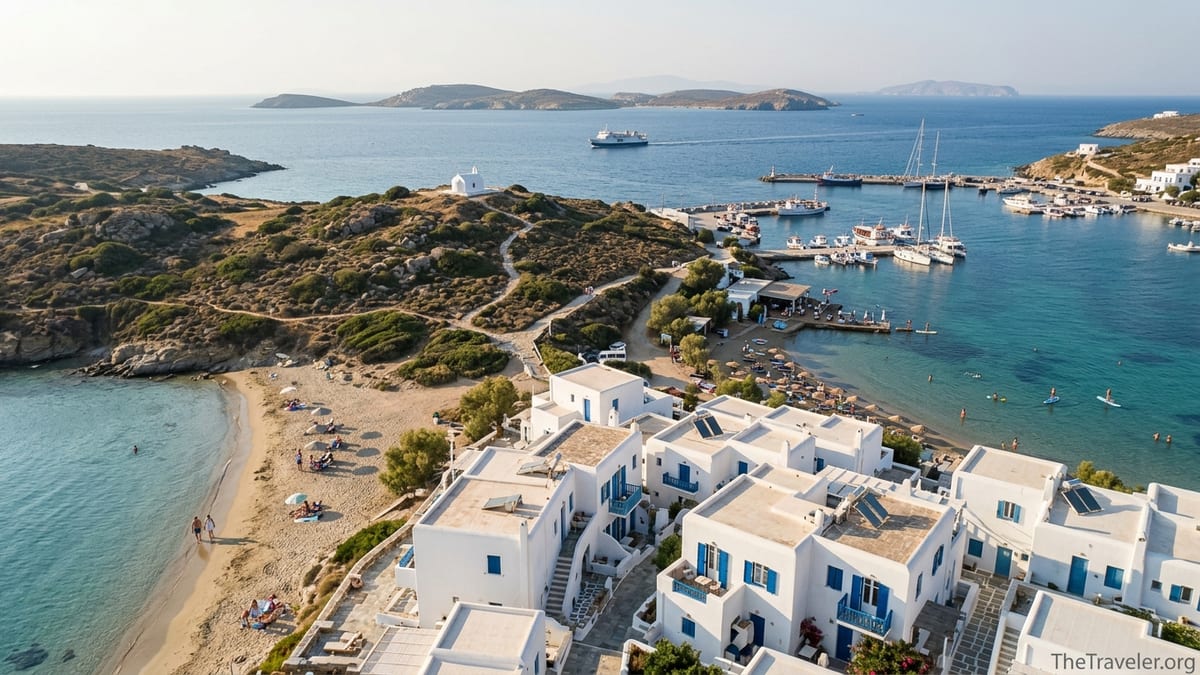
Start Here: A Quick Self‑Quiz to Narrow Your Island Match
Before you pick a name on the map, answer a few practical questions. What is your total budget per day, excluding flights? If you are comfortable spending 300 to 500 euros per couple per day on hotels, meals and going out, you can consider high‑profile islands like Santorini and Mykonos in peak summer. If your ideal range is closer to 150 to 250 euros per couple per day, look at larger or less‑hyped islands such as Crete, Naxos, Paros or Rhodes, where a good double room can often cost roughly half of a similar stay on Mykonos in July.
Next, think about your trip length and tolerance for ferries. With 5 to 7 days, it usually makes sense to focus on a single island with perhaps one side trip, such as combining Santorini with a boat excursion to Thirassia. With 10 to 14 days, you can realistically visit two or three islands that share a ferry line, for example a loop like Mykonos–Paros–Naxos or Santorini–Ios–Naxos. If long, potentially windy ferry crossings make you anxious, prioritize islands with direct flights from your home region or via Athens, like Crete, Rhodes, Corfu or Santorini.
Finally, be honest about why you are going. If your dream is late‑night beach parties and famous DJs, that points you to a different set of islands than a trip focused on hiking gorges, visiting Bronze Age ruins, or introducing small children to calm sandy bays. Keep your answers in mind as you read the sections below and you will quickly see two or three islands emerging as the best fit.
Best Islands for Budget and Easy Airport Access
If value for money is your top concern, skip the most famous names in July and August and look for islands with size, competition and direct flights. Crete stands out: as Greece’s largest island, it has two main airports, Heraklion and Chania, with seasonal flights from many European cities and frequent connections from Athens. Because of the island’s scale and wide hotel choice, you can often find modern double rooms in coastal towns like Chania or Rethymno at mid‑range prices, even in high season, while still having access to excellent tavernas and beaches.
Naxos is another strong value choice in the Cyclades. It has a small airport with flights from Athens and a busy ferry port, yet remains more affordable than Santorini or Mykonos. In Naxos Town and the beach areas of Agios Prokopios and Agia Anna, travelers regularly find family‑run studios with kitchenettes a short walk from the sand, which keeps food costs down. Many visitors combine Naxos with neighboring Paros, which has its own island airport and similar pricing, making the pair ideal for a one‑to‑two‑week island‑hopping trip that does not punish your wallet.
If you want charter and low‑cost airline connections from larger European hubs and resort pricing with lots of choice, consider Rhodes in the Dodecanese. Its international airport serves package holiday traffic and independent travelers alike, which means you can pick from simple rooms in Faliraki to more upscale beach resorts in areas such as Kallithea and Lindos. For North American travelers connecting via Athens, Rhodes is still a good value once you land, with plenty of mid‑range seaside hotels and local tavernas where grilled fish, salads and carafes of local wine remain more affordable than on the headline Cycladic islands.
Short Trip or First‑Timer: Islands That Deliver the “Postcard” Greece
For a first trip of 5 to 7 days, many travelers want the classic whitewashed villages, caldera views and dramatic sunsets that appear in every Greece brochure. Santorini is the obvious candidate. It has an international airport with seasonal direct flights from parts of Europe, dense hotel infrastructure carved into the cliffs of towns like Fira, Firostefani and Oia, and easy access to wine tours and boat trips into the volcanic caldera. Hotels with plunge pools and uninterrupted sunset views are among the most expensive in Greece in July and August, but shoulder‑season stays in late April, May, late September or October can be considerably more attainable.
If you like the idea of iconic Cycladic architecture but want a little more space and less intense pricing, Paros is a smart alternative. Arrive by ferry or via its small airport and base yourself in Naoussa or Parikia, where you will still find whitewashed lanes, waterfront tavernas and stylish boutique hotels, but with more approachable room rates and easier access to beaches. Many travelers visiting Greece for the first time create a loop such as Athens–Paros–Naxos or Athens–Santorini–Naxos, getting both the dramatic scenery and the softer, more relaxed side of island life.
Those who want a city‑meets‑island feel for a shorter break might also look at Syros. Its main town, Ermoupoli, is the capital of the Cyclades and has grand neoclassical buildings, a proper working harbor and year‑round life, yet the island also offers beaches reachable by bus or rental car. Syros is well connected by ferry to Piraeus and neighboring islands, which makes logistics simpler if you only have a week and prefer to avoid tight connections between domestic flights and ferries.
Nightlife and Party Islands: From Glamour to Budget Beats
If your top priority is nightlife, DJs and beach clubs, focus first on Mykonos and Ios, then on a handful of other islands with resort party strips. Mykonos has been the country’s flagship party island for decades and still attracts international DJs to clubs around Paradise and Super Paradise beaches as well as large day‑to‑night beach clubs on the south coast. In Mykonos Town, bars line the harborfront and the narrow alleys of Little Venice, and drink prices and cover charges reflect its status as a luxury destination with a strong LGBTQ+ scene and a high proportion of visitors staying in upscale hotels and villas.
Ios targets a younger and more budget‑conscious crowd. The nightlife is concentrated in Ios Chora and parts of Mylopotas Beach, where clusters of bars, small clubs and hostels create a dense social scene in July and August. Drinks and accommodation are typically cheaper than on Mykonos, and many travelers in their twenties choose Ios specifically to save money without giving up late‑night energy. At the same time, Ios has long sandy beaches such as Mylopotas and Manganari and quieter coves that balance out the party reputation for visitors who want to sleep or explore during the day.
Beyond these two, a string of resort areas on larger islands offer nightlife focused on single strips. Kavos on Corfu, Laganas on Zakynthos, Faliraki on Rhodes and Malia on Crete are known for concentrated bar streets with late‑night clubs, drink deals and a strong package‑tour presence. These areas suit travelers who want a week of inexpensive nights out and pool days, but they are not representative of the islands as a whole. On the same islands, you will also find quieter, more traditional towns and villages where nightlife means a late tavern dinner and a waterfront cocktail rather than sunrise at a club.
Beach Lovers and Swimmers: Where Sand and Sea Come First
If your perfect Greece trip is built around long days by the sea, focus on islands with wide sandy beaches, clear shallows and relatively light development behind the shore. Naxos is a standout, with a chain of beaches running south from Naxos Town. Agios Prokopios and Agia Anna have soft sand, shallow water and a mix of beach bars, umbrellas and quieter stretches suitable for couples and families. Farther south, Plaka becomes wilder and less built‑up, with small hotels and studios scattered just behind the dunes, giving easy sunrise and sunset walks along the sand.
In the Cyclades, Milos and Ios also reward beach‑focused travelers. Milos is known for its varied coast, from the lunar‑white rock formations of Sarakiniko, where visitors sun themselves on smooth stone and swim off small ladders, to more conventional sandy bays reached by car or boat. Ios offers several of the Aegean’s most appealing sandy beaches, including 1.5‑kilometer‑long Mylopotas, where you can rent paddleboards or simply swim in the clear water minutes from beach cafes, and more remote Manganari, which many visitors reach on a daily boat excursion or by rental vehicle.
If you prefer greener scenery and pine‑backed coves to the bare rock of the Cyclades, look at the Ionian and Sporades islands. Skiathos, for example, is famous for its tree‑lined beaches such as Koukounaries, where the forest runs almost to the sand and tavernas and beach bars sit just behind the shore. Corfu has a similar mix of pebble and sand bays framed by olive groves, especially around Paleokastritsa and the northeast coast. These islands appeal to travelers who like their beach days combined with boat rental, snorkeling in coves and drives through lush countryside.
History, Culture and Hiking: Islands for Active Explorers
Travelers who want more than beaches and bars should look closely at Crete and Rhodes, both of which combine substantial historical sites with strong hiking and local food scenes. On Crete, you can visit the archaeological site of Knossos near Heraklion to glimpse Minoan palaces, then drive into the mountains for gorge walks such as the famous Samaria Gorge, where a full‑day hike descends through a national park from the Omalos plateau down to the Libyan Sea. Less demanding options like Imbros Gorge offer shorter walks with dramatic scenery, while coastal towns like Chania make comfortable bases with Venetian harbors, old town lanes and plenty of tavernas serving Cretan specialties.
Rhodes layers history in a different way. Its medieval Old Town, encircled by fortifications, is one of the best‑preserved in Europe and now filled with guesthouses, cafes and shops inside old stone buildings. South along the coast, the whitewashed village of Lindos sits beneath an acropolis overlooking the sea, giving you the option to combine historical climbs with afternoon swims in the neighboring bays. Inland, Rhodes offers walking routes through pine forests and villages where tourism is present but not overwhelming, rewarding visitors who rent a car and venture beyond the main resort strips.
For hikers who want quieter paths and an island that feels more locally focused, consider Andros, Tinos, Amorgos or Sifnos in the Cyclades. These islands have extensive networks of marked trails linking villages, monasteries and small coves, with far fewer cruise‑ship visitors than Santorini or Mykonos. Many walkers structure their days around morning hikes followed by long lunches in village squares and swims in the late afternoon. Accommodation options range from simple rooms above tavernas to polished small hotels, and prices tend to be moderate compared with the marquee islands.
Family‑Friendly Islands: Calm Seas and Easy Logistics
Families with younger children usually do best on islands with safe, shallow beaches, short travel days and a relaxed, practical atmosphere. Naxos is a perennial favorite because of its long, gently shelving beaches, compact main town and abundance of family‑run studios with kitchenettes and small pools. Parents can shop for local fruit and snacks in town, cook simple meals and still be within strolling distance of seaside tavernas where kids are welcome to stay up late in the summer months. Ferry connections to nearby Paros and smaller islands make easy day trips without changing hotels.
Crete is also an excellent family island, particularly if you base yourself near Chania or Rethymno. Both towns have promenades, playgrounds and nearby sandy beaches with sunbeds and umbrellas, and you can take day trips to places like Elafonisi or Balos for more dramatic scenery if your children can handle longer excursions. Because of its size, Crete offers practical services such as larger supermarkets, pharmacies and hospitals, which can be reassuring for parents traveling with babies or toddlers.
For families who want resort convenience with a strong beach infrastructure, Rhodes and Kos in the Dodecanese offer a wide range of mid‑sized and larger hotels, many with pools, kids’ clubs and half‑board dining. These islands work well for multi‑generational trips where some relatives want to stay by the hotel pool while others take local buses or rental cars to explore historical sites and villages. The presence of international flights in summer also reduces the number of connections families have to make with luggage and strollers.
Romantic Getaways and Honeymoon Islands
For honeymoons and romantic escapes, the question is less “Which island is prettiest?” and more “What kind of romance are we looking for?” Santorini is the classic honeymoon choice, especially for couples who want private terraces, plunge pools and wine‑tasting tours. Towns like Oia, Imerovigli and Firostefani are packed with boutique hotels designed for couples, many with breakfast served on your balcony and staff who can arrange sunset catamaran cruises or private transfers to restaurants perched on the caldera edge. The trade‑off is cost and crowds, especially when multiple cruise ships are in port.
Couples who still want style and good dining but with more space might prefer Paros or Milos. In Paros, basing yourselves in Naoussa puts you near a harbor filled with restaurants and bars, with small hotels and rooms hidden in the alleys behind. Daytime can be spent on nearby beaches reachable by small boats or buses, and evenings strolling the waterfront. Milos, by contrast, feels sleepier and wilder, with boat trips taking you to remote coves and rock formations and villages like Pollonia offering just enough tavernas and low‑key bars for relaxed nights.
For a more low‑profile honeymoon with strong hiking and traditional villages balanced by small coves, islands such as Amorgos, Sifnos or Folegandros are appealing. These are better suited to couples who enjoy long walks, long meals and quiet evenings rather than high‑energy nightlife. Many honeymooners structure their Greek trip by starting with a few energetic days on an island like Mykonos or in Athens, then moving to a calmer island for the main part of their stay, giving them both excitement and retreat.
The Takeaway
There is no single “best” Greek island, only islands that align better or worse with how you like to travel. If your priority is value and varied landscapes, Crete, Naxos and Rhodes deserve a close look. If you want nightlife that runs until sunrise, focus on Mykonos, Ios and the party strips of Corfu, Zakynthos, Rhodes or Crete, always remembering that quieter corners exist on the same islands. For beaches first and foremost, Naxos, Ios, Milos, Skiathos and parts of Corfu are especially rewarding.
First‑time visitors with a week might lean toward Santorini combined with a nearby island such as Naxos or Paros to balance drama with relaxation. Families often do best on larger, practical islands like Crete, Naxos, Rhodes or Kos, while honeymooners can choose between the iconic scenery of Santorini and more discreet romance on Paros, Milos, Amorgos or Sifnos. Start with your budget, travel dates and tolerance for ferries, then let those answers steer you to the islands that truly fit your style instead of chasing names that may not match what you enjoy.
FAQ
Q1. Which Greek island is best if I can only visit one on my first trip?
Santorini is the most iconic first‑timer choice for its caldera views and sunsets, but if you value beaches and budget more, Naxos or Crete may be a better all‑round single‑island base.
Q2. What is the best Greek island for nightlife in my twenties on a budget?
Ios is often the top pick for younger travelers who want intense nightlife without Mykonos prices, thanks to its cluster of bars and hostels in Chora and around Mylopotas Beach.
Q3. Which island should I choose for hiking and outdoor activities?
Crete is the strongest all‑round choice, with famous gorge hikes such as Samaria and Imbros, mountain villages, coastal trails and enough size to keep you busy for weeks.
Q4. What Greek island is best for families with small children?
Naxos is ideal for young families because of its shallow sandy beaches near town, relaxed atmosphere and abundance of family‑run studios, with Crete and Rhodes also excellent options.
Q5. Where should I go for a honeymoon in Greece?
Santorini remains the classic honeymoon choice for cliff‑side suites and wine tours, while Paros, Milos, Amorgos and Sifnos appeal to couples wanting more space and quieter romance.
Q6. Which islands are easiest to reach without long ferries?
Santorini, Mykonos, Rhodes, Crete, Corfu, Kos, Skiathos and some others have their own airports with seasonal international flights and frequent connections via Athens, reducing ferry time.
Q7. What is the best Greek island for beautiful but less crowded beaches?
Milos, Amorgos, Sifnos and parts of Andros and Tinos offer striking coastlines and quieter beaches than Santorini or Mykonos, especially outside peak August dates.
Q8. Can I combine several islands in a 10‑day trip?
Yes, a 10‑day itinerary can comfortably include two or three islands on the same ferry line, such as Paros–Naxos–Ios or Mykonos–Paros–Naxos, as long as you avoid too many one‑night stays.
Q9. Which islands are best if I want history and culture as well as beaches?
Crete and Rhodes are top choices, mixing major archaeological and medieval sites with good beaches, while smaller islands like Naxos and Syros add traditional villages and local festivals.
Q10. When is the best time to visit the Greek islands to avoid crowds?
Late April to early June and late September to October usually bring warm weather and swimmable seas with fewer visitors and lower prices than the peak July and August period.