


Just across the bay from central Naples, the small coastal village of Baia hides one of Italy’s most unusual archaeological experiences: a Roman resort town that now lies mostly underwater. For travelers planning a few days in Naples, the question is natural: is Baia worth carving out precious time between Pompeii, the Amalfi Coast, and the city’s own museums and pizzerias? The answer depends on your interests, the season, and how much effort you are willing to invest in logistics and planning. This guide looks at what Baia offers today, how to get there, costs, and safety considerations so you can decide if it deserves a place in your Naples itinerary.
Get the latest updates straight to your inbox!
What Makes Baia Special Compared With Other Sites Around Naples
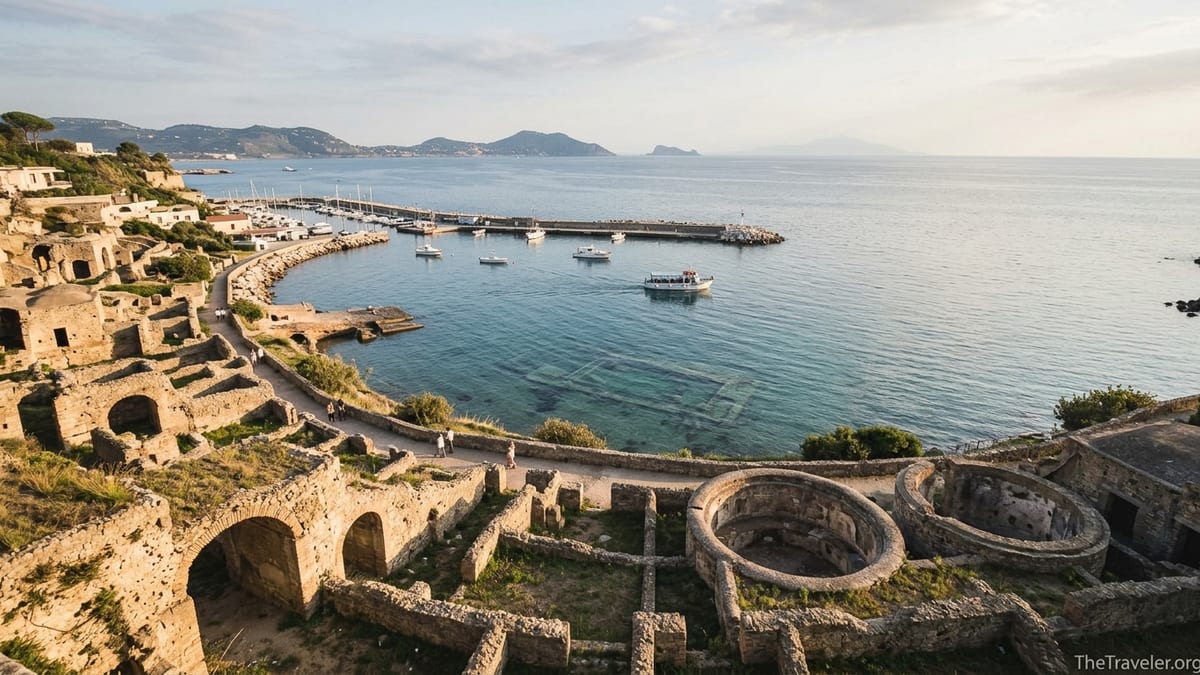
Baia was the Las Vegas and Riviera combined for the Roman elite, a resort of extravagant villas, bath complexes, and pleasure gardens built along a volcanic coastline. Unlike Pompeii, which was buried by ash, Baia slowly sank over centuries due to bradyseism, the gradual rising and falling of the ground caused by volcanic activity in the Campi Flegrei area. Today, a significant part of the ancient town lies 5 to 10 meters below sea level, preserved as an underwater archaeological park. Divers can swim among mosaic floors and marble columns, while non-divers can observe the ruins through glass-bottom boats and guided snorkeling.
This combination of classical archaeology and underwater landscape sets Baia apart from better-known sites like Pompeii, Herculaneum, and Paestum. At Pompeii you walk ancient streets; in Baia you look down through clear water at dining rooms, courtyards, and statues now inhabited by fish and sea grass. For history enthusiasts who have already explored more traditional ruins, Baia offers a fresh perspective on Roman life, including the engineering of thermal baths and sea villas designed to take advantage of natural hot springs.
On land, the Baia Archaeological Park preserves the monumental remains of the Roman spa complex. Terraces, massive domes, and pools climb the hillside above the modern marina. From the top terraces you get wide views of the Bay of Naples, with Capri’s silhouette on clear days. This scenic element makes Baia feel less like a dusty ruin and more like a coastal outing. Travelers who value views and atmosphere in addition to history may find Baia particularly appealing.
Another advantage is scale. While Pompeii can feel overwhelming and crowded, Baia is compact and typically sees lighter visitor numbers. You can comfortably explore the hilltop archaeological park in two to three hours and add a boat or snorkel trip over the underwater ruins, all in a single relaxed day away from central Naples. For visitors who dislike jostling with large tour groups, Baia can feel like a quieter, more intimate window into Roman history.
What You Can Actually See and Do in Baia Today
In practice, most visitors combine two main experiences: the hilltop Baia Archaeological Park and some form of visit to the Underwater Archaeological Park. The hilltop complex, managed as part of the Parco Archeologico dei Campi Flegrei, includes large bath structures often called “temples” (such as the so-called Temple of Diana and Temple of Mercury), though they were likely monumental thermal halls rather than religious buildings. You walk along terraced paths, peer into vaulted rooms, and see the remains of hot and cold pools that once used naturally heated water rising from the volcanic ground.
Entry to the land site is typically via a combined Campi Flegrei ticket that also covers other nearby attractions such as the Flavian Amphitheater in Pozzuoli or the Cuma archaeological area. Prices have generally been modest compared with major sites like Pompeii, but can change, so most travelers check current rates at the official Campi Flegrei archaeological park website or local tourist information offices in Naples. Recent visitors report paying roughly the cost of a simple pizza and drink in central Naples for a full day’s access to several sites, which makes Baia a good value if you plan to explore more of the Phlegraean Fields.
The star attraction, though, is the submerged city. The Underwater Archaeological Park of Baia is a protected marine area covering several zones of ruins just off the modern coastline. For certified scuba divers, local dive centers based in Baia, Pozzuoli, and sometimes Naples itself run boat trips with one or two guided dives over sites such as the so-called Villa a Protiro, with geometric mosaics, and the Portus Julius area. Typical dive excursions last half a day and are often priced similarly to recreational dives elsewhere in Italy, though underwater archaeology and park permits may add a modest premium.
Non-divers are not excluded. Several operators run glass-bottom boat tours or boats with underwater viewing windows. A common option is a one-hour sightseeing boat that leaves from the small port in Baia and passes slowly over the main ruins while a guide describes the villas and bath complexes beneath you. Prices reported by recent travelers are usually comparable to a mid-range museum ticket in Europe, making it an accessible choice for families or those who do not want to get wet. In summer, guided snorkeling trips are another option: participants wear life vests and masks while a guide leads them slowly above selected ruins, often using floating boards with viewing windows.
How to Get from Naples to Baia and How Long It Really Takes
Although Baia looks close on the map, planning the journey carefully is important if you only have a few days in Naples. By car, the drive from central Naples to Baia typically takes 40 to 60 minutes in normal traffic, following coastal or ring-road routes through Bagnoli and Pozzuoli to Bacoli, the municipality that includes Baia. However, congestion at rush hour or during summer weekends can extend this to well over an hour. Parking near the Baia marina and archaeological park is limited and often paid, so if you rent a car, factor in extra time to circle for a space or to walk from a more distant lot.
By public transport, options have evolved in recent years. Historically, many travelers used the Cumana suburban rail line from Naples Montesanto station toward Torregaveta, then got off at stations such as Lucrino or Fusaro and walked or took a local bus or taxi to Baia. The line has undergone upgrades and temporary closures linked to infrastructure issues, with new sections opened and some older stretches bypassed. Current timetables and exact stops can change, so it is wise to check a recent schedule on-site or ask at Naples Montesanto station ticket offices before relying on a specific station near Baia.
In general, you can expect the train ride from Naples to the Campi Flegrei area to take around 30 to 40 minutes, followed by a short bus or taxi ride to Baia itself. Buses linking Pozzuoli, Bacoli, and Baia operate, but frequency may be lower on Sundays and holidays, and tickets are usually purchased at tabacchi shops or kiosks. Given all this, most visitors who want a smooth day out either budget generous transfer time or opt for a small-group tour that includes transportation from Naples, especially if they plan a fixed-time snorkel or boat departure.
For those combining Baia with other sites in the same day, such as the Flavian Amphitheater in Pozzuoli or the Cuma archaeological park, a rental car or private driver can be efficient, allowing you to move between dispersed sites without decoding bus schedules. A realistic full-day loop from central Naples might look like: depart around 8:30, visit Cuma in the morning, lunch on the waterfront in Baia or nearby Bacoli, explore the Baia Archaeological Park in the afternoon, and end with a stroll in Pozzuoli before returning to Naples for dinner.
Seasonality, Crowds, and Weather: When Baia Is Most Enjoyable
Because much of Baia’s appeal involves being outdoors or on the water, timing your visit can make the difference between a memorable day and a frustrating one. In high summer, typically from late June through August, the Campi Flegrei coastline fills with Neapolitans heading to the beach clubs at Miseno, Miliscola, and Bacoli. Temperatures can climb into the 30s Celsius (mid-80s to 90s Fahrenheit), and the stone terraces of the Baia ruins offer little shade. Boat tours and snorkel trips run frequently, but may be fully booked on weekends; securing a place a few days ahead is advisable.
Spring and autumn are often the sweet spots. In April, May, late September, and October, the weather is usually warm enough to be pleasant on a boat or terrace without intense heat, and water temperatures can still be acceptable for wetsuit diving or snorkeling. Visibility underwater can vary: divers on recent trips have reported cooler water and modest visibility in early spring or autumn, but still considered the ruins worth the trip because of the mosaics and architectural details. On land, shoulder season visits mean fewer people and an easier time taking photographs without large crowds.
Winter visits are possible, especially to the hilltop archaeological park and the nearby Archaeological Museum of the Campi Flegrei in the Aragonese Castle of Baia, which houses artifacts from across the region. Opening hours and access to some outdoor areas may be more restricted in winter, and boat services over the underwater ruins may reduce frequency or pause during periods of rough weather. If you are traveling between November and March and especially if your dates are inflexible, check close to your travel date with local operators or tourist information desks in Naples to confirm what is running.
Another factor is daylight. The Baia archaeological terraces are at their most beautiful in late afternoon light, when the sun sinks over the Campi Flegrei and colors the bay with gold and soft pinks. In summer, you can plan a late-afternoon visit after a morning at sea; in winter, early sunsets shorten your window, so starting earlier in the day becomes important. Keep an eye on last-entry times at the archaeological park, which are often tied to sunset and can shift by season.
Safety, Volcanic Risk, and Practical Considerations
Baia and the wider Campi Flegrei area sit within an active volcanic caldera that has experienced episodes of uplift and seismic swarms over the past decades. Italian civil protection authorities monitor the region closely and publish risk maps and evacuation plans, particularly for municipalities such as Pozzuoli and Bacoli. In recent years, scientific studies have discussed accelerating ground uplift and the possibility of a critical transition in the coming decade, though there is no consensus on if or when a significant eruption might occur. For visitors, the key point is that any major change in risk level would be accompanied by clear communication from local authorities, including potential temporary closures of archaeological sites.
In everyday terms, travelers typically perceive Baia like any other Italian coastal town: you may occasionally feel minor tremors or see news about bradyseism, but daily life continues, with locals commuting, children walking to school, and tourists enjoying cafes and boat trips. If you are particularly concerned, you can review the latest guidance from Italy’s Civil Protection Department or ask at your hotel in Naples for current advice. Many tour companies and local guides keep a close eye on official bulletins and would cancel or reroute itineraries if conditions required.
More routine safety considerations are similar to those elsewhere in the Naples area. In the archaeological park, paths can be uneven, with steep steps and limited railings. Sturdy shoes with good grip are strongly recommended; flimsy sandals can make some sections uncomfortable or risky. In summer, bring water, a hat, and sunscreen, as shade is limited. For boat and snorkel trips, follow the crew’s instructions carefully, especially about staying seated during maneuvers, keeping cameras and phones secure, and respecting protected areas where touching the ruins is prohibited.
For diving, certified dive centers typically require proof of certification, recent diving experience, and a medical questionnaire. Water temperatures and currents can vary, so it is worth asking operators what exposure protection they recommend for the month of your visit. Because the underwater park is a protected area, dives tend to be shallow and slow, focused on careful observation rather than technical challenges, which can make them suitable for intermediate-level recreational divers who are comfortable with boats and limited visibility.
Is Baia Worth It for Your Specific Kind of Trip?
Whether Baia is “worth it” depends strongly on what you value on a trip to Naples. If your time in the region is limited to two or three days, many travelers prioritize iconic destinations such as Pompeii, Herculaneum, and perhaps a quick look at the Amalfi Coast or Capri. In such cases, adding Baia may feel like stretching yourself thin, especially if you rely on public transport and are not comfortable piecing together suburban train and bus connections. For a short city break focused on food, urban neighborhoods, and a single major ruin, Baia may be better saved for a future visit.
On the other hand, if you have four or more full days in Naples and enjoy archaeology, Baia becomes far more compelling. A traveler who already plans to see Pompeii could dedicate another day to the Campi Flegrei: start at the Flavian Amphitheater in Pozzuoli, continue to Baia’s underwater park by glass-bottom boat or snorkel, roam the hilltop thermal ruins, then perhaps end at the Archaeological Museum of the Campi Flegrei in the castle above Baia. You will return to Naples with a more rounded understanding of how ancient Romans used and shaped this volcanic landscape.
Baia is especially rewarding for divers and underwater photography enthusiasts. Few places combine relatively easy Mediterranean diving with intact mosaics, walls, and statues visible under natural light. Even with variable visibility, the feeling of hovering above a Roman courtyard or mosaic corridor is hard to match. Travelers who already budget for dive days in destinations like the Aeolian Islands or Sardinia often consider Baia a must-do when passing through Naples.
Families with older children interested in history may also find Baia engaging. The combination of boats, ruins, and sea views can hold attention better than a full day of walking through endless stone streets. A typical family day might pair a short glass-bottom boat ride with gelato on the Baia waterfront and a brief exploration of the hillside ruins, allowing for breaks and shade as needed. Parents traveling with strollers or very young children, however, should be aware that the archaeological park has many steps and uneven surfaces, which makes carriers more practical than prams.
The Takeaway
Baia is not as instantly recognizable as Pompeii or Capri, but for travelers who are curious about Roman history and coastal landscapes, it can be one of the most memorable day trips from Naples. Its mix of thermal baths clinging to a hillside and submerged villas lying just below the waves offers a layered perspective on how humans have lived with the volcanic forces that shape the Bay of Naples. The site’s relative quiet compared with more famous attractions can feel like a welcome pause in a busy itinerary.
Deciding if it is worth visiting comes down to your priorities and logistics. With at least four days in the region, a strong interest in archaeology, or a desire to dive or snorkel among ruins, Baia is easy to recommend. If your schedule is tight and you are focused on a checklist of highlights, the time and planning required may make other excursions more practical. Either way, knowing what Baia offers and how it fits into the broader Campi Flegrei landscape will help you design a Naples trip that reflects your own travel style.
For those who do choose to go, approach Baia not as a quick detour but as a distinct experience: start early, wear good shoes, book water-based activities in advance during peak season, and allow yourself time to simply stand on the terraces and look out over a coastline that has been rising and sinking for millennia. When framed that way, Baia often proves not only worth visiting, but also one of the most evocative chapters in a journey through southern Italy.
FAQ
Q1. How long do I need to visit Baia properly?
You can see the main hilltop archaeological park in about two to three hours. If you add a glass-bottom boat or snorkel trip over the underwater ruins and perhaps a leisurely lunch on the waterfront, plan for a full day from Naples, especially when using public transport.
Q2. Is Baia a good alternative to Pompeii if I only have time for one site?
Baia is fascinating but very different from Pompeii. If you have never visited the region before and must choose one, most travelers still prioritize Pompeii because of its size and variety. Baia works best as a complement, offering a more intimate and unusual look at Roman life and coastal engineering.
Q3. Do I need to be a certified diver to enjoy the underwater ruins?
No. While certified divers can explore the submerged villas more closely, non-divers have several options, including glass-bottom boats, boats with underwater viewing windows, and guided snorkeling in summer. These experiences still provide clear views of mosaics and walls beneath the surface.
Q4. How much should I budget for a day trip to Baia from Naples?
Budgets vary, but a typical day using public transport, entry to the archaeological park, and a basic glass-bottom boat tour might cost the equivalent of a modest dinner for two in Naples. Adding a guided dive or private transport increases costs, so divers and groups often plan Baia as a special experience day in their itinerary.
Q5. Is it safe to visit Baia given the Campi Flegrei volcanic activity?
The area is closely monitored by Italian authorities, and everyday life continues normally in Baia and nearby towns. If risk levels were to change significantly, local agencies would issue clear guidance and could temporarily close sites. Checking recent information before your trip and following local advice is sensible, but for now Baia remains a functioning community and tourist destination.
Q6. Can I combine Baia with other nearby sites in one day?
Yes. Many travelers pair Baia with the Flavian Amphitheater in Pozzuoli or the Cuma archaeological park. With a car or private driver, it is realistic to visit two or even three sites in the Campi Flegrei in a single day. Using public transport, it is wiser to focus on one or two to avoid rushing and missed connections.
Q7. Is Baia suitable for travelers with limited mobility?
The Baia Archaeological Park is built on a steep hillside with many steps, uneven paths, and limited handrails, which can be challenging for visitors with mobility issues. However, glass-bottom boat tours over the underwater ruins may be more accessible, depending on the boat design and boarding arrangements. It is best to contact operators in advance to discuss specific needs.
Q8. Do I need to book Baia tours in advance?
For the hilltop ruins, many visitors simply buy entry on arrival, although opening hours can change and occasionally sites close for inspections. For boat, snorkel, or dive trips over the underwater park, advance booking is strongly recommended in high season or on weekends, as seats are limited and departures tied to tides and conditions.
Q9. What should I wear and bring for a visit to Baia?
Wear sturdy walking shoes, as the archaeological park paths are uneven, and bring a hat, sunscreen, and water, particularly in summer. For boat or snorkeling excursions, pack swimwear, a light towel, and perhaps a windproof layer, since it can feel cooler on the water even on warm days.
Q10. Is Baia worth it if I am not especially into archaeology?
If archaeology is not a major interest, Baia may still appeal for its sea views, relaxed atmosphere, and unusual underwater scenery, especially when experienced from a boat. However, if you mainly seek beaches, nightlife, or shopping, you might find destinations like the Amalfi Coast, Capri, or the Naples waterfront a better match for your tastes.