

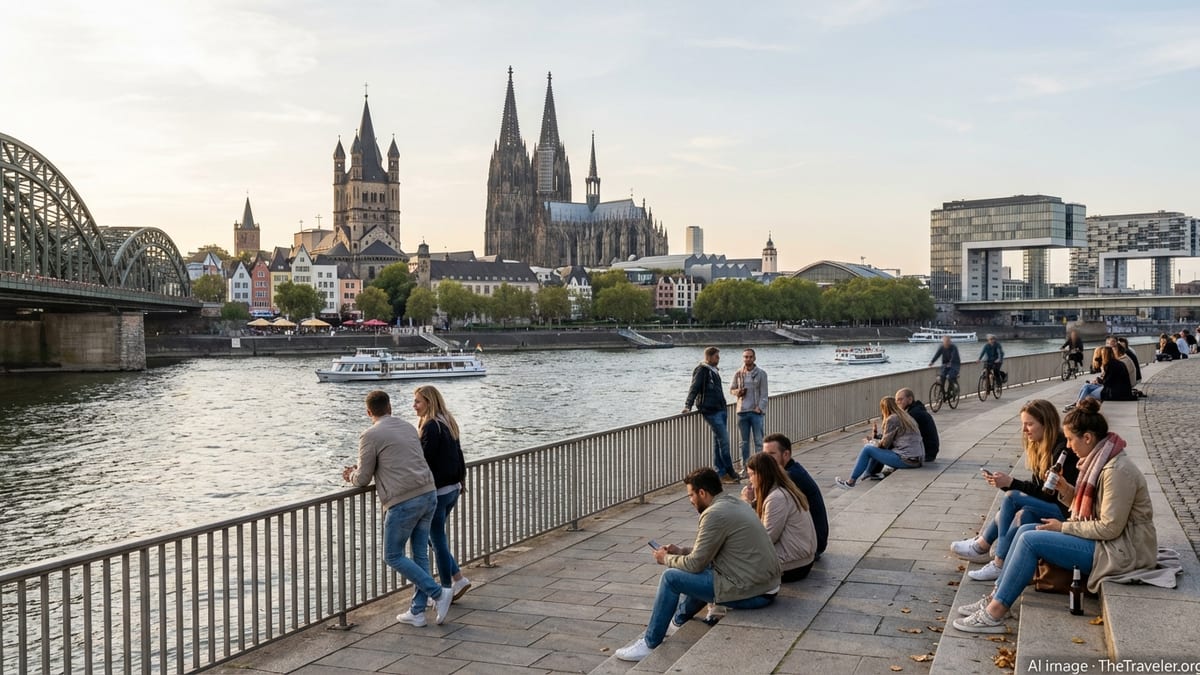
Cologne is one of Germany’s most characterful cities, a place where Gothic spires and Roman ruins coexist with riverside bars, street art, and some of the country’s liveliest nightlife. Visitors often arrive for a quick Rhine stopover or Christmas market weekend, but the city rewards a deeper look. This guide focuses on the best things to do in Cologne right now, what truly deserves your time, and what many travelers can confidently skip, based on current information and trends.
Classic Cologne Highlights You Should Not Miss
Some sights in Cologne are truly unskippable, whether you are in town for one day or a long weekend. These landmarks define the city and offer a strong sense of its history, architecture, and riverfront setting. Knowing where attractions are located helps when choosing among the best hotels in Cologne. Start here if it is your first visit.
Cologne Cathedral (Kölner Dom)
The twin spires of Cologne Cathedral dominate the skyline and anchor almost every visit. Recognized as a UNESCO World Heritage Site and one of Germany’s most visited attractions, the cathedral is both a Gothic masterpiece and a symbol of the city’s resilience. Construction began in the 13th century and was only completed in the 19th century, resulting in a remarkably unified Gothic style.
Inside, the soaring nave, stained glass, and the Shrine of the Three Kings are standout features. Climbing the tower rewards you with one of the best views over the Rhine and the city’s bridges, though the narrow spiral staircase can feel crowded at busy times. Early morning or late afternoon tends to be quieter. Security checks are currently in place, so allow a bit of extra time to enter.
Old Town and the Rhine Promenade
Much of Cologne’s Altstadt was rebuilt after World War II, yet this riverfront quarter still offers an atmospheric mix of gabled houses, beer halls, and churches. It is the most obvious place for a first wander, especially around the squares of Alter Markt and Heumarkt, which often host seasonal events and markets.
The Rhine promenade, stretching along the river from near the cathedral toward the Rheinauhafen district, is ideal for walking, jogging, or just people-watching. River cruise boats depart here as well, giving you a perspective on Cologne’s skyline, bridges, and modern harborfront architecture in a compact sightseeing loop.
Cologne’s Romanesque Churches
Beyond the famous cathedral, Cologne is known for a remarkable ring of Romanesque churches that predate Gothic architecture in the city. Great St. Martin Church is the most iconic, its massive tower rising above the Old Town rooftops near the river. Other notable churches include St. Gereon, with its unusual decagonal dome, and St. Maria im Kapitol, built on the site of a Roman temple.
Visiting one or two of these churches balances the often crowded cathedral with calmer interiors and gives a sense of how long Cologne has been a religious and commercial center. They are usually free to enter, making them easy stops as you explore the inner city on foot. Some sights are best experienced through well-chosen Cologne tours.
Best Neighborhoods and Local Atmosphere
Cologne is more than its central sights. To understand how people live here today, it is worth venturing into a few key neighborhoods known for nightlife, street art, and café culture. Public transport is efficient, but many of these areas are walkable or a short tram ride from the center. If you are unsure what to prioritize, this review of Cologne worth visiting provides context.
Belgian Quarter
Just west of the city center, the Belgian Quarter has become one of Cologne’s trendiest districts. Streets named after Belgian cities are lined with independent boutiques, design shops, and cafés. During the day it is a relaxed area for coffee, browsing, and discovering local fashion labels.
In the evening, bars and small restaurants fill with locals, students, and creative professionals. The atmosphere is casual and sociable rather than flashy. This is one of the best neighborhoods if you want to see how Cologne residents actually spend their nights rather than staying in the more touristy Old Town.
Ehrenfeld
Ehrenfeld, northwest of the center, has transformed from an industrial district into one of the key creative hubs of Cologne. It is known for large-scale street art, former factory sites repurposed into clubs and studios, and a multicultural restaurant scene.
Street art walking tours often highlight Ehrenfeld as one of the most interesting outdoor galleries in the city. Even without a guide, strolling along main streets and back alleys reveals colorful facades, murals, and small galleries. The neighborhood’s venues also host concerts, DJ nights, and cultural festivals throughout the year, making it appealing for travelers who prioritize nightlife and live music.
Rheinauhafen and the Modern Waterfront
South of the old town, the Rheinauhafen district showcases a completely different side of Cologne. Once an industrial harbor, it has been redeveloped into a sleek waterfront quarter filled with offices, apartments, and a striking trio of crane-shaped buildings known as the Kranhäuser.
This area is ideal for a late-afternoon walk when the light over the Rhine is at its best. Cafés and restaurants along the riverfront offer outdoor seating in good weather. While it lacks the patina and charm of the Old Town, Rheinauhafen appeals to those interested in contemporary architecture and urban redevelopment.
Museums and Cultural Highlights Worth Your Time
Cologne has an unusually dense museum scene for its size, ranging from world-class art collections to specialty museums focused on chocolate and fragrance. It is not realistic to see everything in a short stay, so it helps to prioritize. The following institutions are currently among the most worthwhile, especially if you enjoy history, art, or design.
Museum Ludwig
Museum Ludwig, next to the cathedral and main train station, is one of Germany’s leading institutions for modern and contemporary art. It has a particularly strong focus on pop art, including major works by Andy Warhol and Roy Lichtenstein, as well as significant collections of German Expressionism and Russian avant-garde pieces.
Temporary exhibitions frequently spotlight international artists and new media. The building’s terraces and windows also frame distinctive views of the cathedral. For art lovers, this is arguably the city’s must-see museum, and it pairs well with a visit to the nearby Roman-Germanic Museum site or a walk along the river.
Chocolate Museum (Schokoladenmuseum)
The Chocolate Museum, set directly on a small peninsula on the Rhine, remains one of Cologne’s most popular attractions. It combines the history of chocolate with exhibits on cocoa cultivation, industrial production, and fair-trade issues. A tropical greenhouse allows visitors to see cocoa plants in a controlled environment reflective of their natural climate.
The highlight for many is the working production line and a large, gleaming chocolate fountain where staff offer samples. Families, casual travelers, and anyone with a sweet tooth find this museum especially appealing. Weekends and school holidays can be busy, so consider visiting on a weekday morning to avoid queues.
Farina Fragrance Museum
Cologne gave its name to Eau de Cologne, and the Farina Fragrance Museum explores that heritage in the original perfumery associated with Johann Maria Farina. Guided tours lead through historic rooms that explain how the first modern perfume was created and distributed across Europe, attracting aristocratic and celebrity clientele.
Group sizes are limited and advance reservations are recommended in peak season or around Christmas market time. The small bottle of fragrance often included with tours makes for a compact, locally rooted souvenir. This experience is particularly worthwhile if you are interested in history, branding, or the cultural side of scent.
Kölnisches Stadtmuseum (Cologne City Museum)
The Kölnisches Stadtmuseum is dedicated to the history of Cologne, from the Middle Ages to the present. After years of limited operation due to water damage at its previous home, it reopened in March 2024 in a converted former fashion house near the city center. The new location features a modern, accessible design and a permanent exhibition structured around cross-era themes and emotions rather than a strict chronological timeline.
Visitors encounter artifacts ranging from medieval city seals and historic documents to everyday objects, textiles, and contemporary memorabilia. Multimedia and augmented reality components help compress 1,200 years of history into digestible narratives, including an overview often described as “Cologne in 30 minutes.” For travelers interested in context, this museum explains how Cologne became the city you see today.
Roman-Germanic Museum and Archaeological Sites
Cologne sits atop an extensive layer of Roman history, and the Roman-Germanic Museum has long been the primary showcase for this past. As of the mid-2020s, its main building has undergone significant renovation and relocation planning, so visitors should check locally for the current exhibition status. Even when the full permanent collection is not on display, key pieces are generally viewable in temporary spaces.
Beyond the museum, remnants of the Roman city such as the Praetorium and sections of the town wall appear across the center. The archaeological zone around the City Hall and Maria im Kapitol highlights how Roman, medieval, and modern layers intertwine. If your time is short, prioritizing an on-site Roman ruin or a concise exhibition over a full deep dive can still provide a strong sense of Cologne’s ancient roots.
Experiencing Cologne’s Events, Beer, and Nightlife
Cologne’s reputation rests not only on architecture but also on its sociable culture. The city’s calendar is filled with festivals, and its brewery pubs and bars make it easy to strike up conversations with locals. Depending on the time of year, your experience can be shaped as much by events as by museums.
Cologne Carnival (Kölner Karneval)
Cologne Carnival is one of Europe’s biggest and most elaborate street festivals, centered on the period between the Thursday before Lent and Ash Wednesday. The carnival season officially begins at 11:11 a.m. on November 11 but intensifies in late winter as parades, costume balls, and street parties take over the city.
The highlight is Rose Monday, when a massive parade draws crowds estimated in the seven figures. Costumes, satirical floats, marching bands, and candy thrown from wagons create a chaotic, exuberant atmosphere. Lodging prices rise and availability shrinks during this period, so planning months in advance is essential if you hope to attend. For many visitors, Carnival is an unforgettable experience, but it can be overwhelming if you prefer quieter city breaks.
Christmas Markets and Winter Atmosphere
In late November and December, Cologne hosts a series of themed Christmas markets spread across the city. The largest and most famous cluster near the cathedral combines wooden stalls, food stands, and a large Christmas tree backdrop with views of the Gothic towers. Other popular markets include the Old Town market, a harbor-themed market near the Chocolate Museum, and more intimate neighborhood events.
The markets are busy in the evenings and on weekends, yet the atmosphere remains festive rather than frantic if you plan your visits earlier in the day. Hot mulled wine, Reibekuchen (potato pancakes), roasted nuts, and regional handicrafts are common. While the Christmas markets are highly commercialized, they are still among the best reasons to visit Cologne in winter, especially when combined with museum visits and cozy brewery evenings.
Kölsch Breweries and Brauhaus Culture
Kölsch, the light, top-fermented beer served in slender glasses, is one of Cologne’s most recognizable culinary trademarks. Traditional breweries and brauhaus restaurants across the city specialize in this regional style and serve classic dishes such as Himmel un Äd (mashed potatoes with apple sauce and blood sausage) and marinated beef called Rheinischer Sauerbraten.
In many brauhaus venues, servers known as Köbes circulate with circular trays of filled glasses, replacing your drink automatically until you place a coaster on top to signal that you are finished. This ritual, along with shared tables, encourages conversation and makes an evening out feel like a cultural experience rather than just a meal. Reserving a table is advised on weekends and during major events.
Nightlife and Live Music
Beyond breweries, Cologne offers a diverse nightlife that includes cocktail bars, student pubs, LGBTQIA+ venues, and live music clubs. Areas like the Belgian Quarter, Ehrenfeld, and parts of the Old Town draw different crowds depending on taste and budget. The city also hosts regular concerts and cultural performances that range from classical music in historic settings to underground techno parties in converted industrial spaces.
If you are visiting on a weekend, checking local event listings or venue schedules can lead you to everything from jazz nights to open-air parties when the weather is warm. Compared with Berlin, Cologne’s nightlife can feel more compact and sociable, making it easier for visitors to integrate into the scene.
Relaxing, Riverfront, and Family-Friendly Activities
Not every Cologne experience needs to be intense or crowded. The city offers several ways to slow down, enjoy green spaces, and entertain children or multigenerational groups without sacrificing the feeling of being somewhere distinctly local.
Rhine River Cruises and Walks
Short river cruises provide a relaxed overview of Cologne’s skyline, bridges, and riverside districts. Most sightseeing boats operate from spring through autumn, with some special cruises at Christmas and during events. A basic one-hour loop is usually enough for first-time visitors and offers commentary in multiple languages.
Alternatively, a simple walk or bike ride along the Rhine path can be just as satisfying, particularly around sunset. Crossing the Hohenzollern Bridge with its array of love locks takes you to the opposite riverbank, where the Rhine Boulevard terraces in Deutz offer some of the best views back toward the cathedral.
Cologne Cable Car (Rheinseilbahn)
The Cologne Cable Car operates seasonally, typically from April through October, carrying small cabins over the Rhine near the Zoo Bridge. The ride takes only a few minutes but provides a unique vantage over the river, Rheinpark, the zoo, and the city beyond. It is especially popular with families and couples.
Schedules can be influenced by maintenance, special events, or weather, so check locally for current operating hours. Combining a cable car ride with a walk through Rheinpark and a visit to the botanical gardens or zoo creates a relaxing half-day away from the busiest parts of the center.
Parks, Botanical Garden, and Claudius Therme
Cologne’s green spaces often surprise visitors who expect primarily urban scenery. Rheinpark, on the right bank of the Rhine, is a broad riverside park ideal for picnics, jogging, and playground time. Farther north, the Flora and Botanical Garden feature glasshouses and landscaped gardens with a wide range of plant species, offering a calm break from sightseeing.
For deeper relaxation, Claudius Therme, a spa complex near Rheinpark, combines thermal pools, saunas, and wellness treatments. Like many German spas, there are strict rules about bathing areas and sauna etiquette, including limited or no swimsuit use in certain zones. Visitors who embrace these norms often find the experience a highlight of their trip, particularly in cold weather.
Family-Focused Attractions: Zoo and Chocolate Museum Combo
Families often pair a visit to Cologne Zoo with the nearby botanical garden and the cable car. The zoo is one of Germany’s oldest and houses a broad variety of species, with exhibits updated over the years to meet modern standards. Children’s areas, feeding demonstrations, and educational signage make it engaging for younger travelers.
The Chocolate Museum, with its hands-on exhibits and tastings, complements this nicely. Both attractions are accessible via public transport, and combining them makes for a full day that balances learning, entertainment, and outdoor time along the river.
Smart Planning: Passes, Logistics, and Timing
Cologne is compact, but a bit of planning helps you save time and money, especially if you intend to visit several museums or are traveling during peak periods. Understanding how to move around and when to prioritize certain attractions makes the city far more enjoyable. Visitors short on time often compare Cologne vs Düsseldorf before finalizing plans.
KölnCard and Public Transport
The KölnCard provides unlimited use of public transport within the city and discounts on a range of attractions, guided tours, and cultural offerings. It is available in 24 and 48 hour versions and can be useful if you plan a museum-heavy itinerary or expect to travel frequently between districts like Deutz, Ehrenfeld, and the Belgian Quarter.
Trams, buses, and suburban trains are generally reliable and easy to navigate, with clear signage and frequent service on most central routes. Many top attractions lie within walking distance of the main station, but the card becomes more valuable if weather is poor or you want to explore widely.
Best Times of Year to Visit
Cologne is a year-round destination, but the feel of the city shifts significantly with the seasons. Spring and early autumn bring mild temperatures and fewer crowds, making them excellent for first-time visits focused on museums, walking, and neighborhood exploration.
Winter, outside of Carnival and Christmas markets, can be cold and gray, yet museum visits and spa days still make the city appealing. Summer can see occasional heat waves, but riverside parks and evening walks keep things comfortable. For those specifically targeting Carnival or the Christmas markets, booking flights and accommodation well in advance is crucial.
Getting In and Around
Cologne’s central station sits right beside the cathedral, which makes arrivals by train particularly convenient. The city is a major rail hub, with frequent connections to other German and European cities. Cologne Bonn Airport lies to the southeast, with direct public transport links into the center.
Once in the city, walking remains the best way to experience the compact inner districts. Cycling is increasingly popular, with bike rentals and dedicated paths along the river and main corridors. Car use in the center is generally unnecessary and can be slowed by traffic and parking restrictions, so relying on public transport is usually the smarter choice.
What to Skip or Deprioritize in Cologne
While Cologne offers more than enough to fill several days, not every attraction is essential for every visitor. Time is limited, so it helps to separate the truly distinctive from the merely pleasant. The following suggestions are not hard “do nots,” but realistic guidance on what many travelers can skip, especially on a first or short visit.
Spending Too Long in the Tourist Core of the Old Town
The streets around the cathedral and along the immediate riverfront are packed with souvenir shops, chain restaurants, and bars tailored to short-stay visitors. While the area is worth a walk, lingering for hours in the most tourist-oriented pubs and eateries often results in higher prices and less distinctive experiences.
After seeing the cathedral, strolling the squares, and perhaps joining a short river cruise, consider moving your meals and longer breaks to neighborhoods such as the Belgian Quarter, Agnesviertel, or Ehrenfeld. You will encounter more varied menus, better-value drinks, and a stronger sense of everyday Cologne.
Trying to See Every Museum
Cologne’s museum list is long, and attempting to check off too many can lead to museum fatigue. Some travelers try to combine major art collections, the Chocolate Museum, city history, Roman archaeology, and smaller specialty museums in just a couple of days, only to remember little clearly.
- Prioritize two or three institutions that match your interests best.
- Allow time for a café break or walk between them rather than rushing.
- Remember that Cologne’s atmosphere is as much of an attraction as its collections.
If you are primarily in town for events such as Carnival or a trade fair, you may wish to focus on one major museum, such as Museum Ludwig or the Chocolate Museum, and leave others for a future trip.
Overloading on Day Trips
It is tempting to use Cologne as a springboard for day trips to nearby cities and Rhine destinations. While locations such as Bonn, Düsseldorf, and the romantic Middle Rhine valley are all appealing, too many side excursions can leave you with surprisingly little time in Cologne itself.
For a two or three day visit, consider limiting yourself to one half-day or single day trip at most, or skip them altogether on a first visit. Cologne rewards slow exploration, from street art alleyways to unplanned brewery stops, which you will miss if you spend most daylight hours on trains.
Expecting Panoramic City Views from Every Tower
Cologne offers several towers and viewpoints, but climbing them all is unnecessary if your time or energy is limited. The cathedral’s tower and the viewing platforms on the opposite riverbank already provide strong panoramas over the city and Rhine.
Other towers or high points can be interesting, but they often repeat similar vistas without adding much context. Pick one or two viewpoints that suit your schedule and weather conditions rather than chasing every observation deck.
The Takeaway
Cologne is at its best when you balance headline sights with everyday experiences. The cathedral, Museum Ludwig, and the riverfront are foundational, but the neighborhoods, brauhaus evenings, and seasonal festivals are what make the city memorable. Choosing a handful of museums, wandering through areas like the Belgian Quarter and Ehrenfeld, and leaving space for unplanned encounters will give you a richer sense of place than any checklist.
Equally important is what you skip. There is no need to see every museum or climb every tower, and spending all your time in the busiest tourist streets risks flattening Cologne into a single, crowded impression. With thoughtful planning and a willingness to explore just beyond the obvious, you will discover a city that is both historically layered and very much alive in the present.
FAQ
Q1. How many days do I need to see the best of Cologne?
Most visitors find that two to three full days is enough to see the main sights, visit one or two museums, explore a couple of neighborhoods, and enjoy the riverfront without rushing. If you plan to attend Carnival or the Christmas markets or take a day trip, adding an extra day is ideal.
Q2. Is Cologne Cathedral free to visit and do I need tickets?
Entry to the main interior of Cologne Cathedral is generally free, though donations are encouraged. There is usually a separate fee and sometimes limited capacity for climbing the tower or visiting the treasury. Tickets for those areas can be bought on-site, and going early helps avoid queues.
Q3. What is the best area to stay in for first-time visitors?
For a first visit, staying near the cathedral and central station offers the greatest convenience, especially if you are arriving by train and want easy access to major sights. Travelers seeking a more local feel often choose the Belgian Quarter or Agnesviertel, which are still close to the center but quieter at night.
Q4. Do I need to rent a car in Cologne?
You do not need a car for Cologne. The city center is compact and walkable, and public transport covers outlying neighborhoods and nearby towns. Driving in the inner city can be slow and parking is limited, so visitors are usually better served by trains, trams, and buses.
Q5. When is the best time to visit Cologne’s Christmas markets?
The Christmas markets typically run from late November until just before Christmas. Weekday afternoons and early evenings are the most comfortable times to visit if you prefer smaller crowds. Fridays and weekends are much busier but offer a more energetic atmosphere and extended hours.
Q6. Is Cologne safe for solo travelers?
Cologne is generally considered safe for solo travelers, including at night in busy central areas. Standard urban precautions apply, particularly around major events and crowded nightlife streets, where pickpocketing can occur. Staying aware of your surroundings and using registered taxis or public transport late at night is advisable.
Q7. What should I wear to visit churches and religious sites?
There is no strict dress code, but visitors are expected to dress respectfully in churches, with shoulders and knees covered where possible. Avoid loud behavior and turn off your flash when taking photos if photography is permitted. During services, sightseeing access may be limited.
Q8. Are museums and shops open on Sundays?
Museums in Cologne are frequently open on Sundays, making it a good day for cultural visits. Most regular shops, however, are closed on Sundays due to German trading laws, with the exception of some convenience outlets at stations and tourist areas. Plan your shopping for weekdays or Saturdays.
Q9. What local foods should I try besides Kölsch beer?
Classic dishes include Rheinischer Sauerbraten, a marinated roast often served with red cabbage and dumplings, and Himmel un Äd, a combination of mashed potatoes, apple sauce, and sausage. You will also find hearty soups, schnitzels, and seasonal dishes at traditional brauhaus restaurants.
Q10. Is English widely spoken in Cologne?
English is widely spoken in hotels, major attractions, and many restaurants and bars, especially in central districts. In more residential areas, staff and locals may speak less English, but basic phrases, gestures, and a translation app are usually enough to manage everyday interactions.