


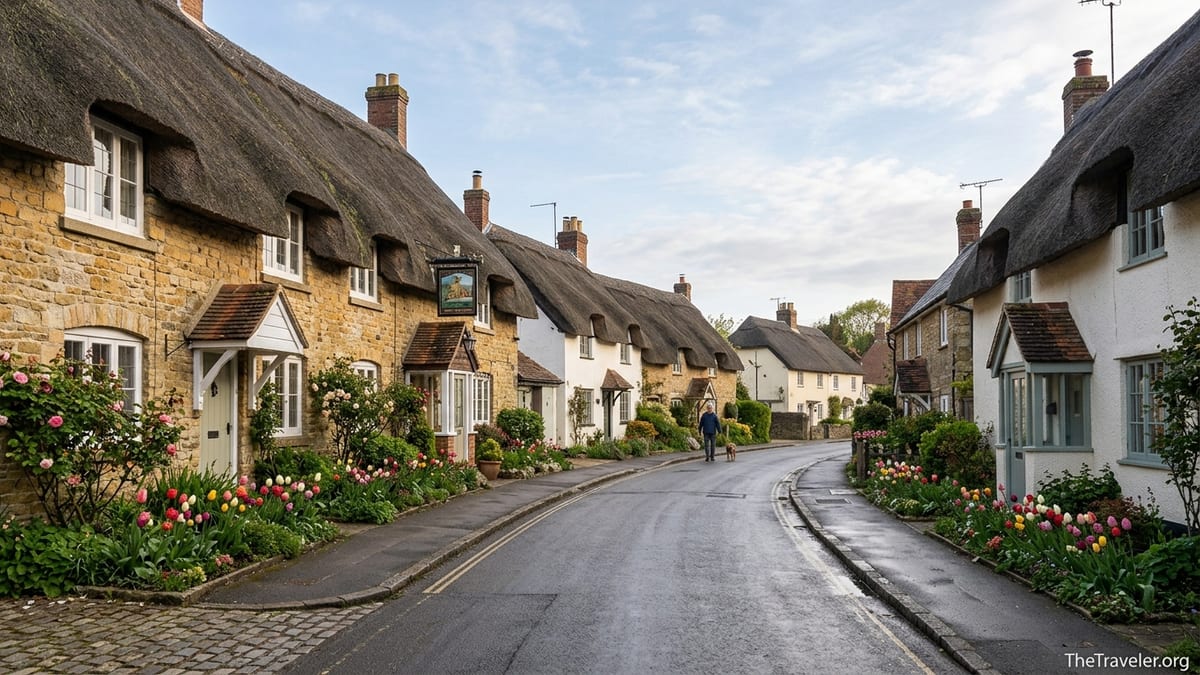
Shanklin Old Village on the Isle of Wight is one of those rare English seaside spots that still feels like a postcard: thatched cottages, tiny tea rooms, pubs with log fires, and flower-filled lanes leading towards the sea. The trade-off is that at the height of summer it can feel very busy, especially when day-trippers pour in from the mainland ferries. With a little planning though, you can experience the village at its most atmospheric, without fighting through coach parties or queuing for a table at every cafe. This guide explains exactly when and how to visit Shanklin Old Village if your top priority is avoiding the crowds.
Understanding Shanklin’s Seasons and Crowd Patterns
Shanklin is a classic British seaside resort, and its rhythms follow a familiar pattern: busy school holidays, lively summer weekends, and a long, quieter shoulder season on either side. Tourism data for the wider Shanklin area shows that the third quarter of the year, essentially July to September, is by far the busiest for visitors, with numbers peaking in the main school summer holidays. In practice, that means Shanklin Old Village’s narrow streets fill with families, coach tours, and day-trippers, especially from mid-July through late August.
Outside that peak window, the village feels very different. From November to March, many local businesses switch to reduced hours or close midweek, and the whole area can feel almost residential. Winter suits return visitors who know exactly what they want to see and do, or walkers using the Old Village as a base for coastal hikes. For first-time visitors hoping for a balance of atmosphere and open facilities, the sweet spot is the shoulder season: roughly late April to early June, and mid-September to mid-October.
It helps to think of Shanklin’s visitor year as a series of layers. At the bottom is a quiet winter with mostly locals and a handful of hardy travelers. On top sits the spring and autumn shoulder periods, when more accommodation and attractions are open but the streets are still relaxed. Finally, there’s a relatively short but intense summer spike, fed by full ferry timetables, higher accommodation occupancy, and the wider Isle of Wight holiday economy.
When planning, remember that Shanklin Old Village is compact: a cluster of streets rather than a spread-out resort. Even a modest rise in visitor numbers can feel magnified. The difference between a Thursday in early May and a Saturday in late July is not just about how many people are in town, but how easy it is to pause for photos, find a café table, or simply listen to birdsong in Rylstone Gardens instead of traffic and chatter.
The Best Months for a Quieter Visit
If your goal is to experience Shanklin Old Village with as few people as possible while still finding most things open, two windows stand out: late April to early June, and late September to mid-October. In late spring, the Isle of Wight is waking up for the season. Many B&Bs and self-catering cottages reopen around or just before Easter, and gardens such as Rylstone and the surrounding lanes start to burst into flower. Yet the big school summer holidays are still weeks away, which keeps day-tripper numbers more manageable.
A concrete example: a self-catering cottage within a ten-minute walk of the Old Village, similar to those listed around Upper Chine, might cost in the region of 375 to 440 pounds for a week in late April, compared with significantly higher prices in late July. Ferry fares also tend to be far lower outside peak summer, with some return car crossings in winter and early spring costing a fraction of the high-summer rates that can reach into the low hundreds for a family car on a busy Saturday.
Early autumn can feel even more peaceful. By mid-September, most families with school-age children have gone home, and while weekends can still see a pleasant buzz, weekday streets are noticeably quieter. You are more likely to have the pick of window seats in tearooms or to find last-minute tables at popular pubs. The weather on the Isle of Wight in September often stays mild, with average daytime highs frequently in the mid to high teens Celsius and a good chance of bright, clear days. Even in October, walkers are still heading out along the coastal path in light jackets rather than heavy winter gear.
Winter, from November to early March, is the best choice if you want Shanklin Old Village almost to yourself. You can stroll the thatched High Street and Church Road and see only a handful of people, especially on a weekday morning. The trade-off is that some tea rooms, small gift shops, and attractions such as Shanklin Chine may reduce opening hours or close altogether for maintenance. For some travelers, the quiet lanes, frosty gardens, and woodsmoke from pub chimneys more than compensate for the lack of souvenir shops.
Avoiding Peak Crowds: Key Dates and Triggers
To dodge crowds successfully, you need to know what drives them. The single biggest factor is the UK school holiday calendar. The summer holidays usually run from late July through the end of August, and those six weeks are when Shanklin Old Village is at its busiest. Friday and Saturday ferry crossings into the Isle of Wight see heavy demand, and accommodation prices climb sharply. Arriving in Shanklin on a Tuesday in late June is a very different experience from rolling off the ferry on the first Saturday of August.
Bank holidays are another pressure point. The late May bank holiday and the August bank holiday weekend are particularly busy, often coinciding with special offers and events around the island. On these weekends, coaches are more common around Shanklin, and it is not unusual to see groups of visitors queuing at the most photogenic corners of the Old Village. If you are keen on photography or quiet browsing, avoid these long weekends entirely or plan your village time for very early mornings.
Large island-wide events also influence crowd levels. The Isle of Wight Festival, for example, typically takes place in June and brings a surge of visitors who may decide to explore other parts of the island, including Shanklin, either before or after the music. During that week, ferry timetables are bolstered and crossings can sell out, so the atmosphere on the island is livelier everywhere. There are also smaller events, from classic car rallies to walking festivals, which can subtly increase demand, especially for accommodation.
Finally, watch the weather forecast for the south coast of England. On hot, sunny weekends, mainland visitors sometimes decide to hop over at short notice, especially via the faster passenger routes from Portsmouth and Southsea. Even if it is not school holidays, a run of good weather in June can make the Old Village feel surprisingly busy on a Saturday afternoon, while a grey Wednesday in the same week might feel pleasantly empty. If your schedule allows for flexibility, planning your village explorations on the less obviously sunny days can work in your favor.
Time of Day Tactics: How to Enjoy a Quiet Village in Any Season
Even in the middle of August, you can find quieter moments in Shanklin Old Village if you time your day carefully. The village starts slowly. Before 9 am, especially on weekdays, you will often find only dog walkers and delivery vans moving through the narrow streets. This is the best time for photography: the soft morning light on the thatched roofs, empty pavements in front of tearooms, and a clear view down Church Road. By contrast, from late morning to mid-afternoon the lanes can be at their busiest, especially when coach tours and day-trippers arrive.
Lunchtime is usually the peak. Between about 12.30 pm and 2.30 pm in high season, popular pubs and cafes can be full, with queues for tables and families spilling out into small front gardens. If you want a quieter meal, aim either for an early lunch around 11.45 am, or a late one after 2.30 pm. In spring and autumn, you may be able to walk in without a reservation even at peak times, but in summer it is wiser to book a table for midday or plan to eat slightly outside the busiest hours.
Afternoons from around 3 pm onward gradually calm, as day visitors peel away towards the seafront amusements or back to the bus stops. This is a good time to wander from the Old Village up into Rylstone Gardens, where you can sit on a bench among flower beds and mature trees and look back over the rooftops. The gardens are popular with locals as well as visitors, but few people linger there for long, so you can often find quiet corners even on busy days.
Evenings in the Old Village often feel surprisingly peaceful, especially outside peak school holiday weeks. Many day-trippers have already left the island on late afternoon ferries. After dinner, streets that were shifting with visitors mid-afternoon can be all but empty, lit by the warm glow of pub windows and low street lighting. If you stay in accommodation within walking distance, you can enjoy a slow loop through the village after dark, taking in the architecture and planting without needing to navigate crowds.
Choosing Where to Stay for a Peaceful Base
Where you stay makes a sizeable difference to how crowded Shanklin Old Village feels once you step outside your door. Accommodation right in the Old Village puts you within moments of the tea rooms and pubs, but you will also feel every lunchtime rush beneath your window. If you want quiet evenings and early mornings, consider staying just beyond the tightest cluster of thatched cottages, in streets that are a five to ten minute walk away. Places like the Upper Chine area offer a good compromise: close enough to stroll to the Old Village for breakfast or dinner, but far enough away that you are not on the main tourist path.
Self-catering cottages and apartments can be particularly useful if you are crowd-averse. With your own kitchen, you are less dependent on securing restaurant tables at specific times, and you can choose to do your main exploring early and late while retreating to your base during the midday peak. In low and shoulder seasons, weekly rates for small apartments within walking distance of the Old Village can be relatively modest compared with high-summer nightly hotel rates closer to the seafront.
If you prefer hotels or guesthouses, look at properties located on the roads leading out of the Old Village towards Shanklin town center or the cliff path. These often strike a balance between convenience and calm. Ask prospective hosts about their typical noise levels at different times of year. Some will be candid about busy festival weekends or local events; others can suggest rooms at the rear of the property that are quieter than those overlooking the main street.
For travelers who want to be absolutely certain of quiet, visiting in the cooler months and choosing accommodation slightly uphill from the Old Village can help. Away from through-traffic and late-night drinkers, you are more likely to hear owls in nearby trees than passing cars. Even in winter, a short walk down into the Old Village for a pub meal followed by a slow stroll back up the hill can make for a satisfying, largely crowd-free evening.
Weather, Walking and What to Expect in Each Season
The Isle of Wight is known for having one of the milder climates in the United Kingdom. Shanklin typically enjoys relatively warm summers and cool but not extreme winters. In practical terms, that means that from late April through October you can normally explore Shanklin Old Village comfortably on foot with a light waterproof and layers rather than heavy winter coats. Spring brings longer days and fresh new growth in cottage gardens, making the thatched roofs and low stone walls especially photogenic.
Summer delivers the most stable weather but also the heaviest crowds. Expect daytime temperatures in the high teens to low twenties Celsius on many days, with plenty of visitors sitting outside pubs and cafes. If you are visiting in July or August and want to avoid feeling hemmed in, consider focusing your village time early in the day or later in the evening and using midday for coastal walks, when many others are eating or on the beach. A good route is to follow the path from the Old Village towards Shanklin Chine, then on towards Luccombe and the coastal path, where open clifftop sections offer breezes and more space.
Autumn on the island can be quietly spectacular. September often stays warm, with softer light that suits photography and walking. By October, some trees around the Old Village and in nearby gardens start to turn, and on calm days the air can feel unexpectedly gentle for the time of year. You may encounter occasional heavy showers, but between them the streets are rarely crowded, and you can duck into a tearoom or pub with a good chance of finding a seat.
Winter brings shorter days, cooler temperatures, and a risk of rain or coastal winds, but also the emptiest lanes. On a dry, crisp day in December or January, you might walk from the Old Village up through Rylstone Gardens and barely pass another person. The textures of thatch, stone, and bare tree branches stand out sharply in low winter light. Pack a warm coat and hat, and be prepared for some businesses to be closed, but if your idea of a perfect visit is lingering undisturbed over a coffee while watching the odd local pass by, winter may deliver exactly what you are looking for.
Practical Planning Tips for a Crowd-free Trip
Once you have settled on a quieter time of year, a few practical details will help keep your trip as stress-free as possible. Start with the ferry. The Isle of Wight is served by several operators running car and passenger services from Portsmouth, Lymington, and Southampton, as well as a fast hovercraft link from Southsea to Ryde. In high season, prices rise and crossings can sell out on busy weekends. Booking off-peak crossings such as midweek mornings outside school holidays usually means lower fares and emptier boats, setting the tone for a more relaxed break.
From the ferry ports, Shanklin is reachable by train and bus, particularly via Ryde if you arrive as a foot passenger. Off-season, services run less frequently but are often quiet. If you are bringing a car, consider leaving it at your accommodation once you arrive. Shanklin Old Village is best experienced on foot, and its narrow streets are not especially car-friendly. Parking can be tight in peak season, and hunting for a space near the thatched cottages is rarely conducive to a peaceful day.
Think about your daily rhythm. In busier weeks, plan your Old Village time for early mornings and late afternoons, and schedule more expansive walks, beach time, or trips to other parts of the island during the central peak of the day. For example, you might wander the Old Village at 8.30 am, enjoy breakfast in a nearly empty cafe when it opens, then walk down to the seafront and along Sandown Bay while lunchtime crowds build. By the time many visitors drift up to the Old Village mid-afternoon, you could be relaxing in your accommodation or exploring a quieter garden or stretch of coast.
Finally, build in a little flexibility. If you have several days on the island, you can watch how busy the Old Village feels at different times and adjust your plans. Perhaps you planned a midday meal in the village but find it bustling when you arrive; instead, you might pick up supplies from shops in Shanklin town, retreat to your accommodation, and come back into the Old Village for a slow drink at sunset. Treating the village as a place to dip in and out of, rather than somewhere you must fully “do” in one go, makes it easier to sidestep the worst of the crowds.
The Takeaway
Shanklin Old Village rewards travelers who are willing to think in terms of seasons, days of the week, and even hours of the day. If you want that classic Isle of Wight charm without the congestion, focus on the shoulder seasons of late April to early June and mid-September to mid-October, avoid school holidays and bank holiday weekends, and lean heavily on early mornings and evenings for your time in the village itself.
Choose accommodation a short walk away rather than directly on the main tourist streets, use the island’s ferries and public transport at off-peak times where you can, and be ready to adjust your plans based on weather and how busy things feel on the ground. Done well, you will discover a Shanklin Old Village of quiet gardens, nearly empty lanes, and the gentle clink of crockery in tearooms where you are more likely to hear the murmur of local conversation than the roar of passing coaches.
Most importantly, remember that you do not need perfect weather or a packed events calendar to enjoy this part of the Isle of Wight. For many visitors, the most enduring memories of Shanklin Old Village are not made on the busiest summer afternoons but on cool spring mornings and mild autumn evenings, when the village feels like it is revealing itself at its own, unhurried pace.
FAQ
Q1. What is the single best month to visit Shanklin Old Village without crowds?
May is often the best balance, with most places open, lighter crowds than summer, and generally mild weather, especially on weekdays outside school half-term.
Q2. How busy is Shanklin Old Village during the school summer holidays?
From late July through August the Old Village can feel very busy, particularly around lunchtime and on sunny weekends, with higher prices and heavier ferry traffic feeding visitor numbers.
Q3. Is winter too quiet, with everything closed?
Winter is much quieter and some small businesses close or reduce hours, but key pubs, some cafes, and accommodation stay open, so you can still enjoy a peaceful visit.
Q4. Are weekends always more crowded than weekdays?
In general, yes. Saturdays in particular attract day-trippers and short breaks, while midweek days outside school holidays usually bring noticeably fewer people into the Old Village.
Q5. Do I need to book restaurants in advance in the off-season?
Outside peak periods you can often walk into pubs and cafes without a booking, but for popular spots or Friday and Saturday evenings it is still sensible to reserve a table.
Q6. How far in advance should I book ferries for a quieter trip?
For shoulder-season midweek travel a few weeks is usually enough, but for bank holidays or any summer weekend it is wise to secure crossings as early as practical to avoid full sailings.
Q7. Is it better to stay in the Old Village or nearby for a peaceful visit?
Staying a five to ten minute walk from the Old Village often gives a quieter base, while still allowing you to stroll in easily for meals, drinks, and evening walks.
Q8. Can I still enjoy Shanklin Old Village if I must visit in August?
Yes. Plan early morning and late evening village time, book meals ahead, and use the busy middle of the day for coastal walks or beach time away from the narrowest streets.
Q9. What should I pack for a spring or autumn visit?
Layers, a light waterproof jacket, comfortable walking shoes, and a warm jumper for cool evenings are usually sufficient, given the island’s generally mild but changeable weather.
Q10. Is public transport a good option for avoiding crowds and parking stress?
Yes, especially if you arrive as a foot passenger. Local buses and trains connect ferry ports to Shanklin, and exploring the Old Village on foot is the most relaxed way to experience it.