


The Absheron Peninsula, curving into the Caspian Sea around Baku, is where Azerbaijan’s capital meets wind-sculpted cliffs, sandy beaches, and wide, glassy horizons. Planning your trip at the right time of year means trading biting winds and hazy skies for soft light, calm water, and long, comfortable walks along the seafront. This guide focuses on when to visit specifically for coastal scenery and pleasant weather, using practical, on-the-ground examples rather than theory.
Get the latest updates straight to your inbox!
Understanding Absheron’s Coastal Climate
The Absheron Peninsula has a temperate semi-arid climate with warm, dry summers, cool winters, and wind as a near-constant companion. Baku’s long-standing nickname, the “City of Winds,” is well earned: gusts from the Caspian can make a mild day feel sharper and can roughen the sea even when skies are clear. Summers around Baku are typically hot but not extreme compared with inland areas, with average daytime temperatures in July and August in the mid to high 20s Celsius and little rainfall. Winters are relatively mild for this latitude, with January averages of roughly 4 to 5 degrees Celsius, and snow is rare along the coast.
Rainfall on Absheron is low by European coastal standards, which is why so many days, even in shoulder seasons, are bright or lightly hazy rather than overcast. The sea moderates temperatures slightly, so you are unlikely to see the intense heat you might expect further inland in Azerbaijan. At the same time, the Caspian’s broad surface leaves the coastline exposed to changing winds, from the colder northerly blasts known locally to softer southerlies that bring milder air. For travelers who care about views and comfort more than extreme heat or cold, this combination of dryness, moderate temperatures, and persistent breeze defines how each season feels on the coast.
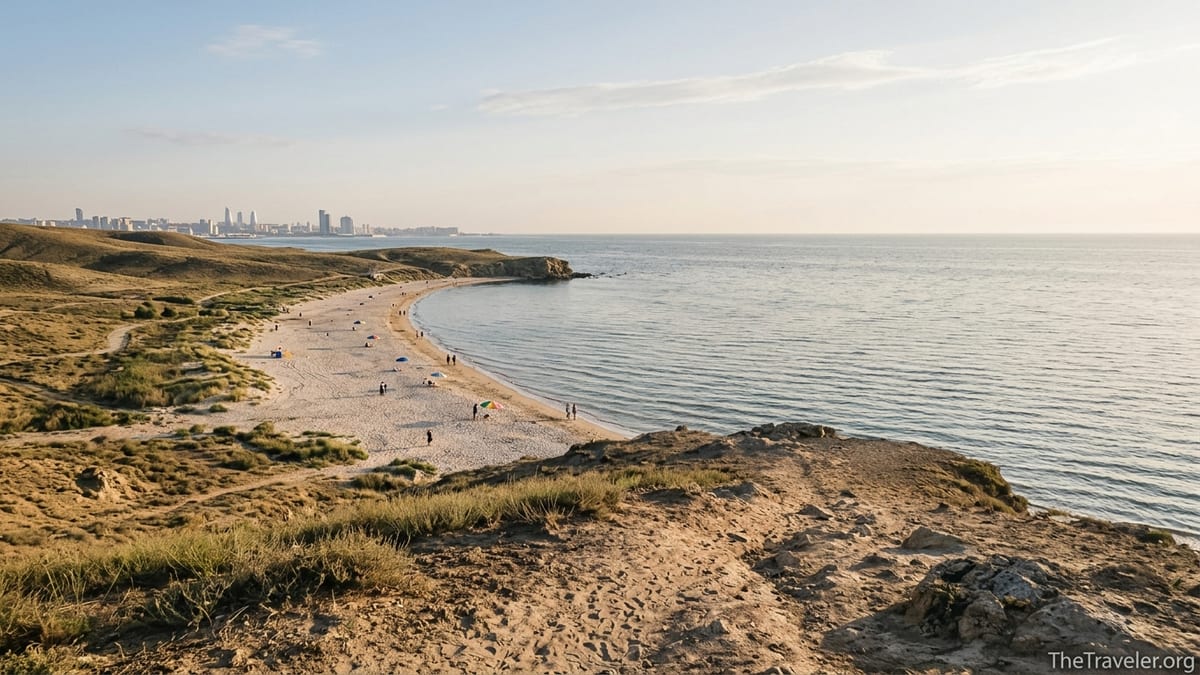
For coastal walks and photography, the key variables are not just temperature and rain but wind strength and visibility. In the windier months, whitecaps on the Caspian are dramatic but can make long seafront strolls tiring, especially along exposed promenades like Baku Boulevard or headlands closer to Absheron National Park. In calmer periods, the water can take on a silvery mirror-like surface that reflects the skyline and cliffs, ideal for sunrise and sunset shots. As you plan, think of Absheron not as a classic Mediterranean beach destination, but as a drier, breezier coastal steppe where timing your visit pays off in comfort and clarity.
Best Overall Months for Coastal Views and Comfort
For most travelers, the best overall windows to enjoy Absheron’s coastline in comfort are mid-April to early June and mid-September to late October. In late spring, daytime highs in Baku typically rise into the high teens and low 20s Celsius, with cool evenings that suit light jackets. Sea breezes feel fresh rather than cutting, and humidity is moderate, which means the sky often stays clear enough for far-reaching views from the waterfront or from headlands near settlements like Mardakan or Nardaran. These months are ideal for walking the length of Baku Boulevard, visiting the seafront parts of the Old City, and then heading out to quieter stretches of coast without worrying about heat fatigue.
In autumn, temperatures again slide into a comfortable range, usually in the low to mid 20s Celsius during the day in September, dropping to the mid-teens by late October. The Caspian Sea has stored summer warmth, so evenings by the water remain pleasant even when air temperatures start to fall. This is a favorite time for local families to rent small seaside cottages on the northern Absheron coast, around Bilgah or Novkhani, where weekends are spent grilling fish in gardens and taking short walks to the water rather than sunbathing. For visitors, the same period offers golden, slanting light on Baku’s skyline and the oil-era villas scattered around the peninsula, without the crowds of high summer holidays.
During these shoulder seasons, practical details fall into place nicely. You can expect long, comfortable hours outdoors, meaning you might start with breakfast at a café facing the Caspian in central Baku, then hop in a taxi for a 30 to 40 minute ride to a coastal village like Buzovna or Shikh for cliffs and a quieter beach, returning to the city before dark. Hotel prices are often lower than in peak summer; a mid-range seafront hotel on Baku’s promenade can be noticeably cheaper in May or October than in August, while still offering balcony views over the bay. If your priority is seeing the coast clearly and spending much of the day outside in light clothing, these are the months to aim for.
Spring on Absheron: Fresh Air and Clear Horizons
From late March through early June, the Absheron coast awakens from winter without the heaviness of full summer heat. In March, temperatures can still be cool, especially at night, but by April the days around Baku often sit comfortably in the mid-teens Celsius, rising toward the low 20s by May. What you notice most on the coast is the shift in color and clarity: seaside parks green up, distant oil platforms and harbor cranes stand out more sharply against the water, and the low, dry hills beyond Baku begin to glow warm beige in the afternoon sun.
This is an excellent time for panoramic viewpoints. On a typical April day, you might ride the funicular near the Flame Towers for sweeping views over Baku Bay, with the Caspian stretching out behind the modern skyline. In cooler, windier months, staying long at exposed lookouts can be uncomfortable, but in spring you can linger, watching ferries cross the harbor and small fishing boats move around the bay. Later in the same trip, you might hire a driver or use a ride-hailing app to reach the cliffs near Shikh, where broken rock shelves drop to the water and the surf is often moderate rather than rough.
Spring is less ideal for full-on beach days, because the Caspian water is still on the cool side for long swims, particularly in April. However, you will find locals already strolling the sand at Bilgah or Amburan Beach Village on warmer weekends, often in light jackets rather than beachwear. Beach clubs along the northern Absheron shoreline may start soft openings in May, with entrance fees that are lower than peak season; for example, a private beach complex that might charge a substantial entry fee in July could ask roughly half that amount in late May, when sunbeds are easier to get and the atmosphere is relaxed. For travelers focused on coastal ambiance and photography rather than swimming, spring’s balance of mild air and clear views is especially appealing.
Summer: Beach Season and Long Evenings by the Caspian
From mid-June through August, the Absheron Peninsula settles into its beach season. Air temperatures in Baku and along the coast usually climb into the upper 20s and low 30s Celsius during the day, with long hours of sunshine and minimal rainfall. Sea temperatures off Baku’s beaches warm up into the mid-20s Celsius, which most visitors find comfortable for swimming. Northern beaches such as Bilgah, Mardakan, and Zagulba become weekend playgrounds; beach clubs there offer loungers, umbrellas, changing cabins, and seaside cafés serving grilled qutab and fresh salads. Entry fees to these clubs can range roughly from the price of a simple café meal at lower-key places to boutique-hotel levels of pricing at higher-end complexes with pools, bars, and music.
For pure enjoyment of the coastline, summer’s main advantage is time. Sunsets arrive late, so you can plan a long day that begins with a museum visit in Baku, continues with a taxi ride out to a beach before midday, and then winds down with a mid-evening walk along the seaside promenade back in town. The light in late afternoon and early evening can be particularly beautiful, with the Caspian reflecting peach and rose tones as the sun angles behind Baku’s modern towers. Photographers often head for rocky outcrops near Shikhov or the more remote edges of Absheron National Park at this hour to capture silhouettes of oil rigs and gently curving shoreline.
The trade-off in summer is heat and crowds. At midday in July or August, sand at popular beaches can become uncomfortably hot, and shade is essential. On weekends, beach clubs fill quickly with local families and groups of friends, so it is common practice to arrive by late morning to secure a good spot. In practical terms, that might mean leaving central Baku around 9 or 10 in the morning, with a ride-hailing fare often comparable to a short intercity bus trip elsewhere in the region, and planning to return in the early evening when traffic back into the city can be heavy. Travelers who prefer quieter experiences may choose smaller, less commercialized strips of coast or visit on weekdays, when even popular beaches feel more spacious.
Autumn: Warm Water, Softer Light, and Quieter Shores
September and October are arguably the most balanced months on the Absheron coast, especially if you want both scenic views and comfortable weather. In early September, daytime temperatures in Baku typically remain in the mid to high 20s Celsius, but the sun’s angle is lower, lending a softer quality to the light. The Caspian retains its summer warmth, so you can still swim comfortably at beaches around Bilgah and Nardaran. Yet the atmosphere is more relaxed than in August, as school holidays end and many local visitors return to normal routines.
By late September and into October, air temperatures drop gradually into the low 20s and then high teens Celsius during the day, while evenings invite light sweaters. The combination is ideal for longer hikes along the coast and exploratory drives around the headlands. For example, you might base yourself in Baku and take day trips out to the windswept northern tip of the peninsula near Absheron National Park, where simple roadside teahouses appear at intervals and the land narrows into low, grassy dunes and semi-desert. With fewer people around, you can spend half an hour watching cormorants and gulls without interruption and listening to the persistent sound of the surf.
Autumn also brings a subtle change in the character of the sea. While summer days may offer bright, almost harsh blues, October often produces a deeper, steelier palette that photographers appreciate. Reflections of Baku’s skyline on calmer evenings can be especially dramatic, with the Flame Towers and other landmarks mirrored in water that is still, at times, surprisingly mild. For travelers who enjoy sitting at outdoor cafés into the evening, this is an excellent period: you might pay a moderate price for a seafront table at a mid-range restaurant and linger for hours, something less appealing in the cold of winter or the peak brightness of mid-summer.
Winter and Early Spring: Dramatic Seas for Hardy Travelers
From November through March, the Absheron Peninsula’s coast takes on a starker, more dramatic character. Average daytime temperatures in Baku in mid-winter hover in the low single digits to around 5 degrees Celsius, and the wind can make it feel colder, especially on exposed promontories. Rainfall increases compared with the dry summer, although total precipitation remains modest by European coastal standards. Snow along the shoreline is infrequent and usually short-lived, but cold, gray days are more common than at other times of year.
Despite this, winter has its own appeal for travelers who value atmosphere over warmth. When northerly winds are up, waves can crash dramatically against the breakwaters near Baku Boulevard, sending spray into the air that catches what little light filters through the cloud. The horizon often appears hazier and more muted, lending a certain moodiness to photographs. For coastal villages around Shikh or Buzovna, winter means quiet streets, shuttered beach kiosks, and a sense of stillness that some visitors find refreshing after crowded summer months. Accommodation prices also tend to be lower, and you may be able to secure rooms in sea-view hotels at a discount compared with peak season.
However, winter is not ideal if your primary goal is casual seaside strolling or extended time outdoors. The same wind that adds drama to the coastline can limit how long you are comfortable staying by the water. For example, a 30-minute walk along the seafront in December might require a warm hat, scarf, and gloves, and you may find yourself stepping indoors frequently for tea. In practical travel terms, this period suits visitors who are already in Baku for other reasons and want to make the most of a few brisk walks and some moody photography, rather than those choosing Absheron specifically for its coastal environment.
Planning Coastal Activities by Season
Because the Absheron Peninsula concentrates both urban and wild coastline in a compact area, you can adjust your day-to-day plans closely to the season and even to the weather forecast. In late spring and early autumn, a typical coastal-focused day might begin with breakfast in Baku’s Old City, followed by a short taxi ride to Amburan Beach Village or another northern beach complex. There, for a moderate entry fee, you can rent a sunbed and umbrella, enjoy a leisurely lunch on a terrace overlooking the water, and then return to Baku in time for sunset shots from the hilltop parks above the city. The temperatures are usually comfortable enough that you rarely need to retreat indoors in the middle of the day.
In peak summer, your rhythm may shift earlier and later to avoid the hottest midday hours. Many locals arrive at beaches before 11 in the morning, swim, and relax until early afternoon, then seek shade or air-conditioned cafés until the sun begins to drop. Travelers can follow the same pattern, perhaps adding an evening stroll on Baku Boulevard, where the breeze from the Caspian offers natural cooling even on warm days. Coastal excursions to more exposed spots like the outer edges of Absheron National Park are best undertaken either in the morning or late afternoon, as paths and dunes can become uncomfortably hot under direct overhead sun.
In winter and early spring, planning around weather becomes more important. On days with calmer winds and brighter skies, you might walk from Baku’s central harbor district eastward along the waterfront, taking in the changing views of the bay, or hire a driver for a quick visit to Absheron’s cliffs for photographs of rough seas. On less hospitable days, just a brief stop at the waterfront to feel the strength of the wind and watch waves strike the breakwaters can provide a sense of place, after which you retreat to museums or tea houses. Because most coastal destinations on Absheron are within an hour’s drive of central Baku, you have flexibility to decide each morning whether the conditions suit a longer coastal outing.
Wild Absheron: National Park, Headlands, and Wildlife
Beyond Baku’s urban waterfront and the managed beaches of northern Absheron, the peninsula also shelters wilder stretches of coast, most famously within Absheron National Park at its eastern tip. This protected area combines low dunes, semi-desert landscapes, and a long, narrow spit of land projecting into the Caspian. The climate here is similar to the rest of the peninsula but feels more exposed: winds are stronger, shade is limited, and the land is sparsely vegetated. For visitors, the most rewarding times to explore this area are late spring and early autumn, when temperatures are mild enough to walk comfortably for several hours, but the days are still long.
In coastal pockets of the park and surrounding areas, birdlife can be substantial, particularly during migration periods. Waterfowl, waders, and coastal birds frequent the shallows and lagoons, and keen observers may spend entire days scanning the shoreline with binoculars. Occasional sightings of Caspian seals are possible along this outer coast, especially from late spring into the warmer months, though they are never guaranteed and require both patience and a bit of luck. For photographers, the combination of flat horizons, shifting light, and sparse human development creates powerful images that contrast strongly with Baku’s futuristic skyline only an hour away.
Because facilities in and around Absheron National Park are limited, seasonal comfort matters more here than at city beaches. In mid-summer, the ground can radiate heat, and the lack of shade means you need serious sun protection, ample water, and realistic expectations about walking distances. In winter, windchill can make otherwise modest temperatures feel harsh, and tracks can become muddy after rainfall. Late April to early June and mid-September to mid-October are the sweet spots when you can walk along the dunes, watch seabirds, and photograph the jagged coastline without battling either extreme heat or biting cold.
The Takeaway
Choosing the best time to visit the Absheron Peninsula for coastal views and comfortable weather comes down to your balance of interests. If your priority is long seaside walks, soft light, and a mix of city and semi-wild coastline, target mid-April to early June or mid-September to late October. You will enjoy mild temperatures, generally clear skies, and more relaxed crowds while still finding most beach facilities and cafés open. These shoulder seasons are also ideal for trips to Absheron National Park and the peninsula’s quieter headlands, where moderate weather lets you stay out longer.
If swimming and long beach days are central to your plans, then June to August offers the warmest sea and most active beach scene, especially along the northern shoreline around Bilgah and Mardakan. Just be prepared for stronger sun, hotter sand, and larger crowds on weekends, and plan your daily schedule to favor mornings and late afternoons. Travelers drawn to moody seascapes, empty beaches, and discount hotel rates may even appreciate late autumn and winter, recognizing that these months are better for short, atmospheric visits to the coast rather than all-day outdoor exploration.
Whichever season you choose, the Absheron Peninsula rewards careful timing with distinct moods. In spring, the coastline feels newly awake; in summer, it becomes social and sun-drenched; in autumn, it turns reflective and golden; and in winter, it stands stark and windswept. Aligning your visit with the season that matches your travel style will let you experience the full character of this Caspian shoreline, from Baku’s illuminated bay to the quiet edges of Absheron National Park.
FAQ
Q1. What is the single best month to visit the Absheron Peninsula for coastal views and comfort?
Many travelers find May or late September ideal, with daytime temperatures typically in the low to mid 20s Celsius, relatively calm weather, and fewer crowds than peak summer.
Q2. Can I swim in the Caspian Sea near Baku in spring?
You can technically swim from late May onward, but water temperatures in April and early May often feel cool, so most visitors prefer to start regular swimming in June when the sea is noticeably warmer.
Q3. Are the beaches around Baku crowded in summer?
Yes, popular beaches such as Bilgah, Amburan, and Mardakan can be quite crowded on summer weekends, especially in July and August, while weekdays and smaller public stretches are generally quieter.
Q4. Is winter a bad time to visit Absheron for coastal scenery?
Not necessarily; winter brings dramatic seas, moody skies, and fewer people, but it is colder, windier, and less comfortable for long walks, so it suits hardy travelers and photographers more than casual beachgoers.
Q5. How windy does it get on the Absheron Peninsula?
The area is known for frequent winds, and on some days gusts along exposed promenades and cliffs can be strong enough to feel tiring, so a windproof layer is advisable in every season except perhaps the calmest summer days.
Q6. Are coastal facilities like beach clubs and cafés open year-round?
In central Baku, seafront cafés and restaurants generally operate year-round, but many private beach clubs and seasonal facilities along the northern shore open mainly from late spring through early autumn.
Q7. Is it easy to reach beaches and coastal viewpoints from central Baku?
Yes, most key beaches and viewpoints are within a 30 to 60 minute drive; travelers commonly use taxis or ride-hailing apps, with fares that are moderate by European standards for these distances.
Q8. What should I pack for a shoulder-season coastal trip to Absheron?
Bring light layers, a windproof jacket, comfortable walking shoes, sun protection, and a hat; temperatures can shift quickly near the water, especially in April, May, and October.
Q9. Is Absheron National Park worth visiting for coastal scenery?
Yes, it offers some of the wildest shoreline on the peninsula, with dunes, semi-desert landscapes, and long views over the Caspian, best experienced in late spring or early autumn when temperatures are moderate.
Q10. Are sunsets better from Baku’s waterfront or from the outer parts of the peninsula?
Both are rewarding: Baku’s waterfront gives you cityscape reflections on the bay, while outer headlands and beaches provide broader horizons and a quieter, more natural setting as the sun drops behind the city or the low hills.