


More news on this day
A sweeping overhaul of the European Union’s signature air passenger rights law, EC261, is set to change how travelers are compensated and cared for when flights are delayed or cancelled, following a political agreement in Brussels on a revised regulation expected to apply from 2027.
Get the latest news straight to your inbox!
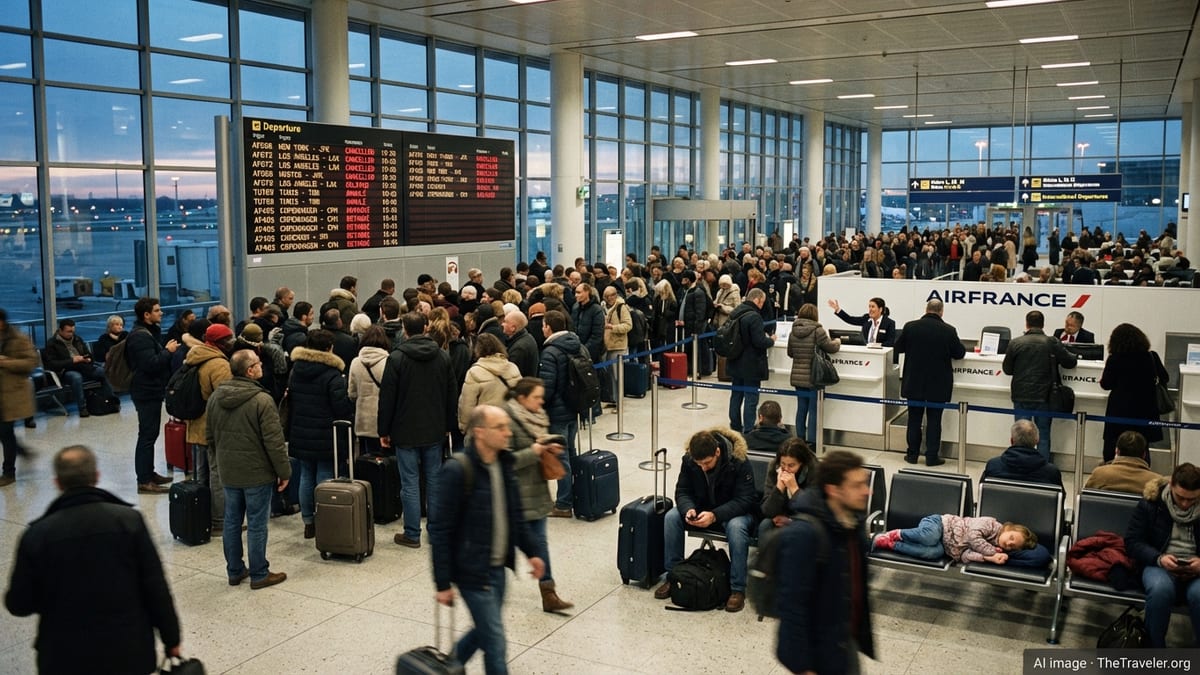
What Has Changed in the EC261 Framework
The core structure of EC261, which grants compensation to passengers facing long delays, cancellations and denied boarding, will remain in place. However, the latest agreement between the European Parliament and the Council introduces new thresholds, definitions and procedures that reshape when and how travelers can claim money for disrupted flights. Existing compensation bands based on distance are expected to be retained, but the conditions under which they are triggered will shift in specific cases.
According to published coverage and official summaries of the deal reached in mid June 2026, lawmakers aimed to balance passenger protection with the financial pressures on airlines. Earlier proposals that would have sharply raised the minimum delay time before compensation became due were largely scaled back during negotiations, after pushback from consumer groups and some members of the European Parliament. Reports indicate that the three hour delay rule for many intra EU flights is effectively preserved, while clarifications focus on long haul routes and exceptional situations.
The updated framework is built on years of case law from the Court of Justice of the European Union, which had expanded and clarified the original 2004 regulation. The new text attempts to codify that jurisprudence into clearer rules, giving passengers and airlines more predictable outcomes in compensation disputes. It also integrates lessons from recent crises that caused widespread disruption, including air traffic control issues and large scale weather events.
New Rules on Delays, Cancellations and Care
One of the most visible changes for travelers concerns how and when airlines must provide practical assistance such as meals, hotel stays and ground transport after major delays. The revised rules confirm that when a stay of one or more nights becomes necessary because of a disruption, air carriers must arrange hotel accommodation free of charge and cover transport between the airport and the lodging. This obligation will apply regardless of whether the underlying cause of the disruption ultimately qualifies for financial compensation.
Published information on the agreement shows that airlines will also face clearer standards regarding rebooking and refunds. When a flight is cancelled or severely delayed, passengers will continue to have a choice between reimbursement of the unused ticket and rerouting to their final destination, with time limits and conditions more precisely defined than before. The reform package seeks to close gaps that previously led to lengthy disputes over whether passengers were adequately offered alternatives and how quickly airlines had to act.
The reform also refines the concept of extraordinary circumstances, a key factor in determining whether airlines can legally refuse compensation. While details of the final text are still being analyzed, drafts and background material indicate that events such as air traffic control strikes or airport closures are more clearly distinguished from technical or operational issues within the airline’s control. For passengers, this could reduce the number of contested claims where carriers cite broad external causes without detailed justification.
Stronger Information Rights and Digital Notifications
Beyond financial compensation, the revised EC261 regime places new emphasis on timely and transparent communication with travelers. The agreement reached in June provides that in situations where a delay could give rise to compensation, airlines will have to inform passengers electronically within a specific period after arrival, currently expected to be within 96 hours. This obligation is designed to ensure that travelers are proactively told when they may have the right to claim money, rather than having to work it out on their own.
Information duties at the airport are also being tightened. Carriers will be required to inform passengers about delays, cancellations and boarding denials as soon as possible and no later than the originally scheduled departure time indicated on the ticket. Standardized notices and clearer descriptions of rights are expected to reduce confusion at departure gates, particularly during large scale disruptions when call centers and service desks are overloaded.
The reform is closely linked to the broader push for digitalization of travel documentation and customer service in Europe. Public documents describe an ambition to align air passenger rights with emerging digital tools, so that notifications, vouchers and refund options can be delivered directly to a traveler’s device. For international visitors who may not be familiar with EU rules, easier access to accurate information in real time is likely to be one of the most practical benefits of the new framework.
Timeline, Geographic Scope and Interaction With UK Rules
The political agreement on the revised EC261 rules was reached in mid June 2026, but the regulation is not expected to apply immediately. According to European Union institutions, the text still needs to go through formal approval and publication steps before entering into force, with the passenger rights package currently forecast to take effect in 2027. Travelers flying in 2026 will therefore remain covered by the existing EC261 provisions, together with the interpretative guidelines updated in 2024, which continue to shape how national authorities enforce the law.
The geographic scope of the regime will stay broadly familiar to frequent flyers. The rules apply to any flight departing from an airport in an EU member state, regardless of the airline’s nationality, and to flights arriving in the EU when operated by an EU or certain affiliated carriers. This means that travelers from North America, Asia or other regions connecting through European hubs will continue to benefit from the protections when their journeys start or end on covered flights within the bloc.
For passengers comparing regimes, it is important to note that the United Kingdom’s post Brexit framework, often referred to as UK261, remains separate and is not directly affected by the new EU agreement. While the two systems currently look similar, divergence could grow over time as London and Brussels update their respective rules. Travelers connecting between the EU and UK may therefore face different compensation entitlements depending on the direction of travel, the operating carrier and the origin of their ticket.
What Travelers Should Do Now
Until the revised regulation enters into force, experts recommend that travelers continue to rely on the existing EC261 rules when dealing with delayed or cancelled flights in Europe. That means keeping detailed records of boarding passes, booking confirmations and written communications from airlines, and noting the actual arrival time when a flight reaches its final destination. These documents remain crucial when filing a claim under current law or contesting a refusal of compensation.
As the 2027 implementation date approaches, travelers may see airlines adjust their customer service procedures, digital tools and internal policies to align with the updated framework. Carriers are expected to introduce clearer notifications about disruption related rights, standardized claim forms and more transparent explanations when compensation is denied. Comparing airline practices and public reviews may help passengers select carriers that handle disruptions more proactively.
Consumer organizations and legal information platforms are likely to update their guidance once the final legal text is published and national enforcement bodies issue detailed instructions. For regular visitors to Europe, it may be worth revisiting these resources ahead of major trips in 2027 and beyond, particularly for complex itineraries that combine multiple airlines or long haul segments. The underlying principle that travelers should be compensated fairly and cared for adequately in the event of serious disruption remains unchanged, but the practical steps to enforce those rights will reflect the new generation of EC261 rules.