


Just off the glittering bay of Cannes, the Lérins Islands promise pine-fringed coves, clear turquoise water and a world that feels far removed from the Croisette. Time your visit right, and you can swim in calm, glassy coves, wander quiet forest paths and even get a table at a waterfront restaurant without booking months ahead. Time it wrong, and you may find yourself sharing those same coves with packed tour boats, choppy water and 35-degree heat. This guide breaks down exactly when to visit the Lérins Islands if your priorities are clear water and smaller crowds.
Get the latest updates straight to your inbox!
Understanding the Lérins Islands and Their Seasons
The Lérins archipelago lies a short ferry ride off Cannes and is made up of two main islands: Sainte-Marguerite, the larger and wilder island with Fort Royal and the Museum of the Sea, and quieter Saint-Honorat, home to an active Cistercian monastery and terraced vineyards. Regular ferries run year-round from Cannes’ Vieux Port, with most crossings to Sainte-Marguerite taking about 15 minutes and to Saint-Honorat a touch longer. Services are more frequent from roughly April to October and reduced but still operating in winter.
The climate follows the typical Mediterranean pattern: mild, sometimes rainy winters; pleasantly warm and increasingly dry springs; hot, dry summers; and mellow autumns that stay warm enough for sea swimming into October in many years. Sea temperatures generally lag behind the air: the water is still cool in April, warms significantly in late May and June, usually peaks in August, and remains comfortable for most swimmers into late September. Local tourism offices often describe spring and autumn as the ideal compromise between weather and crowds, and that is especially true here where high summer brings a surge of day-trippers, private boats and yacht tenders mooring in the channel between the islands.
Crowds on the Lérins Islands follow the wider Côte d’Azur rhythm. The busiest period runs from late June through August, spiking during the Cannes Film Festival in May and French school holidays in July and August. Weekends are consistently more crowded than weekdays, and ferry companies sometimes add extra departures on peak days to cope with demand. If you are specifically looking for quiet coves and empty forest paths, you will want to work around these surges as much as the weather.
For Clear Water and Fewer People: Late May to Late June
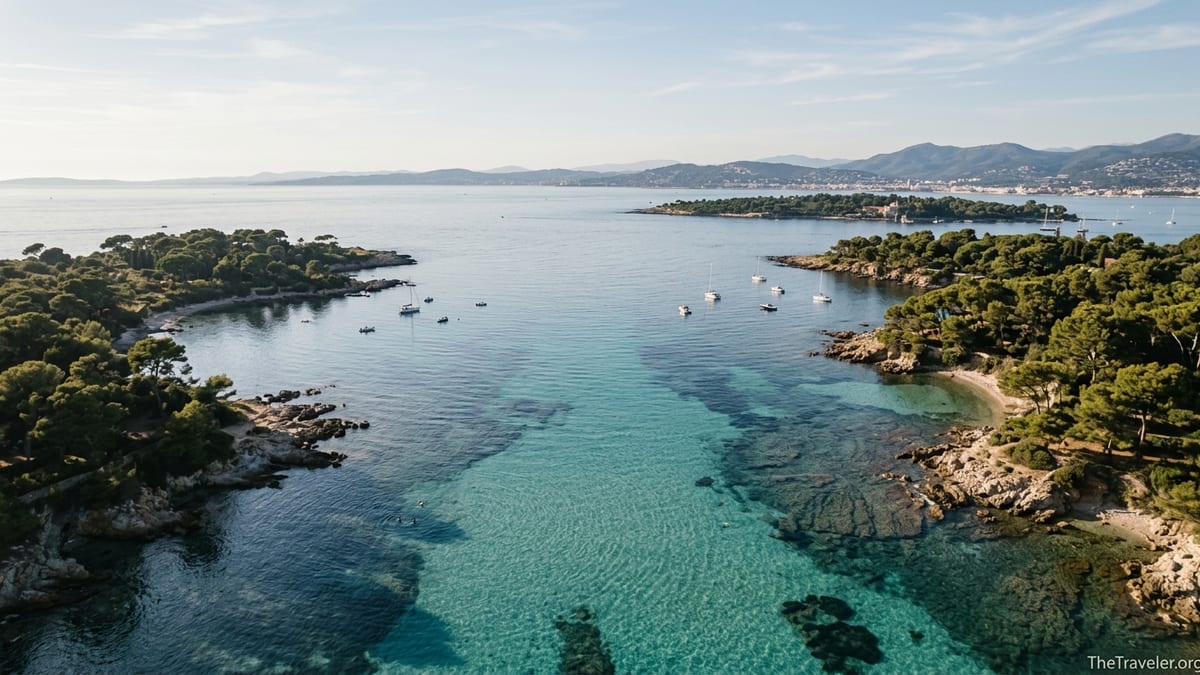
For many travelers, the sweet spot is from late May through the last week of June. By this time, air temperatures on the coast are often in the low to mid-20s Celsius on average, with long daylight hours and a much warmer sea than in early spring. Water clarity is usually excellent before the full crush of summer boating traffic arrives. Locals often describe this as the best time to swim around the Plateau du Milieu, the shallow channel of bright turquoise water that separates Sainte-Marguerite and Saint-Honorat, because there are fewer anchored boats stirring up sand and seagrass.
On a weekday in early June, you can typically catch a mid-morning ferry from Cannes with only a modest queue, step off at Sainte-Marguerite and find space on the rocks along the northern coves within a few minutes’ walk from the dock. Visibility for snorkeling around the underwater eco-museum off Sainte-Marguerite, where contemporary sculptures sit several meters below the surface, is often good during these weeks, especially after a few calm days with little swell. While exact water temperatures vary year by year, many visitors report comfortably swimming in late June without wetsuits, particularly in sheltered coves where the sun warms the shallows.
Because it is still shoulder season, you are also more likely to find a relaxed atmosphere at the island restaurants. On Sainte-Marguerite, places like La Guérite and Le Lerinos tend to be easier to book for lunch outside peak summer weekends, and you might avoid the highest high-season prices on set menus. On Saint-Honorat, the waterfront restaurant La Tonnelle, with its vine-shaded terrace and views back to Cannes, can often accommodate walk-ins on weekdays in June, especially if you show up early for the first lunch seating rather than peak French lunchtime around 1 pm.
September and Early October: Warm Sea, Softer Light
If you prefer the sea at its warmest, consider the period from early September to around mid-October. By then, water temperatures have usually been warmed all summer, yet the main tourist season on the Riviera is starting to wind down. French families are back at school, package holiday traffic dips, and yacht charters thin out, which can mean a calmer scene between the islands and on the beaches. The light softens at this time of year and daytime highs are often in the mid-20s Celsius, which is ideal for hiking Sainte-Marguerite’s forest trails without the oppressive heat of August.
On a typical September weekday, you might find that the ferries are still frequent, but seating is no longer at a premium. Many visitors report that they could simply buy a return ticket at the booth in Cannes on the day of travel, hop on the next ferry and still find plenty of open deck space to enjoy the views over the Croisette and the Esterel hills. On the islands, beaches near the Maison Forestière on Sainte-Marguerite, known for their gently shelving shoreline and family-friendly shallows, are often far less crowded than in July, yet the water remains warm enough for long swims.
Saint-Honorat feels particularly tranquil in early autumn. The vineyards are heavy with grapes, and the monks continue their routines, tending vines and olives and producing small-batch wines and liqueurs. Visiting then allows you to walk the narrow coastal path almost alone in parts, stopping at tiny coves like the one near Chapelle Saint-Sauveur on the southern shore, where you can sit on the rocks, look back towards Sainte-Marguerite and be mostly undisturbed. The combination of warm water, quieter paths and gentler light makes this period highly appealing for travelers who want both swims and serenity.
What to Expect in High Summer: July and August
July and August are not necessarily a bad time to visit the Lérins Islands, but they are very different from the shoulder seasons. Air temperatures in Cannes often climb into the high 20s Celsius or higher, and the islands quickly become a refuge for hotel guests seeking cooler swimming spots. Ferries from Cannes’ Vieux Port can be extremely busy from mid-morning, and by late morning long queues often form for departures to Sainte-Marguerite in particular. Private boats, rental RIBs and yachts converge between the islands, dropping anchor around the Plateau du Milieu and creating a lively, sometimes noisy scene of music, paddleboards and people swimming between vessels.
Water clarity in July and August can still be excellent, especially early in the day before the wind picks up and boat traffic increases. However, by midday the combination of wakes, stirred-up sand and sunscreen can leave the water around the busiest swimming spots a bit more turbid than in June or September. On the flip side, the sea is usually at its warmest, so if your priority is floating endlessly in 26-degree water amid the buzz of the Riviera at full tilt, you might enjoy this period. Families with school-age children also often have little choice but to travel during these months.
If you plan to visit in peak summer and still hope for relative calm, timing is everything. Aim for the first or second ferry of the day from Cannes, usually between about 7.30 am and 9 am depending on the company and date. Arriving on Sainte-Marguerite before 10 am often allows you to walk 20 to 30 minutes along the northern coast toward quieter coves before most day-trippers have even left Cannes. Similarly, on Saint-Honorat, heading straight to the far eastern or western tips of the island can put some distance between you and the crowds near the main jetty and the abbey buildings.
Winter and Early Spring: Quiet Paths, Cool Water
From roughly November through March, the Lérins Islands enter their quietest period. Ferries operate year-round, but there are fewer daily crossings, so you need to check timetables and plan your return in advance. The upside is that you may share the boat with only a handful of locals and a few in-the-know visitors. On arrival, the forest trails on Sainte-Marguerite can feel almost empty, apart from birdwatchers around the Batéguier pond and occasional hikers enjoying views back to the snow-dusted Alps on particularly clear winter days.
For swimmers, however, this period is less appealing. Sea temperatures drop into the low to mid-teens Celsius, and although hardy locals and cold-water enthusiasts do still swim, most visitors will find the water very brisk without proper gear. On the plus side, winter storms can improve water clarity by flushing sediment and seagrass, so if you are comfortable in a wetsuit, you may discover beautifully clear water along the sheltered southern coves on calm days. For most travelers focused on leisure swimming, though, the months from April through October will be more realistic.
Winter and early spring can be good times if your priorities are photography, hiking and contemplative visits to the abbey on Saint-Honorat rather than long swims. You might wander the cloister in near silence, buy a bottle of monk-produced wine or liqueur from the abbey shop, and sit on a bench facing the sea with only the sound of waves and church bells. The downside is that some island services, including beach snack kiosks and water sports rentals, reduce hours or close completely in the off-season, so you need to bring your own picnic and check ahead if you are counting on a sit-down meal.
Weekday vs Weekend: Micro-Timing Your Visit
Beyond choosing your month, the day of the week and even time of day have a big impact on how busy the Lérins Islands feel. Weekend days from late May through September tend to be the most crowded, particularly when weather is sunny and seas are calm. Locals from Cannes, Nice and Antibes, as well as guests from hotels along the Riviera, all converge on the same ferries and coves. Sundays in particular can feel almost like a floating festival between the islands, with charter boats and catamaran excursions anchoring for long lunches and swimming breaks.
If you are trying to avoid crowds, a midweek visit is much wiser. For example, a Wednesday in mid-June or mid-September will almost always be calmer than a Saturday with otherwise identical weather. You might notice this as soon as you arrive at the Vieux Port in Cannes: the ticket booths and embarkation areas have shorter lines, and ferries feel pleasantly full rather than packed. On arrival, paths around Sainte-Marguerite’s perimeter have fewer large groups, and you may find long stretches where you encounter only isolated walkers and the occasional runner.
Time of day is equally important. Arriving on the earliest ferries often yields the clearest water and most peaceful coves, because overnight calm lets sediment settle and few boats have yet disturbed the surface. Many experienced visitors recommend planning your main swim for the morning, taking a long picnic or restaurant lunch when the day-tripper crowds peak, then enjoying another shorter swim or shaded walk later in the afternoon as some people head back to Cannes on earlier return ferries. Staying until the last or second-to-last boat can also provide a lovely end to the day, with evening light on the Esterel hills and a noticeable thinning of crowds on the islands from late afternoon onwards.
Practical Tips for Enjoying Clear Water
Regardless of the month you choose, a few practical habits will help you find the clearest water once you are on the Lérins Islands. First, be willing to walk. Many visitors on day trips remain within 10 or 15 minutes of the main jetties, particularly on Sainte-Marguerite. If you are prepared to follow the coastal trail clockwise for 30 minutes or more, you quickly leave the busiest coves behind. Around the northern and northwestern shores, you can often find rock shelves where the water is deep, clear and much quieter, ideal for snorkeling or simply floating in relative peace.
Second, pay attention to wind and recent weather. On mistral days, when a strong northwest wind blows down the Rhône valley, the air can be incredibly clear and visibility across the Bay of Cannes spectacular, but the sea can be choppy and less comfortable for relaxed swimming. After heavy rain, runoff from the mainland may briefly reduce water clarity around the closest shores, although this effect is often short-lived. If your schedule is flexible, choosing a day with light winds and several days of stable weather beforehand generally gives the best conditions.
Lastly, consider bringing simple gear that helps you enjoy the water while respecting the delicate environment. A basic mask and snorkel are enough to explore the Posidonia seagrass meadows that fringe many coves, where you may spot small fish and other marine life. Lightweight water shoes can make the rocky shorelines of both islands more comfortable to navigate. Because the islands are protected natural areas, there are no motorized water sports concessions directly on the beaches, which helps keep the nearshore water calmer and quieter than many mainland resort beaches.
The Takeaway
If your goal is clear, swimmable water and smaller crowds on the Lérins Islands, the most rewarding windows are usually late May to late June and early September to early October. In these shoulder seasons, the sea is warm enough for comfortable swimming, ferries from Cannes are busy but manageable, and you can still find quiet corners by walking beyond the main landing areas. July and August offer the warmest water but also the largest crowds, while winter and early spring trade swimming comfort for solitude and contemplative coastal walks.
Fine-tuning your timing within these windows matters, too. Choosing a midweek day, catching the early ferry and being willing to walk 20 to 30 minutes along the coastal paths can transform your experience from crowded day trip to near-private Mediterranean escape. Pack a picnic or book a simple island lunch, bring mask, snorkel and plenty of water, and let the pine-scented air and clear turquoise coves of the Lérins remind you how close real tranquility can be, even within sight of one of France’s busiest resort towns.
FAQ
Q1. What is the single best month to visit the Lérins Islands for clear water and fewer crowds?
Early to mid-June is often ideal, with warm but not scorching weather, relatively quiet ferries on weekdays and clear water before peak summer boat traffic.
Q2. Is the water warm enough to swim around the Lérins Islands in May?
By late May many visitors find the sea swimmable on sunny days, especially in sheltered coves, though it will still feel cool compared with July and August.
Q3. Are the Lérins Islands crowded during the Cannes Film Festival in May?
Yes, during the festival the whole area is busier, including the islands, especially on clear days. Arriving on early ferries and visiting midweek helps reduce the impact.
Q4. Which island is quieter, Sainte-Marguerite or Saint-Honorat?
Saint-Honorat is generally quieter, with fewer day-trippers and a more contemplative atmosphere, while larger Sainte-Marguerite draws more families and groups but also offers more space to spread out.
Q5. Do I need to book ferry tickets to the Lérins Islands in advance?
Outside peak summer weekends and major events, many travelers simply buy tickets at the port on the day. In July, August and during the festival, advance purchase can save time in queues.
Q6. Is it realistic to visit both Sainte-Marguerite and Saint-Honorat in one day?
It is possible but makes for a packed schedule. For clear water and a relaxed pace, most visitors prefer to focus on one island per day, especially in summer.
Q7. Can I find quiet swimming spots in July and August?
Yes, but you need strategy: take the first ferry of the day, walk 20 to 30 minutes away from the main jetties, and avoid weekends if you can.
Q8. Are there lifeguards on the beaches of the Lérins Islands?
In general, the islands’ coves are natural, unsupervised areas without lifeguards. You should be comfortable in open water and keep a close eye on children.
Q9. Are restaurants on the Lérins Islands open year-round?
Many island restaurants and beach kiosks focus on the April to October season and may close or reduce hours in winter, so off-season visitors should bring a picnic.
Q10. What should I bring for a day focused on swimming and snorkeling?
Bring swimwear, a light towel, reef-safe sunscreen, water shoes, a mask and snorkel, plenty of drinking water and either a picnic or a plan for an island restaurant lunch.