


From turquoise Cornish coves to wild Scottish bays where the only crowds are seabirds, the UK’s coastline offers far more than a quick paddle and a cone of soft-serve. After record warm summers in recent years and a surge in domestic seaside breaks, British beaches are seeing more visitors than ever, but there are still stretches of sand where you can combine classic holiday comforts with a real sense of escape. This guide picks out some of the best UK beaches for summer holidays and coastal getaways, explaining what each one is really like on the ground and how to make the most of your time by the sea.
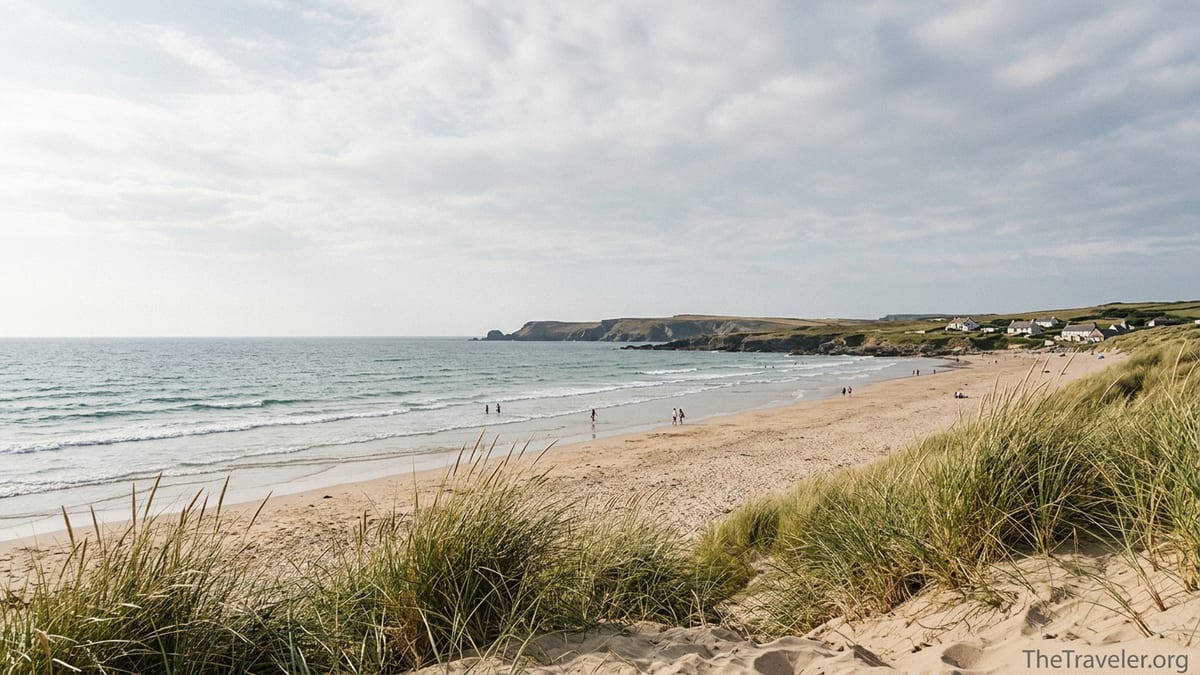
Cornwall’s Kynance Cove: Turquoise Waters and Wild Beauty
Kynance Cove on Cornwall’s Lizard Peninsula often appears in glossy UK beach rankings, and in summer you understand why. On a bright day, the sea turns a startling shade of turquoise, the sand is pale and fine, and dark serpentine rock stacks rise out of the bay. The cove is owned and managed by the National Trust, and access is on foot from a clifftop car park, roughly a 10 minute walk on a path that becomes steep and stepped as you drop down to the beach. In peak months like July and August the National Trust warns that parking can fill early and access from the main road may be closed once the car park is full, so arriving before 10am becomes important if you want a relaxed start.
Facilities are simpler than at a resort town but still holiday friendly. There is a seasonal café overlooking the cove serving things like cream teas, pasties and simple lunches, plus toilets at both the car park and near the beach. Parking charges for non-members are typically on a sliding scale, for example around a few pounds for a short stay and closer to ten pounds for all day, with payment often via coins or an app; exact prices change periodically, so it is worth checking just before you travel or bringing change to be safe. There is a seasonal dog ban on the main beach during the busiest daytime hours in high summer, which can catch pet owners out. The cove is tidal, so at high water the sandy area almost disappears and families tend to perch on flat rocks, while at low tide huge stretches of sand and caves open up.
For a summer holiday, Kynance works best as a day trip base rather than somewhere you stay directly above the sand. Most visitors combine it with nearby Lizard village or the larger town of Helston, where you will find guesthouses, holiday cottages and campsites. A common pattern is to book a cottage on the Lizard for a week, spend long, lazy mornings at Kynance or neighbouring beaches like Poldhu, then retreat inland if sea mist rolls in. If you are travelling with young children, be realistic about the walk back up to the car park at the end of the day; it is short but steep, and pushing a buggy can be hard work, so many families opt for baby carriers and lightweight beach gear rather than full cool boxes and heavy tents.
Weather has become more variable in recent UK summers, with warm spells punctuated by short-lived storms, so flexibility is important. A still, cloudy day at Kynance can be just as atmospheric as blazing sunshine, especially if you like coastal walks. The South West Coast Path runs right above the cove, and even when the beach feels packed, ten minutes’ walking often leaves the crowds behind, giving you clifftop views over the Atlantic and chances to spot seals offshore. That combination of picture postcard beach and untamed headland is what makes Kynance a standout option for a Cornish coastal escape.
Bamburgh Beach, Northumberland: Big Skies and Castle Views
On England’s northeast coast, Bamburgh offers a very different seaside experience. Here the drama comes from scale: a wide, sandy beach backed by tall dunes and dominated by the bulk of Bamburgh Castle sitting on a rocky headland. Even on a warm weekend in July or August, the beach usually feels spacious compared with southern hotspots partly because the Northumberland Coast Area of Outstanding Natural Beauty has long, open stretches and relatively low-rise development. Locals regularly walk the three mile strand between nearby Seahouses and Bamburgh with the castle as a constant landmark.
Practically, Bamburgh is easy to use as a base for a week’s summer holiday. Visitors driving up from cities like Newcastle or Edinburgh can park on Links Road behind the dunes, then walk a few minutes across sandy paths to reach the beach. There is a mix of accommodation in the village including small hotels, traditional inns with rooms, and self-catering cottages, plus cafés and pubs for meals after a day on the sand. Water quality here is consistently rated highly and the beach has gained recommendations in independent guides for cleanliness, which matters to families who want children paddling and bodyboarding.
Sea temperatures on the North Sea coast are cooler than in Cornwall, so while some hardy swimmers go without neoprene, many visitors bring wetsuits, especially for children who want to stay in the water for hours. Summer 2025 was recorded as one of the warmest UK summers, and coastal destinations like Northumberland felt the benefit with prolonged periods of pleasantly warm but not stifling weather. That makes Bamburgh appealing to travellers who find Mediterranean resorts too hot at the peak of the season. Evening walks along the sand, with sea fret drifting in below a pink sky and the castle floodlit behind you, feel comfortably cool even in late July.
Another appeal is how much there is to do nearby when the weather does not cooperate. From Bamburgh you can take boat trips to the Farne Islands to see puffins and grey seals, wander down the coast to seaside villages like Seahouses for fish and chips on the harbour wall, or drive inland to Alnwick for its famous castle and gardens. That variety, combined with a beach that seldom feels overcrowded, makes Bamburgh one of the strongest options in the UK for travellers seeking a blend of coastal escape, heritage and a slightly cooler summer climate.
Rest Bay, Porthcawl: Surf, Sands and Easy Access in Wales
On the south Wales coast, Rest Bay at Porthcawl has quietly grown into a favourite for surfers and young families who want a beach that feels active but not overwhelming. The bay stretches in a wide arc of golden sand backed by low cliffs and the greens of Royal Porthcawl Golf Club. It regularly earns Blue Flag recognition for water quality and management, and in summer RNLI lifeguards patrol the main swimming and surfing areas, giving added reassurance to visitors less familiar with the sea. For many people in Cardiff and the Welsh Valleys, this is their closest “proper” surf beach and on a warm Saturday you will see everything from kids on bodyboards to experienced riders on longboards.
Facilities at Rest Bay are better developed than at many rural Welsh beaches. A modern seafront building beside the main car park houses a café bar with big windows over the ocean, public toilets and outdoor showers. You can expect prices similar to a mid-range city coffee shop for drinks and light meals; think barista coffee, cakes, burgers and salads at broadly high-street prices rather than resort mark-ups. The pay and display car park sits just behind the sand, and visitors typically spend between a few pounds and around ten pounds for several hours of parking in peak season, depending on length of stay. There are also surf schools and rental outlets nearby where a beginner lesson with board and wetsuit might cost in the region of forty to sixty pounds for a group session, varying by season and provider.
For a summer holiday, Rest Bay works well either as a day-trip destination from Cardiff or Bristol or as a base for a few nights in Porthcawl. The town offers a mix of traditional seafront guesthouses, static caravan parks and modern holiday lets. Families with teenagers often appreciate that those who want quiet can wander west along the coast path toward Sker Beach, which is wilder and less developed, while others can stay around Rest Bay for beach volleyball, ice creams and sociable surfing. During school summer holidays, the atmosphere is lively in the afternoons but often quieter first thing in the morning and again around sunset.
Weather on this stretch of coast is changeable, with Atlantic fronts bringing showers even on otherwise sunny days. Flexible packing is worth the effort: combine swimsuits and flip-flops with light waterproofs and a warm layer so that an unexpected breeze does not cut your beach day short. On slightly cooler days, many visitors shift focus from swimming to walking the Wales Coast Path, which runs along the cliffs above Rest Bay and offers wide views over the Bristol Channel towards Somerset and Devon. That ability to pivot from beach lounging to coastal walking in a matter of minutes makes Rest Bay an especially adaptable choice for UK summer breaks when the forecast is not guaranteed.
Norfolk and Suffolk: East Coast Sands and Classic Seaside Charm
The counties of Norfolk and Suffolk on England’s east coast offer some of the most family-friendly beaches in the UK, with long, gently shelving sands and a high number of traditional seaside towns. Places like Holkham and Wells-next-the-Sea in north Norfolk, and Southwold and Aldeburgh in Suffolk, combine big open shorelines with pastel beach huts, independent bakeries and fishmongers selling local catch. Because these resorts are reachable by car from London and the Midlands in three to four hours, they are popular for week-long summer rentals, and it is common to find families booking the same holiday cottage year after year.
On the ground, a typical summer holiday here might mean hiring a classic wooden beach hut at Wells-next-the-Sea, which gives you a private changing space and somewhere to boil a kettle while children play in the shallows. Prices for hut rental vary widely, but in high season you might expect to pay a daily rate comparable to a mid-range hotel room, especially for prime positions close to the access ramps and café. In Southwold, visitors stroll the pier with its quirky arcade machines and then drop to the sand for an hour or two between meals in town. Compared with some southwest resorts, east coast towns still feel quieter on weekdays outside of the main school holiday weeks, which can suit couples and retirees.
These beaches are also well served by public transport, which matters for visitors who prefer not to drive. For example, travellers from London can take trains to Norwich or Ipswich and then transfer to local services and buses serving coastal towns like Cromer, Great Yarmouth or Lowestoft. Once there, compact town centres and promenade paths make it realistic to manage without a car, especially if you pick accommodation within a short walk of the waterfront. Many seafront guesthouses include breakfast, reducing the need to carry food back and forth to the sand.
Weather along the North Sea coast tends to be slightly drier than in the west of the UK, although sea breezes can make even a warm day feel cool if you are sitting still. Windbreaks and simple pop-up shelters are popular purchases in local hardware shops and supermarkets at the start of each summer season, and having one can transform your comfort on the beach. When conditions are too breezy for swimming or picnics, visitors often switch to exploring nature reserves like RSPB Minsmere in Suffolk or the salt marshes around Blakeney in Norfolk, where you can join boat trips to see seal colonies. For travellers looking for a traditional British seaside holiday with modern comforts, the east coast offers a strong mix of options.
Scottish Island Beaches: Hebridean Escapes Without the Crowds
For travellers willing to go further afield in search of space and cooler summer temperatures, the beaches of the Scottish islands feel almost otherworldly. On Harris in the Outer Hebrides, for instance, Luskentyre and Seilebost are sweeping bays of white shell sand fronting water that can appear Caribbean blue on a bright day, backed not by hotels but by machair grassland and low hills. Even at the height of summer these beaches can be quiet, partly because reaching them requires at least one ferry crossing and often a domestic flight from hubs like Glasgow or Inverness. That extra travel time is rewarded with room to breathe on the sand and skies that stretch from horizon to horizon.
Accommodation on the islands tends to be low-rise and locally owned, ranging from simple campsites and croft stays to design-led self-catering houses with floor-to-ceiling sea views. Prices vary depending on remoteness and standard, but visitors should be prepared for the reality that food and drink can cost slightly more than on the mainland because of transport costs. Many travellers choose to self-cater for breakfasts and some dinners, picking up groceries at community supermarkets and farm shops, then treat themselves to occasional meals out at village hotels or small restaurants serving fresh seafood. Booking ahead is vital in July and August, when capacity is limited and demand from both domestic and international visitors has risen.
Weather in the Hebrides is strongly influenced by the Atlantic, so while summer days can be mild and sunny, conditions can change quickly. It is entirely possible to experience strong winds, drizzle and brilliant sunshine all within a single afternoon. For that reason, a Scottish island beach holiday works best for travellers who enjoy walking, photography and wildlife watching as much as sunbathing. On a bright evening, watching the sun drop into the ocean at 10pm while sheep graze above the high-tide line feels memorable in a way that crowded Mediterranean promenades often do not. Wildlife highlights include sightings of otters along rocky shorelines, sea eagles overhead and dolphins offshore.
Getting to the islands requires more planning than driving to a mainland resort. Ferries open advance reservations many months ahead for peak summer dates, and popular sailings can sell out, especially weekends and the start and end of school holidays. Some visitors bring their own cars, while others arrive on foot and rely on local buses, taxis and pre-booked tours. The payoff is a kind of coastal escape that still feels off the beaten path, where the beach can be the quietest place you visit all year despite high season elsewhere in the UK.
Planning a UK Beach Holiday: Weather, Timing and Budget
Choosing the best UK beach for your summer escape is only part of the equation. Timing your visit and setting realistic expectations about weather and costs will have at least as much impact on how your holiday feels. Recent Met Office assessments have highlighted how UK summers are trending warmer overall, with particularly hot spells in some years, but also periods of heavy rain and unseasonal storms. In practice, that means late June to early September usually offers the best chance of warm, settled conditions across much of the country, but any given week can still deliver a mix of sunshine and showers.
If you can travel outside the main school holidays, early June and early September often provide a sweet spot of quieter beaches and lower prices. Families tied to July and August will find that popular resorts such as north Cornwall, Devon, and parts of Dorset and Norfolk can be noticeably busier and more expensive, with weekly cottage rentals and hotels charging their peak rates. That is one reason destinations like Bamburgh or some of the Scottish islands have seen increased interest: they offer more space, slightly cooler temperatures during heatwaves, and a feeling of escape that can be hard to find in crowded southern hotspots.
Budget wise, UK seaside holidays can range from relatively economical camping trips to high-end stays in boutique coastal hotels. A typical family of four driving to the coast for a week in summer might budget for self-catering accommodation, daily parking charges at paid car parks near the beach, café and pub meals, ice creams and activity costs such as surf lessons or boat trips. For example, an hour-long guided boat tour to an island wildlife colony or a coastal cave might cost in the region of twenty to forty pounds per adult depending on location, with discounts for children. Surf schools around popular beaches like Rest Bay or Newquay often bundle several lessons at a slightly reduced per-session rate, providing good value for beginners who want to progress beyond a single taster.
To get the most from a UK beach break, it helps to pack with versatility in mind. Lightweight layers, a compact umbrella, waterproof jackets and comfortable footwear for walking mean you can keep exploring if clouds roll in. Beach-specific gear such as windbreaks, pop-up shelters and insulated picnic bags can be bought in most coastal towns if you do not want to carry them from home, though prices in resort shops are sometimes higher than in large inland supermarkets. Planning a rough mix of beach days, sightseeing trips and indoor options such as aquariums, heritage centres or spa visits will also reduce the impact of any one washout day on your overall holiday mood.
The Takeaway
The best UK beach for your summer holiday depends on what you value most. If you dream of cinematic scenery and dramatic cliffs, Cornwall’s Kynance Cove delivers turquoise water and rock stacks, at the cost of a short but steep walk and busy peak days. If you want space, big skies and a sense of history, Bamburgh’s long sands and looming castle on the Northumberland coast offer a quieter, cooler alternative to more crowded southern resorts. For a mix of surf culture, family-friendly facilities and easy access from major cities in Wales and England, Rest Bay at Porthcawl is a strong all-rounder.
Further afield, the Hebridean islands of Scotland provide beaches that feel remote and elemental, ideal for travellers who see coastal escapes as much about wild weather and wildlife as sunbathing. Meanwhile, the gentler landscapes of Norfolk and Suffolk continue to attract those who prefer traditional seaside towns with piers, beach huts and long, shallow bays suitable for younger children. Across all these destinations, recent summers have underlined the importance of flexibility: pack for varied conditions, plan a balance of beach time and alternative activities, and be prepared to adjust your schedule around short-term forecasts.
What unites these very different stretches of coast is the way a UK beach holiday can deliver real change of pace without the need for long flights or extreme heat. Whether you are dipping your toes into the North Sea with Bamburgh Castle behind you, watching surfers carve across a Welsh wave at sunset, or standing on a Hebridean shore with only wind and seabirds for company, the right beach can make even a short break feel like a genuine escape.
FAQ
Q1. When is the best time of year for a UK beach holiday?
The most reliable months for warm, settled weather are usually late June to early September, though conditions vary year to year and short wet spells are always possible.
Q2. Which UK beach is best for avoiding summer crowds?
Northumberland’s long beaches around Bamburgh and some Scottish island beaches in the Hebrides often feel quieter in peak season than popular resorts in Cornwall and Devon.
Q3. Are UK beach holidays cheaper than going abroad?
They can be, especially if you avoid peak school holiday weeks and choose self-catering or camping, but popular areas in July and August can cost as much as some European trips.
Q4. Do I need a car for a UK coastal escape?
A car offers the most flexibility, but many east coast resorts in Norfolk and Suffolk, and some Cornish and Welsh towns, can be reached by train and bus with beaches within walking distance.
Q5. Is sea swimming in the UK safe in summer?
Sea temperatures are cool but manageable in summer. Choose lifeguarded beaches, follow local safety flags and advice, and consider a wetsuit if you plan to swim for long.
Q6. Which UK beaches are best for families with small children?
Gently shelving sandy beaches with facilities close to the shore, such as many in Norfolk, Suffolk and parts of south Wales, work particularly well for young children and parents.
Q7. What should I pack for a British beach holiday?
Bring swimsuits, warm layers, waterproofs, sun protection, sturdy shoes for coastal paths and, if possible, a windbreak or light beach shelter to cope with breezier days.
Q8. Are dogs allowed on UK beaches in summer?
Policies vary. Some beaches have seasonal daytime dog bans in high season, while others like parts of the Northumberland coast allow dogs year round, so check before you travel.
Q9. How far in advance should I book UK coastal accommodation?
For July and August, booking several months ahead is sensible, especially for popular spots in Cornwall, Devon, north Norfolk and the Scottish islands, where capacity is limited.
Q10. Can I rely on public transport to explore different beaches?
In some regions, such as parts of Cornwall, Dorset and the east coast, local buses connect multiple beaches, but services can be infrequent, so planning around timetables is essential.