


More news on this day
Blocked port calls for an LGBTQ-focused Mediterranean cruise this month are reverberating across the niche but growing queer travel market, prompting fresh scrutiny of how political and cultural backlash can abruptly reshape itineraries at sea.
Get the latest news straight to your inbox!
High-profile denials in Turkey and Egypt
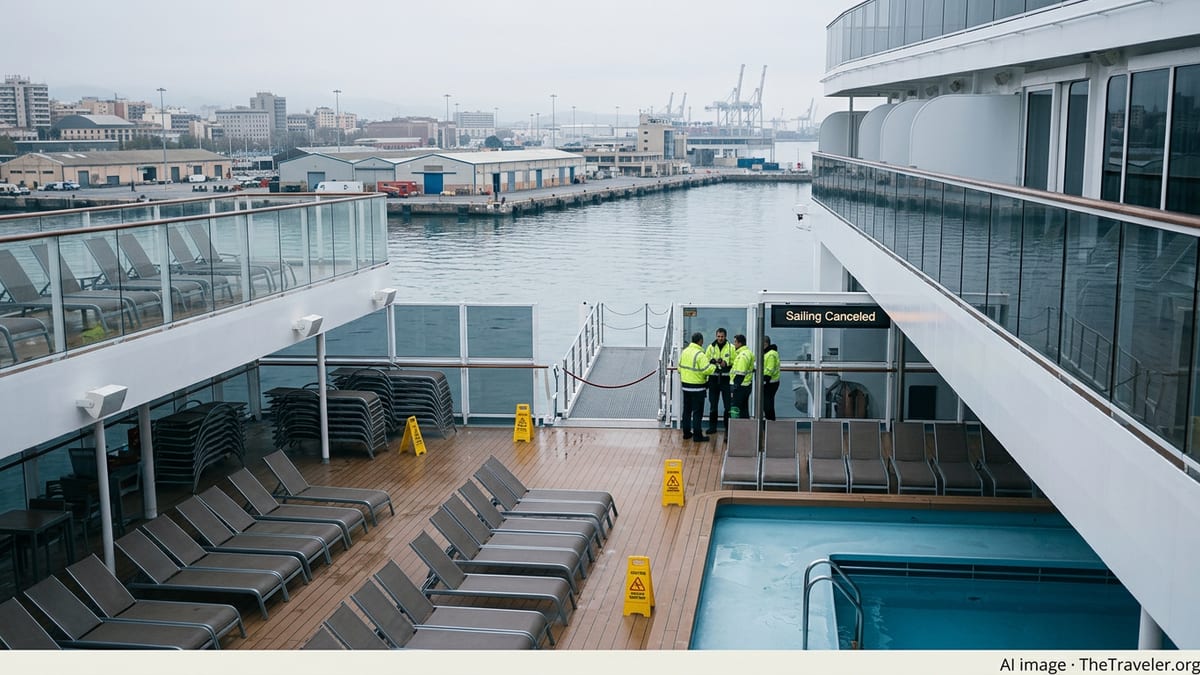
The latest flashpoint centers on a charter sailing of Virgin Voyages’ Scarlet Lady, organized by U.S.-based LGBTQ travel company Atlantis Events. The cruise departed Piraeus on July 5, 2026, for a ten-night itinerary in the Eastern Mediterranean and Adriatic, marketed heavily to gay and queer travelers. Within days, reports indicated that Turkish authorities informed organizers the ship would not be allowed to dock, citing the country’s moral and family values as justification.
Published coverage from regional and international outlets describes how pre-planned calls in Kuşadası and Istanbul were removed before departure, with Turkey characterizing the charter group as incompatible with local social norms. The refusal quickly became a domestic talking point in Turkish media, transforming a niche sailing into a symbolic flashpoint about visibility of LGBTQ travelers.
The rerouting did not stop there. According to industry reports, Egyptian authorities subsequently denied the same charter entry to Alexandria once the voyage was underway, forcing the operator to replace the call with a sea day and proceed instead to other Mediterranean ports. Local television coverage in the United States highlighted passenger frustration and confusion as guests learned that two marquee destinations had been dropped within the same week.
Publicly available information from cruise-industry publications shows the sailing still scheduled to end in Trieste on July 15, but with a markedly altered route. For LGBTQ-focused travel providers that rely on predictable access to major heritage destinations, the double denial has become a high-profile case study in how quickly political winds can close ports.
Heightened risk calculations for LGBTQ providers
The Scarlet Lady episode is landing at a time when organizers of queer cruises and tours are already operating with elevated risk assessments. Data from the International LGBTQ+ Travel Association and other advocacy groups point to a patchwork of legal environments worldwide, with some destinations strengthening protections while others introduce or enforce restrictive policies on assembly, expression, or gender diversity.
Travel companies that specialize in LGBTQ clientele increasingly frame itineraries through a safety lens. Terms and conditions published by smaller group operators, such as Pride & Passport and similar firms, now emphasize that ports and routes are subject to change in response to local regulations, port conditions, or other safety concerns. These documents highlight that legal and political shifts in host countries can force last-minute adjustments that are outside the control of the agency or the cruise line.
Industry analysts note that cruise charters centered on LGBTQ communities can face distinct scrutiny compared with standard sailings, especially in countries where Pride events or queer public gatherings have been restricted. A full-ship charter marketed explicitly to gay or queer travelers can be highly visible to local authorities, creating what some travel commentators describe as a higher risk profile than mixed-market voyages with informal LGBTQ meetups.
The result is a more complex calculus for providers: attractive itineraries through culturally significant but politically conservative regions may draw strong demand, yet they can also carry a greater chance of disruption, reputational challenges, and potential financial losses if multiple ports are withdrawn.
Passenger expectations collide with fine print
The blocked calls in Turkey and Egypt have also renewed attention on the gap between passenger expectations and cruise contracts. Across the industry, major lines reserve broad rights to change ports, arrival times, or even full itineraries for reasons that can range from weather and safety to port congestion, security assessments, or regulatory decisions.
Recent coverage in business and consumer travel media highlights how itinerary changes are becoming more common, whether due to security concerns in places like Haiti, new port fees in destinations such as Iceland, or infrastructure bottlenecks in heavily visited islands. In many cases, sailings substitute alternate ports or add days at sea, with limited compensation beyond onboard credits or partial refunds of port taxes.
For LGBTQ-focused charters, the dynamic can be particularly sensitive. Guests often pay premium prices for itineraries that promise not only famous cities and beaches but also a sense of community and visibility in specific destinations. When politically motivated restrictions lead to last-minute alterations, passengers may feel that the heart of the experience has been removed, even if the ship continues to operate safely elsewhere.
Consumer posts on cruise forums and social platforms reflect a growing awareness that “port of call not guaranteed” clauses apply equally to mainstream and niche sailings. Yet the emotional stakes can be higher on queer-focused voyages, where a denied port may be read not only as a travel inconvenience but also as a broader signal about who is welcome.
Shifting demand and destination reputations
Blocked port calls are also feeding into a longer-running conversation about how anti-LGBTQ policies affect destination reputations. Survey work by LGBTQ tourism researchers indicates that many queer travelers weigh legal rights, public attitudes, and recent news about discrimination when choosing where to visit, sometimes avoiding countries perceived as hostile even when there is no specific travel advisory.
The Mediterranean has traditionally been a strong market for LGBTQ cruises, with itineraries linking Greek islands, Italian art cities, and popular Turkish and North African ports. The recent denials in Turkey and Egypt, however, may prompt some operators to favor routes that stay within the European Union or lean more heavily on Croatia, Spain, and other countries viewed as more predictable for LGBTQ visitors.
Cruise lines and charter organizers are also considering how repeated incidents might influence long-term planning. If certain governments are seen as willing to bar ships based on passenger demographics or marketing profiles, destinations risk losing not only LGBTQ-focused charters but also a broader segment of high-spend travelers who prioritize inclusive environments.
At the same time, industry economic reports underscore the significant value cruise tourism brings to ports, from local tour operators and guides to retailers and hospitality workers. Any sustained shift away from particular destinations because of perceived hostility to LGBTQ visitors could carry tangible economic costs for coastal communities that rely on seasonal cruise traffic.
More conservative itineraries and clearer communication ahead
In the near term, observers expect LGBTQ travel providers to respond by tightening their vetting of destinations and building more contingency planning into charters. That may mean favoring ports in countries with stable legal protections for LGBTQ people, carefully timing calls to avoid politically sensitive dates, or designing backup routes that can be activated with minimal disruption.
Some agencies are already revising their pre-departure materials, adding more explicit language about the possibility of politically driven denials of entry and encouraging travelers to monitor local developments in destinations along the route. Clearer communication before booking and again in the run-up to departure may help set expectations and reduce surprise if ports are changed after final payment.
Analysts also note that the cruise sector as a whole is becoming more practiced at handling disruptions, drawing on experience from health emergencies, natural disasters, and geopolitical crises. For LGBTQ-focused sailings, that expertise is being tested in new ways, as companies confront scenarios where the ships and their passengers are turned away not because of storms or port damage, but because of who is on board.
For now, the Scarlet Lady charter continues to sail a modified course through the Adriatic, while debates over the blocked port calls play out across social media, travel forums, and political commentary. How operators absorb the lessons from this voyage is likely to shape the next generation of queer cruising itineraries, determining which destinations remain on the map and which quietly fade from promotional brochures.