


More news on this day
A British Airways flight from Barbados to London Heathrow was cancelled after members of the cabin crew allegedly drank heavily during an all-inclusive hotel stay, leaving hundreds of passengers stranded and sparking renewed debate about airline alcohol policies for staff and travelers.
Get the latest news straight to your inbox!
Reports of late-night drinking session precede cancellation
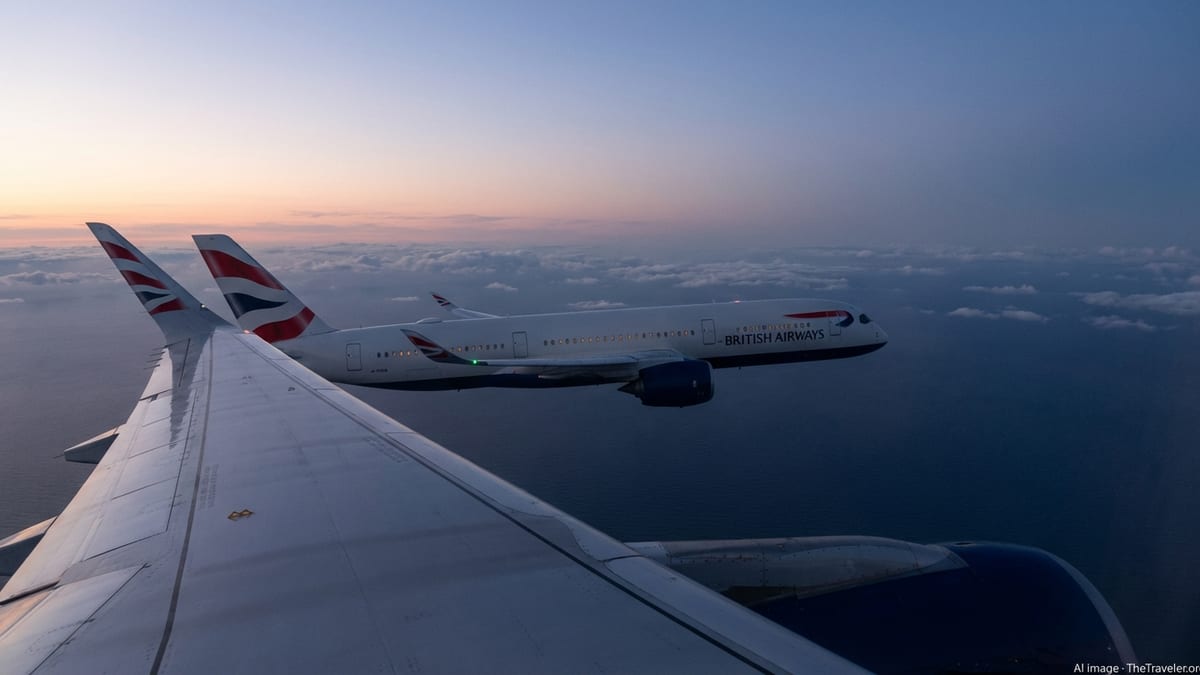
The incident involved British Airways flight BA254, due to operate from Bridgetown, Barbados, to London Heathrow on 5 July 2026. The service, typically operated by a Boeing 777 with capacity for more than 300 passengers, was removed from the schedule on the day of departure after a number of crew members were reportedly deemed unfit to work.
According to UK tabloid coverage and subsequent international reporting, some members of the cabin crew are said to have taken full advantage of an all-inclusive resort package during their layover. Accounts describe a late-night "vodka and beer session" at the hotel bar, after which at least two crew members were allegedly visibly unwell, including one who reportedly collapsed.
Publicly available flight-tracking data shows that BA254 did not operate its planned Sunday departure, consistent with a same-day cancellation. Aviation blogs and consumer sites indicate that the aircraft later returned to London without passengers, suggesting the airline opted to reposition the jet while arranging alternative travel for affected customers.
British Airways has not publicly detailed the sequence of events or confirmed specific allegations regarding the crew, but media summaries of the company’s response state that it is "investigating" and that staff are expected to meet strict professional and safety standards.
Passengers stranded as Barbados holiday plans unravel
The short-notice cancellation left an estimated several hundred passengers facing an unexpected extra night in Barbados and uncertainty over onward connections. Social media posts and travel forums referenced disrupted itineraries for families returning from holidays, as well as business travelers trying to reach London in time for meetings.
Reports indicate that affected passengers were instructed to seek assistance at the airport and were later provided with hotel accommodation and meal vouchers while new flights were sourced. Some customers described long waits for information and difficulty rebooking during the busy summer travel period, when alternative seats to London are limited.
Bridgetown is a major gateway for Caribbean package holidays, and a single long haul cancellation at the tail end of peak season can create a ripple effect of missed connections onward to Europe and beyond. Travelers connecting from smaller islands or cruise ships can find themselves particularly exposed when a flagship service is pulled at short notice.
The incident follows a series of recent examples across the global airline industry in which operational disruptions have left passengers sleeping in terminals or scrambling for scarce hotel rooms in resort locations, intensifying scrutiny of how carriers handle care obligations when flights do not depart as planned.
Airline obligations and passenger rights under UK and EU rules
British Airways is subject to the UK’s interpretation of European-style passenger protection laws, often still referred to by travelers as EU261. Under these rules, when a flight is cancelled at short notice and passengers are re-routed, airlines are generally required to provide meals, refreshments, and hotel accommodation as necessary while customers await a replacement service.
Guidance on the airline’s own website explains that when cancellations occur close to departure, passengers may be entitled to rebooking on the next available British Airways or partner flight, or to a refund of the unused portion of their ticket. The airline also outlines procedures for claiming statutory compensation in specific circumstances, depending on the cause of disruption and notice given.
In situations where internal staffing or operational issues prevent a flight from operating, compensation can be payable if the cause is not classified as an extraordinary circumstance. Legal commentators frequently note that crew-related problems have, in previous court decisions, been treated differently from weather or air traffic control issues when compensation claims are assessed.
Consumer advocates therefore expect significant interest from passengers on BA254 in pursuing refunds, cost reimbursement and, potentially, additional compensation, particularly if it is established that the cancellation stemmed from conduct that breached internal standards rather than unavoidable external events.
Spotlight on airline alcohol rules for crew
The Barbados incident has renewed focus on how airlines manage alcohol consumption by on-duty and off-duty crew. Most major carriers, including British Airways, impose strict limits on drinking in the hours before a flight, typically backed by internal testing regimes and fitness-to-fly checks that reflect national aviation authority regulations.
Industry guidance generally prohibits crew from consuming alcohol within a set time window before reporting for duty, often eight to twelve hours, and from flying while under the influence. Cabin crew and pilots who breach these rules can face disciplinary action that ranges from removal from a single duty to suspension or dismissal, and in some jurisdictions potential criminal penalties.
Aviation safety experts point out that even moderate alcohol consumption can impair judgment, reaction times and situational awareness, especially when combined with fatigue and time-zone changes. Airlines therefore tend to take a conservative approach, particularly on long haul routes where crews may already be operating at the limits of duty-time regulations.
The widely reported description of an off-duty "vodka and beer" session before BA254 has sparked debate among travelers about whether all inclusive contracts at resort destinations are appropriate for crew accommodation, or whether carriers should favor hotels and arrangements that explicitly restrict alcohol access during layovers.
Rising concern over alcohol and air travel
While this case centers on staff conduct, it comes against a backdrop of increased concern about alcohol-related incidents among passengers as well. Regulators and trade bodies in Europe and North America have highlighted episodes of disruptive behavior, diversions and even emergency landings linked to intoxication in recent years.
Some industry observers argue that the ready availability of alcohol in departure lounges and on board long haul flights contributes to a culture in which boundaries can become blurred for both staff and travelers. Others maintain that the vast majority of passengers consume alcohol responsibly and that a small minority are responsible for the most serious disruptions.
Campaigns backed by airports, airlines and aviation authorities have focused on messaging around "fly responsibly" and reminders that being unfit to fly, whether as a crew member or a passenger, can carry significant consequences. These range from denied boarding and fines to bans from specific carriers and possible criminal charges in the most extreme cases.
The British Airways cancellation in Barbados has added a high profile example of crew-related disruption to this wider debate, underscoring that alcohol policy in aviation is not only a matter of passenger behavior but also of maintaining strict professional standards among those responsible for safety in the cabin and the cockpit.