


More news on this day
False bomb threats targeting commercial flights across Europe, combined with fresh security messaging from the United States about protests and strikes in France, are forcing travelers to navigate a more jittery landscape across the continent on November 5.
Get the latest news straight to your inbox!
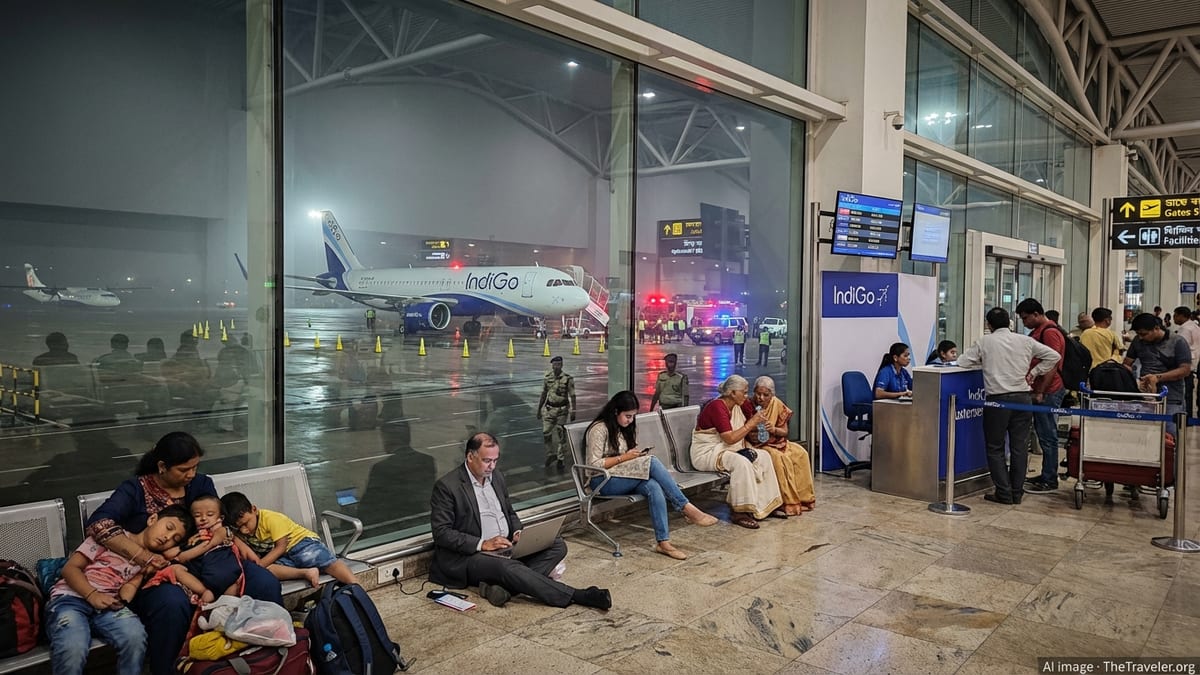
False Bomb Threats Disrupt Flights Across Europe
Bomb threats directed at commercial flights have triggered diversions, military escorts and emergency inspections at airports across Europe in recent days, with disruptions continuing into November 5. Published coverage from international news outlets indicates that at least a dozen flights have been affected since November 3, including services operated by Aer Lingus, Finnair, Ryanair, Wizz Air, LOT Polish Airlines and Scandinavian Airlines on routes linking major hubs such as Dublin, Rome, Milan, Warsaw, Vienna and Bucharest.
Reports indicate that none of the threats have resulted in the discovery of explosive devices. Aircraft have generally landed safely, been isolated on airport aprons or at military bases, and then searched by security teams before being cleared. Intelligence briefings cited in aviation-focused reporting describe the wave of alerts as a coordinated series of “malicious hoaxes” that nonetheless tie up airport capacity, divert police and emergency services, and leave aircraft and crews out of position for subsequent flights.
On November 5, Italian Eurofighter jets escorted at least one Finnair flight approaching Rome after a bomb threat was received while the aircraft was in the air. In France, an Aer Lingus service from Dublin to Rome was redirected to the Évreux air base in Normandy after authorities were alerted to a threat as the plane transited French airspace. Separate published accounts describe three Ryanair flights being walked through Bulgarian airspace by fighter jets, along with earlier incidents involving LOT and Scandinavian Airlines flights bound for Warsaw that were diverted or subjected to intensive screening.
Aviation security analysts note that even when proven false, bomb threats can cascade through airline and airport operations. Diversions require the rapid allocation of stands and buses, emergency landings can trigger temporary runway closures, and aircraft that end up at secondary airports must be repositioned later, often leading to delays and cancellations for travelers well beyond the original routes involved.
What Travelers Need to Know About the Flight Threats
For travelers with flights in or over Europe on November 5, publicly available information suggests that there is no evidence of explosives linked to the current series of threats. However, passengers may still experience longer journeys, inspections on arrival and, in some cases, unplanned stops at alternative airports. Airlines affected in recent days have generally completed security sweeps and then returned aircraft to service once cleared.
Travelers flying to or from major hubs such as Rome Fiumicino, Milan Malpensa, Warsaw Chopin and Vienna are being advised by airlines and airport operators, through public statements and operational updates, to arrive earlier than usual and to pay close attention to departure boards and airline notifications. Diversions to nearby airports such as Warsaw Modlin have been used repeatedly in recent incidents, reflecting contingency planning that predates this latest wave of threats.
Security experts quoted in recent analyses emphasize that hoax bomb alerts can be difficult to distinguish from credible threats in real time, which is why carriers and airports treat each case cautiously. That cautious approach, while disruptive, is designed to maintain passenger safety while law enforcement and aviation security specialists assess patterns and attempt to trace the sources of the messages, some of which have reportedly arrived by email claiming to represent fringe groups.
Because many of the affected routes link European capitals and popular city-break destinations, travelers with tight connections to trains, ferries or low-cost onward flights may be particularly vulnerable to missed connections. Travel risk consultancies currently recommend building in generous buffers between separate tickets, purchasing flexible fares where possible, and ensuring that email and mobile contact details are up to date in airline bookings so that any last-minute gate or routing changes are received promptly.
U.S. Embassy Issues Fresh Security Alert for France
As airlines and airports manage the bomb threat hoaxes, travelers to France are confronting a different kind of disruption. On November 5, the U.S. Embassy in Paris issued a new security alert highlighting a nationwide, multi‑sector strike that is expected to affect rail networks, including the Paris Metro, as well as other public services. Coverage in travel industry trade publications notes that the alert warns U.S. citizens to prepare for severe transport disruptions, potential curfews in some areas and the possibility of localized violence on the margins of demonstrations.
The alert supplements the standing U.S. Department of State Level 2 advisory for France, which urges travelers to exercise increased caution due to risks such as terrorism and civil unrest. The latest communication from the embassy underlines that demonstrations and strikes, while often planned and publicly announced, can shift routes or escalate with relatively little notice. Travelers are being encouraged to avoid large gatherings, steer clear of known protest sites in Paris such as Place de la République, Place de la Bastille and Place de la Nation, and follow instructions disseminated through local media and official channels.
European foreign ministries have issued similar notices in recent days. Germany’s Federal Foreign Office, for example, has updated its France travel guidance to mention a general strike scheduled for early November and to caution that further demonstrations and occasional clashes cannot be ruled out. French authorities themselves continue to rely on tools such as the nationwide FR‑Alert mobile notification system to push safety information to devices located near unfolding incidents.
Travel advisories reviewed by travel safety specialists also reiterate longstanding recommendations for visitors to France: remain alert at popular tourist sites, be prepared for bag checks at public buildings and transport hubs, and allow extra time when moving through key interchange points such as major train stations and airports on days when strikes or protests are anticipated.
Practical Advice for Navigating France on Strike Day
On November 5, the main impact of the U.S. embassy’s latest message for most travelers is likely to be logistical rather than security‑related. Publicly available rail operator information indicates that nationwide strikes typically reduce the frequency of long‑distance trains and regional services and may shut down sections of urban systems, particularly at peak times. In Paris, that can translate into packed remaining Metro and RER trains, longer waits for buses and increased reliance on taxis and app‑based ride services.
Given the overlap between air travel disruptions and ground transport challenges, passengers arriving on diverted or delayed flights into French airports on November 5 may find it harder than usual to complete the final leg into city centers. Travel planners recommend checking rail status directly with operators such as SNCF and the Paris transport authority before leaving the airport, and considering backup options such as shared shuttles or pre‑booked private transfers when critical appointments or time‑sensitive connections are involved.
Hotel and tour operators in France are continuing to operate, according to recent travel industry reporting, but many are adjusting meeting times, excursion schedules and airport transfers to reflect the reduced capacity of public transport. Travelers with pre‑booked museum entries, restaurant reservations or timed experiences on strike day may wish to build in wider time windows for cross‑town journeys or, where possible, rebook for dates when the Metro and regional trains are running normally.
Security guidance shared by universities and corporate travel programs for trips to France this autumn also emphasizes the value of registering itineraries with consular services, such as the U.S. Smart Traveler Enrollment Program, so that travelers can receive targeted updates if demonstrations, strikes or other security matters affect specific cities or regions during their stay.
Ethics, Optics and the “Alito Miscalculation” in the Background
Against this backdrop of operational turmoil, debates about judicial ethics and travel are unfolding in the United States, with implications for how high‑profile trips are viewed by the public. Commentary in recent U.S. media has revisited Supreme Court Justice Samuel Alito’s past acceptance of luxury travel from a hedge fund billionaire, a subject first detailed in investigative reporting that described private jet flights and upscale resort stays and questioned whether those benefits were fully disclosed under federal gift and travel rules.
New opinion pieces and political analysis speak of an “Alito miscalculation,” arguing that underestimating public scrutiny of such trips has fueled wider calls for a binding code of conduct for the Supreme Court, including clearer rules on gifts, hospitality and travel funded by wealthy individuals with potential interests before the court. While these analyses focus on institutional integrity rather than tourist safety, they unfold at the same time that ordinary travelers see their own movements tightly regulated through security checks, identification requirements and detailed advisories.
The juxtaposition is not lost on observers who follow both aviation security and judicial ethics. In Europe this week, commercial passengers are confronting diversions, searches and heavy‑handed responses to hoax bomb threats, while in the United States, legal scholars and advocacy groups are pressing for stronger oversight of how senior officials travel, with a particular focus on transparency and conflicts of interest. Publicly available commentary suggests that, together, these debates are shaping perceptions of whether the rules governing travel are being applied evenly, from economy‑class flyers to those at the highest levels of government.
For travelers planning trips that involve both Europe and the United States, the combined effect of false bomb threats, protest‑related disruption and renewed attention to the ethics of official travel contributes to a sense that mobility is under scrutiny from many directions at once. Clear information from airlines, embassies and transport providers, along with candid public discussion about how rules are enforced, will be central to restoring confidence as the busy winter travel season approaches.