


More news on this day
Soaring airfares, higher accommodation costs and broader cost of living pressures are converging ahead of the 2026 winter season, raising concerns that many households will pull back on holiday trips even as pent-up demand to travel remains strong.
Get the latest news straight to your inbox!
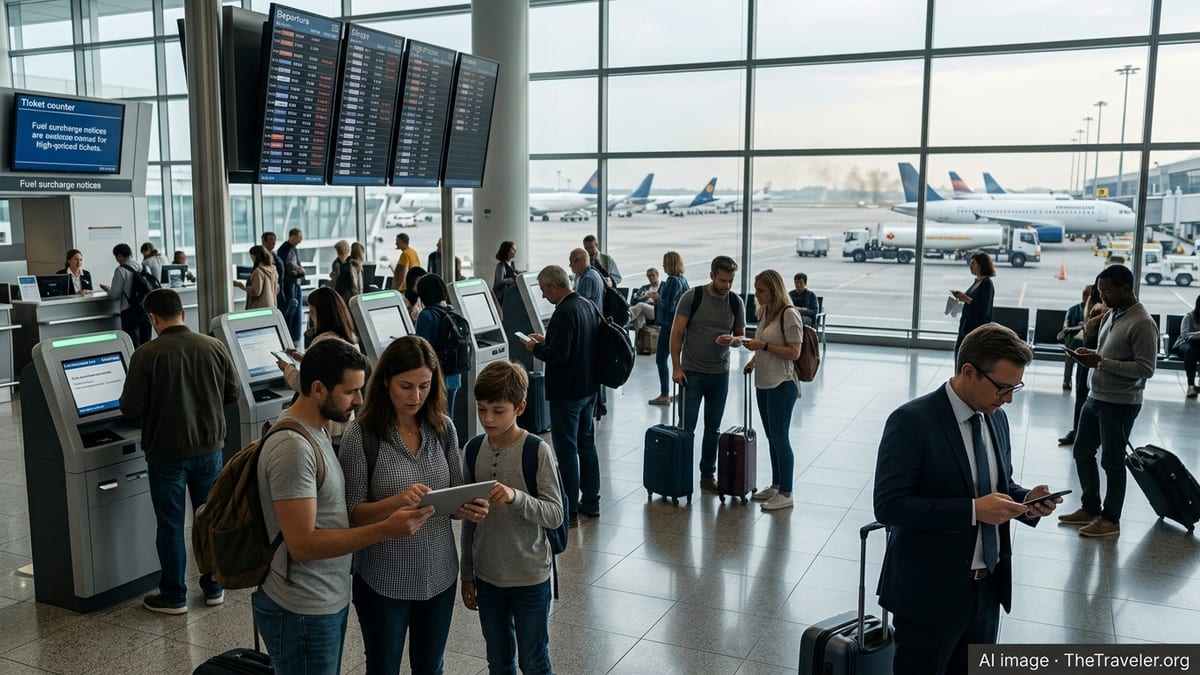
Airfare and fuel costs squeeze winter flyers
Across major markets, publicly available data points to persistently high airfares heading into late 2026, with fuel costs and capacity constraints limiting any relief for winter travelers. Industry economics reports from the International Air Transport Association for June 2026 describe a jet fuel price shock that is expected to push up passenger yields and encourage airlines to trim some capacity rather than cut prices, keeping fares elevated into the new year.
Consumer-facing analyses echo that trend. A U.S. travel price tracker compiled in October 2026 found that airfares were more than 20 percent higher in September 2026 than a year earlier, even before typical winter peaks, and separate research from travel-booking platforms indicates that tickets for the 2026 holiday period are already at or near decade highs. At the same time, reporting on airline financial results in the United States notes that strong demand through most of 2026 has enabled carriers to pass a greater share of fuel and labor costs on to passengers rather than absorb them.
In Europe, recent coverage of budget carrier forecasts suggests that some low cost airlines expect average ticket prices in 2027 to be as much as one fifth higher than in 2026 if current fuel and geopolitical conditions persist, underlining that the current winter may only be an early stage in a longer period of elevated prices. Although there are signs of softer demand on certain routes, particularly where competition has weakened or consumer confidence is fragile, analysts describe the broader picture as one in which the market adjusts primarily through higher fares rather than a meaningful reduction in flying.
These trends mean that travelers hoping for last minute bargains on winter flights are more likely to encounter stubbornly high prices and heavy use of ancillary fees. Industry outlooks for 2026 highlight that revenue from extras such as seat selection, baggage and priority boarding is growing faster than basic ticket revenue, increasing the gap between headline fares and the final price paid by passengers.
Hotels and package holidays test household budgets
Accommodation and package holiday prices are also adding to the pressure on winter travel budgets. In Europe, official statistics agency data released in September 2026 show that package holiday prices in the European Union were 3.2 percent higher in August 2026 than in August 2025, broadly in line with overall inflation but on top of several years of post pandemic increases. While flight prices in the same dataset have fluctuated month to month, the direction for all inclusive trips remains upward as operators face higher wage, energy and financing costs.
In the United States, private sector travel indexes point to hotel rates that are flat or slightly higher compared with last year on average, but more expensive around key winter peaks. A recent holiday travel outlook from one major fare prediction app reports that nightly hotel prices over Christmas 2026 are averaging close to 200 dollars, an increase of nearly one fifth on Christmas 2025, even as typical winter demand remains concentrated in a limited number of ski and sun destinations.
The gap between budget and luxury properties also appears to be widening. Industry research on mountain resorts for the 2025 to 2026 ski season indicates that luxury lodging in North American ski areas led on both average daily rates and revenue per available room, while economy properties saw declines on those measures. At large resort operators, regulatory filings highlight concerns that ongoing inflation in travel and everyday living costs could erode guests’ discretionary spending, particularly among lower and middle income households that are more sensitive to price increases.
These patterns suggest that travelers willing to compromise on location or amenities may still find reasonable winter deals, but those seeking full service resorts or peak date city breaks are likely to face higher costs across the board. For families already contending with higher mortgage payments, rents and utilities, such increases may be enough to turn an international ski week or festive city break into a shorter, more modest trip or a decision to stay home.
Demand remains resilient but uneven
Despite the budget squeeze, demand indicators show that many people still plan to travel this winter, though with growing caution. A late 2026 holiday outlook by a major consulting firm finds that roughly 40 percent of surveyed consumers intend to travel over the winter holidays, only slightly below the previous year, while another sizeable share remains undecided rather than definitively canceling plans. The same research stresses that travelers are less willing to “pay any price” for a trip and are more focused on extracting value from each dollar spent.
Bank card data summarized in a mid 2026 economic briefing from a large U.S. financial institution paints a similar picture. Total spending on airlines and lodging per household continued to grow year over year into the summer of 2026, but transactions volumes, particularly for air travel, have softened, pointing to fewer trips that cost more per journey. The analysis also notes a clear divergence by income level, with higher income households still increasing their travel outlays while lower income households show flat or declining spending in many categories.
On the ski slopes, winter sports travel illustrates how these dynamics are playing out. Payments data analyzed by a global card network for the 2025 to 2026 European ski season shows spending linked to ski travel growing more than 20 percent year over year across major resorts in nine countries, even as the daily cost of such trips rose faster than broader consumer spending. At the same time, specialized research into North American ski travel indicates that weather volatility and mixed snowfall patterns left western U.S. resorts with significantly reduced open terrain and revenue, while the Northeast enjoyed strong visitation, suggesting that both climate and cost pressures are reshaping where and how people choose to ski.
Industry wide forecasts therefore point to a winter season in which overall travel volumes may hold up or edge slightly lower, but with sharper divides between premium and budget segments and between regions that are easier or cheaper to reach. For destinations that rely heavily on long haul visitors or costly packaged experiences, even a small pullback in middle market demand could translate into softer bookings and greater uncertainty.
How travelers are adapting their winter plans
Faced with higher prices, many travelers are already adjusting the way they plan and purchase winter trips. An international travel sentiment survey produced in 2025 by a large assistance provider found that a majority of respondents who expected inflation to affect their travel were prepared to downgrade aspects of their holidays. Around six in ten respondents in Europe and the Middle East cited choosing cheaper accommodation as their first adaptation, with similar shares in North Asia and the United States. Others reported shortening trips, choosing closer destinations or paying more attention to the cost of living in the places they visit.
More recent consumer research suggests that technology is playing a growing role in these strategies. The 2026 holiday outlook from the consulting sector referenced earlier notes that around 60 percent of winter travelers plan to use artificial intelligence tools at some point in the booking process, most commonly to compare hotel and flight prices, seek cheaper alternatives or build itineraries that make better use of a fixed budget. With fares and room rates fluctuating rapidly, such tools are gaining traction among cost conscious travelers looking to time purchases or identify less obvious options.
Travel price trackers and financial advice outlets also report rising interest in tactics such as shifting departure dates away from the busiest days around Christmas and New Year, departing from secondary airports, or mixing modes of transport. Analyses of past booking patterns show that travelers who move trips to shoulder periods, such as early December or mid January, can often save a substantial share off peak airfare, though that window may narrow in years when overall capacity is tight.
Some households are responding by reallocating spending rather than abandoning trips altogether. Travel economists describe a pattern in which consumers cut back on dining out, retail purchases or entertainment at home to preserve at least one significant annual holiday, albeit with fewer extras. Others are opting for regional road trips, short term rentals with kitchens instead of hotels, or visits to friends and relatives, all of which can reduce daily costs compared with resort based stays.
Risks ahead for destinations and the wider travel economy
The emerging winter 2026 picture carries risks for the broader travel economy as well as for individual households. Tourism policy reports from international organizations emphasize that inflation, capacity constraints and growing scrutiny of tourism’s local impacts were already challenging the sector before this latest round of fuel and cost shocks. If winter travel becomes unaffordable for a larger share of the population, operators may be pushed to seek more revenue from a narrower base of higher spending visitors, potentially intensifying debates over access and inclusivity.
For destinations that depend heavily on predictable winter peaks, such as ski towns and sun belt resorts, a combination of volatile weather and price sensitive demand could complicate investment and staffing decisions. Corporate filings from major resort companies during 2026 warn that inflation in travel and daily living costs could weigh on guests’ willingness to visit, particularly if weak snowfall or extreme weather shortens seasons and reduces advance bookings.
At the same time, there are signs that some of the current pressures may spur experimentation. Travel industry analysts point to increased interest in flexible booking policies, dynamic discounting in response to slow periods, and new ancillary products such as weather related trip insurance or bundled public transport passes. As winter 2026 approaches, how widely such measures are adopted, and how travelers respond, is likely to determine whether the coming season is remembered more for resilience or retreat in the face of a tightening household budget.