


More news on this day
A fresh wave of hoax bomb threats targeting passenger jets across Europe on November 5 has disrupted air travel and sharpened attention on aviation security, just as updated security guidance from the United States urges travelers to France to remain alert in crowded public places and transport hubs.
Get the latest news straight to your inbox!
Fresh Wave of Bomb Threats Disrupts European Air Travel
Reports from multiple outlets on November 5 describe at least a dozen commercial flights across Europe subjected to bomb threats, emergency procedures and, in some cases, diversions. The incidents follow an earlier cluster of hoax threats earlier in the week, creating a rolling pattern of disruption between November 2 and 5.
According to published coverage, affected flights involved several European carriers and routes, including services operated by low-cost and national airlines. Routes connecting Dublin, Rome, Milan, Vienna, Warsaw, Sofia and other hubs were among those impacted as flight crews received threat notifications midair or shortly before landing, triggering established in-flight security protocols.
In one of the most widely reported cases, an Aer Lingus flight from Dublin to Rome was diverted to the Évreux military air base in Normandy after a bomb threat was reported while the aircraft was en route to Italy. Separate coverage notes that a Finnair service to Rome was escorted by Italian fighter jets after a threat was received, before landing safely and undergoing security checks on the ground.
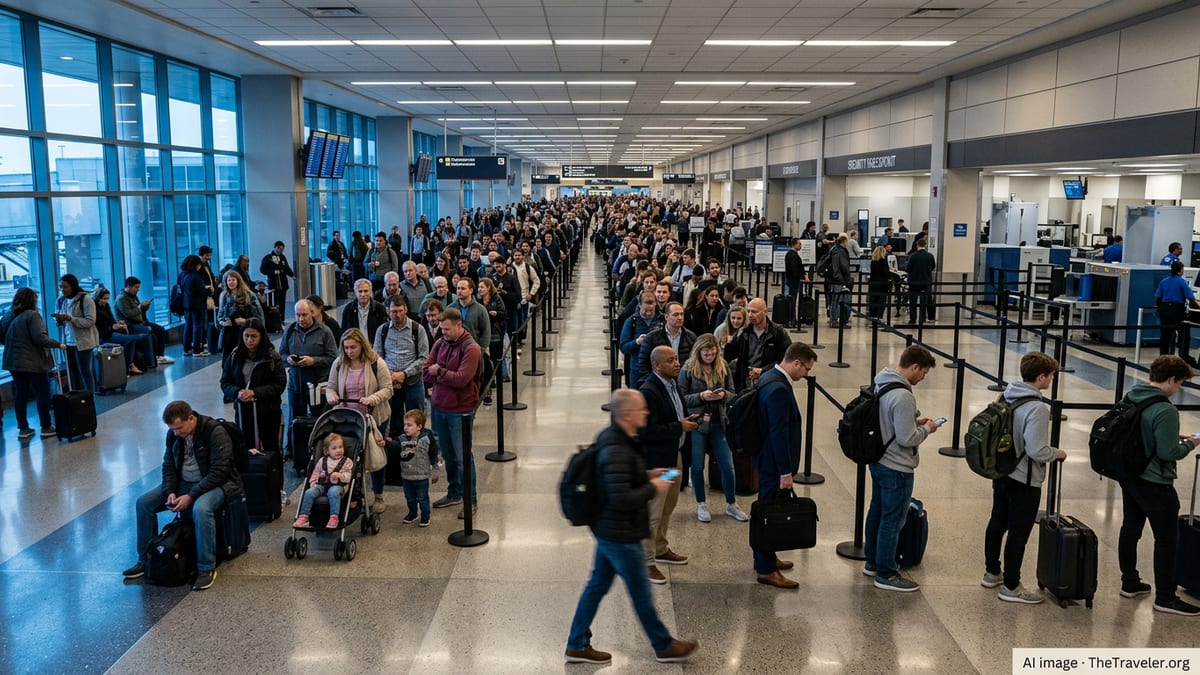
Authorities across several countries have described the alerts as hoaxes after repeated searches found no explosive devices on board. Nonetheless, the volume and geographic spread of the threats have significantly disrupted passengers’ plans, contributing to delays, missed connections and crowded terminal conditions as aircraft are searched and cleared.
Patterns Across Europe: From Isolated Alerts to a Coordinated Wave
What initially appeared to be isolated incidents earlier in the week has evolved into a clear pattern across Europe. Coverage over the past three days indicates that more than twenty flights have been affected since November 2, with clusters of incidents reported on November 3 and again on November 5.
Reports indicate that flights involving airlines such as Ryanair, Wizz Air, LOT, easyJet, Finnair, Aegean, Aer Lingus, Austrian Airlines and SAS have been among those targeted. A breakdown published by one travel-focused outlet suggests that services to or from cities including Sofia, Prague, Rome, Warsaw, Vienna, Milan and Budapest, as well as the diversion of at least one aircraft to Évreux in France, form part of the current wave.
In several cases, military jets were scrambled to escort passenger planes to designated airports where they could land under heightened security. In others, aircraft continued to their planned destinations but were met by enhanced police or security presence on the runway and at terminal gates. Airline statements cited in media reports emphasize that all security protocols have been followed and that, to date, the threats have been assessed as baseless once searches are completed.
The timing of the threats has raised questions among analysts about whether the messages are coordinated or opportunistic. Some coverage notes that at least one email threat was sent on behalf of a self-described activist group, while others provide no public detail on the origin of the alerts, reflecting the sensitivity of ongoing investigations.
Samuel Alito Miscalculation Becomes a Cautionary Tale
Separate commentary circulating in US and European media in recent weeks has highlighted a travel-related miscalculation associated with US Supreme Court Justice Samuel Alito, who has drawn scrutiny over past international travel and ethical disclosures. While current reporting on the November 5 bomb threats does not directly link any incident to Alito, the renewed focus on security and perception around high-profile figures traveling abroad has resurfaced discussion of earlier controversies.
Publicly available ethics reports and investigative coverage show that questions around judicial travel, hospitality and disclosure have become a recurring topic in the United States. Commentators have pointed to misjudgments over how such trips are reported or perceived, framing them as “miscalculations” that underestimate public concern over transparency and security when senior officials move across borders.
In the context of the present aviation scare, that miscalculation is increasingly framed as a broader cautionary tale for high-profile American travelers in Europe. Analysts note that detailed itineraries, publicly known hotel choices and predictable travel patterns can create additional exposure during periods of elevated threat activity or high media attention, even when no direct link exists between those travelers and specific security incidents.
For ordinary passengers sharing the same routes, the lesson is more practical than political. Travelers are being encouraged by commentators and risk consultants to pay closer attention to how quickly security conditions can change along a route, to maintain flexibility with connections, and to monitor official alerts in real time, particularly when traveling alongside diplomatic, military or other high-visibility delegations.
US Issues Updated Security Guidance for Travel to France
The heightened concern around air travel in Europe coincides with updated guidance for France on the official US travel advisory platform. As of late October, the advisory maintains France at a Level 2 rating, which encourages travelers to exercise increased caution. The advisory notes persistent risks related to terrorism and civil unrest, as well as the possibility of spontaneous demonstrations that can affect transport hubs and tourist areas.
The advisory specifically highlights crowded locations such as transportation centers, tourist sites, retail zones and venues hosting major events as areas where travelers should remain particularly alert. Travelers are urged to stay aware of their surroundings, follow instructions from local security personnel where applicable and monitor local media for evolving information about disruptions or incidents.
US messaging on France also underscores that demonstrations and strikes may take place with limited advance notice. These events can lead to road closures, changes to public transport schedules and access restrictions around train stations or airports. Although most demonstrations remain peaceful, the advisory notes that even nonviolent gatherings can significantly delay airport transfers or onward travel, especially in and around Paris.
While the wave of bomb threats on November 5 primarily affects flights within the wider European network, the diversion of a Dublin to Rome flight to a French military base and the country’s prominent position in transatlantic travel ensure that many US visitors will be transiting or arriving in France as the situation continues to develop.
What Transatlantic Travelers Should Watch on November 5 and Beyond
For US travelers currently en route to Europe or planning trips in the coming days, the most immediate impact of the hoax threats is operational rather than direct physical risk. Published information so far indicates that all reported aircraft have landed safely and that no explosive devices have been found. The main consequences have been delays, diversions and extended time spent in terminals or on parked aircraft while security checks are completed.
Travel analysts recommend building additional margin into itineraries that include tight connections through major European hubs, especially where flights route through airports such as Rome Fiumicino, Vienna, Warsaw, Sofia, Milan or Paris. Flexible tickets and travel insurance that clearly cover missed connections due to security incidents can reduce the financial impact if a flight is diverted or significantly delayed.
Passengers bound for France in particular are encouraged to monitor both the overarching US travel advisory and consular security messages issued for Paris and other major cities. These alerts often flag upcoming demonstrations or short-notice changes in local security posture, including increased patrols at train stations, tourist landmarks and airports when the national alert level is raised under the country’s Vigipirate security framework.
For the moment, the November 5 wave of bomb threats appears to form part of a series of malicious hoaxes rather than a credible attack campaign. Even so, the incidents underline how quickly aviation and urban mobility across Europe can be disrupted, and why travelers transiting the continent are being urged by public guidance and expert commentary to remain adaptable, informed and prepared for sudden changes to their plans.