


More news on this day
A wave of bomb threats targeting commercial flights across Europe has forced emergency landings, fighter-jet escorts and security sweeps in recent days, coinciding with an updated United States advisory urging travelers to exercise increased caution in France.
Get the latest news straight to your inbox!
Third Day of Disruptions Across European Skies
Published reports indicate that at least 14 to 15 flights across Europe were hit by bomb alerts on November 5, marking the third day of disruption to the region’s air traffic in less than a week. Coverage from international outlets describes a pattern of emailed or phoned-in threats that prompted diversions, ground holds and intensive security checks, with no explosives discovered so far.
The latest incidents follow similar alerts earlier in the week affecting flights to Warsaw, Rome, Sofia, Vienna and other destinations. News agencies and aviation trackers show that the affected services span full-service and low-cost carriers, with itineraries originating in countries including Ireland, Finland, the United Kingdom, Israel, Italy and Poland.
Aviation-focused coverage notes that these threats are emerging against a broader backdrop of “hybrid” security concerns in Europe, including recent drone incidents near airports and cyber interference in critical infrastructure. For travelers, the immediate effects have been prolonged delays, unscheduled stops and heightened security procedures at several major hubs and regional fields.
Despite the scale of the alerts, publicly available information indicates that all affected aircraft landed safely and that passengers were eventually allowed to continue their journeys once checks were completed. Authorities and carriers continue to treat each incident as credible until proven otherwise, which is contributing to rolling disruption even in the absence of confirmed devices.
High-Profile Diversions in France, Italy, Belgium and Bulgaria
One of the highest-profile disruptions on November 5 involved Aer Lingus flight EI402 from Dublin to Rome, which was diverted into the French military air base at Évreux in Normandy after a threat was reported while the aircraft was in French airspace. According to detailed flight-tracking data cited in media coverage, the Airbus A320 broke off its normal route south of Paris and headed northwest to the more isolated airfield for inspection.
Reports from European broadcasters and wire services state that French military jets were scrambled to accompany the Aer Lingus aircraft before landing. Passengers and crew were disembarked and moved to a secure area while bomb-disposal specialists examined the jet and its cargo. Subsequent updates from prosecutors referenced in news reports indicate that no explosive device was found on board.
Italy has seen related activity, with coverage from Italian and international outlets describing a Finnair flight from Helsinki to Rome being met by Italian Air Force fighters before landing at Rome Fiumicino under heightened alert. Earlier in the week, at least two separate flights bound for the Italian capital had already been subject to bomb threats sent via anonymous emails.
Further east, flights have been disrupted in Bulgaria, Austria and Poland. Bulgarian transport authorities, cited in regional reporting, confirmed that an Austrian Airlines service from Tel Aviv to Vienna made an unscheduled landing in Sofia in October after a bomb threat was relayed to airport staff. In Poland, multiple flights to Warsaw’s main Chopin Airport and the city’s Modlin Airport have undergone security inspections after similar alerts, adding to a growing list of incidents that have not yielded any confirmed explosives.
US Issues Heightened Caution Advisory for France
The surge of hoax bomb threats has emerged just weeks after the United States adjusted its travel advisory for France. According to the U.S. Department of State’s public advisory database, France is currently listed at Level 2, “Exercise Increased Caution,” as of an update dated October 21, 2026, citing risks related to terrorism and civil unrest.
Local and national media in the United States have reported on the advisory in recent days, highlighting official guidance that visitors should remain alert in public spaces, particularly in transportation hubs, tourist areas, large events and other crowded locations. The advisory does not instruct travelers to avoid France but emphasizes that they should stay aware of their surroundings, follow instructions from local security personnel and be prepared for security-related disruptions.
This country-specific notice is layered on top of a broader Worldwide Caution message issued by the United States in July 2026, which underscores global concerns over terrorism, demonstrations and other security incidents that could affect U.S. citizens abroad. For trips to France, this means that the current wave of aviation hoaxes is being evaluated within an already heightened awareness of potential threats in and around major cities, including Paris, Lyon, Marseille and Nice.
Travel-risk consultancies and destination guidance produced for corporate and academic travelers similarly describe a credible but managed terrorism risk in France, recommending standard urban security precautions, careful attention to local news, and flexibility in travel plans to accommodate sudden closures or evacuations.
What Air Travelers to and within Europe Should Expect
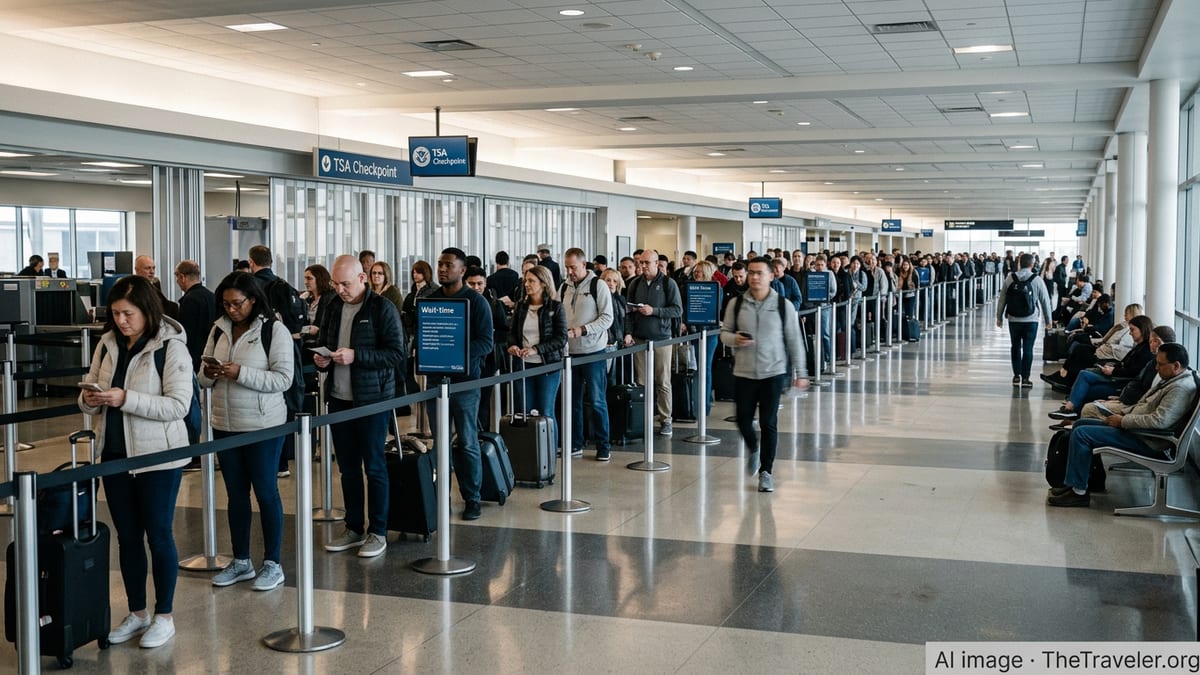
For passengers flying to, from or within Europe in the coming days, the most immediate effects are likely to be operational rather than physical. Airline statements and airport updates referenced in current reporting describe extended time on the tarmac, diversions to alternate airports and prolonged waits in holding areas while aircraft and baggage are searched.
Travelers connecting through major hubs such as Paris Charles de Gaulle, Rome Fiumicino, Brussels and Vienna may experience knock-on delays if aircraft are temporarily taken out of rotation for security sweeps. Some services may arrive late at night or be rescheduled for the following day if inspections overrun crew duty limits or if alternate airports lack capacity for rapid turnaround.
Aviation analysts quoted across multiple outlets emphasize that carriers and air navigation authorities generally follow strict international protocols when confronted with a bomb threat. These procedures can include changing flight paths, activating military escorts, diverting to isolated airfields, clearing runways and implementing staged disembarkation and baggage checks. While inconvenient, these measures are designed to prioritize safety and are likely to remain in place for each new alert.
Given the current pattern, travelers are being advised in published guidance to allow extra time for security at departure airports, to monitor airline apps and airport information screens closely, and to maintain flexible plans for onward ground transport. Those with tight connections, prepaid rail tickets or evening hotel check-in times may wish to build in a wider buffer than usual, particularly when routing through France or neighboring countries that have already been affected by recent threats.
Balancing Risk Awareness with Practical Travel Planning
Security experts and travel-risk advisories consulted in public sources consistently stress that hoax bomb threats, while disruptive, do not necessarily indicate an imminent physical attack on civil aviation. The fact that no devices have been found in the current series of alerts is in line with past waves of threatening communications that appear designed primarily to cause disruption, test responses or generate public anxiety.
For individual travelers, the current situation calls for informed vigilance rather than cancellation of all plans involving France or wider Europe. The U.S. Level 2 advisory level for France signals that travel can continue while exercising increased caution, not that visitors should stay away entirely. Similar assessments from European governments regard commercial air travel as safe, albeit subject to occasional short-notice changes.
Prospective visitors can take practical steps such as registering travel plans with their home government if a registration service exists, keeping copies of identification and travel documents separate from originals, and ensuring that airlines and booking platforms have up-to-date contact information for notification of disruption. Many carriers now push real-time alerts via mobile apps when flights are delayed, rerouted or subject to additional checks.
Ultimately, the wave of hoax bomb threats illustrates how quickly conditions affecting air travel can shift, even in regions with generally robust security frameworks. Travelers heading to France or connecting through European hubs in the near term may wish to track developments through reputable news outlets and official advisory channels, while recognizing that for most passengers the impact is likely to be measured in hours of delay rather than in direct physical danger.