


More news on this day
A new wave of hoax bomb threats targeting commercial flights across Europe has caused diversions, emergency responses and heightened anxiety among travelers, just as the United States updates a security alert for Americans heading to France.
Get the latest news straight to your inbox!
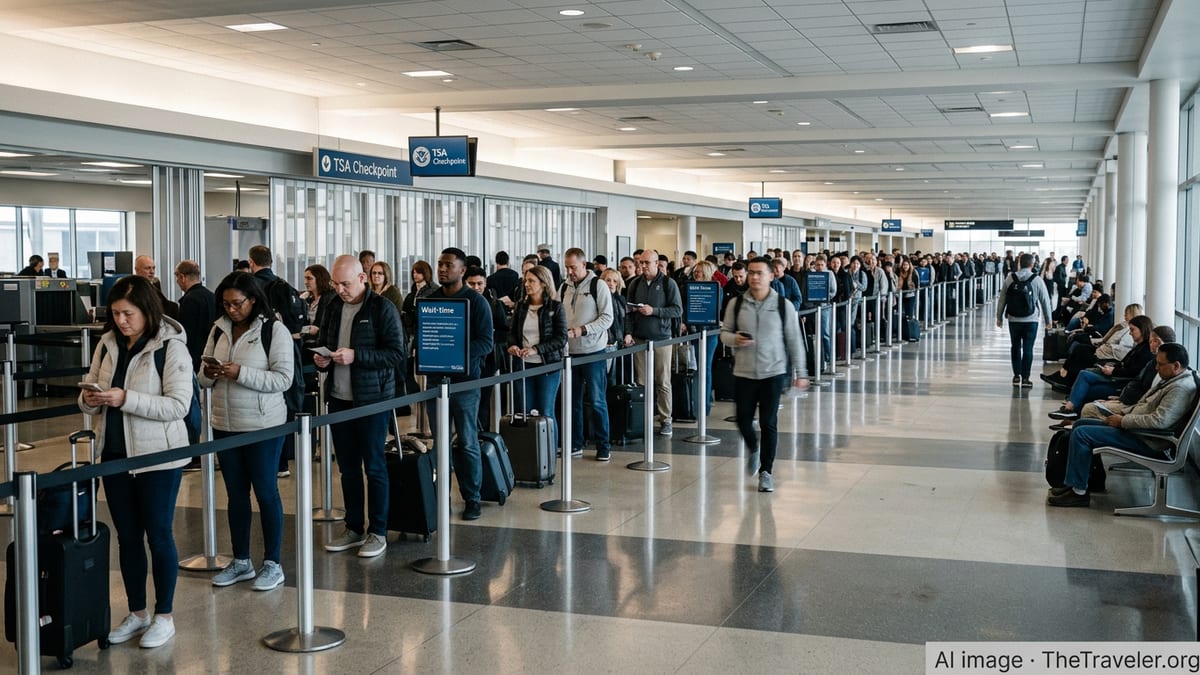
Wave of Bomb Threats Hits European Skies
Publicly available information from European aviation and security reporting indicates that more than a dozen flights across the continent have been subjected to bomb threats in recent days, leading to diversions, security sweeps and visible military escorts. Incidents have been reported since early November 2026 on routes crisscrossing key European hubs, with no explosive devices discovered so far.
On November 5, an Aer Lingus flight from Dublin to Rome was diverted to the French military air base at Evreux after a threat was received midair. Flight-tracking data shared in media coverage shows the Airbus sharply changing course near Paris and heading to the more isolated airfield in Normandy, where French military bomb-disposal teams searched the aircraft. Passengers later continued their journeys after the threat was assessed as unfounded.
According to coverage from outlets such as Reuters, Associated Press and Deutsche Welle, similar alerts have forced unscheduled or high-alert landings in Belgium, Italy and Bulgaria. A Finnair service from Helsinki to Rome completed its planned route but landed with an Italian air force escort, while an aircraft arriving in Brussels was met by security teams on the ground. In Bulgaria, several planes arriving from Copenhagen, Madrid and London made precautionary landings in Sofia and Plovdiv following threat messages.
These incidents follow earlier hoax threats this week to at least seven flights and one cruise ship operating in European airspace and waters. Reports indicate that the pattern has prompted the activation of European Union information-sharing mechanisms on aviation security, allowing national authorities to rapidly exchange technical details about threats, aircraft searches and response protocols.
Hoaxes Amid Broader Hybrid Threat Concerns
Media analyses across Europe describe the latest bomb threats as arriving in a wider climate of so-called hybrid disruption, in which relatively low-cost actions can create disproportionate alarm. Recent coverage has linked the flight incidents to other acts of interference, including cyberattacks on supermarket refrigeration systems, unexplained triggers of public alert apps and sporadic drone incursions near infrastructure.
Some reports mention that at least part of the email traffic behind the hoaxes has been attributed to individuals or groups using anti-feminist or ideologically charged language, although there is currently no confirmed attribution to any state or organized network. Law enforcement and aviation security agencies in several countries continue to investigate, but publicly available information so far characterizes the incidents as malicious hoaxes rather than credible plots.
European aviation specialists quoted in published coverage note that airlines and airports use established protocols when a threat is received. These include notifying national aviation and security authorities, evaluating the specificity of the message and deciding whether to divert the aircraft, continue to destination under escort or conduct searches after landing. The hoax nature of recent threats has not altered the basic approach, which is to err on the side of caution when the safety of passengers and crew could be at stake.
For travelers, that means the visible outcome is often long ground delays, aircraft inspections carried out at a distance from terminals and a heavy presence of emergency vehicles. While disruptive, such responses are designed to minimize risk to people on board and in airport facilities while specialists verify that no device is present.
US Security Alert Highlights France and Travel Preparedness
In parallel with the aviation scares, the United States has updated its France country advisory and reiterated a broader worldwide caution for US citizens abroad. The France advisory, revised on October 21, 2026, highlights that terrorist groups and individuals continue to view French territory and crowded public places as potential targets, and that attacks could occur with little or no warning.
The global caution notice on the US State Department’s travel website, most recently refreshed in mid 2026, urges travelers to remain aware of the risk of terrorism, demonstrations and other security incidents that may affect transportation hubs. It encourages US citizens to review country-specific advisories, enroll in the Smart Traveler Enrollment Program, and monitor information about airport and airline operations when security events take place.
These alerts do not instruct travelers to avoid France altogether but stress the importance of situational awareness. In the context of the current bomb hoaxes affecting European aviation, the guidance reinforces existing advice to stay informed about flight status, comply with airline and airport instructions and anticipate possible delays or additional screening at major hubs in and around France.
Travelers planning itineraries through Paris Charles de Gaulle, Orly or regional French airports during periods of raised alert may encounter reinforced patrols, bag checks at terminal entrances and more visible policing in public areas. Similar visible security measures are also common at transport hubs in neighboring European countries when threat levels increase or specific incidents occur.
What Air Travelers Are Experiencing in Europe
Reports from recent incidents indicate that the most immediate impact on passengers has been schedule disruption rather than physical danger. Diverted flights typically land at alternative airports or military bases, where passengers remain on board or are escorted to secure areas while explosive ordnance teams, airport fire services and security specialists inspect the aircraft and baggage.
In the Aer Lingus diversion to Evreux, for example, the jet was parked away from main facilities while checks were conducted. Coverage indicates that no explosive material was found and that the aircraft was later cleared. Similar patterns have been documented at airports in Sofia, Plovdiv, Brussels and Rome, where threatened aircraft were isolated and searched before being released back to service.
For travelers with onward connections, these procedures can mean missed flights, rebooking challenges and extended time in transit. Some airlines have publicly stated that they are applying standard security protocols and working to re-accommodate affected passengers, but specific compensation policies vary by carrier and the governing regulations of the country where disruptions occur.
In many cases, airport terminals remain open and continue regular operations during an aircraft security check, with only the immediate area around the affected plane restricted. However, if a threat references a specific terminal or airport facility rather than an individual flight, authorities may decide to partially evacuate or restrict access, leading to wider disruption across departures and arrivals boards.
Practical Guidance for Travelers Heading to France and Europe
The recent bomb threat hoaxes and updated US alert regarding France underscore the importance of proactive planning for anyone traveling to or through Europe in late 2026. Travelers are encouraged by official guidance to check both airline notifications and government travel advisories in the days leading up to departure, paying particular attention to any security notices referencing airports on their itinerary.
Airlines commonly provide real-time updates through mobile applications, text alerts and social media channels, which can be critical if an aircraft is delayed for security checks or if a departure slot is missed due to earlier disruptions. Publicly available guidance from the US State Department also recommends keeping contact details for airline customer service and travel insurance providers easily accessible in case rerouting or extended accommodation is required.
At airports in France and elsewhere in Europe, travelers should expect that random bag searches, additional screening of electronic devices and visible patrols by police or military units may be more frequent when threat levels rise. International safety advisories consistently recommend allowing extra time at the airport, staying attentive to public announcements and following all instructions from aviation and security personnel during any incident.
For now, European airspace remains open and commercial traffic is continuing despite the hoaxes, but the pattern of recent threats illustrates how quickly a small number of malicious messages can ripple across flight schedules. By monitoring trusted travel advisories, building flexibility into itineraries and preparing for occasional security-related delays, passengers can better navigate the current environment while continuing to make use of Europe’s extensive flight network.