


More news on this day
A teenage boy has been released on bail after being arrested in connection with an alleged plot involving a suspected bomb and the potential derailment of a train, according to recent news coverage that has drawn renewed attention to rail security and the handling of threats involving young suspects.
Get the latest news straight to your inbox!
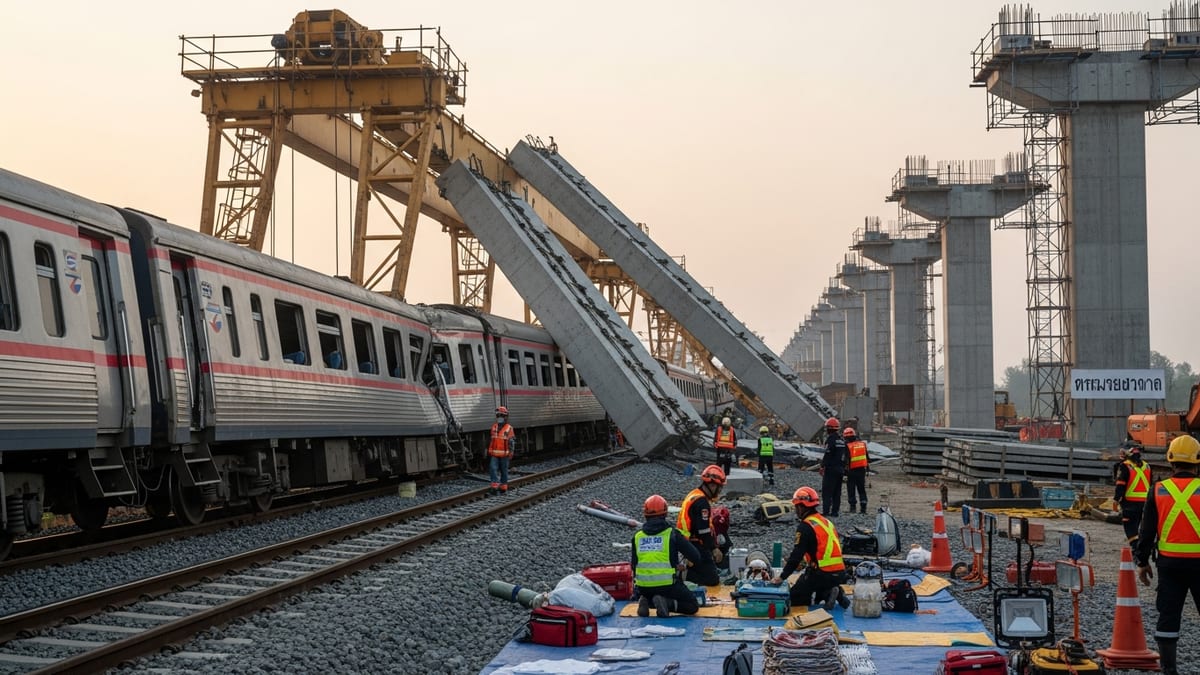
Allegations Surrounding Bomb Threat and Rail Disruption
Published reports indicate that investigators began examining the teenager’s possible connection to an alleged plan involving an explosive device and efforts to interfere with the safe operation of a train. Early information suggests that concerns about a potential derailment prompted a detailed search of railway infrastructure and nearby areas.
Coverage of the case describes a precautionary response in which rail services were closely monitored while teams examined whether any device or tampering was present. Initial reports suggest that no actual explosion occurred and that the investigation has so far focused on suspected preparation or threats, rather than any completed attack.
The incident fits into a wider pattern in which law enforcement and rail operators treat any mention of explosives near tracks with extreme caution, given the potential for large-scale disruption and serious injuries. Even unverified claims often trigger searches, train delays, and visible security activity along key routes.
While many operational details remain restricted for investigative reasons, the emerging picture is of a case in which a young suspect is being examined for alleged involvement in conduct that could endanger both passengers and staff, even though no physical damage to the rail line has been publicly reported.
Bail Decision and Ongoing Investigation
Recent coverage notes that the boy has now been released on bail, with conditions understood to limit his movements and contact with specific individuals while inquiries continue. Bail in cases involving alleged bomb threats or suspected derailment plans is typically granted only when investigators and the courts determine that the immediate risk to the public can be managed through strict oversight.
Publicly available information indicates that detectives are still gathering evidence, reviewing electronic communications, and examining any items seized during searches. Forensic specialists are generally called upon in such matters to analyse materials for traces of explosives, components that could be used in an improvised device, or signs of interference with signaling and track equipment.
The bail outcome underscores that the boy has not been convicted of any offence at this stage. In many jurisdictions, suspects, including juveniles, are presumed innocent while authorities work to establish whether there is sufficient evidence to proceed to formal charges and, potentially, a trial.
Legal observers often point out that courts must balance the presumption of innocence against the seriousness of allegations involving transport networks, which are considered critical infrastructure. Restrictions tied to bail, such as curfews, reporting conditions, or limits on internet use, are commonly employed when the alleged conduct involves planning or online activity.
Rail Security Measures Triggered by Bomb-Related Alerts
According to open-source reporting on comparable rail incidents, even a single reference to a bomb near train tracks or inside rolling stock can initiate a multi-layered response involving railway security teams, specialized search units, and, in some cases, evacuations or service suspensions. Operators are increasingly adopting conservative protocols that favour disruption over any risk to passenger safety.
Search procedures frequently include visual inspections of carriages, platforms, and undercarriage areas, as well as checks around junctions and signal equipment. In some incidents internationally, reports show that trains have been halted at intermediate stations so that passengers could disembark while security teams conduct methodical sweeps before services resume.
In recent years, several hoax threats on commuter and intercity routes have demonstrated the potential for large-scale delays even when no device is located. Rail managers and security specialists argue that those disruptions are a necessary trade-off given the potential consequences of a successful attack on a moving train, particularly in densely populated corridors or tunnels.
The case involving the bailed teenager appears to align with this broader security environment, in which any suggestion of a bomb or track interference prompts robust action. While specific operational details remain undisclosed, observers note that the overall response profile mirrors best-practice approaches used across many national rail systems.
Youth Involvement in Serious Rail-Related Offences
The allegation that a boy is connected to a suspected bomb-related plot affecting rail operations adds to a growing body of cases in which teenagers are linked to high-risk incidents on or near train lines. Media archives from various countries document instances in which young people have been accused of placing objects on tracks, making hoax bomb calls, or sharing videos that appear to glamorise dangerous behaviour around trains.
Criminologists and youth-justice advocates frequently highlight the complex motivations behind such conduct, which can range from thrill-seeking and peer pressure to a desire for online attention. In cases involving threats or discussions of explosives, experts often note the role of online content that can both dramatise and inadvertently normalise risky actions in transit environments.
Where allegations involve juveniles, justice systems usually prioritise privacy protections, which limits what can be published about the individuals concerned. This can make it harder for the public to understand how such cases progress, even when the incidents themselves cause significant travel disruption or attract national media attention.
At the same time, rail unions and passenger groups have repeatedly called for clear consequences when young people are implicated in behaviour that endangers trains. Their public statements in previous cases typically emphasise the need for both accountability and education to reduce copycat incidents around critical infrastructure.
Implications for Travelers and Rail Operators
For travelers, the latest case is a reminder that modern rail journeys can be disrupted suddenly by security alerts, even when no physical device is ultimately found. Passengers who experience unexpected stops, evacuations, or searches are often given only limited information while checks are underway, a practice that security specialists describe as necessary to avoid spreading confusion or compromising operations.
Rail operators, for their part, continue to refine incident protocols in light of emerging threats. Publicly available guidance emphasises staff training to recognise suspicious behaviour, clear lines of communication with security agencies, and improved surveillance around key segments of track and major stations. The aim is to shorten response times from the first sign of a potential threat to a full safety assessment.
The investigation involving the bailed boy is likely to feed into ongoing conversations about how early warning signs are identified and escalated, particularly when they involve minors and digital communications. Analysts following rail security trends note that lessons from such cases often lead to updated procedures, including better coordination between schools, community organisations, and transport authorities.
As the inquiry continues, travelers are advised in standard safety messaging to report anything unusual they see on trains or near tracks and to expect that, when alerts occur, services may be delayed while safety checks are completed. Even when incidents prove to be unfounded, the experience helps test and refine the response systems designed to protect passengers and staff across the rail network.