


More news on this day
Flights at Bristol Airport faced sudden disruption after a defect was detected on the main runway, prompting a temporary suspension of operations and triggering delays, diversions and cancellations for passengers across the UK and Europe.
Get the latest news straight to your inbox!
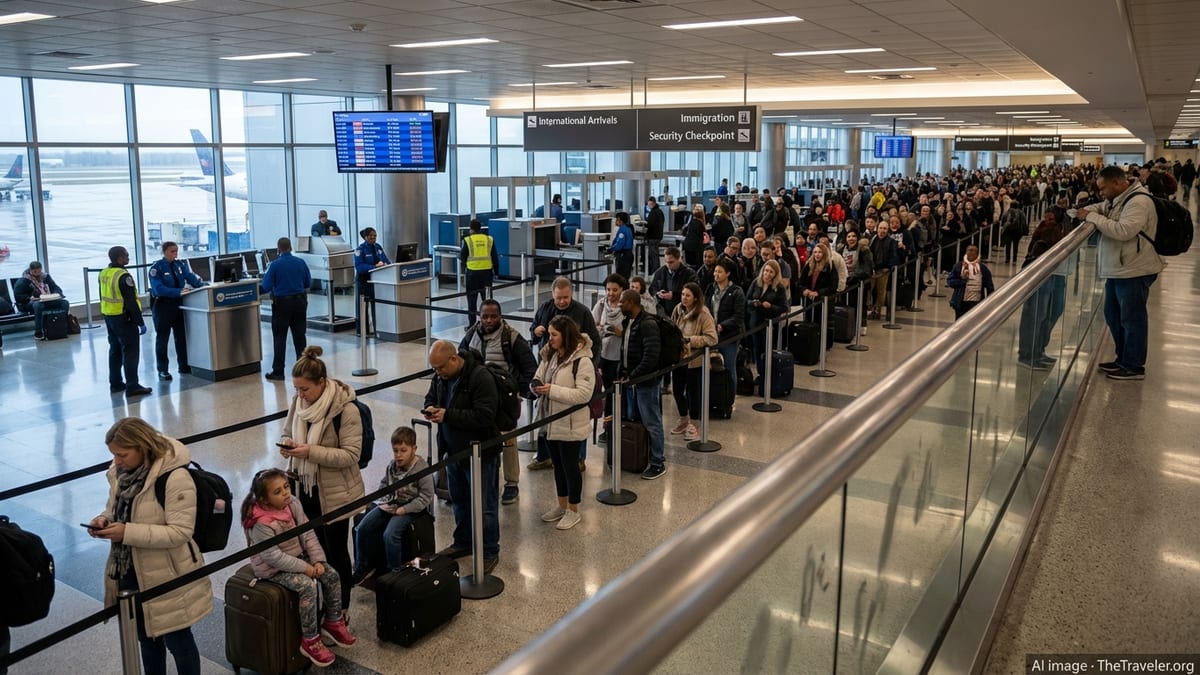
Runway Issue Prompts Sudden Suspension of Operations
According to publicly available updates from Bristol Airport, a defect was identified on the runway on the evening of Friday 7 August 2026, leading to an immediate pause in take offs and landings while the surface was assessed. Operations were suspended as engineers moved in to inspect the affected section and determine the scale of repair work required.
Reports from passengers and aviation tracking platforms indicate that flights already en route to Bristol were diverted to other UK airports while the closure remained in place. Departures scheduled for later in the evening were cancelled or delayed as airlines adjusted flight plans and repositioned aircraft.
The timing of the disruption coincided with a busy summer Friday, with many leisure travellers heading to and from Mediterranean destinations and city breaks. The sudden halt to movements created a backlog of aircraft and passengers that is expected to take time to resolve, even as departures begin to resume.
Information shared overnight suggests the defect was localised to part of the runway surface, but sufficiently serious to require a full suspension of operations while safety checks and temporary repairs were carried out.
Flights Begin to Restart but Disruption Continues
By Saturday morning, 8 August, publicly available flight data showed that some services had started to depart from Bristol again, indicating that a degree of runway use had been restored. However, a significant number of early morning flights remained cancelled or heavily delayed as airlines worked through rearranged schedules.
Travel reports point to a mixed picture for passengers: some were able to fly with several hours’ delay, others were rebooked for later in the weekend or rerouted via alternative airports such as Birmingham, Gatwick or Manchester. Residual disruption is expected to continue throughout the day as aircraft and crews return to planned rotations.
Airlines using Bristol, including low cost and holiday carriers, have been updating passengers through apps and digital channels, advising travellers to check their flight status before leaving for the airport. Airport live departure and arrival boards on Saturday morning reflected a patchwork of green, delayed and cancelled services, underlining the ongoing operational challenges.
Travel industry observers note that even a relatively short closure window can create extended knock on effects, particularly at a single runway airport where there is limited flexibility to increase capacity later in the day to recover lost slots.
Planned Night Closures and Runway Maintenance Context
The temporary suspension follows a period of planned runway and airfield works at Bristol Airport during the 2026 summer season. Aeronautical information publications issued by the UK aviation regulator highlight scheduled overnight closures at the airport to allow maintenance teams to carry out resurfacing and infrastructure upgrades outside peak hours.
Those planned works are designed to maintain runway integrity and support future growth in traffic. However, the latest incident appears to relate to an unplanned defect, separate from scheduled maintenance programmes. Industry specialists note that even with regular inspections, occasional surface issues can emerge between planned work cycles, particularly on busy regional runways with high movements concentrated into morning and evening peaks.
Recent monitoring reports on Bristol Airport operations describe ongoing efforts to manage runway usage, approach procedures and noise, reflecting the pressures on a fast growing regional hub. The combination of heavy utilisation, variable weather and the natural wear of pavement surfaces makes proactive maintenance a constant priority for airport operators.
While unplanned defects are relatively rare, when they do occur they tend to result in immediate, highly visible disruption, as safety protocols require full resolution before normal schedules can resume.
Impacts on Passengers and Airline Operations
For travellers, the immediate effect of the runway defect has been uncertainty around departure and arrival times, as well as last minute changes to routings. Social media posts from passengers on affected services describe overnight cancellations, long queues at airline desks and challenges securing replacement flights or accommodation close to the airport.
Airlines are managing aircraft and crew positioning as a result of diversions to other airports during the closure. Aircraft that ended Friday night away from their planned base will need to be brought back into position, which can have ripple effects on weekend schedules. Aviation analysts note that crew duty time limits can further complicate rapid recovery after a night time disruption.
Travel advisers recommend that passengers due to fly from Bristol over the coming 24 to 48 hours monitor airline notifications closely, allow extra time at the airport in case of congestion at check in and security, and be prepared for gate or timing changes. Those with flexible itineraries are often encouraged to consider alternative departure airports in the wider region if delays persist.
Package holiday travellers may experience a different response from those on point to point tickets, as tour operators often manage group rebookings and coach transfers together. Independent travellers typically need to liaise directly with their airline or booking platform to explore options.
What Travellers Should Do Now
With runway operations partially restored but schedules still unsettled, travel information services are advising anyone flying into or out of Bristol to treat live status updates as the primary source of truth for the next few days. Schedules published weeks in advance may no longer reflect current timings in the aftermath of the disruption.
Passengers are being urged, where possible, to complete airline check in procedures online before arriving at the terminal, ensure contact details are up to date in booking profiles so they can receive text or app alerts, and keep boarding passes accessible on mobile devices. Those connecting from Bristol to onward flights elsewhere in Europe may wish to assess whether minimum connection times remain realistic in light of current delays.
Travel commentators suggest that while the immediate runway defect appears to have been addressed sufficiently to allow limited movements, a cautious approach from both airlines and passengers is warranted until a full day of stable operations has been recorded. As with many air travel disruptions, the situation is expected to gradually normalise, but the timing will depend on how quickly aircraft rotations and crew schedules can return to their planned pattern.
For now, Bristol Airport remains operational but fragile, with its single runway once again highlighting how critical resilient infrastructure is to keeping regional air travel moving at the height of the summer season.