


Choosing the right travel credit card can easily be worth hundreds of dollars a year in free flights, hotel nights, and statement credits, especially if you regularly fly internationally. Two of the most popular options for U.S. travelers are the British Airways Visa Signature Card and the Chase Sapphire Preferred Card. Both earn valuable rewards and help reduce the sting of long-haul travel, but they shine in very different situations. This guide breaks down how each card works in real-world travel scenarios so you can decide which one belongs in your wallet before your next trip abroad.
Get the latest updates straight to your inbox!
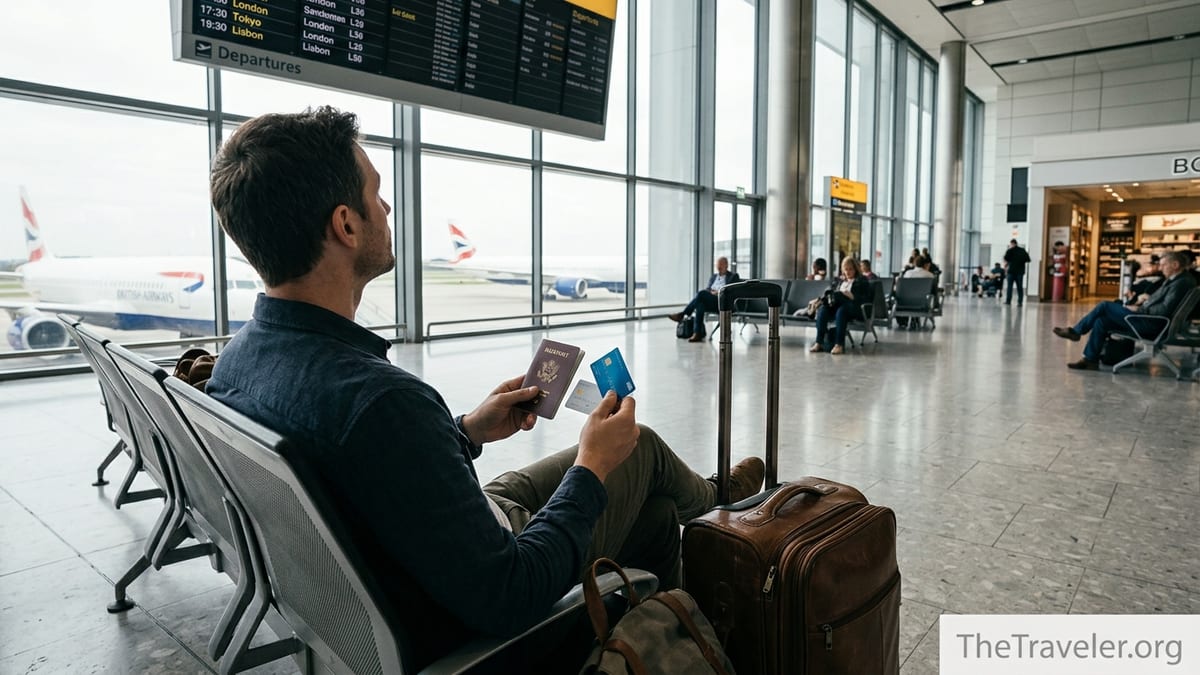
Overview: Two Strong but Very Different Travel Cards
The British Airways Visa Signature Card is a co-branded airline card focused on earning Avios, the rewards currency of British Airways and its partners. It is designed for travelers who regularly fly British Airways, Iberia, Aer Lingus or other Oneworld airlines and want perks that directly reduce the cost of those flights. The Chase Sapphire Preferred Card, by contrast, is a flexible points card that earns Chase Ultimate Rewards, which can be redeemed through the Chase travel portal or transferred to multiple airline and hotel programs.
For an international traveler based in the United States, the choice often comes down to routine. If you frequently fly from cities like New York, Boston, Chicago, Los Angeles, or Miami to London or other European hubs on British Airways or its sister airlines, the British Airways Visa can deliver powerful value through its earning structure and companion ticket benefit. If your travel patterns vary by destination, airline, and season, the Sapphire Preferred’s flexibility may be worth more than any single airline’s perks.
Consider two different travelers. One flies from New York to London two or three times a year, usually on British Airways, and sometimes continues to destinations like Barcelona or Rome using the same airline group. Another travels abroad two or three times a year on whichever airline offers the best schedule or price, sometimes flying to Tokyo, other times to Lisbon or Mexico City. The first traveler is a strong candidate for the British Airways Visa. The second is more likely to benefit from the Sapphire Preferred.
Both cards generally sit in a similar annual fee range for U.S. cardholders, which makes it easier to compare them on features, earning power, and travel protections rather than cost alone. The key is to match each card’s strengths with how you actually travel, book, and spend money day to day.
Sign-Up Bonuses and Earning: How Quickly Can You Build Rewards?
One of the biggest reasons travelers open a new card is the welcome or sign-up bonus. Both the British Airways Visa Signature and the Chase Sapphire Preferred typically offer substantial bonuses for new cardholders who meet a minimum spending requirement within the first few months. The exact numbers change over time, but it is common to see bonuses worth enough for at least a round-trip economy flight to Europe on British Airways, or several nights at a mid-range hotel when using Chase points. Because promotions change, it is worth checking the latest terms when you apply, but in broad strokes, both cards are competitive in this area.
On everyday earning, the British Airways Visa focuses on rewarding spending with the airline and its partners. Purchases made directly with British Airways, such as flights or seat upgrades, earn elevated Avios per dollar spent, while other purchases typically earn at a base rate. This works well for someone who buys one or more transatlantic tickets per year directly on the British Airways site. For example, if you book two economy tickets from Los Angeles to London at around a thousand dollars each, the boosted earning on those transactions can yield a noticeable chunk of Avios.
The Chase Sapphire Preferred is built for broader travel and dining spending. It commonly offers extra points per dollar on travel purchases such as flights, hotels, rental cars, trains, and rideshares, and on dining worldwide, including cafes and restaurants abroad. Imagine a one-week trip to Paris where you pay for a hotel, two intercity train rides, several restaurant meals, and local transport with your Sapphire Preferred. Almost all of those expenses would earn bonus points, allowing you to come home with a significant stash of transferable rewards from just one vacation.
For many international travelers, the pattern is clear: if most of your big travel purchases are British Airways tickets, the co-branded card concentrates rewards where you spend the most. If your spending is spread across different airlines, hotels, and restaurants around the world, the Sapphire Preferred tends to accelerate earning more consistently.
Redemption Value: Avios vs Flexible Chase Ultimate Rewards
Earning points is only half the equation. How you redeem them, and how much value you receive per point, matters just as much. With the British Airways Visa Signature, your primary redemption path is Avios. Avios can be used for British Airways flights and for flights on Oneworld partners such as American Airlines, Iberia, Qatar Airways, and others. They are especially useful for short- and medium-haul flights and certain off-peak routes. For instance, a short hop within Europe, like London to Amsterdam, can often be booked for a relatively low amount of Avios compared with paying cash, which can be attractive when cash prices spike around holidays.
However, British Airways is known for imposing carrier-imposed surcharges and taxes on many award tickets, particularly on long-haul flights in premium cabins. As an example, an economy reward ticket from New York to London might require a moderate number of Avios but still come with several hundred dollars in fees, which can surprise travelers expecting a near-free flight. Business class redemptions can be luxurious, but the out-of-pocket surcharges are often even higher. For travelers who place a high value on minimizing cash expense, this can be a drawback, though it may still compare favorably to paying the full cash fare for a premium ticket.
Chase Sapphire Preferred points can be used in two main ways: booking travel through the Chase travel portal or transferring points to airline and hotel partners. When you book through the portal, your points have a boosted fixed value relative to cash, which makes it straightforward to calculate. For example, if a round-trip flight to Lisbon costs eight hundred dollars in the portal, you could cover it with a known number of points instead of paying cash, and there are no additional surcharges besides the ticket price and standard taxes.
The real strength of Chase points comes from their transferability. You can move points to multiple airline programs, including some that also use Avios, as well as to hotel chains. This flexibility lets you shop around for the best award availability and value. If you find a good redemption on an Oneworld carrier you could transfer to a partner and book that. If instead you see a good deal with a hotel chain in Tokyo or a partner airline to South America, you can send your points there instead. For travelers who do not want to be locked into only one airline’s program, this optionality can deliver better long-term value.
Travel Perks, Protections, and Real-World Use Abroad
Both cards are designed for travelers leaving the United States and therefore typically do not charge foreign transaction fees, which can save you an extra few percent on every purchase in local currency. Whether you are paying for gelato in Rome or a taxi in Bangkok, being able to swipe your card without an added international fee can add up to noticeable savings over the course of a multi-country trip.
The British Airways Visa Signature is tailored around the airline experience itself. A headline benefit is the potential to earn a companion ticket or similar flight discount when you spend a certain amount on the card within a calendar year. In practice, this can work like a powerful two-for-one offer. Suppose you and a partner are planning a London getaway from Boston. After hitting the required annual spend, you could book one ticket with Avios and receive the second seat for just the taxes and surcharges. On peak routes, especially in premium cabins, this can amount to hundreds or even thousands of dollars in savings compared with buying both tickets with cash.
Chase Sapphire Preferred focuses more on broad travel protections and enhancing a variety of trips rather than one airline’s flights. Cardholders typically receive benefits such as trip cancellation and interruption insurance when travel is paid with the card. If a winter storm cancels your flight from Chicago to Madrid and you have to rebook and stay in a hotel unexpectedly, eligible nonrefundable expenses may be reimbursable up to the program limits. Similarly, primary rental car coverage can help if you rent a car in Ireland or New Zealand and it is damaged, reducing the need to buy extra coverage at the rental counter.
For international travelers, the difference shows up in real moments of stress and convenience. A British Airways loyalist might feel the value most strongly when securing that coveted companion seat for a peak summer flight to London. A more flexible traveler might appreciate having a Sapphire Preferred when an airline loses a checked bag on a multi-city Asia trip or when a volcanic eruption in Iceland disrupts flights across Europe and a booked trip has to be rearranged. In these scenarios, the ability to rely on travel protections across any airline or hotel can matter more than getting more Avios on one carrier.
When the British Airways Visa Signature Card Makes More Sense
The British Airways Visa Signature Card tends to be the better choice for travelers who have a predictable pattern that revolves around British Airways and its affiliated carriers. If you are based in or near a British Airways gateway city such as New York, Boston, Washington, Chicago, San Francisco, Los Angeles, or Miami, and you regularly fly to London or onward into Europe, the card’s earning structure and companion ticket opportunity line up with your everyday reality. Every transatlantic ticket you purchase directly from the airline becomes an opportunity to accumulate a meaningful amount of Avios.
One concrete example is a family that visits relatives in the United Kingdom every year from the United States. They may buy three or four economy tickets from a city like Seattle to London, connecting through a British Airways hub. By putting those purchases and related seat selection fees on the British Airways Visa, they steadily build a pool of Avios that can later be used for shorter European trips, like London to Madrid or London to Lisbon, which might otherwise cost several hundred dollars per ticket in peak season.
Another scenario involves travelers who prioritize premium cabins on specific routes. Someone who saves up for a once-a-year business class trip from Los Angeles to London can get outsized value when combining Avios with the companion ticket benefit earned from card spending. While they will still need to pay surcharges, the effective cost of two flat-bed business class seats can be significantly less than buying both tickets with cash, especially during busy times such as late June or around the December holidays.
If your main goal is to travel to destinations served heavily by British Airways and its partners, and you are comfortable planning around that network, the British Airways Visa Signature Card’s narrower but deeper set of benefits can be more rewarding than a general-purpose travel card. The trade-off is reduced flexibility if your plans change or you want to fly with carriers outside the Oneworld ecosystem.
When the Chase Sapphire Preferred Card Is the Better Fit
The Chase Sapphire Preferred Card is usually the smarter pick for international travelers who value flexibility, dine out regularly, and are open to flying whichever airline offers the best combination of price and schedule. If you take one trip to Europe, another to Latin America, and then a separate trip to Asia within a few years, it is unlikely that a single airline will dominate your bookings. In that situation, earning flexible points that can be used with many different partners tends to beat the airline-specific approach.
Consider a couple living in Denver who travel internationally twice a year. One year they book an autumn trip to Tokyo, flying on a combination of a U.S. carrier and a Japanese partner airline. The next spring they book a Mediterranean cruise leaving from Barcelona. With the Sapphire Preferred, they earn bonus points on their flights, hotel nights in Barcelona, several restaurant meals along La Rambla, and a few train tickets along the way. Later, they can decide whether to redeem points through the Chase portal for a straightforward discount or to transfer them to an airline or hotel program, depending on which offers better value at the time.
Another example is a solo traveler who spends a month working remotely from Lisbon, booking a furnished apartment, local co-working passes, and flights in and out of nearby European hubs. Because many of these expenses fall under travel and dining categories, the Sapphire Preferred turns that month-long trip into a serious points-earning opportunity. Those points might later cover a round-trip ticket to Costa Rica or a few nights at a beachfront hotel in Mexico when booked through an eligible airline or hotel partner.
For travelers who also want a straightforward experience when things go wrong, the Sapphire Preferred often feels less restrictive. Your protections are not tied to a specific airline, and your points can respond to changing plans. If an attractive fare sale appears on a carrier you have not flown before, you can still earn strong rewards when you book and then decide later how to use your accumulated points, whether that means transferring them to a partner for a separate trip or applying them directly through the travel portal.
Which Card Should You Choose for Your Next International Trip?
In practical terms, the decision between the British Airways Visa Signature Card and the Chase Sapphire Preferred Card starts with your flight habits. If you tend to open your browser, navigate to British Airways first, and book routes centered around London and other British Airways hubs, the co-branded card is designed around you. Its value peaks when you leverage the companion ticket on transatlantic routes and then use Avios for strategically chosen redemptions, particularly shorter flights or high-cash-price itineraries within the airline’s network.
On the other hand, if you typically search flights through comparison tools or multiple airline websites and end up flying a mix of carriers based on price, schedule, or destination, the Sapphire Preferred’s flexibility aligns better with your behavior. It gives you strong earning rates in categories you will almost certainly use on every trip, from hotels in Bangkok to bistros in Paris and rideshares in Toronto, and then converts those spending patterns into points that can be used in several different ways.
There is also the question of whether you might eventually carry both cards. Some frequent travelers choose to pair an airline card with a flexible points card. For example, a traveler who flies British Airways several times a year might keep the British Airways Visa primarily for earning Avios on tickets and unlocking the companion benefit, while using the Sapphire Preferred for non-airline travel and dining purchases worldwide. This combination can create a robust toolkit: airline-specific perks for certain flights, plus flexible points and broader travel protections for everything else.
Ultimately, think about your next one to three years of international travel rather than just your next trip. If you see yourself returning to London or other British Airways destinations repeatedly, the British Airways Visa Signature Card may pay off. If your bucket list includes a rotating cast of countries and continents, and you want the freedom to always pick the best route and airline available, the Chase Sapphire Preferred Card is likely to serve you better.
The Takeaway
The British Airways Visa Signature Card and the Chase Sapphire Preferred Card both offer real value for international travelers, but they reward different kinds of loyalty. The British Airways Visa is ideal if your travel life naturally or intentionally revolves around British Airways and its Oneworld partners, particularly if you can make use of the companion ticket on long-haul routes between the United States and Europe. Used strategically, it can reduce the cost of family trips to the United Kingdom or make premium cabins more attainable.
The Chase Sapphire Preferred Card, by contrast, is aimed at the traveler who wants options. Whether you are booking boutique hotels in Lisbon, low-cost flights within Southeast Asia, or a mix of airlines to get you to a safari in Kenya, its flexible points, broad bonus categories, and travel protections are designed to adapt to you. Instead of committing to one carrier, you commit to earning a currency that can be redirected where it has the most impact.
For many travelers, the Sapphire Preferred will be the more versatile single-card solution, especially if your future trips span different regions and airlines. For those with a predictable pattern of British Airways flights and a desire to maximize Avios, the British Airways Visa Signature Card can be a powerful specialist tool. Whichever you choose, take the time to align the card’s strengths with your real-world travel habits, so that each long-haul flight, hotel stay, and restaurant bill abroad moves you closer to your next adventure rather than just adding another charge to your statement.
FAQ
Q1. Which card is better overall for most international travelers, the British Airways Visa Signature or the Chase Sapphire Preferred?
The Chase Sapphire Preferred will usually be better for most international travelers because its points are flexible, it offers strong bonuses on broad travel and dining categories, and it is not tied to a single airline’s network.
Q2. When does the British Airways Visa Signature Card provide more value than the Sapphire Preferred?
The British Airways Visa Signature Card provides more value if you frequently fly British Airways or its partners on long-haul routes, can make good use of the companion ticket, and are comfortable redeeming Avios even when there are carrier-imposed surcharges.
Q3. Are there foreign transaction fees on either of these cards?
Both the British Airways Visa Signature and the Chase Sapphire Preferred are designed for travelers and generally do not charge foreign transaction fees, so you can use them abroad without an extra percentage added to each purchase.
Q4. Which card earns more on everyday international travel expenses like hotels and restaurants?
The Chase Sapphire Preferred typically earns more on a wide range of travel and dining expenses, including hotels, restaurants, rideshares, and certain local transport costs, making it more rewarding for everyday spending on most trips.
Q5. How useful are British Airways Avios for trips that do not start or end in London?
Avios can still be useful for flights on Oneworld partners and for short-haul segments in regions such as Europe or parts of Asia, but they work best when your itinerary fits well within the British Airways and partner network.
Q6. Can I transfer points between the British Airways Visa and Chase Sapphire Preferred?
You cannot move points directly between the two cards, but you can transfer Chase Sapphire Preferred points to certain airline programs that also use Avios, while points earned on the British Airways Visa remain Avios within that ecosystem.
Q7. Which card has better travel protections for trip delays or cancellations?
The Chase Sapphire Preferred generally offers stronger and more comprehensive travel protections that can apply to flights, hotels, and other bookings, regardless of which airline or hotel you choose.
Q8. Is it worth having both cards at the same time?
For frequent travelers, carrying both can make sense. You might use the British Airways Visa for flights on that airline to earn Avios and unlock the companion benefit, while relying on the Sapphire Preferred for non-airline travel, dining, and overall travel protections.
Q9. Which card is better if I take just one big international trip each year?
If that trip is almost always on British Airways or a partner and often involves flying to or through London, the British Airways Visa can be compelling. If the destination and airline change each year, the Chase Sapphire Preferred will usually be more practical.
Q10. How should I decide between these cards if I am new to travel rewards?
Think about where you realistically see yourself traveling in the next few years and how you like to book. If you value simplicity, wide airline and hotel options, and solid protections, start with the Chase Sapphire Preferred. If you are already committed to flying British Airways regularly, then consider starting with the British Airways Visa Signature.