


More news on this day
A brush fire burning along train tracks in Fort Worth on Monday disrupted train movements and nearby road traffic, drawing attention to the growing wildfire risk along key transportation corridors at the height of the Texas summer heat.
Get the latest news straight to your inbox!
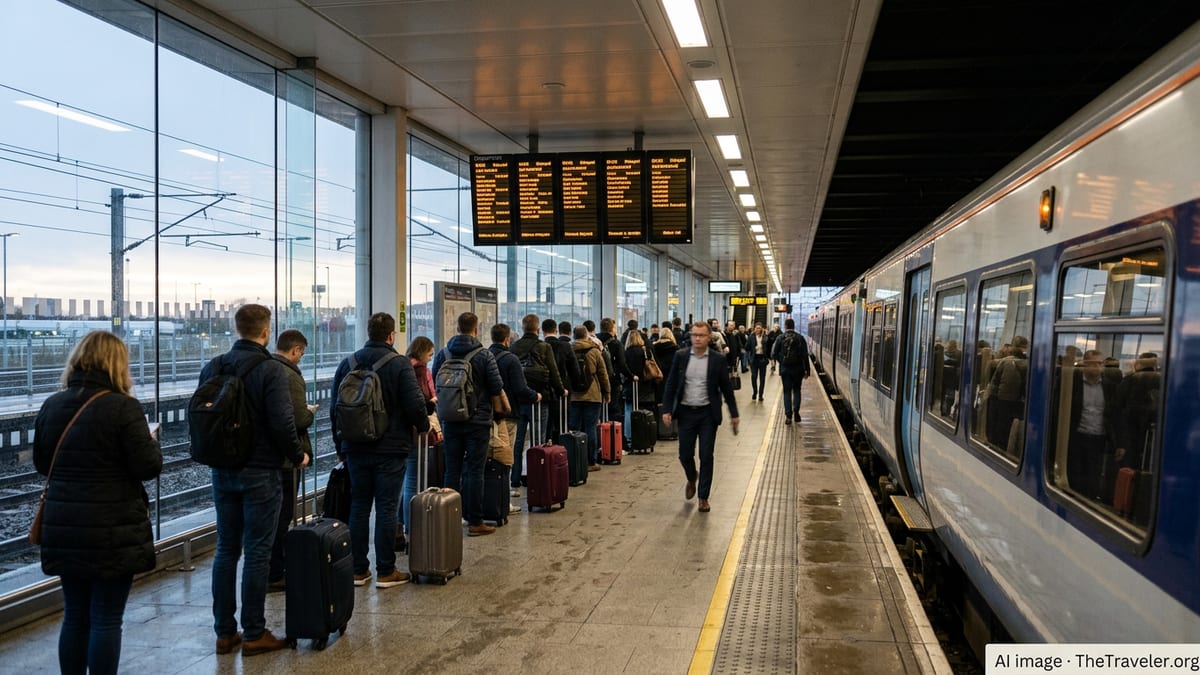
Fire reported along busy rail corridor
Initial reports indicate that the fire began as a grass and brush blaze running parallel to a set of freight and passenger rail tracks on the south side of Fort Worth. Smoke was visible from nearby neighborhoods and local roads, prompting drivers and rail passengers to share images and updates on social media as emergency crews worked in the area.
The incident occurred in a corridor that carries a mix of freight trains and regional passenger services linking Fort Worth with surrounding North Texas communities. Rail travelers described trains slowing or stopping while crews checked the safety of the line and assessed conditions near the right of way.
Publicly available information shows that the fire remained largely confined to vegetation along the right of way, with flames tracking along the ballast and adjacent grass rather than involving nearby structures. The pattern is consistent with other recent grass and brush fires in North Texas that have followed dry vegetation and wind currents along linear features such as rail lines and highways.
There were no immediate indications of injuries as a result of the blaze. Rail operations in the area were temporarily restricted while the extent of the damage and any remaining hot spots near the tracks were evaluated.
Heat, drought and travel infrastructure risks
The fire comes amid a period of high temperatures and dry conditions in North Texas, when grass and brush fires become more likely along transportation corridors. Rail lines, road embankments and utility easements often accumulate dry vegetation, creating continuous fuel that can carry fire quickly along the route and up slopes.
In Fort Worth and across Tarrant County, summer fire conditions typically intensify after stretches of hot, rain-free days that dry out roadside grasses. When combined with gusty winds and low humidity, even small ignitions can spread along embankments, drainage ditches and fence lines that run next to rail lines. These narrow but fast-moving fires can disrupt train traffic and delay motorists at crossings while crews bring the flames under control.
Rail-adjacent fires are not unique to Fort Worth, but the city’s role as a regional freight and passenger hub means that incidents along tracks can have an outsized impact on both local commuters and long-distance travelers. Brush fires along railroad rights of way can prompt temporary speed restrictions, track inspections and, in some cases, short-term halts to service while conditions are evaluated.
For travelers, these disruptions can cascade into missed connections and delays at Fort Worth’s central rail hubs, where passenger services link with local transit and intercity routes. Even when the physical damage is limited to vegetation, the operational impact can linger until crews are satisfied that no smoldering material threatens ties, signaling equipment or adjacent property.
Impact on rail and road travelers
According to early reports, trains approaching the affected stretch of track slowed or stopped while personnel assessed visibility, track integrity and the proximity of flames to the rail bed. In similar incidents, dispatchers typically hold trains outside the immediate area until smoke diminishes and a track inspection confirms that ties and hardware have not been compromised by heat or falling embers.
Drivers encountered intermittent congestion near at-grade rail crossings as responding vehicles accessed the corridor and as trains were held in place. In some locations, long freight trains can block multiple road crossings when stopped for extended periods, intensifying local traffic backups and complicating access for emergency vehicles and residents.
For those traveling by rail, such incidents can translate into delays of varying length, depending on the fire’s size and location. Short brush fires that are quickly contained may result in only minor slow orders and schedule adjustments, while more extensive fires can require full inspections, debris removal and communication updates to passengers waiting on platforms or already on board.
Travelers using Fort Worth as a connection point are particularly sensitive to these disruptions, as even modest schedule changes can affect onward rail, bus or air itineraries. The incident highlights how conditions along a relatively small segment of track can ripple across a wider transportation network during peak travel periods.
Ongoing safety focus along rail lines
Events like the Fort Worth brush fire underscore how closely fire safety is tied to rail and road reliability in dry-season conditions. Rail operators and public agencies in Texas routinely emphasize vegetation management along rights of way, working to reduce dry fuel loads that can carry fire along track embankments and under bridges.
Published coverage of rail safety practices notes that inspections following fires often focus on wooden ties, signal cables and communication systems that may be vulnerable to heat damage. Where brush fires have advanced close to the ballast and subgrade, inspectors check for signs of charring or structural compromise before trains resume normal speeds.
Community awareness is another component of prevention. Residents living near tracks are frequently encouraged to report smoke or fire near rights of way and to avoid activities that can generate sparks in dry grass, such as parking vehicles on tall vegetation or discarding lit materials. With rail corridors often running through residential and commercial districts, early reporting can help keep small fires from growing and reduce the potential for wider disruption.
For Fort Worth, the latest incident reinforces the importance of continued investment in vegetation control, access roads for emergency vehicles and coordination between transportation agencies and fire response teams. These measures can help limit the operational impact when fires occur, keeping people and goods moving in a city that relies heavily on its rail connections.
Travel planning amid seasonal fire conditions
The brush fire along the Fort Worth tracks serves as a reminder for visitors and residents to factor seasonal fire risks into their travel plans. During the hottest months, rail passengers may wish to allow extra connection time at major hubs in case of weather-related or fire-related disruptions along the route.
Road travelers who routinely pass near rail lines or open fields can remain alert for smoke, slow traffic and detours, particularly on days when local forecasts call for elevated fire danger. Planning alternate routes around key chokepoints and monitoring traffic and transit alerts can reduce frustration and help travelers adapt quickly if trains are held or crossings are blocked.
For those planning trips that connect through Fort Worth by train, bus or car, recent events show how environmental conditions can intersect with infrastructure to affect journey times. While incidents such as the latest fire are typically short-lived, they highlight the value of flexible itineraries, real-time information tools and an awareness of local seasonal hazards along the way.