


More news on this day
A fire burning along railroad tracks in Fort Worth drew attention from travelers and nearby residents as smoke drifted over the corridor and train movements were briefly disrupted, according to early regional coverage and social media reports.
Get the latest news straight to your inbox!
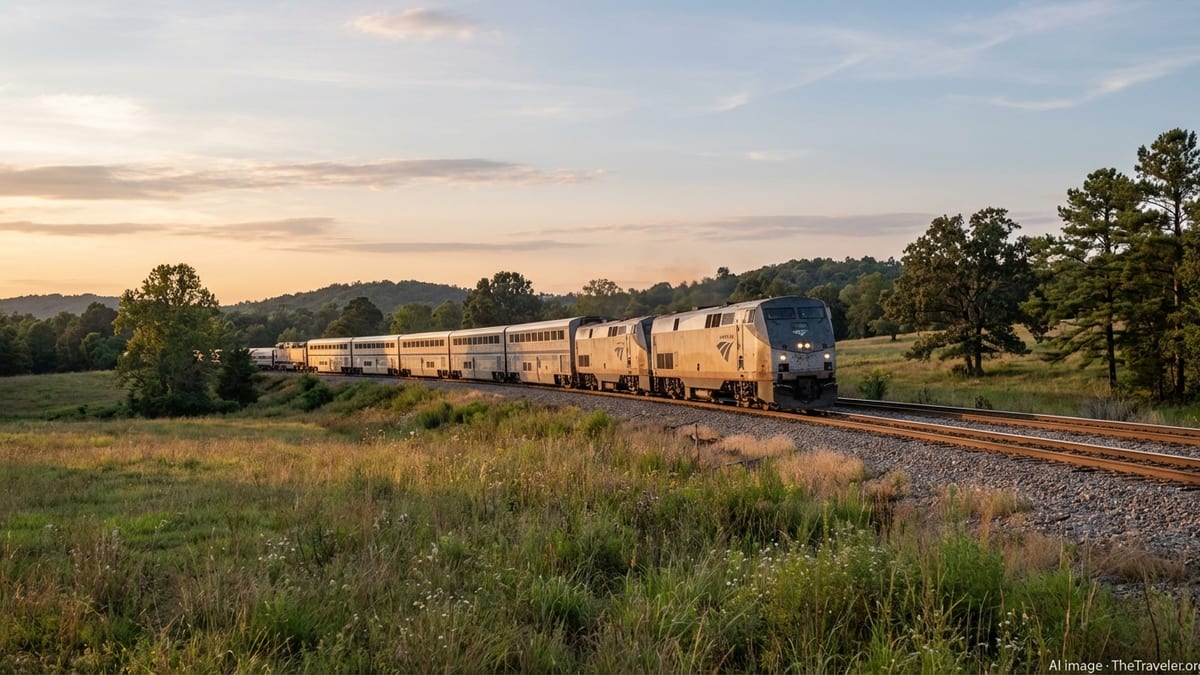
Trackside Blaze Near Busy Rail Corridor
Initial reports indicate that the fire developed in vegetation and debris lining a section of track serving the Fort Worth area, a hub for freight and passenger rail in North Texas. Images shared on local platforms showed low flames and dark smoke hugging the right of way, suggesting a brush and ballast fire rather than a structure blaze.
The incident occurred along a corridor that carries a mix of freight trains and regional passenger services connecting Fort Worth with Dallas, Oklahoma, and points beyond. Rail lines in this part of Tarrant County run close to highways, light industrial zones, and residential neighborhoods, meaning even relatively small fires can quickly become visible to a large number of people on the move.
Published information so far does not point to a specific ignition source. Similar events in the region have sometimes been linked to sparks from braking or wheel friction, hot exhaust from locomotives, or discarded items along the right of way, but investigators typically review multiple possibilities before identifying a cause.
There were no immediate indications in early coverage of injuries related to the blaze. Trains in the vicinity reduced speed or held at signals while the fire was addressed, a common practice when flames or heavy smoke are reported inside a rail corridor.
Delays and Reroutes for Rail Travelers
Early accounts from passengers described delays as rail operators paused movements while crews checked track conditions near the burned area. Modern rail safety protocols generally require inspections after a corridor-side fire to ensure that ties, signaling cables, and other infrastructure have not been compromised.
In North Texas, even short disruptions can affect a surprisingly wide geography. Fort Worth functions as a junction between regional commuter lines, intercity routes such as Amtrak services, and several freight railroads that traverse the state. When a section of track is temporarily out of service, trains may be held at upstream stations or rerouted to available sidings, lengthening travel times for riders and freight customers.
Travelers using rail to reach or depart Fort Worth on the day of the fire were advised through service alerts and local broadcasts to expect extended journey times. Published accounts of similar trackside fires around the Dallas–Fort Worth region describe delays ranging from several minutes to over an hour while inspectors verify that rails and trackside equipment can safely return to operation.
For visitors relying on rail to connect with flights at Dallas–Fort Worth International Airport or Dallas Love Field, even modest delays may require adjustments to onward plans. Travel advisers commonly recommend building in extra time during periods of extreme heat or high fire danger, when minor incidents are more likely.
Dry Weather Heightens Fire Risk Along Rail Lines
Rail corridors across Texas frequently border grassy embankments, vacant lots, and drainage channels, all of which can dry out quickly during hot spells. Publicly available wildfire guidance from state and federal agencies notes that narrow strips of cured grass can ignite easily, especially when relative humidity is low and winds are gusty.
Along active tracks, that natural vulnerability is combined with the presence of heavy machinery and metal-on-metal friction. Studies examining rail-related fires in North America describe how sparks from braking systems, wheel slip, or contact with track defects can ignite nearby vegetation. Once burning, flames often follow the alignment of the track, feeding on grass, ties, and accumulated litter.
Fort Worth’s role as a logistics and industrial hub means that many rail segments pass close to warehouses, yards, and service roads where additional fuel in the form of pallets, brush piles, or discarded materials can build up. Municipal planning documents for the city’s transportation network have previously highlighted the need to keep evacuation routes and grade crossings clear in case of incidents affecting rail corridors.
The latest fire underscores how even a small blaze can highlight vulnerabilities along these critical routes. While this incident appeared to remain relatively contained, more intense fires in other parts of the country have disrupted freight flows for days and required extensive repairs to track beds and signal systems.
Considerations for Visitors Moving Through Fort Worth
For travelers, the fire serves as a reminder that journeys through major rail hubs are subject to infrastructure and weather conditions beyond the control of carriers. Visitors arriving in Fort Worth by train often continue by rental car, regional bus, or rideshare, and any delay on the tracks can compress already tight transfer windows.
Travel planning resources generally advise checking real-time service alerts on the day of departure, particularly during peak summer and early autumn, when vegetation along the tracks is most likely to be dry. In the event of a corridor-side fire, rail operators typically restore service in stages, with trains moving slowly at first through the affected zone while conditions are continuously monitored.
Those staying near downtown Fort Worth or in neighborhoods close to active rail lines may notice an increased presence of emergency vehicles and maintenance crews after such an incident. While this can create temporary noise and traffic around crossings, it is part of the standard response to ensure that both rail and adjacent roadways remain safe for public use.
For many visitors, the episode will register only as an unexpected pause between destinations. Yet it also illustrates how closely travel in North Texas is tied to the health and resilience of its rail infrastructure, from the busiest central stations to the quieter stretches of track where a single spark can briefly reshape the day’s timetable.