


More news on this day
Malaysia’s Civil Aviation Authority is drawing renewed attention to passenger rights and real time flight information as ongoing AirBorneo disruptions unsettle travel plans across Sabah and Sarawak during a busy regional travel period.
Get the latest news straight to your inbox!
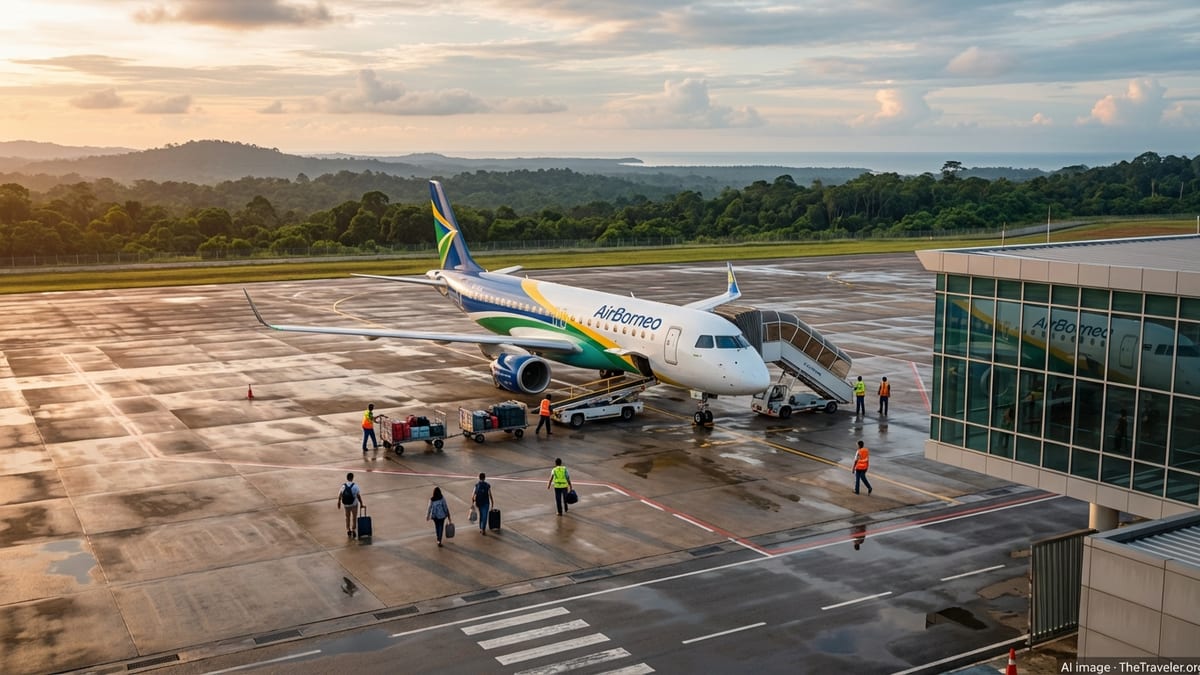
Regulator focus sharpened by AirBorneo delays
Recent flight disruptions involving Sarawak owned carrier AirBorneo have placed new emphasis on how Malaysia’s aviation regulator monitors airline operations during periods of instability. Publicly available information shows that AirBorneo has faced waves of delays and cancellations across routes in Sabah and Sarawak since 5 June 2026, with the airline warning that schedule changes are likely to persist while several aircraft remain out of service for technical work.
The Civil Aviation Authority of Malaysia (CAAM) has not issued a carrier specific directive on AirBorneo, but its latest consumer oriented advisories highlight a broader posture of close oversight during peak and disrupted travel periods. In its recent news releases, CAAM underlines that it provides safety and air navigation oversight for Malaysian airspace and works with airlines and airports to manage operational pressures when networks are strained.
Analysts following the situation in East Malaysia note that the combination of a relatively new state airline, inherited obligations on rural and regional routes, and a sudden tightening of available aircraft has created a test case for how regulators, operators and passengers respond to disruption. The intensifying public scrutiny of AirBorneo’s reliability has in turn drawn more attention to CAAM’s role in safeguarding standards and ensuring that consumer protections remain visible.
The current bout of disruptions arrives only months after AirBorneo completed the takeover of MASwings operations and assumed responsibility for key connectivity within Borneo. That shift already placed the airline and the regulator in the spotlight, with expectations that oversight would keep pace with rapid changes in fleet deployment and route structures.
Maintenance bottlenecks trigger rolling schedule changes
According to published coverage from Malaysian outlets, AirBorneo attributes its operational difficulties to a convergence of scheduled maintenance and unscheduled technical rectification on several aircraft. Multiple planes have been withdrawn from service as a precaution until engineering teams complete required work, leaving the operating fleet temporarily constrained and reducing flexibility across the network.
The carrier has indicated through public statements that delays and cancellations will likely continue in the near term as aircraft are progressively returned to service. Passengers on affected routes in Sabah and Sarawak have reported rebookings, extended waits and last minute schedule changes, reflecting the limited options available when several regional aircraft are offline at the same time.
Industry observers point out that maintenance related disruptions of this type are not unique to a single airline, but can become more visible when they coincide with school holidays or other busy travel windows. With AirBorneo still ramping up its operations and brand presence, even short lived bottlenecks can quickly translate into reputational pressure and calls for tighter monitoring.
For regulators, such episodes underscore the balance between enforcing strict safety standards and supporting carriers as they navigate temporary operational constraints. Public documents from CAAM reiterate that aircraft requiring technical attention must remain grounded until fully cleared, a stance that can cause immediate disruption but is seen as central to maintaining long term confidence in the system.
CAAM’s consumer advisories stress vigilance and rights
While the AirBorneo situation develops, CAAM’s recent consumer focused notices offer a window into how the regulator expects travellers to respond when disruptions occur. In a May 2026 advisory issued ahead of the school holiday peak, the authority urged passengers to stay informed through regular checks of flight status with airlines or airport operators, arrive earlier than usual for departures, and ensure that contact details in bookings are accurate and reachable.
The same advisory highlights key protections under the Malaysian Aviation Consumer Protection Code for delayed or cancelled flights, schedule changes and other service disruptions. These provisions include the possibility of assistance, rerouting or refunds in specific circumstances, depending on the length of delay and whether a flight is cancelled altogether or significantly rescheduled.
CAAM’s communication emphasises that passengers should retain booking records and other travel documents, both to support any claims and to help clarify what remedies may be available. By foregrounding these rights, the regulator seeks to reduce confusion when sudden changes to flight times or routes occur and to signal that airlines are expected to treat affected travellers in line with established rules.
The timing of these reminders, coinciding with a period of heightened disruption in several markets worldwide, reinforces the impression that CAAM is seeking to prepare Malaysian travellers for a more volatile operating environment. Against that backdrop, localised events such as AirBorneo’s maintenance bottlenecks are interpreted through a wider lens of resilience and passenger awareness.
East Malaysia connectivity under growing scrutiny
The ripple effects of AirBorneo’s delays are being felt most acutely in cities and towns across Sabah and Sarawak, where air links play an outsized role in everyday mobility. Public commentary gathered from regional media and travel forums describes missed family events, disrupted work trips and uncertainty over onward connections, particularly on routes that have limited alternative options.
The disruptions have arrived at a time when expectations for improved connectivity in East Malaysia are running high. AirBorneo entered the market with a mandate to strengthen links between communities and to stabilise fares, and any extended period of irregular operations risks denting that promise in the eyes of residents who rely heavily on air services.
Observers note that scrutiny now extends beyond the airline’s day to day scheduling to questions about capacity planning, fleet strategy and coordination with airport operators. For regulators, these concerns intersect with broader goals of ensuring that essential regional routes remain reliable, especially when they serve as lifelines for remote communities and underpin tourism flows into sensitive ecological areas.
Travel industry specialists suggest that transparent communication about the causes and expected duration of disruptions can help ease some of the frustration among passengers, provided that updated information is readily accessible and consistent with guidance from regulators such as CAAM.
Practical steps for affected travelers
Against this backdrop, CAAM’s overarching advice offers a roadmap for passengers navigating AirBorneo’s current disruptions and any similar events in the future. Travellers are encouraged to monitor their bookings closely in the days and hours before departure, using airline channels and airport information systems to detect changes as early as possible.
Public guidance also underlines the importance of allowing extra time at airports during busy periods, when check in queues, security processing and last minute gate changes can compound the impact of schedule disruptions. Having updated contact details in reservations increases the likelihood of receiving timely notifications about rebookings or cancellations.
For those whose plans are significantly affected, information from CAAM points to the Malaysian Aviation Consumer Protection Code as the key reference for entitlements to care, rerouting or refunds. Understanding these provisions in advance can help travellers make quicker decisions when offered alternatives, rather than trying to interpret options under time pressure at the airport.
As AirBorneo works to return more aircraft to service and restore stability to its network, the regulator’s messaging underlines that close attention to flight information and awareness of rights remain the most practical tools available to consumers facing an unpredictable air travel landscape.