


More news on this day
Canada is urging travelers headed to Europe this summer to prepare for dangerous heat, expanding wildfires and persistent security concerns across popular destinations including France, Spain, Italy, Germany and the United Kingdom, as much of the continent endures another season of climate and safety pressures.
Get the latest news straight to your inbox!
Europe’s Summer Under Strain From Heat and Fire
Published travel advisories from the Government of Canada in early July highlight a growing convergence of risks across Europe, with sections on France, Spain, Italy, Germany, the United Kingdom and other countries now warning that extreme and unusual weather events are becoming more frequent and may disrupt travel plans. The notices come as Western Europe experiences another punishing heatwave, with several countries seeing temperatures near or above 40 degrees Celsius and issuing domestic heat alerts.
Recent international coverage describes France as one of the hardest-hit countries, with large parts of the country placed on top-tier heat alerts and major summer events forced to adapt. Reports indicate that a wildfire burning near a Tour de France stage finish recently prompted organizers to restrict spectator access in a bid to reduce pressure on emergency services and keep fans out of active fire zones, underscoring how quickly leisure travel and sports tourism can be affected.
Across the Iberian Peninsula, Spain and Portugal are contending with their own bouts of extreme heat, with firefighters tackling blazes in multiple regions as parched landscapes turn into tinderboxes. Travel reporting notes that southern Europe has faced repeated cycles of record-setting temperatures in recent years, contributing to longer wildfire seasons and more frequent evacuations from popular resort areas.
The World Health Organization’s regional office for Europe has also issued a public warning that more deadly weeks of heat may lie ahead this summer, pointing to evidence from mortality surveillance systems in Italy and other countries. That assessment reinforces Canadian guidance that travelers should treat heat-related hazards as a central factor when planning trips rather than an occasional inconvenience.
Canada’s Advisory Language Shifts on Climate-Driven Hazards
Global Affairs Canada’s destination pages for European countries have gradually shifted in tone, moving from general weather cautions to more explicit references to extreme heat, wildfires and other climate-related disruptions. Advisories for Spain, Portugal and the United Kingdom, for example, now state that extreme and unusual weather events are becoming more frequent and may affect travel, and they direct travelers to European early-warning platforms for up-to-date alerts.
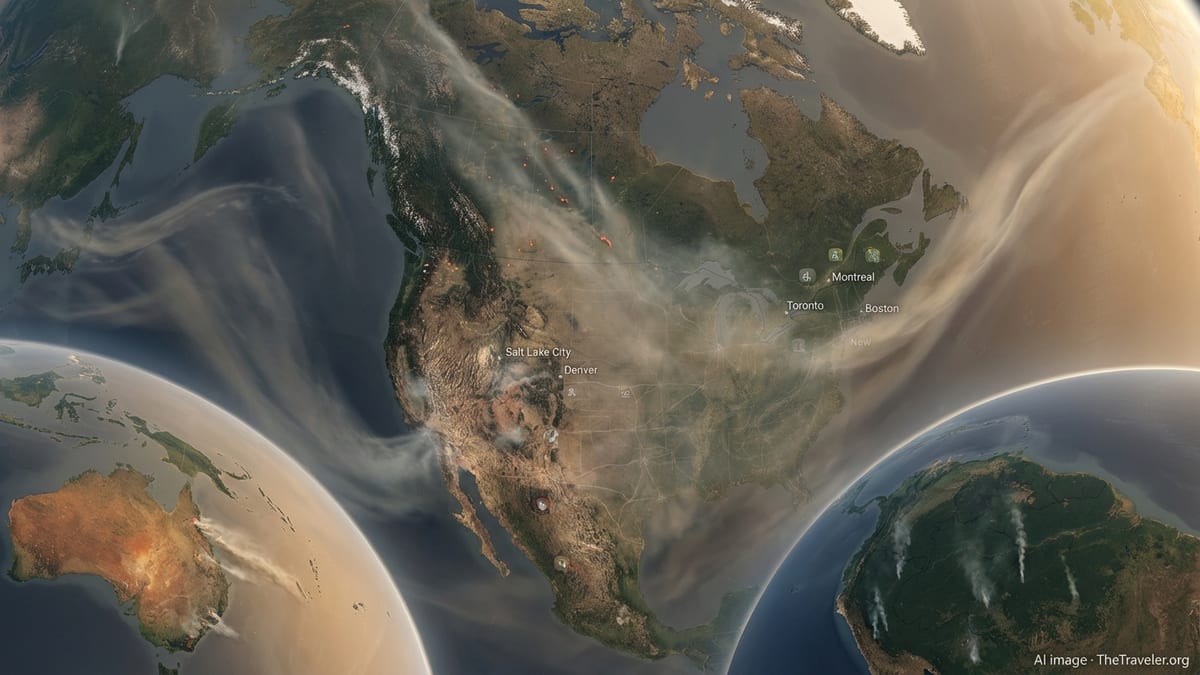
This evolving language reflects broader climate assessments from Canadian federal agencies. Environment and Climate Change Canada’s summer outlook for 2026 notes that climate change is causing very hot temperatures to occur more often and to last longer, contributing both to drought and to elevated wildfire risk. Separate federal analyses describe how hotter, drier conditions feed larger and more persistent fires in North America, while also altering atmospheric patterns that can influence conditions in Europe.
For Canadian travelers, the immediate implication is practical rather than theoretical. The government’s travel information platforms now emphasize the need to monitor local weather warnings, heat-health alerts and wildfire bulletins at the destination level. Public information encourages travelers to factor heat risk into decisions about itineraries, excursions and even accommodations, especially in Southern and Western Europe where air conditioning is not universal.
Officials have also drawn attention to secondary impacts such as reduced air quality, transport disruption and overloaded health services during heatwaves. Published guidance suggests that these indirect effects can compound rapidly, turning an otherwise manageable hot spell into a broader public safety challenge that reaches tourists as well as residents.
Security Environment Adds Another Layer of Risk
Alongside environmental hazards, Canada’s advisories for European countries continue to underline ongoing security issues, including the risk of terrorism and occasional civil unrest in major cities. Advice for the United Kingdom notes that there is a persistent threat of terrorism in Europe and that crowded public places, major events and tourist hubs can be potential targets. Similar wording appears in notices for France, Germany, Italy and Spain.
While the overall risk levels for these destinations remain comparable to previous years, travelers are being reminded that security incidents can coincide with or be complicated by extreme weather. Large gatherings such as festivals, sporting fixtures and political demonstrations are often held outdoors in the summer months, leaving attendees exposed not only to security threats but also to heat stress if temperatures spike.
Recent European experience with overlapping crises, such as heatwaves coinciding with transport strikes or political protests, has demonstrated how quickly urban infrastructure can become strained. Travel advisories now more frequently recommend that visitors stay informed through reliable local news and official alert channels, have contingency plans for route changes and remain aware of their surroundings in crowded areas.
For North American visitors, including those transiting multiple countries by rail or low-cost flights, this layered risk environment means building more flexibility into itineraries. Publicly available guidance stresses the importance of leaving extra time for security checks, monitoring alerts about demonstrations or major events and recognizing that extreme heat can amplify the impact of any disruption.
Impacts on Tourism in France, Spain, Italy, Germany and the UK
In France, reports from travel and sports coverage indicate that extreme heat is already reshaping the tourist experience. Attractions in cities such as Paris, Lyon and Marseille have adjusted opening hours and increased shaded or indoor options, while some municipalities have activated cooling centers and misting installations. The wildfire that affected a Tour de France stage highlighted the vulnerability of rural tourism areas, where evacuations and road closures can occur with little notice.
Spain and Italy, long favored for their sunny summers, are confronting the downside of that reputation as repeated heatwaves test the resilience of outdoor sightseeing. International media reports describe visitors clustering in limited shaded areas around landmarks such as Rome’s Colosseum and Barcelona’s historic districts, with local authorities encouraging hydration, rest and avoidance of midday exposure. Coastal regions, while offering sea breezes, are also exposed to wildfire risk in wooded hinterlands.
Germany and the United Kingdom, traditionally perceived by some travelers as milder summer options, are no longer guaranteed refuges from extreme temperatures. Recent summers have brought record highs and expanded heat-health alert systems, particularly in southern and central Germany and in parts of England. Rail services and urban transport networks have experienced heat-related disruptions, which Canadian advisories flag as potential complications for tightly scheduled trips.
Tourism analysts note that these overlapping pressures are prompting both travelers and destinations to reconsider the peak-summer model. There is growing interest in shoulder-season visits, northern destinations and itineraries that prioritize indoor cultural sites with climate control, as visitors adapt to the reality that extreme heat can now affect nearly every major European tourism market.
How Travelers Are Being Urged to Prepare
While Canada has not advised against travel to major European destinations, the tone of current guidance is focused on preparedness and informed decision-making. Travelers are encouraged through government publications to review destination-specific advisories in detail, paying close attention to sections on health, safety and natural hazards before booking and again shortly before departure.
Practical steps emphasized in publicly available material include confirming that travel insurance covers trip interruption due to natural disasters or extreme weather, planning activities for cooler parts of the day and ensuring access to drinking water and shaded or air-conditioned spaces. Travelers are also urged to understand local emergency numbers and procedures, as well as to register contact details with consular services when appropriate.
For those moving between several European countries in one trip, Canadian guidance highlights the importance of checking each destination’s specific advice, as risk profiles may differ even within the same region. For example, wildfire exposure in Mediterranean coastal areas, flood or storm risk in parts of Central Europe and urban heat islands in large cities are all treated as distinct but interrelated concerns.
Overall, the combination of extreme heat, expanding wildfires and a persistent, if not new, security risk underscores a key message in Canada’s latest communications on European travel. The continent remains open and eager for visitors, but the conditions under which tourists experience its cities, coasts and countryside are changing, and careful preparation is increasingly seen as essential rather than optional.