


The Caribbean coast of Mexico’s Yucatán Peninsula offers three headline beach bases within a two-hour drive of each other: Cancún, Playa del Carmen and Tulum. All share blue water, white sand and easy access to jungle cenotes and Maya ruins, but the experience on the ground is very different in each place. Picking the right base will shape everything from how much you spend on tacos to how long your kids last on a day trip to Chichén Itzá. This guide compares the big three on beaches, nightlife, resorts, transport, cenotes, ruins, prices, families and first‑time convenience, with concrete examples to help you decide where to stay.
Get the latest updates straight to your inbox!
Orientation: Three Very Different Bases on One Coast
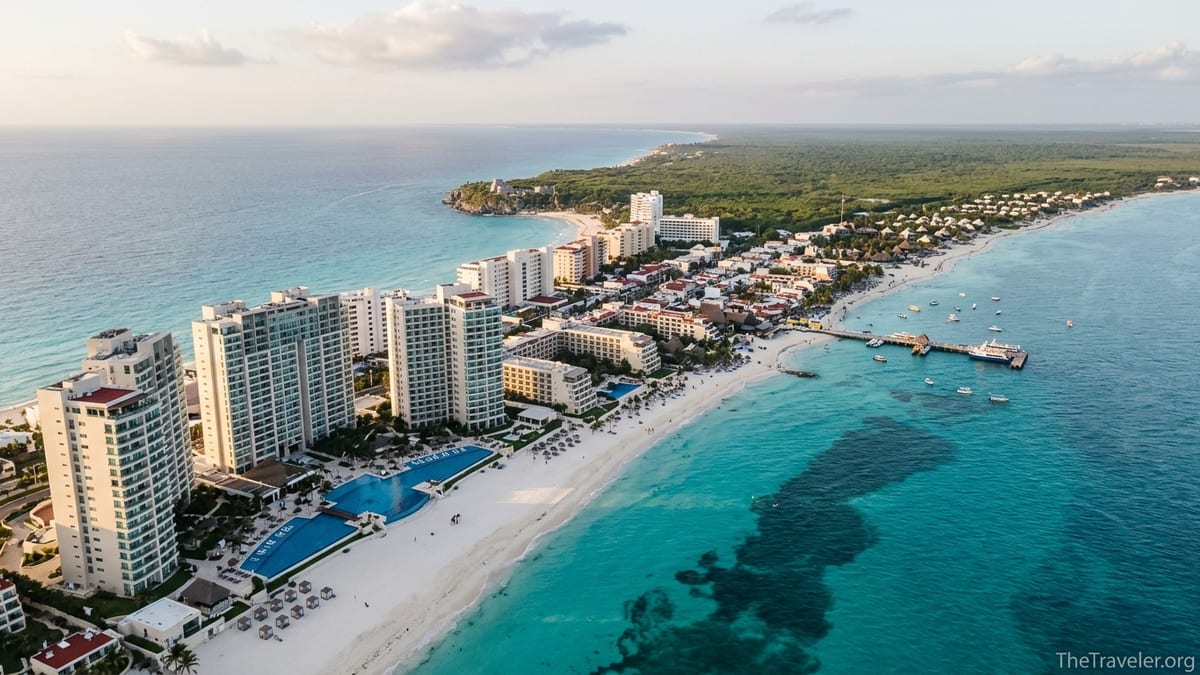
Cancún, Playa del Carmen and Tulum sit along the same stretch of Caribbean coast in the Mexican state of Quintana Roo, all served by Cancún International Airport. Cancún’s Hotel Zone curls around a long sandbar 20 to 30 minutes from the terminals, lined with high-rise hotels. Playa del Carmen is about an hour south along Highway 307, a mid-sized city with a compact, walkable downtown. Tulum is a further hour or so beyond that, split between a highway town and a low-rise, boutique-heavy beach strip.
In practical terms, Cancún works best if you want to be as close as possible to the airport in a resort bubble. Many visitors land, step into a prebooked shuttle and are checking into an all-inclusive like Hyatt Ziva or Dreams Sands within an hour. Playa del Carmen is ideal if you want a walkable base in the middle of the coast, with easy access to both Cancún and Tulum for day trips. Tulum suits travelers who prioritize design-forward boutique hotels, cenotes and a more bohemian scene, and who are willing to accept higher prices and more logistics.
Because all three sit within a roughly 130-kilometer corridor, it is entirely possible to split a week, for example spending three nights at an all-inclusive in Cancún then four nights in a smaller hotel in Playa del Carmen or Tulum. However, checking in and out with luggage repeatedly can eat into beach time. For many first-timers, choosing one main base and adding focused day trips is more relaxing and often cheaper.
Beaches and Sargassum: Picking Your Preferred Stretch of Sand
Cancún’s Hotel Zone is built for postcard beaches. On the calmer northern side near Playa Tortugas and Playa Caracol, the water is typically gentle and shallow, which works well for small children and nervous swimmers. On the eastern side, around Playa Chac Mool and Playa Delfines, you get tumbling turquoise surf suited to stronger swimmers and bodyboarders. Beachfront hotels here usually provide loungers and palapas directly on the sand; you can step from the pool deck straight into the Caribbean within seconds.
Playa del Carmen’s main town beach runs alongside Fifth Avenue, the pedestrian strip. Sections directly in front of the busiest clubs can feel crowded, but if you walk 10 to 15 minutes north to areas like Playa 88 or south toward Playacar, the vibe turns more local and laid-back. Many mid-range hotels such as Mahekal Beach Resort or boutique options in the Colonia Zazil-Ha area offer easy access to the sand without Cancún’s wall of towers. The trade-off is that town beaches can be narrower and more affected by beach clubs’ music.
Tulum’s main draw has long been its palm-fringed beaches that back onto low-rise eco-hotels instead of big resorts. South Beach, around hotspots like Nomade and La Zebra, is known for powder-soft sand and photogenic swings and daybeds. Farther north, near the Tulum archeological site, a small cove sits directly under the cliff-top Maya ruins. This stretch is visually stunning, but parking is limited and you may need to walk 10 to 20 minutes from the entrance to reach the beach.
All three destinations are periodically affected by sargassum seaweed, especially from roughly April to September, though exact timing changes by year. When seaweed is heavy, hotel staff in Cancún and Playa del Carmen often clear it with tractors each morning. Smaller hotels in Tulum may not manage the same level of daily cleanup. Travelers who want the highest odds of clear water often target the drier months from November to March and consider side trips to nearby islands like Cozumel or Isla Mujeres if the mainland beaches are temporarily brown.
Nightlife and Atmosphere: Mega-Clubs, Beach Clubs and Jungle Parties
If you want high-energy nightlife with big production values, Cancún is the standout. The Hotel Zone hosts large venues that feel similar to Las Vegas or Ibiza, with acrobats, light shows and themed nights. Cover charges can be significant, especially at top clubs, and bottle service tables run into hundreds of dollars for groups. There are also more budget-friendly bars around Party Center where you can drop in for a few drinks without committing to a full show.
Playa del Carmen sits in the middle ground. Quinta Avenida and the parallel streets offer a dense mix of cocktail bars, small dance clubs and live-music restaurants. It is easy to wander out from a mid-range hotel, have tacos al pastor at a corner taquería for a few dollars, then move on to a rooftop bar with a two-for-one margarita happy hour. The nightlife here is busy but walkable, and you can avoid the louder scene by staying a few blocks back from Fifth Avenue in neighborhoods like Gonzalo Guerrero or Colonia Hollywood.
Tulum’s nightlife is more niche and scene-driven. Instead of mega-clubs, think jungle raves and curated electronic lineups at venues on the beach road and in the nearby jungle. Events at places such as Zamna draw international DJs, and tickets can be expensive, particularly during New Year and festival periods. Beachfront hotels often host sunset DJ sets and mezcal-focused bars with mixology menus. For many visitors, a “night out” here looks like dinner at a design-forward restaurant followed by cocktails in a candlelit bar, rather than bouncing between a dozen venues.
Atmosphere-wise, Cancún feels most like a conventional resort destination oriented toward short stays and packages. Playa del Carmen has more of a small city vibe, with supermarkets, local taco stands, gyms and expat services used by both tourists and long-stay digital nomads. Tulum’s beach strip can feel almost like its own curated bubble, with yoga studios, boutique fashion stores and tasting-menu restaurants priced closer to big U.S. cities than to inland Mexico.
Resorts, Hotels and Typical Costs
Cancún is the all-inclusive capital of the coast. Within the Hotel Zone you will find dozens of properties where a week-long stay can bundle room, all meals, drinks and many activities. Outside of Christmas, New Year and Easter, mid-range all-inclusives often advertise nightly rates that work out to approximately 250 to 350 US dollars per double room, with premium brands and oceanfront suites climbing higher. These resorts suit travelers who want cost certainty and do not plan to explore the local restaurant scene every night.
Playa del Carmen’s accommodation mix is more varied. You can find simple guesthouses inland from Fifth Avenue where rooms might start under 70 to 90 US dollars per night, mid-range boutique hotels around 120 to 200 dollars, and upscale beachfront resorts or condo-hotels charging more. Vacation rentals are common, particularly in the Playacar gated community just south of town, where two-bedroom condos with beach access may run a few hundred dollars per night depending on season. Because not everything is all-inclusive, you should budget separately for meals, though local taco spots and desayunos (breakfasts) can keep daily food costs reasonable.
Tulum divides between town and beach. In Tulum Pueblo, small hotels and guesthouses offer more accessible rates, sometimes under 100 US dollars per night, with restaurants and bars priced similarly to Playa del Carmen. On the beach road, nightly rates rise steeply. Simple cabanas with limited air conditioning can still command mid-three-figure prices, and suites at high-end eco-luxe hotels easily go into the hundreds or more per night, especially in peak season. Restaurant prices on the beach are often closer to those in major U.S. cities, with main dishes regularly in the mid-to-high double digits in dollars once converted from pesos.
In all three destinations, foreign visitors must also pay a state tourist tax known locally as VISITAX when visiting Quintana Roo. The official rate works out to roughly the equivalent of around 15 to 20 US dollars per person, payable once per stay. Some hotels and tour operators handle this behind the scenes, while others expect travelers to pay it themselves before departure using the state’s system. At Cancún airport, you may see unofficial agents offering to “help” with this for inflated fees, so it is worth confirming the current process with your accommodation ahead of time.
Getting Around: Transport, Day Trips and Logistics
All three bases are connected by Highway 307 and served by a mix of airport shuttles, long-distance buses and colectivos, the shared vans used by locals. From Cancún airport, private transfers to the Hotel Zone normally take around 25 to 30 minutes in light traffic. Shared shuttles and taxis are common, and some package holidays include transport. To reach Playa del Carmen, many travelers take a prebooked shuttle or a bus operated by ADO, the main regional company, which typically takes about one hour from the airport or downtown Cancún.
Continuing to Tulum adds another hour or so of driving, meaning total ground travel from the airport is usually in the 90 to 120 minute range depending on stops and traffic. ADO runs direct buses from both Cancún airport and downtown to Tulum town, with sample fares often in the mid-teens in US dollars one way when booked in advance, though exact prices vary by date and demand. From Tulum town to the beach strip, you will usually need to take a taxi, ride a bike or use a local colectivo. This extra step means that without a rental car you will rely more heavily on taxis in Tulum than in central Playa del Carmen or the Cancún Hotel Zone.
As a base for day trips, Playa del Carmen is geographically central. The ferry to Cozumel for snorkeling and diving departs from its downtown pier, and theme parks such as Xcaret and Xplor are a short drive south. Cenotes like Dos Ojos, Azul and Jardín del Edén are scattered along the highway between Playa and Tulum, making them straightforward half-day trips. From Cancún, popular day trips include Isla Mujeres, accessible by ferry, and excursions to Chichén Itzá or the colonial city of Valladolid. From Tulum, you are closest to the Tulum ruins themselves, the lesser-known site of Cobá inland, and many cenotes tucked into the jungle.
Renting a car is an option in all three, particularly for visitors confident driving in another country who want to explore ruins and cenotes at their own pace. Gasoline prices, tolls and parking fees at major sites add costs, and you should factor in one-way taxi prices for evenings if you prefer not to drive after dinner. For many travelers, a combination of one or two organized excursions and local buses or colectivos for shorter hops works well and keeps overall transport costs moderate.
Cenotes and Ruins: How Easy Is Access From Each Base?
One of the Riviera Maya’s defining features is its network of cenotes, freshwater sinkholes in the limestone. From Cancún, access typically involves longer drives or organized tours, though popular cenote parks such as those along the route to Valladolid are still very doable as full-day excursions. Many visitors staying at all-inclusives book a combined tour that includes a cenote swim plus time at Chichén Itzá and a buffet lunch.
Playa del Carmen sits closest to a dense cluster of road-accessible cenotes. Cenote Azul and Cenote Cristalino, for example, are roughly a 20 to 30 minute drive south along the highway, with entrance fees usually in the range of several hundred pesos per adult. From a hotel near Fifth Avenue, you can take a colectivo heading toward Tulum and ask to be dropped at the entrance, then flag one down for the return. This DIY approach keeps costs low for couples or small groups comfortable with basic Spanish.
Tulum offers the easiest access overall to both cenotes and Maya ruins. Cenotes such as Gran Cenote, Calavera and Dos Ojos sit within a short taxi or bike ride of town. The Tulum ruins are minutes away by taxi or colectivo, with views over the Caribbean that make sunrise or late afternoon particularly atmospheric. Cobá, an inland site set around lagoons, and even Chichén Itzá can be reached by rental car or on organized tours without very early departures if you start from Tulum compared with Cancún.
If cenotes and archeology are central to your trip, consider at least a few nights in Playa del Carmen or Tulum rather than staying only in Cancún. That way, a cenote visit can be a relaxed morning or afternoon outing rather than an all-day tour. However, if you prefer everything packaged, Cancún’s excursion desks make it simple to book day trips that bundle transport, entrances and guides into a single price.
Prices, Safety, Families and First-Time Convenience
In general, Cancún’s Hotel Zone and Tulum’s beach strip are the most expensive micro-areas along this coast, while inland parts of Playa del Carmen and Tulum town offer more budget-friendly options. For example, a casual dinner for two with tacos and soft drinks from a taquería in downtown Playa might cost only a modest sum in US dollars once converted from pesos, whereas a sit-down dinner with cocktails at a well-known Tulum beach restaurant can easily run several times that amount. Groceries from large supermarkets in Playa or Cancún can significantly reduce costs for families staying in condos or vacation rentals.
For families, Cancún scores highly on convenience. Many all-inclusive resorts feature kids’ clubs, shallow splash pools, supervised activities and buffet restaurants where picky eaters can always find something. Playa del Carmen also works well for families who want condo-style lodging within walking distance of both the beach and casual restaurants; staying in residential neighborhoods just north or south of the center can offer quieter nights while remaining accessible. Tulum can be family-friendly if you base in town, but the beach zone’s higher prices and late-night music at some hotels may not suit younger children.
Safety conditions change over time, but many visitors report that the main tourist areas of all three destinations feel broadly manageable with standard precautions. That means using licensed taxis, avoiding obvious displays of valuables, not leaving bags unattended on the beach and sticking to well-lit areas at night. If you plan to go out late, particularly in nightlife-focused zones of Cancún or Playa del Carmen, agree on transport back to your hotel ahead of time and keep an eye on your drinks. Petty theft such as pickpocketing can occur in crowded areas like Fifth Avenue.
For first-time visitors to Mexico or those who feel nervous about language and logistics, Cancún is often the least intimidating base. English is widely spoken in hotels, airport transfers are simple, and many activities can be booked through the resort desk. Playa del Carmen offers a good balance of approachability and independence: you can walk to most needs, choose between local eateries and international chains, and organize day trips with or without tours. Tulum rewards travelers who enjoy a more independent style, do not mind biking or using taxis and are comfortable budgeting extra for food and lodging on the beach.
The Takeaway
Choosing between Cancún, Playa del Carmen and Tulum comes down to priorities. If you want a mostly self-contained beach vacation with minimal planning, Cancún’s Hotel Zone delivers easy airport access, big pools, kids’ clubs and packaged excursions. Expect resort pricing and a built-up skyline along the sand, but enjoy the simplicity of tapping your wristband for another drink by the pool.
If you like the idea of walking out of your hotel into a grid of streets with cafes, taco stands, pharmacies and bakeries alongside bars and beach clubs, Playa del Carmen is often the best all-round base. Its central location shortens travel times to cenotes, Cozumel and both Cancún and Tulum, and its wide range of accommodations suits everyone from budget backpackers to mid-range families and remote workers.
If your mental image of the Yucatán involves boutique hotels under palm trees, open-air yoga platforms, mezcal tastings and dips in limestone cenotes, Tulum will likely feel closest to that dream. You will pay more for the same level of comfort on the beach here compared with inland, and you may rely more heavily on taxis, but you will also be closest to some of the region’s most memorable landscapes.
For many travelers with a week or more, a hybrid approach works well: a few nights at an all-inclusive in Cancún to decompress after the flight, followed by several nights in Playa del Carmen or Tulum for cenotes, ruins and local flavor. Whatever base you choose, consider timing your visit for the drier months, budgeting realistically for food and transport, and leaving at least one unplanned day to simply sit by the water and remember why you came.
FAQ
Q1. Which base is best if I am visiting the Yucatán for the first time?
Cancún is usually the easiest for first-timers thanks to its short airport transfer, abundance of all-inclusive resorts and wide use of English in hotels and tour desks. Playa del Carmen is a close second for those who are comfortable walking around a small city and want more independent dining options.
Q2. Where will I find the most budget-friendly accommodation overall?
The most consistently budget-friendly areas tend to be inland neighborhoods of Playa del Carmen and Tulum town, where simple guesthouses and apartments are cheaper than beachfront hotels. Cancún’s downtown, away from the Hotel Zone, can also offer lower nightly rates, though you will be farther from the main beaches.
Q3. Which destination has the best nightlife?
Cancún has the most intense nightlife scene, with large clubs and show-style venues in the Hotel Zone that run late into the night. Playa del Carmen offers a broad mix of bars and smaller clubs along Fifth Avenue, while Tulum focuses on jungle parties, DJ events and upscale beach bars rather than huge clubs.
Q4. Is Tulum really that much more expensive than Playa del Carmen?
On the beach strip, Tulum is often significantly more expensive than Playa del Carmen for comparable comfort, especially in peak season. Tulum town, however, can be similar in price to mid-range areas of Playa, with local restaurants and small hotels that are much easier on the wallet than the beachfront options.
Q5. Which base is best for cenotes and Maya ruins?
Tulum offers the quickest access to a dense cluster of cenotes and to the Tulum archeological site itself, with Cobá and even Chichén Itzá reachable on reasonable day trips. Playa del Carmen is a strong second, with frequent transport to cenotes and easy tours to both Tulum and inland ruins.
Q6. How family-friendly are these destinations?
Cancún is very family-friendly, with many resorts offering kids’ clubs, shallow pools and buffet restaurants. Playa del Carmen also works well for families who like walking to restaurants and the beach from condo-style lodging. Tulum can suit families who stay in town and do daytime excursions, but some beach hotels cater more to adults and nightlife.
Q7. Do I need a car to enjoy the region?
You do not need a car if you base in Cancún or central Playa del Carmen and are happy to use tours, buses and colectivos for excursions. Renting a car becomes more useful if you stay in Tulum, want to visit multiple cenotes in a day or prefer exploring inland ruins on your own schedule.
Q8. Is it easy to move between Cancún, Playa del Carmen and Tulum on one trip?
Yes. All three are linked by Highway 307 and served by frequent buses and private shuttles, so it is straightforward to spend a few nights in more than one base. Just remember that check-in and check-out days reduce your effective beach time, so plan your moves carefully.
Q9. When is the best time of year to avoid seaweed on the beaches?
Sargassum seaweed is most common from roughly spring through late summer, though exact timing changes every year. Many travelers aim for the drier, cooler months from about November to March for a better chance of clear water, but there is never a complete guarantee.
Q10. Do I have to pay any local tourist taxes in Cancún, Playa del Carmen or Tulum?
Yes. The state of Quintana Roo charges a tourist tax, often called VISITAX, which foreign visitors pay once per stay. The amount is modest compared with overall trip costs, and some accommodations or tour companies help you handle the payment, so it is worth asking your hotel how they manage it before you travel.