


The Yucatán Peninsula is one of Mexico’s most flexible regions for trip planning. With efficient buses, new rail services, two major airports and a compact cluster of colonial towns, ruins, beaches and freshwater cenotes, you can see a surprising amount in a week, or slow down over two. This guide lays out practical 5‑day, 7‑day, 10‑day and 2‑week itineraries that link Cancún, Tulum, Valladolid, Mérida, Chichén Itzá, cenotes, Bacalar and Campeche, with realistic drive times, sample daily schedules and current on‑the‑ground details to help you plan a smooth journey.
Get the latest updates straight to your inbox!
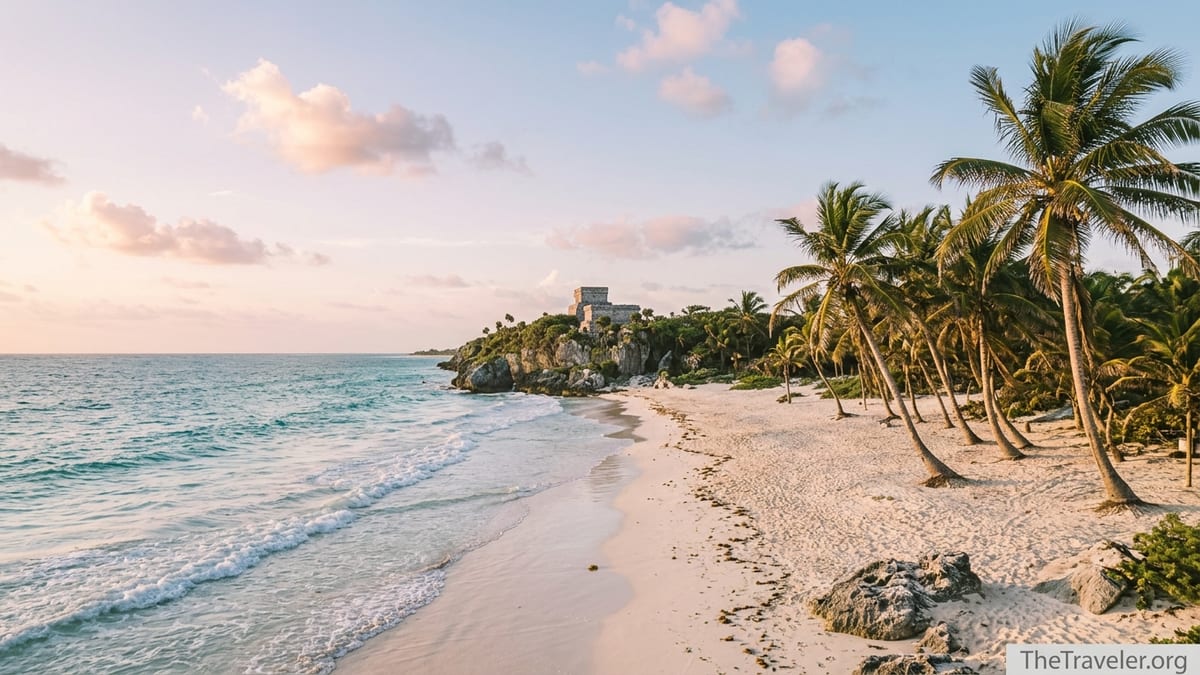
Essential Planning for a Yucatán Peninsula Trip
Most travelers start their Yucatán itinerary by flying into Cancún International Airport or the newer Tulum International Airport, which as of early 2026 handles a growing number of direct flights from North America and Europe. Cancún remains the main hub with the widest choice of fares and rental cars, while Tulum airport suits travelers focusing on the Riviera Maya and Bacalar, avoiding the busier Cancún hotel zone traffic. From either airport, you can connect by rental car, ADO long‑distance buses or organized transfers to reach Tulum, Valladolid, Mérida, Bacalar or Campeche.
Security is top of mind for many visitors. The U.S. State Department’s 2026 advisory for Mexico highlights Quintana Roo and Yucatán as major tourist areas that generally remain open and operating, while still recommending standard precautions such as avoiding isolated areas at night and using official taxis or pre‑booked transfers. Local authorities in Yucatán state have also stepped up a dedicated 2026 summer security operation with thousands of personnel to keep key routes and towns like Mérida, Valladolid and Progreso under visible patrols, which is especially reassuring for self‑drivers.
Transport is easier than many first‑time visitors expect. ADO and its sister brands run modern, air‑conditioned buses linking Cancún, Tulum, Valladolid, Mérida and Bacalar several times a day, often for the equivalent of 15 to 35 US dollars per leg depending on distance and class. The Tren Maya rail line, partially open and expanding in 2026, provides another option on certain routes, for example between Cancún, Valladolid and Mérida, cutting highway travel times and giving you a break from driving. For maximum flexibility around cenotes and smaller ruins, a rental car is still the most efficient choice, with typical compact rentals from Cancún starting around 30 to 50 US dollars per day before insurance.
Weather shapes what you can reasonably fit into each day. The dry, slightly cooler period from roughly late November to March is better for long days at Chichén Itzá or bicycle tours around Tulum and Valladolid. From June to October, humidity increases and afternoon storms are common, and the official Atlantic hurricane season runs over those same months, so it is wise to build some flexibility into your itinerary, plan crucial ruins visits early in the morning and have indoor back‑ups like museums or long lunches in colonial plazas.
5‑Day Highlights Route: Cancún, Tulum and Chichén Itzá
A focused 5‑day itinerary works well if you want a taste of beaches, cenotes and classic ruins without changing hotels too often. A simple loop begins and ends in Cancún, with overnights split between Cancún and Tulum and a day trip inland toward Chichén Itzá and nearby cenotes.
On Day 1, arrive in Cancún and stay either in the hotel zone for resort comforts and direct beach access, or downtown for cheaper guesthouses and closer access to the ADO bus station. Many travelers arriving on evening flights simply walk or take a short taxi to a nearby taquería for a first plate of cochinita pibil or al pastor before sleeping off the journey. If you fly in before noon, you can add a relaxed afternoon on Playa Delfines or a short sunset walk along the lagoon.
Day 2 is about transitioning to Tulum. By rental car, the drive along Highway 307 takes about two hours in normal traffic, while ADO buses typically take two and a half to three hours with stops. Travelers in 2026 often describe this road as straightforward to drive, though it can be busy near Playa del Carmen, so leaving after the morning rush is wise. Once in Tulum, base yourself either in Tulum Pueblo, where you will find budget‑friendly hotels, taco stands and bicycle rentals, or along the beach road, where eco‑chic hotels and higher restaurant prices are the norm.
On Day 3, head early to the Tulum ruins, which open in the morning and become hot and crowded by late morning. Expect to pay a modest entry fee in pesos at the official ticket booth, plus an optional extra if you bring a tripod or professional video gear. Many visitors pair the ruins with a nearby cenote such as Gran Cenote or Cenote Calavera later in the day, where recent traveler reports suggest entrance fees have climbed into the 300 to 400 pesos range per person by late 2025. Budget for those higher cenote prices and arrive with cash in small denominations, as card machines can be unreliable.
Day 4 is your inland adventure to Chichén Itzá. From Tulum or Cancún, most travelers either drive themselves, join a small‑group tour, or use an ADO or tour bus that combines the ruins with a cenote and a brief stop in Valladolid. As of mid‑2026, Chichén Itzá is open again after a short closure, operating under the national heritage agency’s standard schedule of about 8 am to 5 pm, with last entry in the late afternoon. Foreign visitors pay a combined federal and state ticket that commonly totals the equivalent of around 35 to 40 US dollars, so this is one of the pricier days of a Yucatán trip. To make the most of the cost, arrive as soon as the gates open to walk around the Castillo pyramid and the Great Ball Court before the heaviest heat and crowds.
On Day 5, return to Cancún for your flight home or onward journey. If your departure is late in the day, you might squeeze in last‑minute shopping at Mercado 28 downtown or a final swim. Build at least three hours between arriving in Cancún and your international flight, more if you are driving in from Tulum or the Riviera Maya, to allow for traffic, car return lines and airport security checks that can occasionally be slow at peak times.
7‑Day Route: Adding Valladolid and More Cenotes
With seven days, you can keep the Cancún and Tulum framework but add one or two nights in Valladolid, a pastel‑colored colonial town that makes a convenient base for a more relaxed visit to Chichén Itzá and several cenotes. A common pattern is two nights in Cancún or Tulum, two nights in Valladolid, and the remaining nights back on the coast.
Arriving in Valladolid from Tulum or Cancún takes roughly two to two and a half hours by car or bus. The town itself is compact enough to explore on foot, with the main square facing San Gervasio Cathedral, a string of sorbet and marquesita stands and benches full of families in the evening. Many budget travelers choose small guesthouses within a few blocks of the plaza, where double rooms often run between 30 and 80 US dollars, while boutique properties in restored mansions around Calzada de los Frailes cost more but offer courtyards, plunge pools and included breakfasts.
Valladolid shines as a cenote hub. Cenote Zací sits right in town and, according to local coverage in early 2025, raised its entrance fee significantly compared with 2024, a reminder of how quickly prices change in popular spots. Outside town, cenotes like X’kekén and Samulá near the village of Dzitnup, or more atmospheric options like Suytun and Oxmán, typically charge entrance fees somewhere in the zone of 150 to 300 pesos, sometimes more if you add a life jacket, locker or lunch in a buffet restaurant. Because many of these cenotes lack formal street addresses, travelers usually flag a taxi or colectivo in Valladolid, mention the cenote name and agree a round‑trip fare and pick‑up time in advance.
From a planning perspective, use your first full day in Valladolid for Chichén Itzá, which lies about 45 minutes away by car or bus. Staying in Valladolid rather than coming from the coast means you can arrive close to opening time without a dawn departure, enjoy a few hours exploring the main pyramid, observatory and sacred cenote, then retreat to a cooler underground cenote such as Ik Kil or another nearby option for a swim. On your second day, piece together a circuit of two or three cenotes, leaving plenty of downtime for wandering Valladolid’s streets, sampling Yucatecan dishes like lomitos de Valladolid or longaniza de Valladolid, and perhaps visiting the San Bernardino convent at sunset.
When you leave Valladolid, you can loop back to Cancún via the toll highway, return south to Tulum and the Riviera Maya beaches, or continue west to Mérida if your flights and timing allow. Even with just seven days, adding Valladolid breaks up your time between the coast and the interior and helps prevent “resort fatigue,” especially for travelers who value local neighborhoods, markets and lower restaurant prices.
10‑Day Itinerary: Looping Mérida and the Interior
A 10‑day Yucatán Peninsula itinerary lets you incorporate Mérida, the region’s cultural capital, alongside the classic circuit of Cancún, Tulum, Valladolid and Chichén Itzá. One realistic loop is Cancún to Valladolid to Mérida to Tulum and back to Cancún, which avoids rushed one‑night stops and minimizes backtracking.
If you travel from Valladolid to Mérida by car or bus, allocate about two and a half hours via the toll road. Mérida, in Yucatán state, is regularly cited as one of Mexico’s safer cities and has invested heavily in tourism infrastructure. Neighborhoods such as Centro Histórico and Paseo de Montejo host most boutique hotels, galleries and cafes. You might stay in a restored colonial house with a small plunge pool for around 100 to 200 US dollars per night, or choose a simpler inn with fan‑cooled rooms for a fraction of that price if you are comfortable without air‑conditioning.
Use two or three full days in Mérida to explore beyond the beach‑centric image of the peninsula. Day trips might include the yellow town of Izamal, the haciendas and cenotes around Cuzamá and Homún, or the flamingo‑rich wetlands of Celestún on the Gulf coast. Public colectivos and tour operators can reach many of these spots, but renting a car for at least one or two days around Mérida still gives you the most efficient access to off‑the‑main‑road cenotes, especially those that are less commercialized and charge modest entry fees compared to more famous cave pools near Tulum.
From Mérida, drive or bus back to Tulum or onward to Bacalar depending on how beach‑heavy you want the latter part of your trip to be. The Mérida to Tulum drive takes roughly four to five hours, breaking naturally with a lunch stop in Valladolid or a roadside taquería. Once back on the Caribbean coast, you can reuse the earlier 5‑ and 7‑day advice for exploring Tulum’s ruins, cenotes and beach clubs, slotting in rest days to simply lounge by the water or visit quieter stretches of sand south toward the Sian Ka’an Biosphere Reserve.
Because 10‑day trips often overlap weekends and local holidays, pay attention to major Mexican dates such as Semana Santa around March or April and national holidays in September and November. During these windows, even usually calm cities like Mérida and Valladolid can see hotel rates climb and popular cenotes fill with local families by midday, so pre‑booking accommodation and arriving early to attractions becomes more important than at other times of year.
2‑Week Grand Circuit: Including Bacalar and Campeche
A two‑week Yucatán Peninsula itinerary gives you enough time to complete a broader circuit including the freshwater lagoon of Bacalar and the walled coastal city of Campeche, while still hitting Cancún, Tulum, Valladolid, Mérida and Chichén Itzá at a comfortable pace. A sample route might be Cancún to Tulum to Bacalar to Campeche to Mérida to Valladolid and back to Cancún, using buses or a rental car depending on your confidence and budget.
Bacalar, about four hours south of Tulum by car or bus, has grown in popularity for its “Lagoon of Seven Colors,” a long freshwater lake known for sandbar‑pale shallows and deeper turquoise channels. In practice, most travelers experience the lagoon through half‑day boat or sail tours that stop at cenote‑like sinkholes, bird islands and shallow sandbars. Recent price surveys in 2025 and 2026 place standard shared boat tours in roughly the 350 to 600 pesos range per person, with private pontoon or sailboat charters running significantly higher depending on group size and inclusions such as drinks or snacks. Many guesthouses along the lagoon’s edge can book tours for you or arrange dock pick‑ups.
From Bacalar, you can continue west to Campeche, a drive of around five to six hours or an equivalent long‑distance bus journey with at least one change. Campeche’s walled historic center, painted in pastel blues and greens and lit warmly at night, feels quieter and less touristy than the Riviera Maya. Hotel rates here are often lower than in Mérida for comparable quality, and local seafood restaurants along the malecón serve dishes like coconut shrimp and octopus tacos at prices that appeal to long‑term travelers and digital nomads. Spend at least two nights to explore the old fortifications, small museums and evening light shows on the ramparts.
After Campeche, Mérida is an easy three‑hour hop, where you can reconnect with the 10‑day itinerary ideas and plan further inland excursions or cenote days. From Mérida, head to Valladolid for a night or two to be well positioned for Chichén Itzá and nearby cenotes if you have not already visited them earlier in the trip. Finally, finish in Cancún for your flights out, or, if fare searches make it attractive, consider flying home from Mérida instead, connecting through Mexico City.
Two weeks also gives you the flexibility to build in true rest days, especially around Bacalar and Mérida. Some travelers devote entire afternoons in Bacalar to sitting on a private pier with a book, only occasionally dipping into the lagoon. Others use extra time in Mérida for cooking classes, textile shopping or simply wandering between cafes on Calle 47. The point of a longer trip is not to cram in every ruin but to find your own rhythm of movement and stillness.
Getting Around: Car, Bus, Rail and Tours
Choosing how to move between Cancún, Tulum, Valladolid, Mérida, Bacalar and Campeche will shape your budget and stress levels more than almost any other decision. Renting a car remains the default for many visitors who want independence. Pick‑ups at Cancún airport often bundle mandatory insurance and sometimes a deposit on your card, so it is important to read the contract carefully, take photos of the vehicle at collection and drop‑off, and plan for toll road cash payments. On the toll highway between Cancún and Mérida, for instance, it is common to pay several hundred pesos across multiple booths, but in exchange you get a smoother, faster road with fewer topes and villages.
For those avoiding driving, the ADO bus network and other regional operators offer a straightforward, budget‑friendly alternative. Modern coaches depart Cancún’s downtown terminal for Tulum roughly every hour during the day, and continue onward to Valladolid, Mérida and Bacalar on longer routes. Tickets can be bought at station counters or through mobile apps, with assigned seats, luggage stored underneath and often onboard movies. Fares from Cancún to Tulum can be as low as the equivalent of 15 to 20 US dollars in economy, with longer legs to Mérida or Bacalar more expensive but still usually cheaper than private transfers.
The gradually expanding Tren Maya rail system adds another layer for 2026 itineraries. While not yet covering every route, segments connecting key hubs on the peninsula can reduce travel times and allow you to experience the interior landscapes from a different angle, with comfortable seating and restrooms onboard. Early riders report that planning around train timetables requires some flexibility, as schedules can shift and tickets on popular weekend and holiday departures sell out quickly, so it is wise to keep alternate bus options in mind.
Organized tours are useful when a particular day would otherwise be logistically complex. For example, some agencies based in Tulum sell full‑day “Yucatán adventure” packages around 5,000 to 6,000 pesos per person that combine transport, multiple cenotes, a short visit to Valladolid and lunch. While more expensive than self‑organizing with buses and taxis, these tours can be good value if you are short on time, uncomfortable driving or traveling in a group where per‑person costs drop when you book private vans.
Budgeting, Safety and Practical Tips
Prices across the Yucatán Peninsula have risen noticeably in the past few years, especially in cenotes, beach clubs and heavily visited ruins, so building a realistic daily budget helps prevent shock on the ground. As a general rule, backpackers who stick to buses, inexpensive guesthouses, local eateries and only a few paid activities can still shape a trip at roughly 50 to 80 US dollars per person per day. Mid‑range travelers, using occasional private transfers, nicer hotels and several organized tours or boat trips, often land closer to 120 to 200 US dollars per person per day, especially in Tulum and Cancún.
Safety, while generally good in most tourist areas, is not uniform. Cancún and Tulum see occasional incidents linked to organized crime that rarely involve tourists directly but can create alarming headlines. Travel forums in early 2026 still show seasoned visitors describing the main highway between Cancún and Tulum as low‑stress in daylight, yet advising common‑sense measures like avoiding driving at night, obeying speed limits near checkpoints and skipping unlicensed taxis. In Yucatán state, cities like Mérida and Valladolid retain reputations as some of the calmest places in Mexico, with evening street life centered around plazas and ice cream stalls rather than nightlife and clubs.
Cash strategy matters because many cenotes, local restaurants and smaller hotels prefer or require pesos. Airport and resort exchange desks tend to offer weaker rates, so withdrawing pesos from reputable bank ATMs in major towns is often better value. For example, you might draw 5,000 to 8,000 pesos at a time to cover several days of cenote fees, street food and taxi fares, while keeping a credit card for hotels and larger restaurant bills in Tulum and Mérida where card terminals are standard. Always keep some small notes on hand, as cenote parking lots and roadside snack stands may not be able to break large bills.
Health‑wise, the peninsula is hot and humid for much of the year, so sun protection, hydration and pacing are crucial. Many cenotes require showers before entering to protect the fragile water systems, and some now ask visitors to avoid sunscreen entirely or use only reef‑safe products applied long before swimming. Travel insurance that covers medical care and potential evacuation is strongly recommended, especially if you plan on renting scooters or cars or joining adventure activities such as zip‑lining or diving in cenotes.
The Takeaway
Whether you have five days or two weeks, the Yucatán Peninsula lends itself to clear, manageable itineraries that combine Caribbean beaches, Maya ruins, freshwater cenotes and graceful colonial cities. A short visit can focus on Cancún, Tulum and Chichén Itzá, while a week adds Valladolid’s cenote‑hopping and a ten‑day trip comfortably includes Mérida’s museums and markets. With two weeks, you can slow down around Bacalar’s lagoon and Campeche’s walls, discovering a side of the peninsula that many fly‑in resort visitors never see.
Whichever route you follow, a successful Yucatán trip in 2026 hinges on early starts for major ruins, realistic drive times between hubs, a flexible mix of transport options and a budget that acknowledges today’s higher entrance fees and tour prices. Center your plans on the places that appeal most, leave room for rest days and chance discoveries, and you will find that this compact corner of Mexico can feel like several different trips woven into one.
FAQ
Q1. Is it better to start a Yucatán itinerary in Cancún or Tulum?
Cancún works best for most travelers because it has more international flights, car rentals and bus connections, but Tulum’s airport can be convenient if you plan to focus on the Riviera Maya and Bacalar and want to avoid backtracking through Cancún. Many visitors still price both options and choose Cancún when fares or rental car availability are significantly better.
Q2. How many days do I really need to visit Chichén Itzá and nearby cenotes?
Most travelers dedicate one full day if they base in Valladolid or two days if coming from Tulum or Cancún. A common pattern is to spend the morning at Chichén Itzá, then cool off in one or two cenotes in the afternoon and overnight in Valladolid, which reduces travel time and lets you visit at a slower, less rushed pace.
Q3. Is it safe to drive between Cancún, Tulum, Valladolid, Mérida and Bacalar?
Driving these routes in daylight is generally considered safe by frequent visitors, with well‑marked highways and regular fuel stations. Recommended precautions include obeying speed limits, avoiding night driving, carrying pesos for tolls and being polite and calm at any police or National Guard checkpoints. If you are uncomfortable driving, ADO buses and organized transfers are reliable alternatives.
Q4. How much should I budget per day on a Yucatán Peninsula trip?
Budgets vary widely, but a realistic guideline in 2026 is around 50 to 80 US dollars per person per day for budget travelers using buses and inexpensive guesthouses, and 120 to 200 US dollars for mid‑range visitors relying on a mix of private transfers, modern hotels and several organized tours or boat trips. High‑end resort or boutique stays along the Riviera Maya can easily exceed these ranges.
Q5. Are cenote prices really going up, and how can I plan for that?
Yes, entrance fees at popular cenotes have increased in recent years, particularly around Tulum and Valladolid, with many now charging the equivalent of 10 to 20 US dollars or more per person once extras are included. To plan, set aside a specific cenote budget, carry cash in small denominations and include a mix of lesser‑known cenotes and more famous ones in your itinerary.
Q6. What is the best time of year to follow these itineraries?
The dry season from roughly late November to March offers more comfortable temperatures and lower rain chances, making long days at ruins and cenotes easier. Shoulder months like April, early May and late October can offer a balance of fewer crowds and manageable heat, while the June to October wet season brings higher humidity, afternoon storms and a risk of hurricanes that may disrupt tight schedules.
Q7. Can I do this trip entirely by public transport without renting a car?
Yes, you can connect Cancún, Tulum, Valladolid, Mérida, Bacalar and Campeche using ADO buses and, on some routes, the Tren Maya. For local movements to cenotes or smaller ruins, you can rely on taxis, colectivos and occasional day tours. This approach requires more schedule awareness and sometimes longer transit times but suits travelers who prefer not to drive.
Q8. Is Bacalar worth including if I already have beach time in Tulum or Cancún?
Bacalar offers a different experience because it is a freshwater lagoon rather than a seaside beach. Many visitors describe it as more relaxed, with quieter waterfront guesthouses and emphasis on boat or sail tours rather than beach clubs. If you value calm water, fewer crowds and slower evenings, Bacalar is a strong addition to a one‑ or two‑week itinerary.
Q9. How should I split my time between Mérida, Valladolid and Campeche?
For a two‑week route, a common allocation is three or four nights in Mérida as a cultural and day‑trip base, two nights in Valladolid for cenotes and Chichén Itzá, and two nights in Campeche for its walled historic center and Gulf views. Shorter trips might prioritize Mérida and Valladolid, only adding Campeche if your schedule and transport connections allow.
Q10. Do I need to book tours and accommodation in advance for 2026?
Advance booking is highly recommended for peak months like December to March, for major holidays and for popular boutique hotels in Tulum, Mérida and Bacalar. For shoulder and low seasons, you can often book a few key nights and flexible tours ahead of time while leaving gaps to adjust your itinerary on the ground, especially if you are comfortable with mid‑range rather than ultra‑specific luxury properties.