


More news on this day
Canelo Álvarez’s arrival in Riyadh for his October 31 title bout is unfolding against a sharply altered backdrop for American travelers, as the United States maintains a tougher security posture in Saudi Arabia and across the wider Middle East.
Get the latest news straight to your inbox!
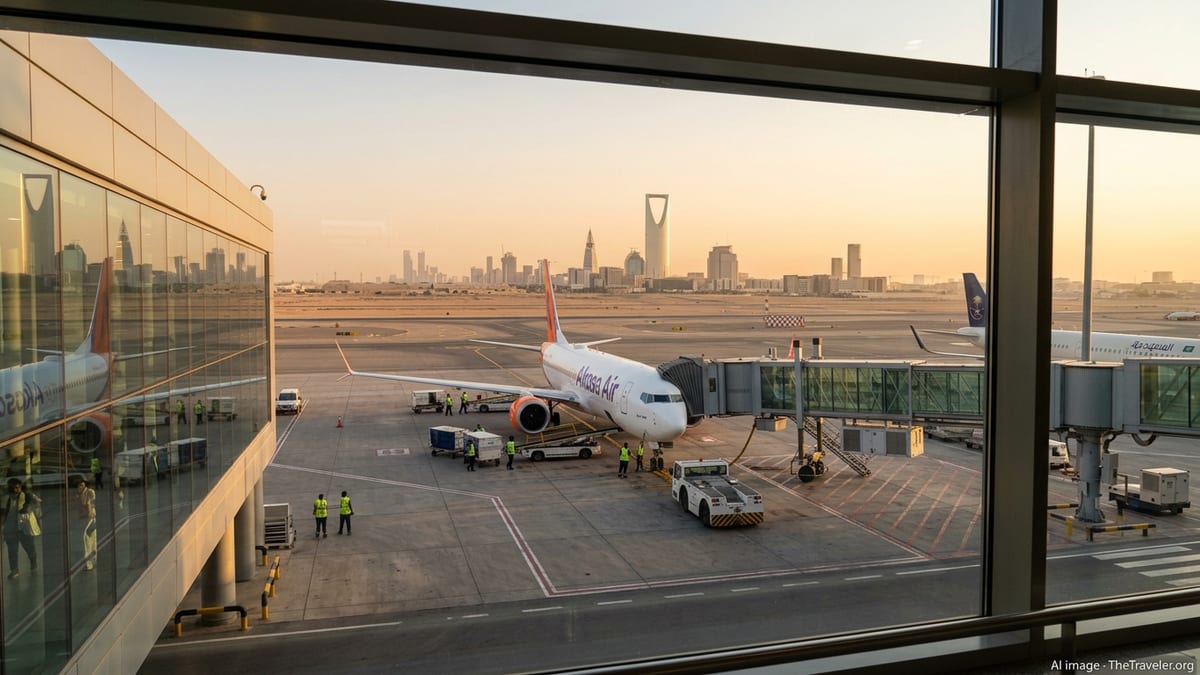
Fight Week Begins Under Heightened Security Climate
The Mexican star has landed in the Saudi capital to headline the "Mexico vs The World" boxing card at The Venue in Riyadh on October 31, part of the 2026 Riyadh Season entertainment festival. Event listings and promotional schedules describe the bout against Christian Mbilli for the WBC super middleweight title as one of the centerpiece attractions of this year’s program, with grand arrivals, press conferences and a public weigh‑in scheduled across the days leading up to the fight.
While organizers emphasize the showpiece nature of the event, Álvarez’s arrival comes just as the security narrative around travel to Saudi Arabia has hardened. The U.S. Department of State maintains its overall advisory for Saudi Arabia at Level 3, “Reconsider Travel,” citing risks from missile and drone attacks, terrorism and the potential for sudden airspace restrictions. Areas along the border with Yemen are designated at the highest Level 4, “Do Not Travel,” reflecting an elevated threat environment there.
For sports fans, this means a stark contrast between the festival atmosphere promoted by Riyadh Season and the more cautious tone set by official U.S. guidance. Boxing followers and general visitors weighing a trip to the Saudi capital for the fight now have to factor in not only tickets and accommodation but also a dynamic regional security picture and the practical implications of a more restrictive advisory level.
U.S. Travel Advisory Tightens for Saudi Arabia and the Region
Publicly available information from the State Department shows that Saudi Arabia’s Level 3 advisory was reaffirmed in an update dated mid‑October 2026. The wording urges Americans to reconsider travel due to threats from ballistic missiles, drones and other security incidents, particularly those linked to Iranian‑backed groups. In parallel, a broader security alert for the Middle East encourages U.S. citizens to exercise increased caution, warning of possible flight cancellations, temporary airspace closures and other disruptions.
In a further sign of concern, recent reporting indicates that Washington has instructed some U.S. government personnel and family members to depart Saudi Arabia following a series of Houthi attacks that included strikes on civilian airports and other infrastructure. Coverage of these measures notes that they are designed to reduce the exposure of official staff to potential escalation, and they also serve as a strong signal to private travelers about the seriousness with which the U.S. government views current risks in the kingdom.
These steps sit alongside a standing Worldwide Caution, which underscores that U.S. citizens traveling globally, and particularly in the Middle East, should remain alert to the possibility of security incidents that could affect transportation networks or public venues. For those looking at Riyadh not just for the Álvarez fight but for a broader itinerary built around the city’s entertainment calendar, this combination of country‑specific and global messaging sets a more constrained context than in previous seasons.
Riyadh Season Pushes Ahead With Flagship Events
Despite the more sober travel advice, Saudi Arabia’s push to position Riyadh as a major global sports and entertainment hub is continuing. The 2026 Riyadh Season opened in late October with a multi‑week program of concerts, cultural festivals and sporting events. Schedules compiled by local event guides and regional media highlight the October 31 boxing card as a key moment early in the season, followed by other high‑profile fixtures such as an international wrestling show at Riyadh Season Stadium in early November.
Reports on the Saudi entertainment drive note that boxing has become a signature element of this strategy, with Álvarez’s multi‑fight agreement regarded as one of its marquee assets. The Canelo vs Mbilli matchup, reconfirmed for late October after an earlier date shift, has been marketed internationally to draw visitors despite concerns about regional tensions. Ticketing outlets list seats across a range of price points for The Venue, while broadcast partners promote the fight to global audiences who may now be more inclined to watch from home rather than travel.
At the same time, some sports coverage points out that organizers are operating in a more uncertain environment. There is close scrutiny of whether major events can proceed on schedule amid reports of missile and drone activity targeting infrastructure elsewhere in the country. As of late October, there has been no official indication that the Álvarez card will be relocated or postponed, and Riyadh Season calendars continue to show fight week activities in the city.
What the Tougher Advisory Means for U.S. Travelers
For Americans considering a trip to Riyadh around October 31, the Level 3 advisory and related security alerts translate into a need for more detailed planning and a lower tolerance for last‑minute changes. The State Department’s published framework describes Level 3 as a point at which travelers should seriously weigh the risks of going at all, and, if they do proceed, take additional precautions, such as preparing contingency routes and ensuring that travel documents, insurance and communications plans are in order.
Information on the advisory site also highlights potential limitations on the ability of U.S. consular staff to assist citizens in crisis situations, especially if airspace restrictions or security incidents constrain movement around airports or within certain regions of Saudi Arabia. Travelers are advised in general guidance to monitor updates closely, register their trip through the Smart Traveler Enrollment Program and maintain contact with airlines regarding any schedule adjustments or cancellations.
Those already in the kingdom for Riyadh Season events may experience more visible security measures, ranging from screening at venues to traffic controls around key sites. While such steps are intended to safeguard major gatherings, they can also lengthen travel times within the city or affect how early spectators need to arrive for events like the Álvarez fight. Publicly available advisories encourage visitors to build extra time into their plans and to stay attentive to any local announcements regarding curfews, restricted zones or changes to public transport.
High‑Profile Sports and the New Optics of Risk
The juxtaposition of Álvarez’s star power with a sharpened U.S. travel alert illustrates how quickly the optics of international sports tourism can shift. In recent years, Riyadh has been promoted as an emerging alternative to traditional boxing capitals, offering substantial purses and purpose‑built venues aimed at attracting global audiences. Now, the same destination sits within a region singled out in U.S. security messaging as vulnerable to spillover from wider Middle East tensions.
Analysts writing on the intersection of sports and geopolitics have observed that high‑visibility events often proceed even amid elevated risk, both for contractual reasons and as a way for host governments to project continuity. For individual travelers, however, the calculation is more personal, weighing the appeal of witnessing a historic bout in person against concerns about security, the possibility of sudden disruptions and the availability of refunds or travel insurance coverage if circumstances change.
As fight week in Riyadh gathers pace, the sight of Álvarez training, attending media events and moving through the city is likely to feature heavily in international coverage of both boxing and tourism. Whether that imagery reassures would‑be visitors or prompts them to follow the action from afar will depend on how the evolving security narrative aligns with their own appetite for risk in a moment when U.S. guidance is urging caution.