


More news on this day
Saúl “Canelo” Álvarez has touched down in Riyadh ahead of his October 31 title fight, arriving in Saudi Arabia just days after the United States sharpened its security and travel guidance for Americans in the kingdom.
Get the latest news straight to your inbox!
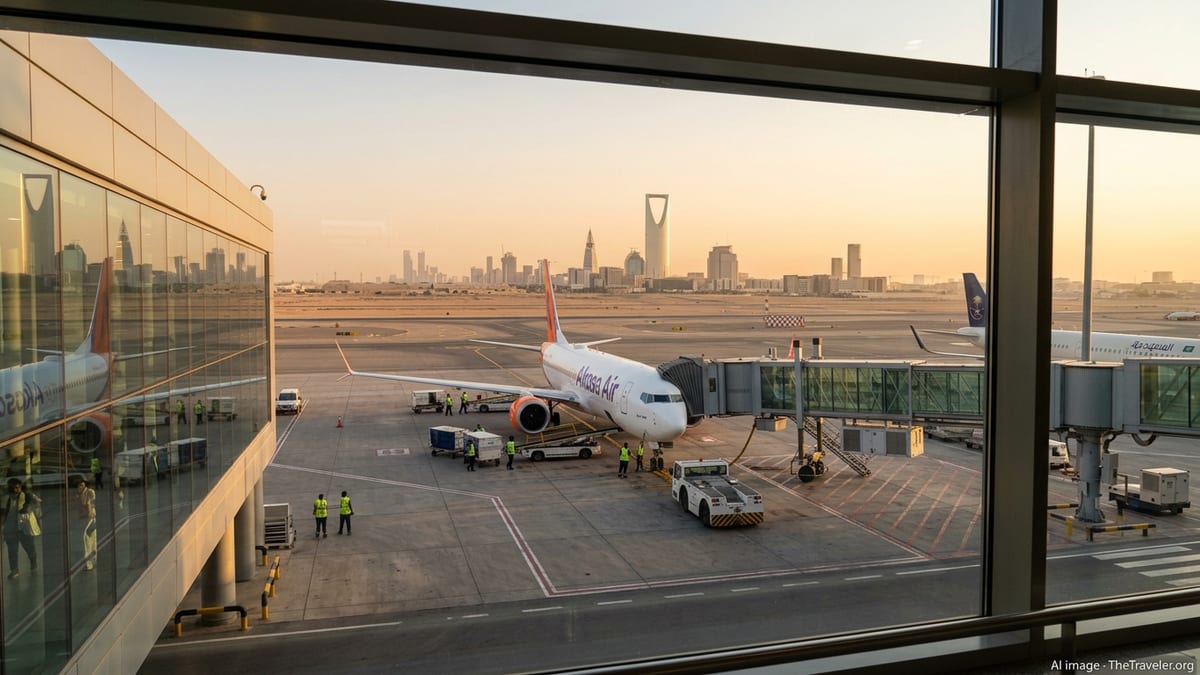
High-Profile Arrival Amid Level 3 Travel Advisory
Published coverage from U.S. and international sports outlets indicates that Álvarez arrived in Riyadh on Monday, October 26, for his super middleweight bout against Christian Mbilli, scheduled as part of the Riyadh Season 2026 program. The Mexican star’s camp and local organizers have continued to promote the event, even as security concerns dominate headlines about travel to Saudi Arabia.
According to publicly available information on the U.S. State Department’s travel portal, Saudi Arabia is currently rated Level 3, “Reconsider Travel.” The advisory, updated several times in October 2026, cites risks including armed conflict, terrorism, and ongoing missile and drone attacks that have affected airports and other civilian infrastructure. Separate public alerts have warned of possible flight cancellations, airspace closures, and broader travel disruption affecting those transiting the region.
The timing places Álvarez in Riyadh just as Washington updates its language around the threat environment, including specific references to attacks by Iranian-backed Houthi forces. The contrasting images of a globally marketed title fight and official calls for heightened vigilance underscore the unusual backdrop for one of boxing’s most lucrative events of the year.
Reports from boxing media suggest that, so far, the fight contract remains unchanged and organizers intend to keep the event in Riyadh. Discussions in the sport’s ecosystem have focused less on the matchup itself and more on whether geopolitical tensions could still force late adjustments to logistics or the date.
What the Latest U.S. Advisory Says About Saudi Travel
The State Department’s public advisory for Saudi Arabia, most recently updated on October 23, emphasizes that Americans should reconsider non-essential travel to the country. The document highlights risks from drone and missile strikes attributed to Iran and Iran-supported Houthi groups, noting that U.S. government personnel face their own movement restrictions inside the kingdom.
The advisory states that the entire country remains at Level 3, while areas along the border with Yemen are designated Level 4, “Do Not Travel,” due to heightened danger. In addition to the threat of attacks, the guidance references concerns over exit bans, local laws governing online speech, and the possibility that emergency services for U.S. citizens may be limited in some regions.
Travelers are encouraged, through the same public guidance, to monitor local media, stay alert in crowded places and transport hubs, and develop contingency plans that do not rely solely on U.S. government assistance. The advisory also points to the Smart Traveler Enrollment Program as a way for Americans in Saudi Arabia to receive security updates while in-country.
Separate alerts shared on official U.S. government social-media channels earlier in October urged Americans across the broader Middle East to be prepared for potential flight disruptions, including diversions and last-minute cancellations. These notices specifically referenced the risk of attacks on civilian airports in Saudi Arabia.
Missile Threats and Airport Strikes Shape Risk Calculus
The sharpened travel warning follows a series of incidents in which projectiles and drones targeted airports and infrastructure in Saudi Arabia during October 2026. Public reporting by global and regional news organizations has described damage and casualties linked to strikes on transport facilities, including Riyadh’s King Khalid International Airport and airports in the south of the country.
Canada’s official travel advisory for Saudi Arabia, updated on October 22, also reflects this evolving picture, warning of missiles, drones, and other projectiles launched from Yemen toward Saudi territory. That guidance singles out specific aviation facilities as locations to avoid and advises travelers already in the country to carefully check the status of flights and consider overland routes or connections through nearby hubs if air services are disrupted.
Australia’s Smartraveller service has issued similar advice, recommending that travelers reconsider the need to travel and, for those already present, explore alternatives to domestic flights in affected areas. The convergence of multiple countries’ advisories has reinforced the sense that the risk environment around Saudi airports remains fluid in late October.
For sports fans heading to Riyadh, this means the simple question of how to arrive at the fight has become more complicated. Boxing analysts and fan forums have discussed options such as flying into neighboring Gulf states and traveling overland to Saudi Arabia, though these workarounds carry their own logistical and legal considerations and depend on each traveler’s nationality and visa status.
Riyadh’s Sports Push Continues Under Scrutiny
Álvarez’s bout is one of several high-profile events clustered around Riyadh Season, a state-backed entertainment and sports initiative that has brought major boxing cards, professional wrestling shows, and international football exhibitions to the Saudi capital in recent years. Industry-focused outlets report that, despite the current security alerts, several of these events remain firmly on the calendar for late October and early November.
Coverage in sports business publications notes that organizers and international partners face a complex decision set: contracts, broadcast schedules, and sponsorships are already in place, yet the security picture can change quickly. Some events, such as a planned elite tennis tournament, have reportedly been postponed or shifted, while others, including Álvarez’s fight and a major pro wrestling show, continue to move forward as planned.
This divergence has fueled debate within the global sports community over how to weigh safety guidance when large appearance fees and media rights are involved. Commentators have questioned whether athletes and traveling staff should treat the Level 3 advisory as a signal to withdraw, or whether enhanced private security, charter flights, and limited time on the ground can mitigate risks to an acceptable level.
For Riyadh, keeping the Álvarez card in place is symbolically important. The bout not only showcases one of boxing’s most bankable names but also reinforces Saudi Arabia’s positioning as a central stage for big-ticket fights that might previously have landed in Las Vegas, New York, or London.
What the Situation Means for Ordinary Travelers
For everyday travelers and fans considering a trip to Riyadh around the fight date, the intersection of high-profile sports and elevated risk means careful planning is essential. Public advisories encourage would-be visitors from the United States and other countries to scrutinize flight options, check refund and change policies, and avoid itineraries that rely on tight connections through airports that have recently been targeted.
Travel guidance from multiple governments stresses the importance of comprehensive travel insurance that clearly covers security-related disruptions, including cancellations due to missile attacks or airspace closures. Policies vary widely, and publicly available consumer advice recommends confirming coverage in writing before departure.
Those who decide to attend events such as the Álvarez versus Mbilli fight are urged by official advisories to keep a low profile, maintain regular contact with family or trusted contacts at home, and register with their government’s citizen-tracking or alert systems where available. Travelers are also reminded that Saudi Arabia enforces strict local laws on behavior, dress, alcohol, and online speech, and that these regulations apply to visitors regardless of the circumstances that brought them to the country.
Ultimately, Álvarez’s arrival in Riyadh illustrates the widening gap between Saudi Arabia’s ambition to serve as a global sports hub and the security assessments now shaping government guidance to foreign travelers. As the bell approaches on October 31, that contrast is likely to remain at the center of discussions about how, and whether, to travel to the kingdom.