


More news on this day
Canelo Alvarez’s touchdown in Riyadh for his October 31 title fight is drawing fresh attention to a tougher U.S. government warning on travel to Saudi Arabia, placing one of boxing’s biggest attractions squarely in the middle of a fast-changing security landscape for visitors to the kingdom.
Get the latest news straight to your inbox!
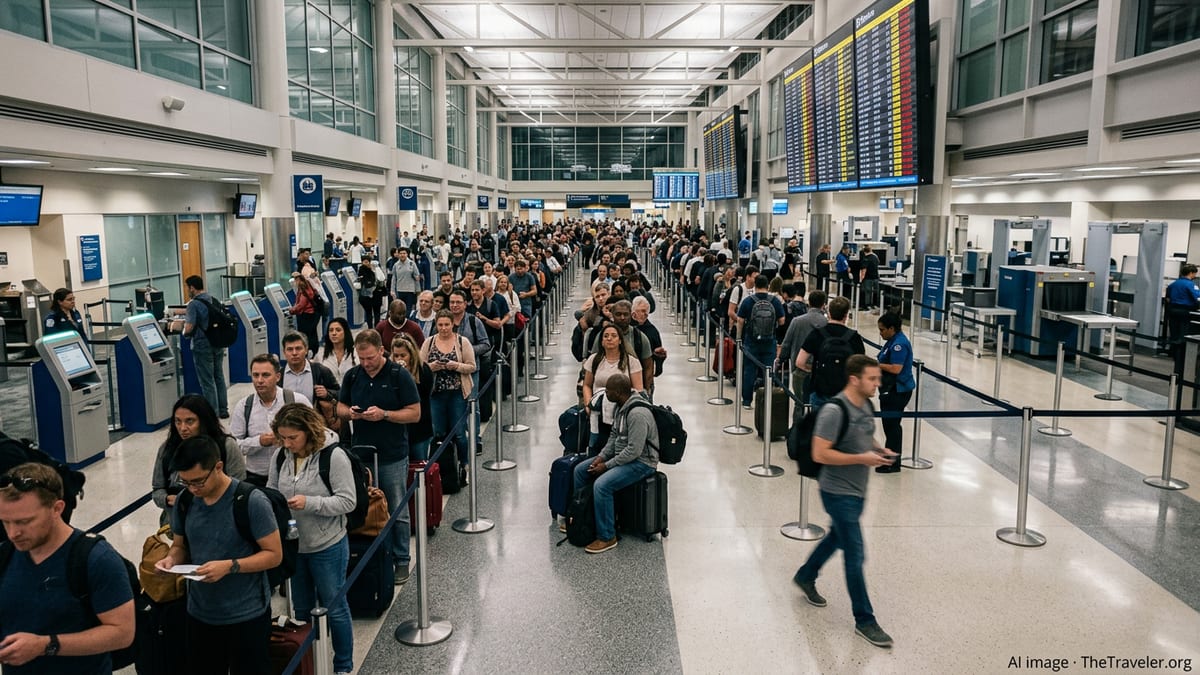
Star Boxer Lands as Security Concerns Mount
Recent sports coverage indicates that Canelo Alvarez arrived in Riyadh on Monday, October 26, ahead of his WBC super middleweight title bout with Christian Mbilli, scheduled for Saturday, October 31, as part of the Riyadh Season entertainment festival. His early arrival follows weeks of speculation over whether the event could proceed amid a spike in regional tensions and attacks targeting Saudi infrastructure, including around the capital.
Published reports describe a series of missile and drone incidents linked to Yemen’s Houthi movement and other Iran-aligned groups, some aimed at facilities serving Riyadh, with travel disruption and casualties reported in the wider region. Separate coverage from international news outlets notes that the United States has ordered some diplomatic staff and family members to leave Saudi Arabia in recent days, underscoring how a sporting spectacle is unfolding against a backdrop of heightened security concerns.
For organizers of Riyadh Season, Canelo’s presence confirms that one of the festival’s flagship events remains on the calendar. Ticketing announcements and fight-week schedules circulated by boxing media continue to reference The Venue in Riyadh as the host site, with fans from Mexico, Canada, the United States, Europe and beyond expected to travel in for the October 31 card, subject to airline operations and any last-minute changes in the security picture.
The timing, however, means inbound travelers for the fight now have to navigate not only standard entry rules but also a reinforced layer of risk guidance from the United States and several other governments, which are reassessing conditions in Saudi Arabia and the broader Gulf region almost day by day.
U.S. Advisory on Saudi Arabia Ratcheted Up
Publicly available information from the U.S. Department of State shows that Saudi Arabia is currently subject to a Level 3 “Reconsider Travel” advisory, updated in mid-October 2026. The advisory highlights the risks of terrorism, missile and drone attacks, and the potential for sudden disruptions to transportation infrastructure, including airports and border crossings.
Travel advisory guidance explains that a Level 3 notice signals serious safety and security risks and that conditions can change rapidly. Background materials from the State Department describe Level 3 as a point at which travelers are urged to avoid nonessential trips and to weigh whether travel can be postponed or rerouted in light of current threats. Level 4, which is not in place for Saudi Arabia but applies to several nearby countries, is reserved for “Do Not Travel” warnings.
Alongside the country-specific advisory, the United States has also issued broader regional alerts for the Middle East in recent months. Those alerts urge Americans in the region to exercise increased caution, remain aware of the risk of attacks on public venues, and have contingency plans for sheltering in place or departing at short notice if security conditions deteriorate.
The convergence of these notices with the Canelo versus Mbilli promotion means that fans, media and support staff traveling from the United States now face a more complex risk environment than many previous Riyadh Season boxing nights, even as flights and ticket sales continue to move forward.
Riyadh Season Pushes Ahead With Global Events
Riyadh Season has, in recent years, become a central plank of Saudi Arabia’s bid to remake its capital as a global hub for live entertainment and sport. Public event schedules show that the festival typically runs through the cooler months, anchoring a series of major boxing nights, mixed martial arts cards, football exhibitions and concerts around newly built arenas and entertainment districts in the city.
Boxing coverage points out that the Canelo versus Mbilli clash is the latest in a sequence of high-profile fights that have brought world champions and large international entourages to Riyadh. Previous seasons featured heavyweight showpieces and crossover bouts that drew visitors from across Europe, North America and Asia, with local authorities promoting the events as part of a broader tourism and diversification agenda.
This year’s calendar, however, is unfolding amid more explicit security warnings from Western governments. Despite that, published ticketing information indicates that seats for the October 31 card remain on sale, and broadcasters are continuing to list the fight as a centerpiece of late-October programming. For domestic audiences, the event forms part of a broader slate of attractions designed to keep visitor numbers flowing into Riyadh’s entertainment zones through the autumn.
Industry analysts note that such global events often proceed even under elevated travel advisories, though organizers may quietly adjust security protocols, transportation plans and crowd management in response to updated risk assessments. Any such measures for the Canelo card have not been detailed in publicly available sources, but the decision to press ahead with the bout signals a determination to keep Riyadh Season on track.
What the Tougher Alert Means for U.S. Travelers
The intersection of a marquee boxing night with a Level 3 advisory places a specific set of considerations on U.S. visitors contemplating a trip to Riyadh. State Department materials emphasize that under a Level 3 notice, travelers should reconsider nonessential journeys, enroll in the Smart Traveler Enrollment Program for security updates, and ensure that their itineraries include flexibility for rapid change.
Practical implications can include higher travel insurance costs, stricter corporate travel approvals and closer scrutiny from universities and sports organizations that send groups abroad. Some institutions automatically restrict or prohibit travel to Level 3 destinations for official activities, meaning that fans tied to such policies may find themselves unable to attend in person, even if commercial flights and event operations continue.
Travel risk consultants point out that increased alert levels can also affect route planning. Airlines may adjust schedules, reroute flights to avoid certain airspace or consolidate services into major hubs. While international media reports do not indicate a complete shutdown of air links to Riyadh, travelers are being advised in public forums to monitor airline notices closely and to allow additional time for potential delays or enhanced screening.
For independent tourists building a Riyadh trip around the Canelo fight, standard safety guidance now carries extra weight: maintaining low profiles in crowded areas, identifying shelter locations near accommodation and venues, and confirming that passports, visas and local contact information are accessible in both digital and printed form in case of sudden movement restrictions.
Balancing Spectacle and Risk in a Changing Region
Canelo Alvarez’s decision to proceed with his Riyadh engagement, and his visible arrival in the city days before fight night, highlight the way international sport can both reflect and momentarily transcend geopolitical tension. Published comments from Saudi entertainment officials in recent weeks have framed the continuation of Riyadh Season’s schedule as a statement of resilience and normalcy in the face of external threats.
At the same time, the sharpened U.S. advisory and partial drawdown of diplomatic staff underscore that risk perceptions are shifting even as tickets are scanned and cameras roll. For some fans, the elevated alert will be a reason to opt for pay-per-view or streaming options at home rather than boarding a flight into an environment described by Washington as warranting caution.
The situation also illustrates how swiftly the context around major events can change. When earlier Riyadh Season fight nights were announced, Saudi Arabia’s security profile for many travelers was framed more around longstanding concerns about terrorism and regional rivalry. This year, a renewed cycle of missile and drone activity, coupled with evolving defense pacts and military postures, has injected a new layer of uncertainty into travel planning.
As Canelo settles into fight week routines inside Riyadh, the city is offering a vivid case study in twenty-first century sports tourism, where the allure of global mega-events increasingly has to be weighed against the granular detail of government advisories and real-time security updates.