


Two pine covered peninsulas on the French Riviera promise a similar dream: quiet coves, grand villas and water the color of blown glass. Yet Cap d’Antibes and Saint Jean Cap Ferrat feel strikingly different once you arrive. If you are planning a Riviera trip for 2026 and can only choose one, the decision will shape everything from your daily budget to how you spend your evenings. This comparison looks at how each cape actually feels on the ground, with recent examples of prices, beaches and logistics so you can decide which Riviera experience suits you better.
Get the latest updates straight to your inbox!
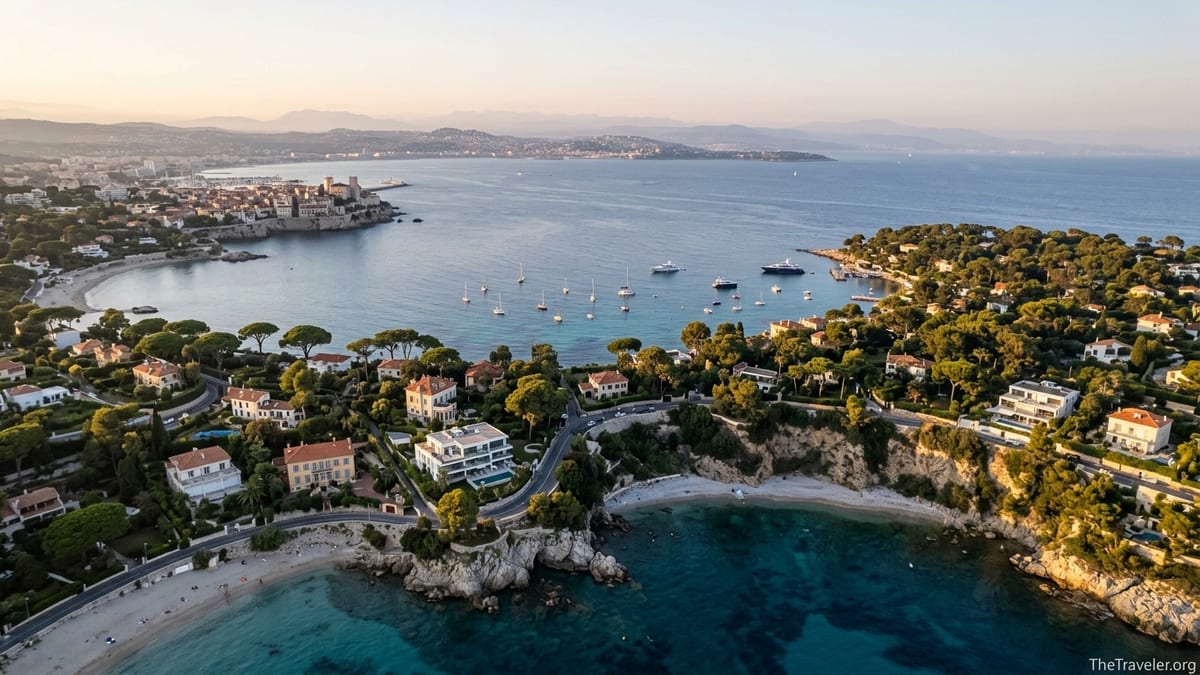
The Big Picture: How Each Cape Feels
Cap d’Antibes sits between old Antibes and Juan les Pins, with roads that buzz a little more, family friendly beaches and easy access to trains and nightlife. It has some of the Riviera’s most storied addresses, but when you drive in past apartment blocks and supermarkets you are reminded that you are close to a working town as much as a billionaire’s hideaway. The result is a cape that mixes everyday Riviera life with pockets of rarefied luxury.
Saint Jean Cap Ferrat feels more withdrawn. The village and port are compact, and once you walk away from the marina the roads quickly narrow between stone walls and lush gardens. There is no large urban center wrapped around it, only the smaller towns of Beaulieu sur Mer and Villefranche sur Mer nearby. The whole peninsula has an almost residential calm, even in summer, which many visitors describe as more “retreat” than “resort.”
Both capes are expensive by French standards, but Cap d’Antibes gives you more ways to dial the cost up or down by staying in Antibes or Juan les Pins and visiting the cape for the day. On Saint Jean Cap Ferrat, the baseline is higher. Accommodation and dining are geared toward people staying right on the peninsula, so day trippers often notice that everything from coffee to beach loungers can cost a little more.
In practical terms, this means Cap d’Antibes may feel better if you want Riviera atmosphere without committing to an ultra secluded stay, while Saint Jean Cap Ferrat is ideal if you imagine long, quiet days walking the coast path and returning to the same polished hotel or villa each night.
Beaches and Sea: Where It Feels Better to Swim
Cap d’Antibes offers a patchwork of sandy beaches and rocky coves. On the Antibes side, Plage de la Salis is a shallow, sand and shingle stretch that attracts families who wheel in buggies and coolers for the day, with the lighthouse and cape villas in the background. Further around, Plage de la Garoupe is the postcard spot many people have in mind, with turquoise water and a mix of public area and private beach clubs. Recent visitor reports suggest that for a pair of sun loungers and a parasol at one of Garoupe’s clubs in high season you can easily spend from about 40 to 70 euros per person for the day, depending on the row and the restaurant behind it.
On the southern side of Cap d’Antibes the coastline becomes more rugged, with narrow inlets like Baie des Milliardaires accessed by sections of the Sentier du Littoral coastal path. Here the appeal is less about lying on a wide stretch of sand and more about slipping into deep clear water from rocks, watching yachts anchor just offshore. This suits confident swimmers and anyone who prefers a wilder feel to their seaside time.
Saint Jean Cap Ferrat is known for three main beach areas. Paloma Beach, facing across the bay toward the ochre houses of Eze and Beaulieu sur Mer, is the most photographed. The shore is largely pebbles, but the water is glassy and calm, and the steep hills behind help it feel sheltered. The private section at Paloma typically rents loungers by the full or half day in summer; prices often run higher than on busier town beaches, with many travelers reporting figures in the 50 to 80 euro per person range including a towel and umbrella in peak months.
On the opposite side of the peninsula, Passable Beach looks across to the bay of Villefranche sur Mer, catching afternoon sun and sunset light. The main village beach by the port is a simpler option, with showers and space to spread a towel for free. Overall, Saint Jean Cap Ferrat’s beaches feel smaller and more intimate than those at Cap d’Antibes. The pebbles mean fewer families building sandcastles, and more couples or small groups who come to float for an hour before lunch on the port.
Scenery, Walks and That Iconic Riviera Glow
Cap d’Antibes is dramatic when you view it from a distance, especially from the ramparts of old Antibes or the higher floors of seafront hotels in Juan les Pins. Up close, the cape alternates between wild corners and long hedges hiding villas. The Sentier du Littoral footpath between the Garoupe area and the Villa Eilenroc estate is a highlight: about 3.7 kilometers of narrow trail clinging to the rocks with spray sometimes drifting up on windy days. In 2026, a stretch of coastal access beneath Villa Eilenroc remains closed for safety and environmental reasons, so parts of the path are temporarily rerouted inland. Visitors need to factor that in if they are expecting a continuous seaside loop.
Along this walk, you pass stone staircases that lead down to small inlets where locals swim before work and fishermen mend nets. The pine scent can be strong after hot days, and in the late afternoon light the white villas and limestone walls glow against the blue water. It feels untamed in a way that surprises people who imagined Cap d’Antibes as wall to wall development.
Saint Jean Cap Ferrat’s coastal path wraps almost the entire cape, divided into sections. The walk around the Saint Hospice headland on the eastern side is especially atmospheric, circling a small chapel and cemetery while you watch waves break on rock shelves far below. Another popular section links the port area to Passable Beach and on toward the lighthouse at the tip of the cape. The paths here are generally wider and less exposed than the wildest parts of Cap d’Antibes, with more benches and clear waymarking.
If your ideal Riviera experience involves long, meditative walks with frequent photo stops, Saint Jean Cap Ferrat often feels more coherent and leisurely. Cap d’Antibes, by contrast, offers a more energetic, slightly rugged loop that may appeal if you like your views with a bit of spray and the sense that you are skirting the very edge of the cape.
Staying There: Hotels, Villas and Budgets
Cap d’Antibes has a full spectrum of sleeping options because you can base in Antibes town, in Juan les Pins or directly on the cape itself. On the ultra luxury end, Hotel du Cap Eden Roc remains a legend, usually pricing its sea view rooms far above 1,000 euros per night in peak season and often filling with repeat guests long before summer. Slightly more accessible but still very upscale is Cap d’Antibes Beach Hotel, a design forward Relais & Châteaux property with a private sandy cove and infinity pool, where recent rate guides suggest starting prices from around 550 to 600 euros per night in early summer for entry level rooms.
Move just a few minutes away by car or bus and the numbers change. In old Antibes you find small three star hotels around the ramparts and apartments above the market square. Travelers report summer nightly rates in the 150 to 300 euro range for central, air conditioned rooms. In Juan les Pins, larger resort style properties sit behind sandy beaches lined with mid range beach clubs where you can rent loungers for significantly less than at the most exclusive capes, especially outside of August.
Saint Jean Cap Ferrat’s headline property is the Grand Hôtel du Cap Ferrat, managed by Four Seasons. It sits at the tip of the peninsula with a famous cliffside pool and gardens. Standard rooms in high summer can easily run into four figure nightly rates, and suites multiply that. Other options include the Belle Epoque style La Voile d’Or by the harbor and Royal Riviera at the isthmus near Beaulieu sur Mer, both of which typically price well above standard resort towns due to their location and clientele.
There are smaller boutique hotels and a scattering of apartments on Saint Jean Cap Ferrat, but overall the offer is limited and rates stay high from late spring through early autumn. Many travelers who want to enjoy the peninsula without paying those prices choose to stay in nearby Nice or Villefranche sur Mer, then arrive by bus or car for the day. This works well if you visit outside the busiest weeks of late July and August, when car parks in the village and near Paloma Beach can fill before mid morning.
Access, Transport and Day to Day Practicalities
Cap d’Antibes is straightforward to reach without a car. Regional trains connect Nice, Antibes and Cannes frequently, and from Antibes a local bus runs toward the cape, stopping near Plage de la Salis, Garoupe Beach and even near the lane leading to Hotel du Cap Eden Roc. In high season, these buses can be crowded and occasionally delayed in traffic, but many visitors use them daily to shuttle between town beaches, the old port and the cape. Taxis and ride hailing services are available, though rates climb at night and during big events in the region.
Once you are on Cap d’Antibes, distances are walkable if you are comfortable covering a few kilometers a day. Many people stay in Antibes or Juan les Pins and rent bikes or e bikes for the week, using them to move between beach clubs, bakeries and evening dinners on each side of the peninsula. Pavements can be narrow or intermittent near some villa gates, so it feels more relaxed to walk early in the morning or closer to sunset rather than at the hottest, busiest part of the day.
Saint Jean Cap Ferrat connects most naturally to Nice. A local bus from Nice’s port area runs along the coast via Villefranche sur Mer to the marina at Saint Jean Cap Ferrat, and another service drops closer to Paloma Beach. The ride takes roughly 25 to 35 minutes depending on traffic. From Beaulieu sur Mer’s train station it is a short bus or taxi hop onto the peninsula. This makes Saint Jean Cap Ferrat a comfortable day trip from Nice, especially if you plan your timing to avoid weekday rush hours when coastal roads slow.
Day to day, Saint Jean Cap Ferrat feels more compact. The distance from the village center to most beaches rarely exceeds a 15 to 20 minute walk, and there are grocery stores, a bakery and a handful of cafes within a few streets of the port. If you are staying without a car, you can rely on your feet most of the time, using buses mainly for day trips into Nice, Monaco or Antibes rather than for local errands.
Food, Atmosphere and Nightlife
On Cap d’Antibes, the most atmospheric places to eat often sit just off the beaches. Beach clubs at Garoupe and around La Salis serve grilled fish, salads and chilled rosé at lunch, with many offering fixed price menus at lunch that might start around 35 to 45 euros for two courses. In the evening, people often drift back toward old Antibes for dinner in the pedestrian lanes around the covered market, where bistros pour local wines and serve socca, stuffed vegetables and seafood platters at more moderate prices than the luxury hotels.
The atmosphere after dark near the cape itself is relatively low key. You might walk back to your hotel under the pine trees, perhaps stopping for a nightcap on a terrace overlooking the bay. For late bars and beach parties, Juan les Pins has a livelier scene with DJ sets at waterfront venues in July and August. That mix of quiet cape and energetic town nearby can make Cap d’Antibes feel like a flexible base for couples or small groups with different ideas of what a Riviera evening should look like.
Saint Jean Cap Ferrat’s dining scene is smaller but polished. Around the port you find a string of restaurants with views across the masts, serving everything from simple moules frites to multi course tasting menus. Prices trend higher than in Antibes for similar dishes, reflecting the peninsula’s wealthier clientele and limited competition. Many visitors splurge at least once at the fine dining restaurant inside the Grand Hôtel du Cap Ferrat or at a waterfront venue like Paloma Beach’s restaurant, where a long lunch under white parasols can easily rival the cost of a full day’s meals in Nice.
After dinner, the village quiets quickly. There are a few bars where people linger over cocktails or pastis, but nightlife is not the focus here. If you like the idea of hearing cicadas and the gentle slap of water against the quay as you walk back to your room, Saint Jean Cap Ferrat will likely feel exactly right. If you prefer bar hopping or live music, you may be happier basing in Nice or Antibes and visiting the cape during the day instead.
Which Cape Suits Which Traveler?
For first time visitors to the French Riviera, Cap d’Antibes often feels more forgiving. You can book a mid range hotel or apartment in Antibes, spend your days mixing town beaches with forays to the cape and still dip into luxury by reserving a lounger at a beach club or a cocktail on the terrace of a famous hotel. If one day you want to do nothing more than wander cobbled streets and visit the Picasso Museum above the sea, everything is within a short walk.
Cap d’Antibes also works well for families. The sandy shallows at Plage de la Salis and parts of Garoupe, the relative abundance of casual eateries and the ability to pop back into town for supplies all help keep logistics simple. Teenagers who want more action can reach Juan les Pins easily for water sports or music bars, while parents retreat to pine shaded balconies at the end of the night.
Saint Jean Cap Ferrat, by contrast, tends to suit travelers who already know they love the Riviera or prioritise seclusion over variety. Honeymooners, couples celebrating milestones and repeat visitors who want long morning swims followed by slow lunches on the terrace fit the peninsula’s rhythm. The compact village, manicured gardens and consistently high end hotels give it a gentle, controlled feel that some adore and others find a little formal.
Solo travelers can feel comfortable on either cape, but if you enjoy meeting people in bars and on walking tours, staying in Nice, Villefranche sur Mer or Antibes and day tripping to Saint Jean Cap Ferrat may work better than spending nights on the peninsula itself. The same logic applies if you are watching your budget closely. You can always reserve a single memorable lunch or beach day on Saint Jean Cap Ferrat without committing your entire accommodation budget to it.
The Takeaway
Choosing between Cap d’Antibes and Saint Jean Cap Ferrat is less about which is more beautiful and more about which version of Riviera life you want to slip into. Cap d’Antibes links directly to a real town, with sandy family beaches, a mix of price points and a coastal path that still feels a little wild around the edges. It is the better fit if you want flexibility, easier transport and the option to alternate between local markets, casual cafes and the occasional sky high glamorous moment.
Saint Jean Cap Ferrat, on the other hand, leans into quiet luxury. Its pebble coves, manicured paths and small but refined dining scene create an atmosphere of retreat. You wake to the sound of gardeners raking paths and clinking boat rigging in the port rather than morning market chatter. For travelers who value calm, regular sea swims and long views from hotel terraces framed by cypress trees, it may feel like the purest expression of the Côte d’Azur dream.
If time and budget allow, the best answer is often not to choose. Base yourself in Antibes or Nice, devote a full day to Cap d’Antibes with a coastal walk and a late swim at Garoupe, then set aside another for Paloma Beach and the paths of Saint Jean Cap Ferrat. Experiencing both in the same week will not only clarify which cape feels better to you, it will give your Riviera trip a satisfying contrast between two of the coast’s most coveted headlands.
FAQ
Q1. Which is better for first time visitors, Cap d’Antibes or Saint Jean Cap Ferrat?
For a first trip, Cap d’Antibes usually feels easier because you can stay in nearby Antibes town, keep transport simple and still enjoy cape beaches and walks without committing to very high hotel prices.
Q2. Where will I spend more on average, Cap d’Antibes or Saint Jean Cap Ferrat?
Accommodation and restaurant prices on Saint Jean Cap Ferrat are typically higher, while staying in Antibes or Juan les Pins and visiting Cap d’Antibes lets you balance a few splurges with more moderate daily costs.
Q3. Which cape has better beaches for children?
Cap d’Antibes generally suits families better thanks to sandy, shallow areas like Plage de la Salis and parts of Garoupe, plus easier access to shops and services in nearby Antibes.
Q4. Can I visit both capes in one day from Nice?
It is technically possible by combining trains, buses and taxis, but you would spend much of the day in transit. Most travelers enjoy them more by dedicating one day to each peninsula.
Q5. Do I need a car to enjoy Cap d’Antibes?
No, you can reach the cape easily by train to Antibes followed by local buses or taxis, and many visitors walk or cycle between beaches and viewpoints once they are based nearby.
Q6. Is Saint Jean Cap Ferrat too quiet in the evening?
If you like low key nights of dinner and a drink by the port, it feels just right, but travelers seeking bars, clubs or live music often prefer to stay in Nice or Antibes and visit the cape by day.
Q7. Which cape has the better coastal walking path?
Both are beautiful, but Saint Jean Cap Ferrat’s paths are generally more continuous and gentle, while Cap d’Antibes offers a wilder, rockier section with occasional detours where access is restricted.
Q8. Are beach clubs much more expensive on these capes than in nearby towns?
Yes, loungers and lunches at private beaches on both capes usually cost noticeably more than at beach clubs in larger towns, especially in high summer, so many visitors limit cape beach clubs to one or two special days.
Q9. Which cape is better if I want to explore the wider Riviera by public transport?
Cap d’Antibes wins for convenience, because basing in Antibes or Juan les Pins puts you on the main rail line for easy day trips to Cannes, Nice and beyond, while the capes themselves are connected by local buses and short taxi rides.
Q10. If I am planning a honeymoon, which cape should I choose?
Saint Jean Cap Ferrat often feels more overtly romantic, with secluded hotels, manicured gardens and quiet evenings, though couples who want a mix of romance and livelier nights may prefer to stay around Cap d’Antibes instead.