


More news on this day
Runway operations at Cape Town International Airport have resumed after an aircraft incident involving a Kenya Airways flight temporarily disrupted traffic, causing diversions and lengthy delays for passengers on August 4.
Get the latest news straight to your inbox!
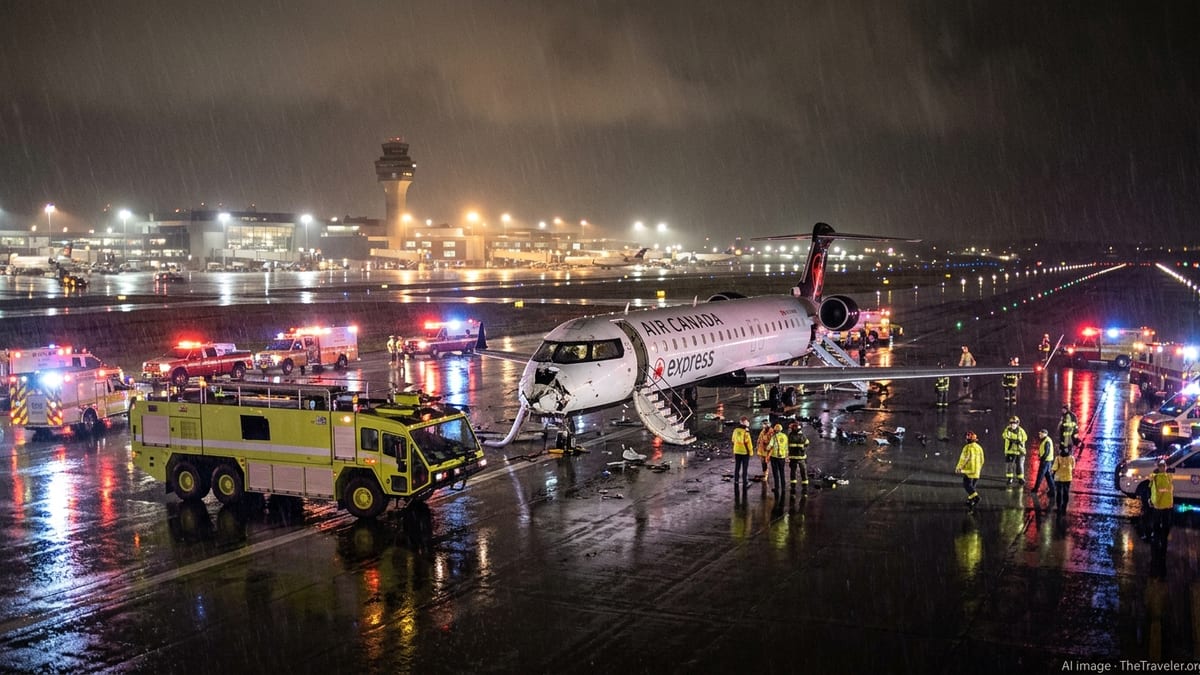
Incident Involving Kenya Airways Jet Disrupts Operations
Publicly available flight-tracking data and social media posts point to a Kenya Airways aircraft experiencing landing gear problems while arriving at Cape Town International Airport on the evening of August 4. Images and eyewitness accounts circulating online describe a tyre or gear issue that left the aircraft disabled on the main runway, forcing an immediate halt to regular movements of larger jets.
Local aviation enthusiasts monitoring traffic patterns reported multiple diversions of inbound services, including at least one long-haul flight being rerouted to Johannesburg, while others entered lengthy holding patterns off the Cape Town coast and over the southern suburbs. Short-haul regional services and domestic connections were among those most affected, with some passengers recounting delays of four to five hours compared with scheduled departure times.
The episode highlighted the vulnerability of Cape Town’s primary runway, which handles the bulk of medium and long-haul operations. Earlier planning documents and operational summaries for the airport have previously underlined how a disabled aircraft on the main strip can quickly trigger diversions and cascading delays, particularly during peak periods when runway capacity is tightly managed.
Gradual Resumption of Departures and Arrivals
Reports from passengers at the terminal suggest that limited operations continued on Cape Town’s shorter secondary runway while recovery work progressed on the main strip. Smaller aircraft and certain domestic services were gradually able to depart, while many other flights remained delayed or temporarily cancelled pending confirmation that the disabled jet and any associated debris had been removed.
By later in the evening on August 4, multiple travelers posting from the airport described a visible improvement in activity, noting that some international flights had begun boarding and that departures were once again taxiing for takeoff. Flight-tracking platforms showed a progressive normalization of movements, indicating that at least partial use of the primary runway had been restored.
Although detailed technical findings on the Kenya Airways aircraft have yet to be published, the pattern of delays and subsequent recovery aligns with past runway blockages at Cape Town in which a single disabled jet temporarily constrained the airport’s ability to accept landings and dispatch departures at normal volume. Once the affected aircraft is removed and inspections confirm the pavement is clear, traffic typically ramps up rapidly as airlines work through accumulated backlogs.
Passenger Experience Marked by Extended Delays
Accounts shared by passengers waiting at Cape Town International Airport describe a challenging evening of uncertainty and queues as airlines assessed the evolving runway status. Some travelers reported receiving multiple revised departure times, while others saw flights listed as delayed for several hours before boarding finally commenced.
Several long-haul departures appear to have left Cape Town significantly behind schedule once operations resumed, according to publicly available timetables and tracking services. Travelers heading to Johannesburg and other South African hubs also faced knock-on disruption because of aircraft and crew being out of position after diversion and holding patterns earlier in the evening.
The experience echoes recent discussions among local travelers and aviation observers about resilience at Cape Town International Airport. Online forums in recent months have highlighted how infrastructure constraints, strong seasonal winds and isolated technical incidents can combine to produce long delays at peak times, particularly when a disruption affects the main runway.
Focus on Runway Capacity and Resilience
The incident has renewed attention on long-term plans to bolster runway resilience at Cape Town International Airport. Planning and technical documents made public in recent years reference ambitions to realign and upgrade the primary runway so it can accommodate a wider mix of aircraft types and handle higher traffic volumes more efficiently.
Earlier material from the airport’s operator has also outlined the importance of having robust disabled aircraft recovery capabilities to minimise the duration of runway closures. Historical analyses of previous events have shown that even a relatively minor technical problem, such as landing gear damage or a burst tyre, can have an outsized impact when it occurs on a single high-demand runway.
Aviation safety presentations and regulatory filings over the past decade have similarly stressed the role of contingency planning and coordinated response between air traffic control, ground services and emergency teams when a runway is blocked. The swift removal of the aircraft, careful inspection of the surface and staged reintroduction of traffic are seen as critical to shortening the disruption window.
What Travelers Can Expect in the Coming Days
With runway operations now resumed, schedules at Cape Town International Airport are expected to stabilize, although some residual knock-on effects may still be visible as airlines reposition aircraft and crews. Passengers with upcoming departures in the next day or two may continue to see minor timing adjustments as carriers realign operations following the incident.
Travel industry commentary suggests that those flying to or from Cape Town in the near term should monitor airline notifications and check-in guidance closely, particularly for early-morning and late-evening departures when traffic bunching after a disruption is most likely. Additional time at the airport may be advisable while carriers and ground handlers clear any remaining backlogs.
The August 4 runway closure also serves as a reminder of how quickly conditions can change at a busy international gateway that relies heavily on a single main runway. While such incidents remain relatively rare, the disruption underscores the importance of ongoing investment in infrastructure, recovery equipment and operational planning designed to get traffic moving again as safely and quickly as possible when unexpected events occur.