


More news on this day
Carnival Cruise Line is accelerating its coastal deployment strategy in North America, widening its lead in short-haul, drive-to sailings as Royal Caribbean and other major global brands step up their own investments in regional cruise markets.
Get the latest news straight to your inbox!
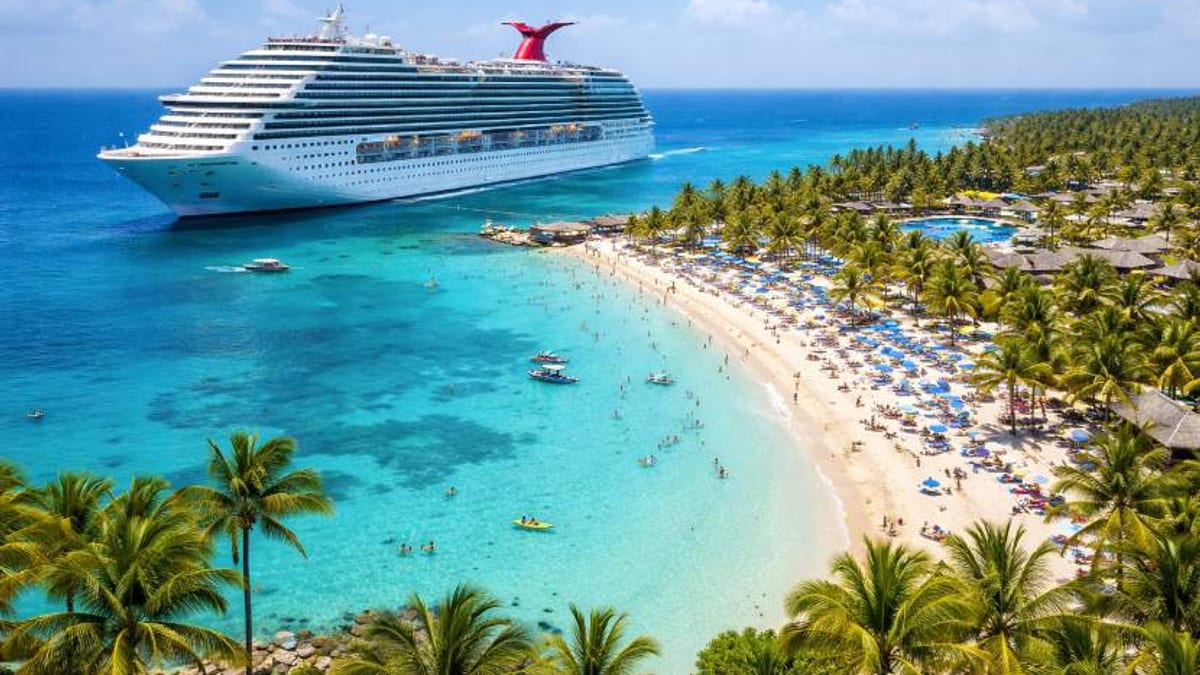
Carnival Deepens North American Coastal Footprint
Carnival Cruise Line has steadily expanded its network of homeports and near-shore routes, positioning more ships close to major population centers along the U.S. coastline. Publicly available fleet information shows that Carnival now bases ships year-round or seasonally in ports including Port Canaveral, Galveston, New Orleans, Long Beach, Norfolk and Manhattan, emphasizing short Caribbean, Mexico and Bahamas itineraries that appeal to drive-to travelers.
Recent redeployments highlight how the company is leaning into this strategy. Carnival Venezia, part of the line’s "Fun Italian Style" concept, shifted from New York to offer week-long Caribbean sailings from Port Canaveral, one of the busiest cruise hubs in the world. Reports indicate that additional vessels such as Carnival Miracle are being repositioned to Gulf Coast ports like Galveston to support a broader mix of 4- to 7-night coastal routes focused on Western Caribbean and Mexico.([en.wikipedia.org](https://en.wikipedia.org/wiki/Carnival_Venezia?utm_source=openai))
The line is also preparing new infrastructure that will reinforce its coastal presence. Carnival Corporation’s latest annual filings describe Celebration Key, a purpose-built destination on Grand Bahama Island that is expected to open in summer 2025, with an added pier slated for 2026. The facility is designed to host the largest ships in Carnival’s fleet and serve as a repeat call on short Bahamas itineraries from Florida homeports, further anchoring the brand’s near-shore deployment.([carnivalcorp.com](https://www.carnivalcorp.com/wp-content/uploads/2024/08/Carnival-Corporation-plc-2024-Annual-Report-on-Form-10-K.pdf?utm_source=openai))
Along the U.S. East Coast, Carnival is reshaping its seasonal map as it moves away from smaller bases and concentrates on larger coastal gateways. Industry reports note that the line has wound down operations from Charleston while moving Carnival Sunshine to Norfolk, with plans to support more consistent sailings for guests in the Mid-Atlantic and Southeast. These adjustments reflect a broader push to concentrate capacity where port infrastructure, airlift and drive markets can sustain high-occupancy short cruises.([cruisemapper.com](https://www.cruisemapper.com/news/14248-carnival-cruise-line-concludes-charleston-operations?utm_source=openai))
Royal Caribbean Pivots to High-End Short Getaways
Royal Caribbean is taking a different approach to the same coastal demand trend, focusing on adding some of its newest, largest ships to short-length itineraries. Utopia of the Seas, an Oasis-class ship based at Port Canaveral, debuted on 3- and 4-night sailings in 2024. The ship offers short, resort-style getaways that include calls at Perfect Day at CocoCay, the company’s private island in The Bahamas, and is marketed as a way to bring "weekend" energy to midweek escapes.([prnewswire.com](https://www.prnewswire.com/news-releases/the-ultimate-short-getaway-is-here-royal-caribbeans-utopia-of-the-seas-arrives-in-port-canaveral-florida-302195538.html?utm_source=openai))
Royal Caribbean’s schedule materials and promotional content underline a significant increase in short Caribbean options for 2024 and 2025, many of them clustered around Florida ports. The company is emphasizing 3- to 5-night voyages to The Bahamas, Mexico and its private destinations, often from Miami, Port Canaveral and other high-volume coastal hubs. These deployments mirror broader industry patterns, with short cruises emerging as a key entry point for first-time cruisers and as flexible add-ons for frequent travelers.([royalcaribbean.com](https://www.royalcaribbean.com/plan-a-cruise/short-cruises?msockid=391238f01046613038112e1e118c601e&utm_source=openai))
While Carnival maintains a numerical edge in homeports and total coastal capacity, Royal Caribbean’s strategy aims to differentiate through ship hardware and private-destination experiences. Utopia of the Seas and other large vessels are fitted with attractions and dining that encourage guests to treat the ship itself as the primary destination, even on shorter runs. This premium positioning shows how the line intends to compete in the coastal segment without matching Carnival ship-for-ship across every U.S. port.
Global Brands Turn Coastal and Regional
The North American shift toward short coastal sailings is part of a wider global trend in which major cruise groups are investing in regional and port-intensive itineraries. Norwegian Cruise Line, for example, has announced more than 30 new voyages across Asia Pacific, Australia and New Zealand between 2024 and 2026, many of them focused on coastal routes with frequent port calls. The program includes new turnaround ports such as Cairns and Lautoka, reflecting rising interest in itineraries that stay closer to shore and showcase regional coastlines.([ncl.com](https://www.ncl.com/uk/en/newsroom/norwegian-cruise-line-expands-its-presence-across-asia-pacific-australia-and-new-zealand-with-over-30-new-itineraries/?utm_source=openai))
At the same time, Norwegian Cruise Line Holdings has mapped out a long-term fleet expansion that includes larger ships and enhanced private-island developments. The plan points to more dedicated regional deployments where ships repeatedly serve the same clusters of coastal ports, similar to the North American model that Carnival and Royal Caribbean are refining.([ncl.com](https://www.ncl.com/newsroom/norwegian-cruise-line-holdings-unveils-bold-new-vision-for-the-future-with-strategic-long-term-fleet-expansion-and-enhanced-private-island-development?utm_source=openai))
MSC Cruises is also broadening its coastal footprint, particularly in Europe and the Atlantic islands. Recent announcements show new itineraries from the Canary Islands for winter 2024 and 2025, adding another seasonal coastal region to its portfolio. These moves underscore how major brands are diversifying away from purely long-haul or repositioning voyages in favor of repeatable, drive-to or short-flight coastal products.([mscpressarea.com](https://www.mscpressarea.com/en_US/press-releases/?utm_source=openai))
In Northern Europe, data from Norwegian port authorities indicates that cruise traffic has leveled off after several years of strong growth, but coastal deployment remains significant. Around 1.5 million unique passengers visited Norwegian ports in 2024, highlighting continued demand for fjord and coastal itineraries even as capacity growth moderates.([kystverket.no](https://www.kystverket.no/en/news/2024/cruise-traffic-levels-off-in-2024/?utm_source=openai))
Infrastructure Race at Key Coastal Hubs
The rise of coastal cruising is closely tied to port infrastructure investment, particularly in Florida. Port Canaveral has emerged as a focal point, serving LNG-powered ships from multiple brands and preparing for additional vessels by 2027. Recent port documentation lists Carnival’s Mardi Gras, Royal Caribbean’s Utopia of the Seas and Star of the Seas, and Disney Cruise Line’s latest ships among the LNG-powered vessels already assigned or committed to the port, underscoring its role as a central hub for short Bahamas and Caribbean sailings.([portcanaveral.com](https://www.portcanaveral.com/docs/default-source/communications/trade-shows/2026-port-canaveral-seatrade-media-kit.pdf?sfvrsn=5dab0d02_2&utm_source=openai))
On the corporate side, Carnival’s development of Celebration Key on Grand Bahama Island is one of several major projects designed to support high-frequency coastal itineraries. The new destination is being built with dual piers, allowing multiple large ships to call on the same day and giving the company more control over the guest experience on many short Bahamas cruises. Similar ambitions underlie Royal Caribbean Group’s investment in Perfect Day at CocoCay and other private or semi-private destinations in the region.([carnivalcorp.com](https://www.carnivalcorp.com/wp-content/uploads/2024/08/Carnival-Corporation-plc-2024-Annual-Report-on-Form-10-K.pdf?utm_source=openai))
Beyond the Caribbean, ports from the Canary Islands to the Western Mediterranean and South Pacific are upgrading facilities to host larger ships and support turnarounds for regional itineraries. These developments give global lines more flexibility to deploy ships seasonally in coastal markets, allowing them to adjust quickly to changes in demand while keeping itineraries short and accessible.
Competitive Outlook for Coastal Sailings
As the coastal segment matures, Carnival’s advantage lies in the breadth of its North American homeport network and the density of its short itineraries. By tapping into multiple drive-to markets and pairing them with new destinations like Celebration Key, the line is well positioned to capture families and value-focused travelers seeking quick escapes close to home. The integration of P&O Cruises Australia into Carnival in early 2025 also creates opportunities to replicate aspects of this model in the South Pacific, with more regional routes and port-intensive schedules.([en.wikipedia.org](https://en.wikipedia.org/wiki/Carnival_Cruise_Line?utm_source=openai))
Royal Caribbean’s approach, in contrast, centers on a smaller number of high-profile coastal hubs and ships, combined with heavily developed private destinations. Its move to base an Oasis-class ship on short itineraries from Port Canaveral marks a clear statement that short sailings can support the industry’s newest hardware and most elaborate onboard experiences, not just older tonnage.([prnewswire.com](https://www.prnewswire.com/news-releases/the-ultimate-short-getaway-is-here-royal-caribbeans-utopia-of-the-seas-arrives-in-port-canaveral-florida-302195538.html?utm_source=openai))
Other global lines, including Norwegian and MSC, are likely to continue adding regional and coastal deployments that mirror this pattern in different parts of the world. For travelers, the result is a rapidly expanding menu of short and mid-length cruises that stay close to shore while offering access to new ports, upgraded private destinations and larger, more modern ships. For the industry, the coastal race between Carnival, Royal Caribbean and their competitors is becoming one of the defining battlegrounds of the post-pandemic cruise recovery.
Carnival Corporation 2024 Annual Report
Royal Caribbean Utopia of the Seas short-getaway announcement