


More news on this day
Chiang Mai International Airport is rapidly evolving from a secondary gateway into one of Thailand’s most dynamic aviation hubs, as rising passenger volumes and new infrastructure projects help fuel a tourism boom across northern Thailand.
Get the latest news straight to your inbox!
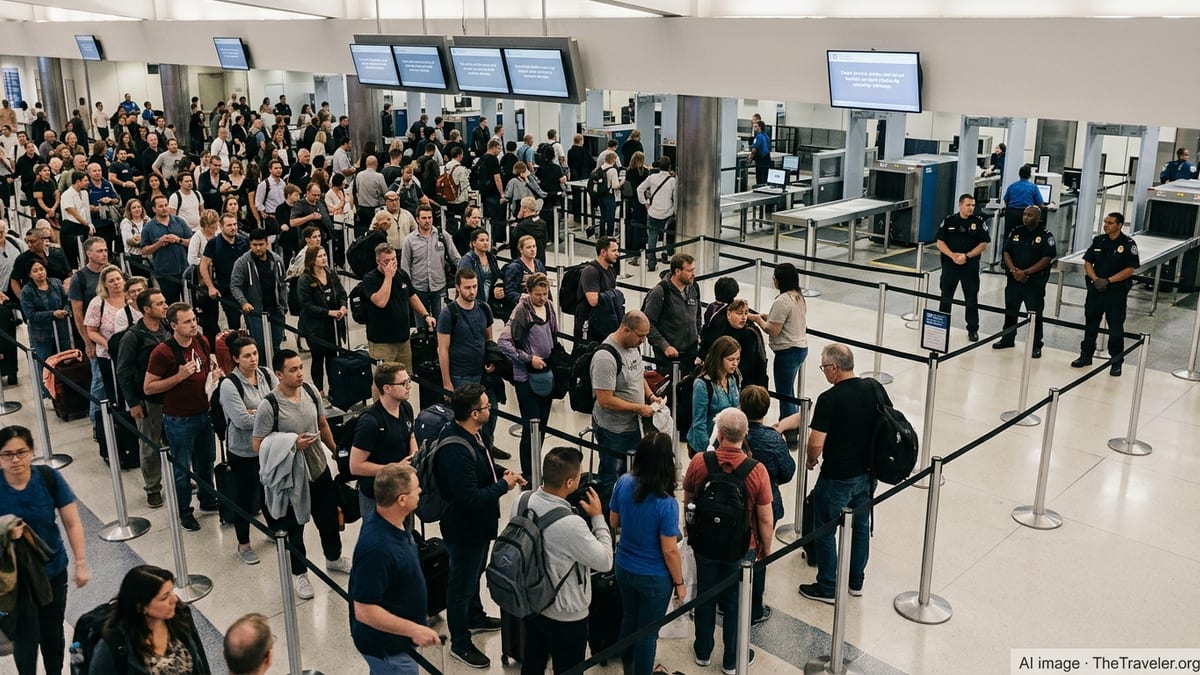
Passenger Numbers Surge Past Pre‑Pandemic Benchmarks
Recent traffic data indicates that Chiang Mai International Airport has firmly rebounded from the pandemic era and is now charting new growth. Publicly available statistics compiled by aviation and tourism bodies show that the airport handled close to 9 million passengers in 2024, an increase of almost 9 percent on the previous year and approaching its historic peak of just over 10 million travelers in 2019.
Passenger figures for 2023 already placed Chiang Mai among Thailand’s busiest airports, behind Bangkok’s Suvarnabhumi and Don Mueang and the resort gateway of Phuket. Official traffic tables for that year ranked Chiang Mai in fourth place nationwide, with more than 5.4 million travelers recorded as the global travel recovery gathered pace.
Analysts of Thailand’s aviation sector note that Chiang Mai has recovered domestic demand faster than many regional competitors, supported by frequent connections to Bangkok and other Thai cities. The return of long‑haul visitors from Europe and North America, combined with strong interest from regional markets such as China, South Korea and Vietnam, has added to the upward momentum.
The airport’s expanding role is particularly visible during peak tourism seasons, when arrivals for the Loy Krathong and Yi Peng festivals in November and the Songkran water festival in April help push terminal facilities close to capacity. Industry observers point to this seasonal pressure as one of the main reasons why capacity upgrades have become a priority.
Capacity Upgrades and New Cargo Facilities Under Way
To keep pace with the surge in passenger traffic and flight movements, the airport’s operator has activated a multi‑year expansion program. Development plans referenced in Airports of Thailand corporate reports and aviation planning documents outline an effort to lift Chiang Mai’s annual handling capability to around 20 million passengers by the early 2030s.
Key elements of this strategy include terminal improvements, airside reconfiguration and new support facilities. An aeronautical information supplement issued for Thailand in 2026 details the construction of a new cargo terminal, a control post and a ground service equipment area at Chiang Mai International Airport, with work scheduled to run through mid‑2028. The project is intended to streamline cargo operations, free up apron space and support the growing volume of international and domestic freight.
Alongside dedicated cargo infrastructure, plans highlight upgrades to passenger processing areas and aircraft stands. Industry presentations on Thailand’s aviation hub strategy describe Chiang Mai as a core regional airport slated to handle around 20 million passengers annually within the next decade, effectively doubling its pre‑pandemic throughput ceiling.
Airport design specialists view these capacity enhancements as essential if Chiang Mai is to compete for more long‑haul and regional routes. Expanded check‑in halls, enlarged security and immigration zones and improved baggage systems are considered critical for reducing congestion and providing a smoother experience as flight schedules intensify.
Second “Lanna” Airport Planned to Relieve Urban Congestion
While the existing airport continues to expand, national aviation plans also call for an entirely new facility to serve the Chiang Mai metropolitan area. Government briefings and trade intelligence reports describe a proposed second airport, commonly referred to as Lanna International Airport, to be built in Lamphun province southeast of the city.
According to these reports, the new airport is expected to sit on more than 2,500 acres of land in Ban Thi district and is designed to accommodate up to 20 million passengers per year. Construction has been outlined as part of a broader program of new regional airports intended to support Thailand’s goal of becoming a leading aviation hub in Asia.
The Lanna project is framed as a response to both capacity limits and urban constraints at the current site, which lies close to Chiang Mai’s historic center and residential neighborhoods. A second airport located outside the compact urban core is seen as a way to allow for longer operating hours, more runway capacity and reduced noise and traffic impacts in the city.
Although timelines are subject to regulatory review and budget approvals, aviation data providers tracking the project note that the second airport is tentatively targeted for completion in the early 2030s. Once operational, the combined capacity of the two airports would give the Chiang Mai region infrastructure on a scale comparable to several established Asian secondary hubs.
Tourism Rebound Turns Chiang Mai Into a Northern Gateway
The rapid build‑up in air capacity is closely linked to Chiang Mai’s profile as a tourism and lifestyle destination. Economic reports from Thai planning agencies highlight the role of tourism in the country’s post‑pandemic recovery, with northern provinces such as Chiang Mai benefiting from increased domestic travel and the gradual return of international visitors.
Chiang Mai has long been marketed for its historic temples, cooler climate and access to mountain landscapes and hill‑tribe communities. In recent years, the city has also attracted a growing community of digital professionals and long‑stay visitors, who use its international connections as a base for wider travel around Southeast Asia. The airport’s expanding network of regional routes reinforces this role, offering increasingly direct access to neighboring countries.
As Thailand extends visa‑free entry to more markets and promotes multi‑city itineraries, Chiang Mai is being positioned as a natural northern gateway within the country’s wider tourism corridors. Travel industry briefings point to increased use of Chiang Mai as both an entry point and a transfer node for visitors heading onward to destinations in Laos, Myanmar and southern China, as cross‑border tourism initiatives gradually resume.
Local tourism businesses report that restored and new routes are helping to rebalance visitor flows, easing pressure on Bangkok while spreading economic benefits more evenly across regions. With air connectivity rising, hospitality operators in Chiang Mai and neighboring provinces are adjusting their offerings to appeal to higher‑spending segments, including wellness retreats, cultural experiences and eco‑focused excursions.
Role in Thailand’s Aviation Hub Strategy
The transformation of Chiang Mai International Airport also fits into Thailand’s broader ambition to become a leading aviation and logistics hub in Asia. Policy statements and promotional material from national agencies outline plans to increase total capacity across Airports of Thailand‑operated facilities to around 150 million passengers annually over the coming years.
Under this strategy, Bangkok’s Suvarnabhumi and Don Mueang remain the primary global and low‑cost hubs, while regional airports such as Chiang Mai, Phuket and Chiang Rai take on expanded roles in dispersing traffic and supporting regional tourism clusters. The planned second Chiang Mai airport, along with ongoing upgrades at the existing site, is consistently cited in this context as a pillar of northern Thailand’s air transport infrastructure.
Industry analysts note that the combination of strong underlying demand, a diversified tourism base and coordinated investment in capacity places Chiang Mai in a favorable position among emerging Asian hubs. Challenges remain around environmental impact, air quality and urban development, but the trend of rising passenger numbers and increasing airline interest suggests that northern Thailand will play a steadily larger part in regional travel networks.
If current growth projections hold, Chiang Mai International Airport and its planned sister facility could collectively handle tens of millions of passengers annually within the next decade, reinforcing the city’s shift from a once‑quiet cultural stopover to a central node in Asia’s evolving air and tourism map.