


When I first looked at Churchill travel insurance, I was unconvinced. The branding felt familiar, but the cover looked, at a glance, like any other mid-range UK policy. It was only when I lined it up against a couple of well-known competitors and ran through a few real trip scenarios that my opinion started to shift. Churchill did not suddenly become perfect, but some of its strengths only appear once you compare the numbers and exclusions side by side.
Get the latest updates straight to your inbox!
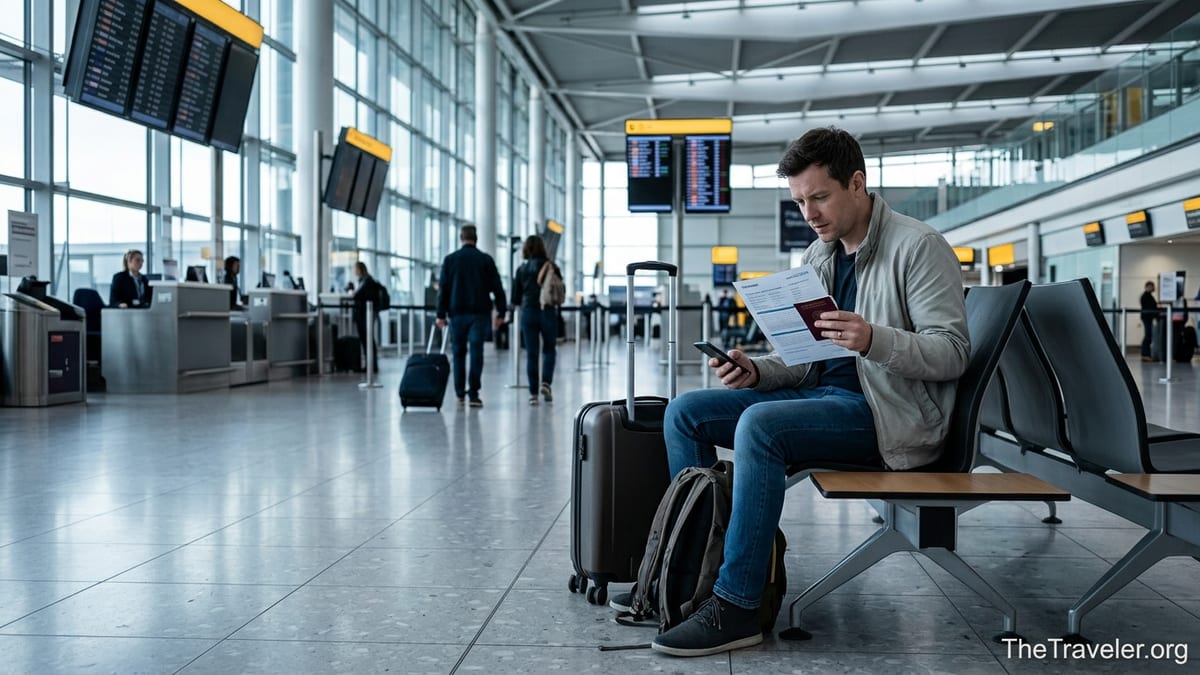
From Sceptic to Comparer-in-Chief
My initial reaction to Churchill travel insurance was shaped by two things. First, Churchill is best known for car and home cover in the UK, not necessarily as a specialist travel insurer. Second, I kept seeing flashier marketing from newer brands pushing high medical limits or gadget add-ons. On the surface, Churchill’s travel page looked conservative: standard single-trip and annual multi-trip policies, no dramatic slogans.
That changed when I dug into the policy details. Churchill’s standard travel cover includes up to around £10 million for overseas medical expenses per person, which is roughly double the entry-level medical limits on some budget policies that sit at about £5 million. That difference becomes very real if you are looking at destinations like the United States, where one night in a hospital can realistically run into tens of thousands of pounds once scans and specialist care are involved.
I also noticed that Churchill includes some Covid-19 cover as standard on its travel policies, including emergency medical treatment abroad if you catch Covid during a covered trip and certain cancellation scenarios linked to illness, quarantine or changes in Foreign, Commonwealth & Development Office advice. Insurers have shifted their Covid wording several times since 2020, so the presence of explicit pandemic language in the core cover, rather than as an optional extra, stood out as a sign that the policy had been updated for the current reality of travel.
Still, brochure promises are one thing. To see whether Churchill was genuinely competitive, I needed to compare it with what UK travelers are actually buying today: the big names that appear on comparison sites, selected travel sections in the financial pages of national newspapers, and the bundled cover offered through bank accounts and credit cards.
How Churchill’s Cover Stacks Up Against Rivals
To stress-test Churchill, I put it alongside a few common alternatives that regularly feature in UK comparison tables. For a typical one-week city break in Europe for a couple in their thirties, I looked at Churchill, a major rival like Admiral with tiered Bronze, Silver and Platinum travel products, and a popular “budget” choice that advertises headline prices under £10 for short trips but with relatively low cover levels.
On medical cover, Churchill’s headline figure of up to roughly £10 million per person compares well with mainstream rivals whose entry-level tiers usually sit closer to the £5 million mark. A Bronze-tier competitor might offer £5 million medical, £1,500 cancellation and £1,000 baggage as a starting point, while Churchill’s mid-range pricing often buys you significantly higher medical and cancellation limits. The difference may not matter for a long weekend in Paris, but it matters a lot for a two-week driving holiday in Florida or a ski trip in Canada, where medical costs and evacuation bills can spiral.
On cancellation cover, Churchill typically offers limits that are aligned with mid-market rivals rather than rock-bottom budget policies. In practical terms, on a £2,000 family package holiday to Spain, a policy with a £1,000 cancellation limit would leave you out of pocket if a covered event stops the trip. With Churchill, it is usually possible to find cancellation cover that matches or comes close to the full trip cost, provided you select the right level. You still have to make sure the declared trip value on the policy corresponds to what you have actually paid, but at least the ceiling is not artificially low.
Baggage cover is an area where Churchill looks more “solid middle” than outstanding. If you regularly travel with £3,000 worth of camera gear or high-end laptops, you are likely to hit single-item limits, whether you buy Churchill or a comparable insurer. In that scenario, separate gadget insurance or specifying items under a home insurance personal possessions extension may still be the smarter route. Where Churchill holds its own is for more typical baggage values: a family with two mid-range smartphones, a shared tablet and clothing that would cost £1,000 to replace is generally covered to a realistic level, assuming they have not under-declared the value of their belongings.
Real Trip Scenarios That Changed My View
Cover limits and policy documents are abstract until you apply them to actual travel plans. The moment I stopped being sceptical about Churchill was when I mapped out three real-world trips and looked at how the cover would respond, compared with rival policies I had in my bookmarks.
The first was a long-postponed family trip to Orlando. Two adults and two children, 10 days in peak season, flights and villa coming in at around £5,000. A budget insurer with £1,500 cancellation cover looked attractive at under £40 for the whole family, but financially it did not add up. If a serious illness before departure forced cancellation, that cheaper policy would still leave £3,500 at risk. Churchill’s family cover for the same dates was more expensive, but the cancellation limit came close to the total trip cost and the medical cover limit was substantially higher. When you are travelling to a country where a broken leg can generate a hospital bill large enough to dent your savings, those higher ceilings suddenly matter.
The second scenario was a solo backpacking-style trip through Southeast Asia, hopping between Thailand, Vietnam and Cambodia over a five-week period. Price comparison sites are full of tempting low-premium policies for such routes, but many apply strict trip duration caps or region bands that exclude certain countries unless you pay extra. With Churchill, the choice comes down to single-trip versus annual multi-trip and the geographic area selected. Once set correctly, it was easier to keep every leg of the journey under one policy than to juggle multiple short policies or rely on patchy card-based insurance from a bank account where the small print limited each trip to 31 days.
The third scenario involved a winter sports week in the French Alps. This is often where travel insurance shows its true colours. Not all insurers treat off-piste skiing the same way, and not all automatically include things like lost lift passes or hired ski equipment. For Churchill, winter sports cover is handled as a specific policy condition rather than a casual afterthought, and the medical limit again reassured me. A helicopter evacuation off a mountain plus several nights in a French hospital is the stuff of nightmare bills. Reading cases of skiers facing five-figure invoices made that £10 million medical ceiling feel less like marketing and more like a sensible buffer.
Key Strengths That Won Me Over
After walking through those scenarios, several Churchill strengths began to stand out. The first is the balance between price and medical cover. You can find cheaper travel insurance in the UK market, particularly from lightly advertised brands on comparison engines or offers attached to package holidays. However, those policies often trade lower prices for lower medical limits, higher excesses or pared-back Covid cover. Churchill sits in a category where you usually pay more than the absolute minimum available, but you get a significantly more reassuring level of medical protection in return.
The second strength is the integration of Covid-19 cover into the core wording. While the details and thresholds are subject to change, Churchill’s travel information clearly highlights cover for cancellation in specific Covid-related circumstances and emergency medical treatment abroad if you fall ill during the trip. Some providers still offer only limited Covid-related benefits or exclude cancellation if government advice shifts after you book. Churchill is not unique in providing Covid cover, but its approach means you are not forced into an extra Covid add-on purely for basic peace of mind.
Another point in Churchill’s favour is operational: claims and assistance. The company offers 24-hour medical assistance for policyholders, which is standard among serious travel insurers but less consistently available with bare-bones products or policies bolted on to other services. There is a clear route to call for guidance before agreeing to major treatment abroad, and simple outpatient bills under a certain threshold can typically be settled and reclaimed later. That clarity of process, especially the emphasis on contacting the assistance service before hospital admission where possible, is exactly what you want when you are trying to navigate healthcare in a foreign language.
Finally, Churchill’s travel products sit within a broader stable of insurance lines that many UK households already use for cars or homes. While brand familiarity alone is not a reason to buy, there is some practical value in dealing with a provider whose customer service and claims departments are already set up to handle high volumes. In practice, that can mean shorter wait times on the phone, more robust complaint handling and clearer escalation paths if something goes wrong.
Limits, Exclusions and Where Churchill Fell Short
None of this means Churchill’s travel insurance is flawless. In fact, a big part of why my perception shifted was realising exactly where the policy might not be suitable and weighing that honestly against its strengths. For starters, pre-existing medical conditions remain a critical point. Churchill does offer cover for many existing conditions, but you must declare them and in most cases go through a medical screening process. Some conditions may attract a higher premium or specific exclusions, and in certain cases cover may not be available at all. That is not unique to Churchill, but it is something travellers with complex health histories should check in detail.
High-value gadgets are another weak spot if you travel heavily loaded with tech. Like most mainstream UK travel insurers, Churchill applies single-item and total baggage limits. A photographer taking £6,000 of camera bodies and lenses to Iceland, or a digital nomad carrying a top-tier laptop and multiple devices, may find that the standard baggage section does not come close to reflecting replacement cost. In these cases, specialist gadget insurance or upgrading personal possessions cover on a home policy might be necessary, whichever offers the more realistic and flexible worldwide protection.
Trip length is another nuance. Annual multi-trip policies from Churchill (and most competitors) generally cap the number of days per trip, often at around 31 or sometimes 45 days. That works well for city breaks, typical summer holidays and business travel, but is less suitable for long-term backpacking or remote work abroad. If you are planning a six-month overland journey or a season working from Bali, you may need a specialist long-stay or expatriate policy rather than a conventional annual multi-trip product.
Lastly, some of Churchill’s add-ons and options are not as granular as those from niche providers that cater to very specific travel styles, like high-risk adventure sports or extended volunteer placements in remote areas. If you are climbing technical routes in the Himalayas or joining an off-grid medical expedition, you are likely to be better served by a specialist insurer that specifically names your activities, even if that means paying a considerably higher premium.
Comparing in Practice: How to Decide If Churchill Is Right for You
What finally convinced me to take Churchill seriously was running a straightforward comparison using a few test trips and then anchoring everything to real-world costs. For example, imagine you are planning a two-week self-drive trip along the West Coast of the United States, with flights, car hire and accommodation coming to around £3,000. If a competitor offers you a policy for £25 with £5 million medical cover and £1,500 cancellation, and Churchill offers one for £40 with £10 million medical and £3,000 cancellation, it becomes clear that the extra £15 is effectively buying you an additional £5 million of medical headroom and an extra £1,500 of cancellation protection on a high-cost destination.
Likewise, for a family of four heading to Spain on a package holiday costing £2,200, the cheapest policy on a comparison site might quote under £20 with limited baggage cover and a relatively high excess per person. Churchill might come in closer to £35 but include higher baggage limits and a more generous approach to missed departures caused by events like industrial action affecting flights. Using realistic prices from travel agents and airline sites, you can see that the difference in premium is small compared with the value of the trip and the potential financial hit of even a single serious problem abroad.
Where Churchill does not win is in serving the very lowest budget end of the spectrum. If you are taking a £150 return flight for a two-night break in a European city, staying in a friend’s spare room, and you are willing to self-insure for most risks, then a stripped-back policy from another brand may be more rational. In that situation, Churchill’s richer medical and cancellation limits are arguably overkill. However, for trips where the cost of flights, accommodation and pre-paid activities starts to exceed £1,000 per person, the balance often shifts, and Churchill begins to look like a pragmatic choice.
The key is to compare like for like. Match medical limits, cancellation ceilings and key exclusions before you look at price. Only then can you really see whether Churchill offers good value for a given itinerary or whether a rival’s structure suits you better. It was through that exercise that my scepticism gave way to a more nuanced, if still cautious, respect.
The Takeaway
After examining Churchill travel insurance up close and testing it against realistic holidays, I ended up far less sceptical than I began. Churchill does not aim to be the absolute cheapest option in the UK market, nor does it pretend to be a niche provider for extreme activities or ultra-long trips. Instead, it offers what many mainstream travelers actually need: high, sensible medical limits, solid cancellation cover that can match real trip costs, integrated Covid wording and 24-hour medical assistance, all under a brand that is already familiar to many UK households.
There are still situations where Churchill may not be the best fit. Travelers with unusually high-value equipment, very long itineraries or specialist adventure plans will likely need more tailored cover. Those with complex medical histories must engage with the medical screening process and read any resulting endorsements carefully. And ultra-budget trips with low financial exposure may justify a cheaper, more basic policy from another insurer.
Yet for a large swathe of trips, from family beach holidays to long-awaited bucket-list journeys to higher-cost destinations like the United States or Japan, Churchill’s travel insurance deserves a closer look than its understated presentation might suggest. Comparing the fine print against rivals demonstrates that the combination of strong medical cover, practical Covid provisions and responsive claims support can comfortably justify a modestly higher premium.
If you used to dismiss Churchill travel insurance as just another add-on from a household-name brand, it may be time to revisit that assumption. Run your next itinerary through a couple of quotes, place those numbers beside the realistic costs of overseas healthcare and cancellation, and you might find, as I did, that Churchill quietly makes a compelling case for itself.
FAQ
Q1. Is Churchill travel insurance suitable for trips to the United States where medical costs are high?
Yes, Churchill’s relatively high medical cover limit, typically up to around £10 million per person, is designed with high-cost destinations like the United States in mind, though you should always confirm the exact limit on the policy you buy.
Q2. Does Churchill travel insurance include Covid-19 cover?
Churchill includes certain Covid-19 benefits as standard, such as cover for emergency medical treatment abroad and some cancellation scenarios linked to Covid, but the details can change so it is important to check the current wording before you buy.
Q3. Are pre-existing medical conditions covered by Churchill travel insurance?
Many pre-existing medical conditions can be covered, but you must declare them during the quote process and may need to complete a medical screening; some conditions could increase your premium or require special terms, and a few might not be covered at all.
Q4. How does Churchill compare on price with budget travel insurance providers?
Churchill is often more expensive than the very cheapest policies on comparison sites, but in return it usually offers higher medical and cancellation limits and more comprehensive cover, which can represent better value for mid to high-cost trips.
Q5. Does Churchill cover long backpacking trips or extended stays abroad?
Churchill’s single-trip and annual multi-trip policies generally have maximum trip durations, often around one month or slightly more, so very long backpacking journeys or extended remote work stays may require a different type of specialist long-stay cover.
Q6. Is high-value camera or laptop equipment fully covered by Churchill travel insurance?
Standard baggage sections under Churchill policies usually apply single-item and overall limits, so expensive camera kits or top-end laptops may not be fully covered; in those cases, you may need separate gadget insurance or enhanced personal possessions cover elsewhere.
Q7. Does Churchill travel insurance cover winter sports like skiing and snowboarding?
Churchill offers winter sports cover under specific conditions, which can include medical treatment and some ski-related risks, but you should verify that the particular activities you plan, especially any off-piste or higher-risk options, are explicitly included.
Q8. Can I rely on my bank account or credit card insurance instead of Churchill?
Some bank accounts and credit cards provide travel cover, but their limits, exclusions and trip duration caps can be restrictive; comparing those details directly with a dedicated Churchill policy can help you decide whether standalone insurance offers stronger protection for your plans.
Q9. How easy is it to make a claim with Churchill if something goes wrong abroad?
Churchill provides 24-hour medical assistance lines and a clear claims process, including guidance to call before major treatment where possible and online claim options for many scenarios, which can simplify handling problems that arise during your trip.
Q10. Who is Churchill travel insurance best suited for?
Churchill tends to suit UK-based travelers taking short to medium-length holidays or business trips, especially to destinations where medical care is expensive, who value strong medical and cancellation cover over rock-bottom premiums.