


More news on this day
Transportation safety and wildlife management intersect at Land Between the Lakes National Recreation Area, where a recent CN Rail derailment statement and a large-scale invasive wild pig eradication campaign are influencing how travelers experience this cross-border Kentucky–Tennessee destination.
Get the latest news straight to your inbox!
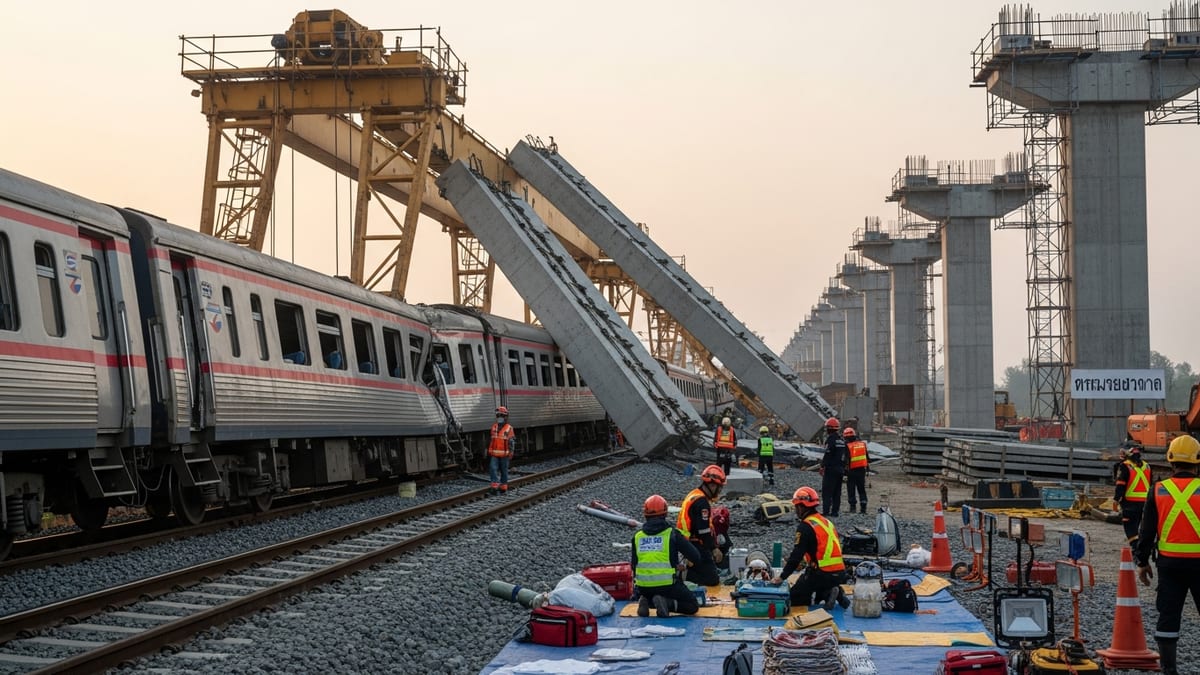
CN Rail outlines response after recent derailments
Canadian National Railway has issued public statements in recent months following multiple derailments on its network, including an incident in St. Catharines, Ontario, where polyethylene spilled from railcars near the Welland Canal. Company information indicates that the derailment did not result in injuries or fires, and that response teams focused on containment, cleanup and restoring rail traffic in a busy freight corridor.
Publicly available updates from regional media and transportation agencies describe a similar pattern across recent CN derailments in North America: temporary line closures, on-site remediation work and a phased reopening of track as inspections are completed. In some cases, passenger services using the same corridors have faced cancellations or detours while freight infrastructure is repaired.
In Kentucky, emergency management reports show that a separate freight derailment near the Hickman–Carlisle county line earlier this month prompted rail travel disruptions, including impacts on Amtrak’s City of New Orleans route between New Orleans and Carbondale. Although that incident involved a different freight carrier, it has added to regional scrutiny of rail safety at a time when CN trains are a familiar sight across the broader Mississippi and Ohio River valleys.
For travelers planning rail-connected trips to western Kentucky, these events highlight the importance of checking current advisories and schedules, as freight derailments can ripple into passenger rail timetables and even affect road and waterway traffic near key crossings.
Land Between the Lakes targeted in major feral swine removal
Against this backdrop, Land Between the Lakes National Recreation Area, a popular outdoor destination situated between Kentucky Lake and Lake Barkley, has been the focus of an intensive invasive wild pig eradication effort. Recent coverage from regional outlets reports that more than 1,800 feral swine were removed from the area during an extended aerial operation conducted between January and March 2026.
According to information shared by the Kentucky Department of Fish and Wildlife Resources and federal wildlife specialists, the aerial campaign used helicopters equipped with forward-looking infrared technology to locate wild pigs across heavily forested sections of the 170,000-acre recreation area. Crews emphasized removal of female pigs traveling in family groups, a strategy widely regarded in wildlife management circles as one of the most effective ways to collapse invasive swine populations.
Follow-up monitoring indicates that wild pig numbers at Land Between the Lakes have fallen sharply, with some estimates suggesting a reduction of around 90 percent compared to pre-operation counts. Managers describe the effort as a significant step toward full eradication of feral swine within the recreation area, although ground-based trapping and surveillance are expected to continue for several seasons.
The campaign builds on several years of coordinated work by state and federal agencies, including a 2024 decision in Kentucky to prohibit sport hunting of wild pigs in order to discourage illegal releases and to make large-scale trapping more effective. Land Between the Lakes staff have also circulated educational materials to visitors, urging the public not to transport or feed feral swine and to report sightings to wildlife authorities.
Ecological stakes for a major regional recreation hub
Land Between the Lakes serves as a major draw for campers, anglers, paddlers and wildlife watchers across the central United States, and the ecological stakes of the wild pig removal are high. Feral swine can root up forest floors, damage wetlands, compete with native deer and turkey for food, and raid ground nests used by sensitive bird species. They also pose risks to nearby farms by spreading disease and damaging crops.
USDA data on feral swine management suggests that nationwide damage and control costs for wild pigs reach into the billions of dollars each year, with agricultural producers bearing a large share of the burden. In a landscape like Land Between the Lakes, where public recreation overlaps with adjacent private farms and timberlands, the potential for conflict is especially pronounced.
By sharply reducing the wild pig population inside the recreation area, land managers expect to see gradual recovery of native understory vegetation, improved water quality in small streams and wetlands, and better forage conditions for white-tailed deer and wild turkey. Those gains, in turn, can enhance hunting success, wildlife viewing opportunities and overall visitor satisfaction.
The push against invasive swine also intersects with broader habitat work at Land Between the Lakes, including prescribed burns and targeted removal of other invasive plants such as kudzu. Fire management updates from the area indicate that recent burn seasons have treated growing acreages, which supports oak and native grass regeneration and creates more open, wildlife-friendly forests.
Visitor experience: what travelers to LBL should know now
For travelers planning a trip to Land Between the Lakes in the coming months, the combined effects of rail disruptions in the broader region and intensive wildlife management on-site translate into a few practical considerations. Visitors who rely on rail to reach gateway cities in Kentucky or Tennessee may encounter modified schedules or temporary replacement bus services if mainlines are affected by ongoing freight repair work elsewhere on the network.
Within the recreation area itself, public information suggests that the aerial feral swine operations were largely confined to the winter months and are now complete, with remaining control efforts focused on ground trapping and monitoring. That timing is intended to minimize disturbance during the peak spring and summer tourism period, when campgrounds, scenic drives and water access points see their highest use.
Travelers are still encouraged to remain aware of active land management projects. Prescribed fire, invasive plant treatments and occasional temporary closures for habitat restoration can affect access to certain trails or backcountry areas on short notice. Checking recent bulletins before arrival can help visitors plan alternative routes or activities.
At the same time, many of the changes underway are designed to improve long-term recreational quality. Reduced feral swine damage, healthier forests and more resilient wildlife populations are expected to enhance opportunities for hiking, wildlife photography, hunting and fishing across both the Kentucky and Tennessee portions of Land Between the Lakes.
Balancing transportation corridors and conservation landscapes
The recent CN Rail derailment updates and the large-scale wild pig eradication at Land Between the Lakes illustrate how transportation and conservation priorities intersect in a region that functions as both a travel corridor and a protected landscape. Freight lines, highways and waterways form the connective tissue linking rural communities, national recreation areas and distant ports.
When derailments occur, their impacts can extend beyond the immediate crash site, affecting passenger itineraries, commercial shipping and perceptions of safety across a wider geography. Conversely, successful invasive species control inside a recreation area can yield benefits that spread outward, reducing the likelihood of wild pigs recolonizing nearby farms or forest tracts and improving ecosystem services that support outdoor tourism.
For the travel sector, these developments underscore the importance of resilience on multiple fronts. Robust safety practices and transparent post-incident communication on the rail side, paired with science-based wildlife management and public outreach in protected areas, help ensure that destinations like Land Between the Lakes remain accessible and attractive to visitors even as they navigate complex environmental and infrastructure challenges.
As the 2026 summer season unfolds, Land Between the Lakes continues to position itself as a case study in how a heavily visited recreation hub can respond to invasive species threats while adapting to a changing transportation picture across the wider Mississippi and Ohio River region.