


More news on this day
County commissions in several U.S. destinations are extending local disaster declarations in the wake of severe flooding and wildfires, affecting recovery timelines, public access, and travel in popular summer regions.
Get the latest news straight to your inbox!
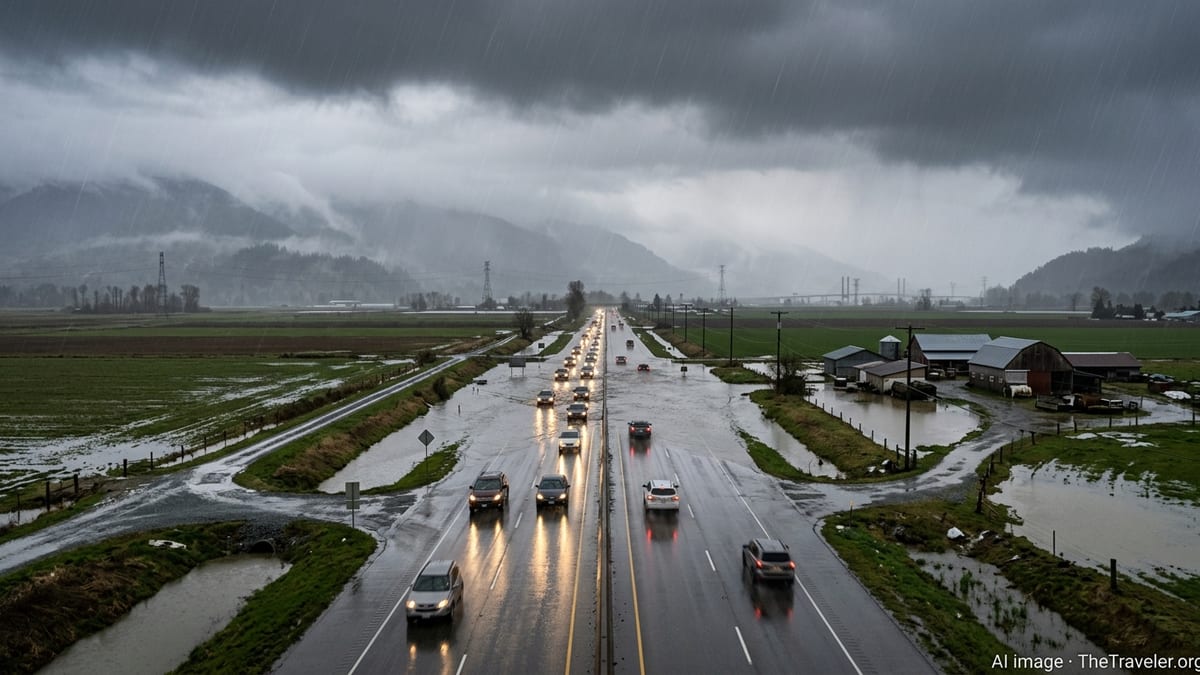
Flooded Midwest County Keeps Disaster Order in Place
In parts of the Midwest, recent flooding continues to reshape local travel plans as county commissions opt to keep emergency measures in place beyond the usual seven day window. In Wayne County, Indiana, reports from regional coverage indicate that commissioners voted this week to extend a local disaster declaration by another seven days after heavy rains inundated neighborhoods and rural areas.
The extension maintains a formal emergency status for the county, which local reports describe as a prerequisite for certain state and federal assistance programs. The move follows a shift from active flood response to longer term recovery, with isolated areas still facing high groundwater and standing water that slow cleanup. Publicly available information notes that some residents remain displaced while basements and low lying homes continue to pump out water.
For travelers driving through affected communities, conditions are improving but not fully back to normal. Regional reporting points to ongoing road repairs and isolated closures, especially around Williamsburg, where saturated ground has limited drainage. Visitors are encouraged to check county level travel advisories and be prepared for potential detours as recovery work moves ahead.
The temporary extension is expected to be revisited in the coming days as damage assessments are refined and applications for federal aid proceed. Until then, the disaster declaration provides a legal framework for emergency spending and staffing that supports both residents and through travelers.
Indiana County Extends Disaster Declaration but Lifts River Travel Ban
North of Indianapolis, Hamilton County has taken a more mixed approach by extending its local disaster declaration while simultaneously reopening a major recreational waterway. According to a county news update published on August 27, commissioners prolonged the countywide disaster declaration for an additional seven days as flood recovery continues.
The same update reports that the county lifted a travel warning on the White River, which had restricted recreational use after recent flooding altered the river’s course and raised public health concerns. Water sampling by the local health department and inspections by state environmental and natural resources agencies indicate that sanitation levels and navigability have returned to pre flood norms.
The dual decision means that paddlers, anglers, and outfitters can resume activity on the White River, an important draw for day trips from Indianapolis and nearby suburbs, even as neighborhoods inland remain in active recovery. Public information notes that debris and hidden hazards may still be present in some stretches, so officials recommend cautious use of the river despite the lifted ban.
For hospitality businesses near the river corridor, the extension of the disaster declaration provides continued access to emergency coordination and potential reimbursement while the reopening of the waterway restores a key element of local tourism. Travelers planning late summer outings are advised to verify current river access points and remain alert for posted warnings at boat ramps and parks.
Texas Hill Country Counties Prolong Disaster Status After Summer Floods
In the Texas Hill Country, a cluster of popular drive to destinations is also operating under extended disaster declarations following mid July flooding. Gillespie County, home to Fredericksburg and widely known for its wineries and scenic rural drives, issued a local disaster declaration on July 16 in response to heavy rainfall, flash flooding, and river surges. County emergency management pages show that the declaration was formally extended through late September by order of the commissioners court, based on continued flood related risks and recovery needs.
The extension activates and sustains the county’s emergency management plan, allowing local leaders to manage evacuations in flooded corridors, restrict access to compromised roads, and streamline emergency procurement under Texas law. Related agenda documents and summaries indicate that the commissioners convened a special meeting in late July specifically to consider continuation of the disaster status and to authorize purchasing exemptions for urgent infrastructure and safety work.
Nearby Kerr County has taken similar steps. Regional coverage reports that Kerr County commissioners voted in late July to extend a local disaster declaration after flooding damaged public facilities and disrupted operations in Kerrville, another Hill Country hub for leisure travel. The declaration supports ongoing building repairs and coordination with state agencies while county offices, including the courthouse, continue to address flood impacts.
For visitors, the extended declarations do not necessarily mean widespread closures, but they signal that some government facilities and low lying park areas may operate on modified schedules while repairs proceed. Travelers heading to Hill Country wine trails, rivers, and small towns are encouraged to review county notices on road conditions, burn bans, and park access, particularly after additional rainfall.
Uvalde County and Other Communities Align Timelines With Recovery
West of San Antonio, Uvalde County has also adjusted its emergency timeline to match the pace of recovery. According to coverage from the Uvalde Leader News dated July 21, the county commissioners court voted to extend a local disaster declaration by 30 days following damaging floods in the region. That action kept the declaration in place while volunteer groups, nonprofits, and public agencies expanded cleanup and assistance efforts.
The longer extension aligns with the reality that recovery often outlasts the initial emergency period by weeks or months. Public guides compiled for Uvalde County residents outline how local organizations are helping with debris removal, temporary housing, and replacement of essential household items. The disaster status supports that work by keeping administrative and financial tools available as recovery programs ramp up.
Similar patterns appear in other parts of the country, from Texas Panhandle wildfire zones where commissioners have prolonged disaster orders to secure resources, to Minnesota counties that renewed emergency and disaster designations after large wildfires. In each case, county level decisions determine how long emergency frameworks remain in effect and how they intersect with tourism, outdoor recreation, and local events.
For travelers, these extensions are an important signal to check not just weather forecasts, but also county and city emergency pages for any remaining limitations on access, services, or recreational activities. Even as attractions reopen, some communities may still be prioritizing debris removal and infrastructure work in areas visitors rarely see.
What Extended Declarations Mean for Travelers
Across these counties, extended local disaster declarations share several common implications for visitors. First, they often preserve access to state and federal aid, which can speed up repairs to roads, bridges, parks, and public buildings that travelers rely on, even if they are not obvious tourist sites. Legal templates used by Texas counties, for example, emphasize that commissioners’ consent is needed to keep declarations in force beyond seven days under state law.
Second, these extensions can coincide with targeted restrictions, such as temporary travel bans on rivers, burn bans affecting camping and outdoor cooking, or localized road closures. In Hamilton County, the decision to extend the disaster declaration even as the White River reopened illustrates how different types of restrictions can be lifted on separate timelines as conditions improve.
Third, extended disaster status can serve as a communication tool, signaling that a community remains in an active recovery phase even if major attractions appear open. Visitors who plan ahead by checking county websites, local news outlets, and state transportation updates are more likely to avoid surprise detours and to support local businesses that are rebuilding after floods or fires.
As late summer and early fall travel continues, travelers heading into recently affected regions are encouraged to stay flexible, verify reservations, and allow extra time for driving or outdoor activities. In many of these destinations, tourism dollars play a role in recovery, helping communities bounce back more quickly once the formal disaster period eventually ends.
Hamilton County, Indiana: Disaster declaration and White River update
Gillespie County, Texas: Emergency management and flooding declarations
Wayne County, Indiana: Local disaster declaration extension
Uvalde County: County and city extend local disaster declaration