


Passeig de Gràcia is one of Barcelona’s most spectacular avenues, a showcase of Catalan modernist architecture and luxury shopping that runs from Plaça de Catalunya toward the Gràcia neighborhood. It is also one of the city’s most visited areas, which means small missteps can quickly turn into wasted money, long queues or stressful moments. Understanding the most common mistakes visitors make here will help you enjoy the boulevard the way locals do: at the right pace, with the right expectations and without unnecessary drama.
Get the latest updates straight to your inbox!
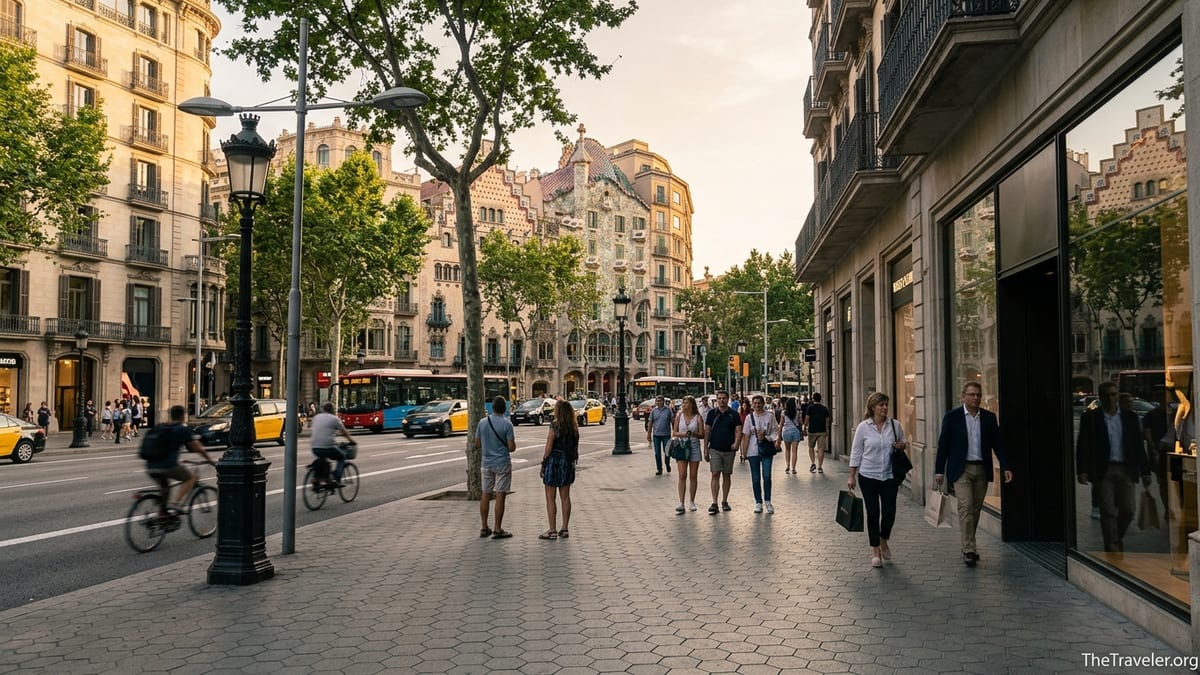
Underestimating How Much Time You Need on Passeig de Gràcia
Many visitors treat Passeig de Gràcia as a quick photo stop between La Rambla and the Sagrada Família. In reality, if you want to see even one of the main Gaudí houses properly and still have time for a relaxed stroll, cafe stop and a bit of shopping, you should plan at least half a day. Casa Batlló at number 43 and La Pedrera – Casa Milà at number 92 both offer immersive, multimedia-style visits with rooftop access, audio guides and exhibitions. Even with pre-booked tickets, you can easily spend ninety minutes inside each building, especially in high season when moving between floors is slower.
A common mistake is booking timed tickets at Casa Batlló and La Pedrera only an hour or so apart, assuming you will “rush through.” Families do this regularly and end up skipping large parts of the second visit or arriving late and negotiating with staff. A more realistic plan is to book, for example, a 10:00 Casa Batlló entry, have a coffee break afterward, then schedule La Pedrera for mid-afternoon. That leaves room for crowd bottlenecks, time on the rooftops to photograph the chimneys and a detour to admire other modernist facades like Casa Amatller and Casa Lleó Morera on the same block.
Visitors also underestimate walking distances. On a map, Passeig de Gràcia looks like a straight line; in practice, you will stop constantly for window shopping, photos and crossing wide intersections. A “short” walk from Plaça de Catalunya up to La Pedrera can easily stretch from ten minutes into forty, especially if you pause at each corner to take in the tilework, lampposts and ornate doorways. Building just a little slack into your schedule often means the difference between a calm, exploratory stroll and a rushed march checking your watch.
Misreading the Safety Situation and Ignoring Pickpocket Risks
Barcelona is generally safe in terms of violent crime, but it is well known for pickpocketing on its busiest streets and public transport. Passeig de Gràcia is no exception, especially around the metro station, the entrances to Casa Batlló and La Pedrera, and the cluster of luxury boutiques near the intersection with Gran Via. Local safety guides consistently highlight this avenue and nearby Plaça de Catalunya as areas where theft is common, particularly on the metro Line 3 section connecting Drassanes, Liceu and Passeig de Gràcia, which several travel advisories describe as one of Europe’s worst stretches for pickpocketing.
A frequent mistake is treating Passeig de Gràcia as “too upscale” for petty crime and relaxing basic precautions. Visitors walk out of a boutique with a new shopping bag from a high-end brand and then carry it openly while scrolling their phone at the curb, making them easy targets. Locals will tell you about thieves waiting outside luxury watch and handbag stores, watching for shoppers who look distracted or unfamiliar with the area. There have even been accounts of phones being snatched from hands by cyclists riding past when people stop near intersections between the metro station exits and the Gaudí houses.
Another misstep is relying on backpacks or open totes in crowded situations. On Passeig de Gràcia, crowds form not only on the pavement but also inside popular chains like Zara and Mango. Travelers regularly report almost losing their phones or wallets after a “bump” in clothing stores on this street. A more practical approach is to use a small crossbody bag worn at the front with the zip closed, keep only a day’s worth of cash accessible, and leave passports and spare cards in your accommodation safe. On the metro, especially at Passeig de Gràcia station, rest your hand on your bag and avoid standing directly at doorways where last-second grab-and-run thefts are more likely.
The key is not paranoia but habits. Choosing one secure pocket for your hotel keycard and keeping it separate from your wallet, avoiding checking maps in the middle of the pavement and stepping into a doorway if you need to send a message are small adjustments. They significantly reduce the already limited risk of anything happening so that you remember Passeig de Gràcia for its architecture and atmosphere rather than a tedious stop at the police station to file a theft report.
Arriving Without Tickets or Timing for Gaudí Landmarks
Passeig de Gràcia’s most famous buildings are not casual walk-in attractions in peak season. Casa Batlló and La Pedrera both operate with timed entry slots that often sell out for prime hours, especially on weekends, public holidays and during summer. Turning up around midday without advance tickets is one of the most common mistakes visitors make, leading either to long waits in the sun or disappointment when the next available entry is late in the afternoon and clashes with other plans.
Ticket prices also push visitors into last-minute decisions. For example, standard adult tickets for Casa Batlló are typically several dozen euros, with additional cost for premium evening visits or fast-track entries. La Pedrera has its own day and night experiences, again priced on the higher side compared with smaller museums. Because of these costs, some travelers hesitate and try to decide on the spot, only to be confronted with limited time slots and queues at the ticket offices, especially during school holiday periods when tour groups line up along the pavement.
A smarter approach is to choose in advance which building matters most to you. If your budget allows only one paid visit, many travelers pick Casa Batlló for its dramatic interior and projections, then simply admire La Pedrera’s facade and interior courtyard from street level. Others prefer La Pedrera’s rooftop and opt for its night visit, which includes a light show; in that case, schedule it on a day when you are already staying nearby, such as if you are based in an Eixample hotel. Booking on the official sites a few days ahead is usually enough outside of the absolute high season, but during busy months you may want to secure tickets a week or more in advance, particularly if you have children or older relatives who cannot stand in line for long.
Opening hours are another detail visitors miss. Both buildings typically extend their hours later in the evening during peak season, which can be an advantage if you want to avoid central-day heat and midday tour groups. Many travelers assume “museums close early” and pack Passeig de Gràcia into the morning, when in fact a late-afternoon or early-evening visit is often quieter and more comfortable. Checking times directly on the official pages the week you travel is worthwhile, as schedules can be adjusted for special events and holiday periods.
Overpaying and Overscheduling the Shopping Experience
Passeig de Gràcia has some of the highest retail rents in Barcelona. International luxury labels, flagship fast-fashion stores and Spanish brands like Mango and Zara all have prominent branches along the boulevard. This concentration encourages another common mistake: assuming prices here are “typically Spanish” or automatically cheaper than at home. For many brands, especially global ones, prices on Passeig de Gràcia are aligned with or slightly above those in other major European capitals, once you factor in seasonal promotions and currency differences.
Visitors also forget that many of the same chains have stores a few blocks away on less glamorous streets, where it can be easier to find sizes and where crowds tend to be lighter. For example, if you are looking for mid-range Spanish fashion, it can be more relaxed to browse similar options on Rambla de Catalunya, one block over, which has a calmer feel and more cafes with outdoor seating. On Passeig de Gràcia itself, expect weekends and late afternoons to be busy enough that fitting rooms in popular stores may involve queues, especially when cruise ship passengers and tour buses arrive at similar times.
Another shopping error is blocking out an entire day solely for Passeig de Gràcia retail, then realizing that many items are available in your home country for similar prices. A more meaningful way to engage with the street is to mix browsing with local experiences: stop for a cortado or a glass of cava in a traditional cafe, or step into a historic perfumery or design store that showcases Catalan brands rather than only international logos. This approach reduces the pressure to buy “because I’m here” and helps you avoid impulse purchases that feel less special once you are back home.
Finally, many travelers forget about Spain’s VAT refund system. If you are a non-EU resident and planning to spend a substantial amount on fashion or accessories, ask about tax-free shopping in each store. You typically need your passport details and a minimum spend per transaction. Processing the refund at the airport later involves extra steps, but on high-ticket items bought on Passeig de Gràcia, the savings can be significant enough to justify a bit of paperwork.
Ignoring Local Rhythm: Heat, Siesta Hours and Meal Times
Passeig de Gràcia feels busy throughout the day, which misleads visitors into thinking everything operates on a continuous, international schedule. In practice, Barcelona’s rhythm still follows Mediterranean patterns. In the hottest months, the avenue can be uncomfortably warm in the early afternoon, with heat radiating from wide pavements and stone facades. A typical mistake is planning a long outdoor walk with limited shade around 14:00 in July or August, especially for families with small children or older relatives who are not used to such conditions.
Another timing issue is underestimating how late locals dine. Visitors often finish a long day of sightseeing and look for a sit-down dinner near Passeig de Gràcia at 18:30 or 19:00, only to find many restaurants still quiet or focusing on after-work drinks and snacks. While some venues that cater heavily to tourists will serve hot meals early, more traditional or higher-quality places often reach their atmosphere around 21:00. Booking an 20:30 or 21:00 reservation for a proper dinner and having a lighter merienda or early-evening tapa beforehand is closer to local custom and avoids the disappointment of eating in a half-empty room.
Shopping hours can also surprise. Big international stores on Passeig de Gràcia usually stay open through the afternoon without a classic siesta closure, but smaller boutiques on side streets may shut for a couple of hours. On Sundays, the general rule in Barcelona is that standard retail is closed, with only certain designated tourist zones opening on specific dates. Travelers who plan their only Passeig de Gràcia shopping session for a Sunday can find themselves limited mainly to cafes, some souvenir shops and a few large chains, depending on the time of year and local regulations.
Adapting to this rhythm is straightforward once you know it. Use the midday slot for indoor visits to Casa Batlló or La Pedrera, an air-conditioned cafe break or a rest at your accommodation. Reserve your main stroll along the avenue for the golden hour, when the facades glow, temperatures are more manageable and locals are out for a paseo. Not only is this more pleasant, but your photos of the modernist details and street life will also look better than in harsh midday sun.
Getting Lost in Transport Logistics and Airport Connections
Passeig de Gràcia is one of Barcelona’s best-connected points, served by several metro lines, regional trains and buses, yet many visitors still spend unnecessary money or time on transfers. A recurring mistake is taking a taxi or app-based ride to or from the airport by default, without checking that regional trains from Terminal 2 stop at Passeig de Gràcia for a fraction of the cost. Travel platforms that track Barcelona transport note that this train journey from the airport to Passeig de Gràcia is relatively quick and, at the time of writing, costs only a handful of euros compared with much higher taxi fares.
Another error relates to the metro station itself. Passeig de Gràcia is a multi-level, multi-corridor hub, and first-time visitors occasionally exit on the wrong side and walk several extra blocks in the wrong direction, especially when aiming for Casa Batlló. Signage is fairly clear, but it is worth checking which exit you need before following the crowd. For instance, if your goal is the “Block of Discord” with Casa Batlló and Casa Amatller, you want to emerge near the lower section closer to Plaça de Catalunya rather than near the upper end by La Pedrera.
Travelers carrying large suitcases often underestimate how busy the station gets at peak times and keep their luggage at their backs on escalators and platforms. This is awkward for everyone and can increase the risk of both accidents and petty theft. Locals generally recommend using airport-style discipline: one hand on your suitcase, keeping it in front or to the side where you can see it, and avoiding blocking entire escalator steps, particularly in the morning commuter window when residents are heading to work.
If you plan to use public transport heavily during your stay, consider a multi-day transport pass, which covers metro and bus travel including the airport connection in many cases. This can be particularly cost-effective if you are staying in the Eixample area and using Passeig de Gràcia as a base for exploring the rest of the city, from Park Güell to the waterfront. Buying such a pass in advance or at the airport kiosk avoids queueing at busy ticket machines in the Passeig de Gràcia station with your luggage after a long flight.
Overlooking the Architecture Beyond the Famous Gaudí Icons
Because Casa Batlló and La Pedrera dominate guidebook pages and social media posts, many visitors treat Passeig de Gràcia as essentially a two-stop street. They walk between these landmarks and spend the rest of the time shopping, missing much of the architectural story that makes the avenue remarkable. In reality, this boulevard is lined with modernist and early 20th-century buildings by several celebrated architects. The “Block of Discord” near Casa Batlló, for instance, also includes Casa Amatller and Casa Lleó Morera, each with their own distinct styles and decorative programs.
A typical mistake is snapping a quick exterior photo of Casa Batlló and then ignoring the neighboring facades. Yet simply taking ten extra minutes to study the sculpted stonework, stained glass and floral motifs of these adjacent buildings gives context to Gaudí’s more radical shapes. Even if you do not pay to go inside, pausing at each block, looking up and walking a few steps off the main avenue onto side streets like Carrer de València or Carrer de Mallorca reveals courtyards, entrance halls and balconies that are just as photogenic as the big-ticket sites, but without the crowds.
Another overlooked experience is viewing Passeig de Gràcia from above. Some roof terraces in nearby hotels and buildings, especially those with bars or cafes open to the public, offer elevated perspectives of the avenue and its ornate rooftops. While you should check current opening times and any minimum-spend policies, enjoying a coffee or a drink at one of these terraces can be a calm way to appreciate the grid of Eixample and the alignment of the street’s trees, lampposts and mosaic pavements. This is particularly pleasant at sunset, when the facades pick up warm tones and traffic noise softens slightly.
Even at street level, design details are easy to miss in haste. The benches, lampposts and hexagonal paving stones themselves are part of Barcelona’s design heritage. Many visitors tread them without a second glance while hurrying between shops and Instagram spots. Slowing down to notice how these elements tie the street together can be as rewarding as waiting in line to see a single famous doorway. In a city filled with statement architecture, Passeig de Gràcia works as a living outdoor gallery, and treating it as such changes the feel of your visit.
The Takeaway
Enjoying Passeig de Gràcia is less about ticking off names and more about aligning your expectations with how the avenue actually works. The most common mistakes visitors make here are avoidable: underestimating how long full visits to Casa Batlló and La Pedrera take, arriving without tickets in high season, letting their guard down in a well-known pickpocket area, overscheduling shopping time and ignoring the street’s broader architectural richness.
With a bit of foresight, you can turn the boulevard into a highlight rather than a stress point. Book your key visits ahead, use secure bags and simple anti-theft habits, plan your longest walks for cooler parts of the day and mix well-known stores with local brands and cafes. Above all, slow your pace. Passeig de Gràcia rewards the traveler who looks up at cornices and balconies, notices how locals move through the space and accepts that the best moments here are often unhurried: a quiet coffee at a sidewalk table, a sudden view of the rooftops from a side street or the soft evening light against a facade you might otherwise have rushed past.
FAQ
Q1. Is Passeig de Gràcia safe to walk at night?
It is generally safe in terms of violent crime and remains busy into the evening, but you should stay alert for pickpockets, especially near the metro station and crowded doorways.
Q2. How much time should I plan for Casa Batlló and La Pedrera?
Allow at least ninety minutes inside each building, plus extra time for queues, photos and moving between them. Many visitors comfortably spend half a day combining both with a cafe stop.
Q3. Do I really need to buy tickets in advance for the Gaudí houses?
In high season, yes. Timed entry slots for Casa Batlló and La Pedrera often sell out for late morning and afternoon. Booking several days ahead helps you choose convenient times and avoid long lines.
Q4. Are shops on Passeig de Gràcia cheaper than at home?
Not necessarily. Luxury and global brands often have similar prices to other major European cities. For better value, look for Spanish labels and keep VAT refunds in mind if you are a non-EU visitor.
Q5. What is the best time of day to walk Passeig de Gràcia in summer?
Early morning and late afternoon or early evening are most comfortable. Midday can be very hot, so many travelers combine that time with indoor museum visits or cafe breaks.
Q6. Which metro station should I use for Passeig de Gràcia?
The Passeig de Gràcia station serves several metro lines and regional trains. For Casa Batlló and the Block of Discord, aim for exits closer to Plaça de Catalunya; for La Pedrera, choose exits nearer the upper end of the avenue.
Q7. Can I reach Passeig de Gràcia directly from Barcelona Airport by public transport?
Yes. Regional trains from Terminal 2 stop at Passeig de Gràcia and usually cost only a few euros, making them far cheaper than taxis, though you should always check current schedules and fares before traveling.
Q8. Are shops and attractions open on Sundays?
Most standard shops in Barcelona close on Sundays, although some large chains and tourist-focused businesses may open on specific dates. Major attractions like Casa Batlló and La Pedrera usually open, but you should confirm hours in advance.
Q9. What should I do if I am pickpocketed on Passeig de Gràcia?
Stay calm, cancel bank cards immediately and file a police report as soon as possible. If your passport is stolen, contact your consulate for emergency travel documents and follow their instructions.
Q10. Is Passeig de Gràcia suitable for children and older travelers?
Yes, the pavements are wide and generally smooth, but distances can be longer than they appear. Plan regular rest stops, avoid the hottest hours in summer and use lifts where available in metro stations and major buildings.