


More news on this day
Croatia has updated its travel advice for France in response to heightened security alerts and ongoing demonstrations, urging its citizens to exercise increased caution when visiting French cities and transport hubs.
Get the latest news straight to your inbox!
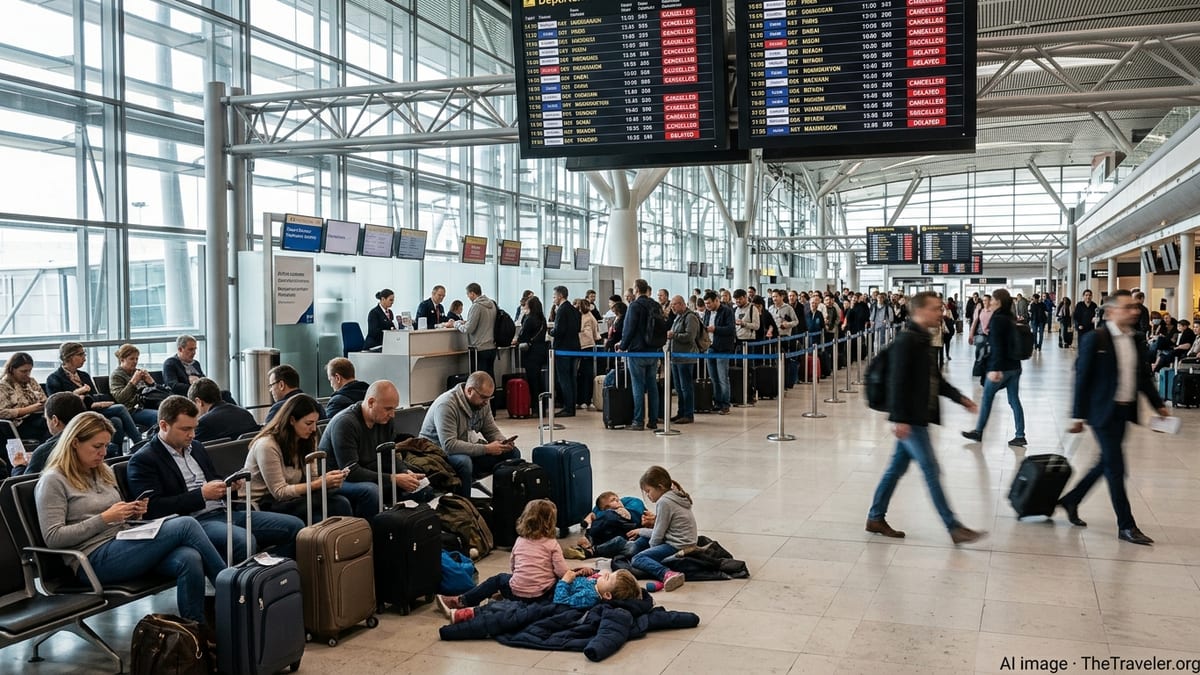
What Croatia’s updated France advisory actually says
According to publicly available information on the website of Croatia’s Ministry of Foreign and European Affairs, the latest advisory for France, dated 12 October 2026, states that there are no special recommendations or formal warnings in place, but it highlights a need for increased vigilance. The guidance points to "current demonstrations" and urges Croatian citizens to avoid protest areas, follow local announcements and allow extra time for movement around major cities.
The same notice underlines that Croatia’s government is not discouraging travel to France, nor has it raised a formal restriction level. Instead, it frames the situation as one that calls for prudent behavior, particularly in large urban centers and around public gatherings where protests may occur or security operations may be more visible.
The advisory also reminds travelers that the French security alert system remains at a high level. French authorities raised the national threat posture to its top tier in March 2024 and have maintained reinforced patrols and visible security at transport hubs, tourist sites and major public venues since then. Croatian officials reference this context when recommending that travelers remain alert in crowded places and monitor local news before and during their trips.
Overall, the message from Zagreb is that France remains open to visitors, including Croatian nationals, but that travel now requires more planning and situational awareness than in calmer periods.
Security climate in France: protests, policing and terrorism risk
Recent years have seen recurring waves of demonstrations and unrest in France, ranging from labor and pension reform protests to student movements and localized riots. International media and travel advisories describe these events as often concentrated in large cities such as Paris, Marseille, Lyon, Nantes and Bordeaux, with a focus on central squares, government districts and key transport intersections.
Reports indicate that even when protests are announced in advance, their scale and intensity can vary. Peaceful marches sometimes give way to clashes at night, localized vandalism or confrontations between small groups and security forces. Travel advisories from several governments highlight that such unrest can cause temporary disruptions to public transport, road closures and delays at railway stations and airports, even for travelers not directly involved.
Alongside civil unrest, France’s long-running concern about terrorism remains a central factor behind foreign travel advice. The French national security plan, known as Vigipirate, has been set at its highest level following international tensions and past attacks. This translates on the ground into increased bag checks, the presence of armed soldiers around major attractions, and tighter controls at concert halls, stadiums and shopping centers.
While large-scale attacks have become less frequent, security bulletins continue to warn that crowded public spaces, transport networks and symbolic sites remain potential targets. For visitors, this means that random identity checks, temporary closures or evacuations of venues, and visible heavily armed patrols should be expected as part of routine security rather than as indicators of an immediate incident.
Practical implications for Croatian and other travelers
Croatian citizens may enter France using either a valid passport or a national identity card, as both countries are part of the Schengen area. The latest Croatian advisory reiterates that those reaching France overland through other European Union members or through Switzerland may also transit with an identity card, reflecting standard free movement rules within the bloc.
The advisory recommends that travelers carry identification documents on them at all times. This is both a legal requirement in many parts of France and a practical response to increased security checks at airports, train stations and near demonstrations. Travelers are also encouraged to keep digital copies of their documents and accommodation details in case of loss or additional verification requests.
Croatian guidance stresses the importance of avoiding protest routes and large gatherings, particularly in the evenings. Many demonstrations are announced in advance by local authorities and covered in French media, but spontaneous actions can still occur. Travelers planning to visit central districts, such as around major squares, universities or government buildings, should check for scheduled events that might affect access, opening hours or local transport lines.
Publicly available information from other governments reflects similar advice: avoid protest areas, do not attempt to cross police lines, and leave the vicinity if a march appears to be escalating. For most visitors, this means building flexibility into itineraries, allowing extra time to reach airports or long-distance stations, and having alternative routes mapped out in case metro or tram lines are temporarily suspended.
How to prepare before departure and on the ground
Before leaving Croatia, travelers are advised to review the most recent travel recommendations on the Croatian foreign ministry website and to check updates again shortly before departure. Given that demonstrations can be called at short notice and security incidents can quickly change the situation, authorities in multiple countries stress the value of consulting official advisories throughout a trip.
On arrival in France, travelers should pay particular attention to local announcements in transport hubs and on public transport, where service changes linked to strikes or protests are often posted in advance. Many cities display real-time updates on station boards and in mobile applications, and staff may redirect passengers during disruptions. Keeping some cash on hand for taxis or alternative transport can help if ticket machines or specific lines are closed.
Croatian guidance further recommends monitoring local and international media for information about planned rallies, especially in districts that attract tourists, such as central Paris, historic quarters in major cities and waterfront areas. If a demonstration is scheduled near a hotel or a major attraction, visitors may wish to adjust their plans or timings to avoid being caught in large crowds or road closures.
Travelers are also encouraged to familiarize themselves with basic safety practices, such as identifying emergency exits in public venues, staying aware of personal belongings in crowded spaces, and knowing how to contact local emergency services. In France, the general emergency number is 112, which can be dialed free of charge from mobile phones across the European Union.
Balancing caution with continued travel to France
Despite the heightened security posture and periodic unrest, France remains one of Europe’s most visited destinations, and most trips proceed without serious incident. The Croatian advisory does not instruct citizens to cancel travel but instead highlights the need for a more informed and cautious approach, particularly in large metropolitan areas and around political or social flashpoints.
Travel analysts and official advisories alike emphasize that risk is often highly localized in time and place. A protest in one district may leave another part of the same city functioning normally, with museums, restaurants and attractions open as usual. For many visitors, the key to a smooth trip is flexibility: allowing extra time, considering alternative routes, and being ready to adjust plans if a neighborhood becomes congested or tense.
For Croatian and other European travelers, the combination of shared Schengen regulations, extensive transport links and accessible digital information makes it relatively straightforward to stay informed and change itineraries when necessary. With careful planning, attention to official advice and a realistic understanding of the current security environment, trips to France remain feasible, even as governments such as Croatia’s urge an extra degree of vigilance.