


More news on this day
A freight train derailment in downtown Durand has forced the closure of several key rail crossings, disrupting traffic through the small Michigan rail hub as crews work to clear damaged cars and inspect nearby tracks.
Get the latest news straight to your inbox!
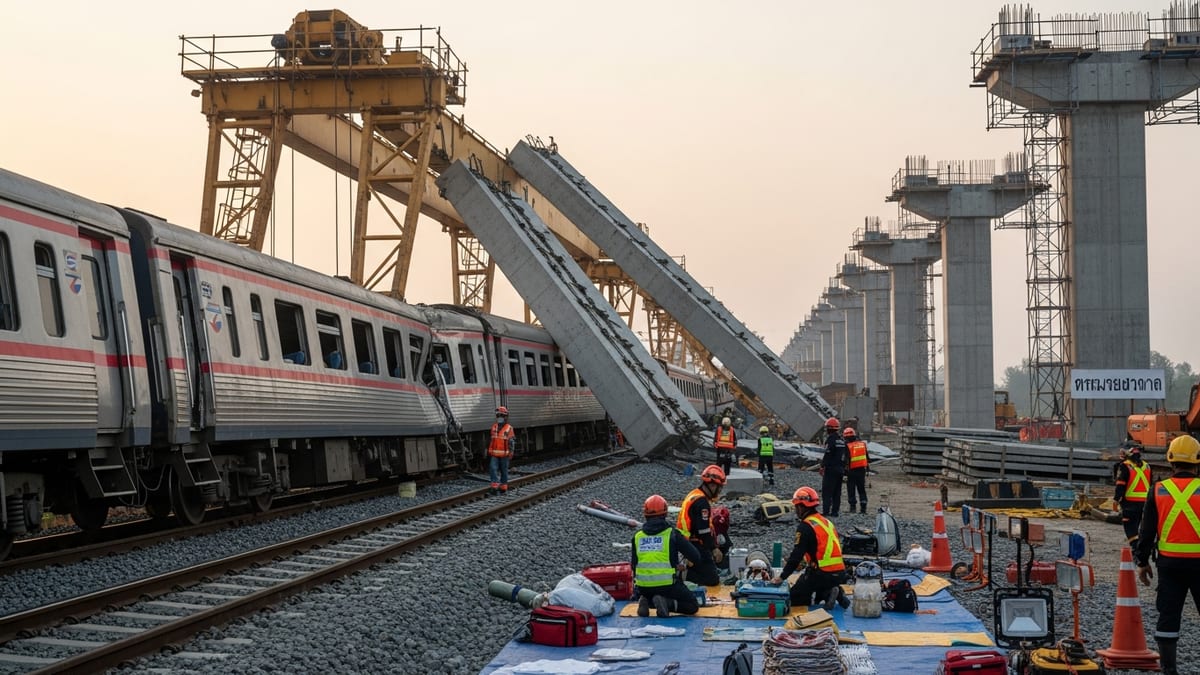
Derailment near Durand’s historic rail junction
Initial reports from local and regional outlets indicate that the derailment occurred near Durand’s busy rail junction close to the downtown district, an area where multiple freight lines converge. The location places the incident within a short distance of residential streets, local businesses and the city’s well-known depot area, intensifying concern over blocked routes in and out of the center of town.
Durand’s identity is closely tied to its rail network, and the junction area typically sees frequent freight movements along with passenger traffic. Publicly available rail fan and community resources describe the diamond crossing at Durand as one of the more active rail intersections in the region, making operational disruptions especially visible to residents and visitors.
Early accounts describe several freight cars leaving the tracks and coming to rest along the right of way, with rail traffic halted while inspectors evaluate the extent of track and equipment damage. As of the latest updates available, information points to a localized incident without broader regional rail shutdowns, but with significant immediate impacts on street-level movement around downtown.
Multiple crossings closed to vehicles and pedestrians
Local traffic maps, social media posts and community reports describe a series of grade crossings in and around downtown Durand that have been blocked or partially closed since the derailment. Barriers and emergency vehicles have limited access at affected intersections, forcing drivers to loop around the incident zone or seek alternate routes on residential side streets.
Residents have reported longer-than-normal travel times across town as key east–west and north–south corridors are interrupted where they intersect the rail lines. Some drivers have been redirected to crossings farther from the downtown core, concentrating traffic on a smaller number of open routes and creating short periods of congestion during peak hours.
Pedestrian movement has also been affected, particularly for people who typically walk across downtown crossings to reach schools, workplaces and shops. Publicly available information shows that detours are being put in place around the blocked locations, and local advisories are encouraging travelers to allow extra time and avoid attempting to cross near the derailment site.
Emergency response and rail recovery efforts
According to published coverage, local emergency services and railroad response teams were dispatched soon after the derailment was reported. Fire and medical crews secured the immediate area while railroad personnel began assessing derailed cars, inspecting the track structure and identifying any hazards such as fuel leaks or damaged equipment that might threaten nearby streets or properties.
Railroad recovery work typically proceeds in stages, beginning with safety checks and stabilization of the scene, followed by the clearance of debris and the re-railing or removal of affected cars. Heavy machinery is commonly brought in to lift or cut apart damaged rolling stock, a process that can keep adjacent road crossings closed for an extended period while crews operate within the corridor.
Publicly available incident data from other U.S. derailments suggests that crossings in the immediate vicinity of such events may remain blocked for many hours, and in some cases into the following day, depending on the number of cars involved and the complexity of track repairs. In Durand, reports indicate that recovery teams are working to reopen at least some crossings as soon as it is safe to do so, with full rail service likely to resume only after inspections confirm that track standards are met.
Community impact in a town built around railroads
The derailment has underscored how central the rail network is to daily life in Durand. The town’s historic depot, rail-themed events and concentration of tracks in the downtown area mean that any disruption quickly becomes a community-wide concern. While available information suggests that the derailment is relatively contained, the blocking of multiple crossings has highlighted long-standing local worries about access when trains or incidents obstruct the routes that cut through town.
In communities across the United States, blocked rail crossings have drawn attention for their potential to delay commuters and limit access for emergency vehicles. Public data compiled by federal transportation agencies and research organizations notes that even short-term closures can cause cascading delays when few alternative routes exist, a situation similar to the one now playing out in Durand’s compact street grid.
For residents and businesses near the derailment site, the immediate priority is restoring reliable access across the tracks so customers, deliveries and service providers can reach downtown addresses. Reports from previous rail disruptions in comparable towns indicate that once crossings reopen, lingering impacts tend to center on scheduling adjustments, delivery backlogs and renewed local discussions about long-term rail safety and traffic planning.
Safety checks and next steps for rail operations
According to publicly accessible federal rail safety guidance, derailments that occur near populated areas typically trigger a series of inspections and reviews before full operations resume. These steps usually include a close examination of rail infrastructure, signal systems and rolling stock, along with a reconstruction of the sequence of events that led up to the incident.
Investigators commonly review train speed, track conditions, recent maintenance records and weather or environmental factors to identify any contributing issues. Depending on the findings, railroads may implement short-term slow orders through the affected area, reinforce maintenance schedules or adjust operating practices at complex junctions such as the one in downtown Durand.
Public records from similar derailments around the country show that rail operators often coordinate with local governments after incidents to share broad information about recovery progress, anticipated noise or work schedules and temporary traffic adjustments near the tracks. In Durand, residents and travelers can expect continuing activity at the derailment site as crews complete repairs, reopen crossings and gradually restore the flow of trains through the city’s historic rail hub.