


More news on this day
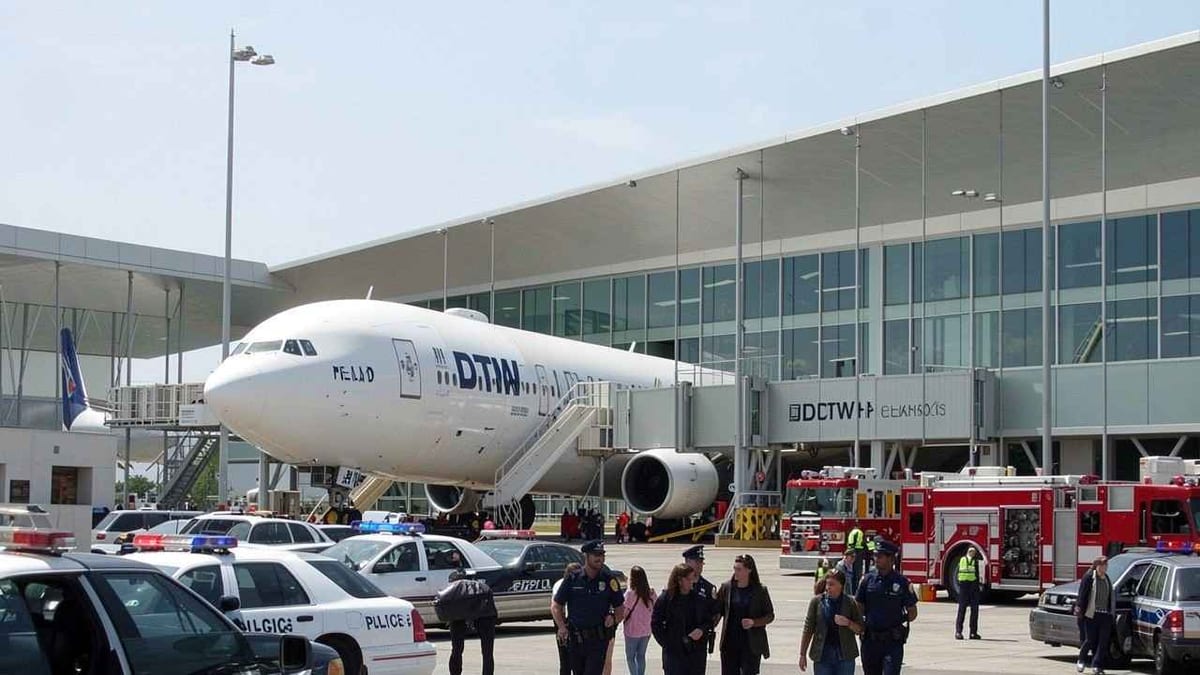
A United Airlines Airbus A320 operating as Flight UAL1866 from Greenville-Spartanburg International Airport in South Carolina to Denver International Airport diverted to Colorado Springs Airport in Colorado on August 8, landing safely after an unscheduled interruption to its planned route.
Get the latest news straight to your inbox!
Unscheduled Diversion En Route to Denver
Publicly available flight-tracking information shows that United Airlines Flight 1866 departed Greenville-Spartanburg on August 8 on a scheduled service to Denver before altering course partway through the journey and heading to Colorado Springs. The Airbus A320 completed its diversion and landed at Colorado Springs Airport, an alternate field regularly used when traffic or weather affects Denver operations.
Data visible on flight-monitoring platforms indicates that the aircraft remained on the ground in Colorado Springs while the situation was assessed and operational decisions were made regarding refueling, onward routing, and passenger connections. The diversion resulted in passengers arriving in the Denver region later than planned, but there were no immediate indications of injuries or serious onboard emergencies associated with the event.
Available records describe the incident as an operational diversion rather than a crash or runway excursion. The aircraft taxied to the gate in Colorado Springs, and the flight concluded there, with later arrangements used to move travelers on to their final destinations in Denver or beyond.
Weather, Traffic and Operational Factors Around Denver
Colorado’s Front Range is known for rapidly changing weather conditions, including thunderstorms, strong winds and low clouds that can affect Denver International Airport’s arrivals and departures. Aviation observers note that when Denver experiences congestion or adverse weather, airlines occasionally reroute incoming flights to nearby airports such as Colorado Springs to manage fuel reserves, holding times, and runway availability.
Colorado Springs Airport, located southeast of downtown Colorado Springs, serves as a common alternate for flights bound for Denver because of its long runways, established commercial operations and relative proximity to the Denver metropolitan area. The airfield is capable of handling narrowbody mainline jets like the Airbus A320 and often receives diversions when Denver traffic is disrupted.
While precise contributing factors for the UAL1866 diversion on August 8 have not been detailed in public summaries, the pattern is consistent with broader regional traffic management practices. Airlines routinely adjust routes in real time in response to storm cells along the Front Range, air traffic flow programs, or other operational constraints that make a direct arrival into Denver less practical or less efficient at a given moment.
Impact on Passengers and Downline Connections
The diversion of Flight 1866 added an unplanned stop for travelers who had expected a nonstop service into Denver, which is a major hub for United Airlines. According to information shared by passengers and flight-status records, the change of destination led to missed connections for some customers who were planning onward travel from Denver to other cities across the United States.
Once the aircraft parked at Colorado Springs, standard procedures typically involve deplaning passengers, arranging ground handling services, and coordinating with airline operations teams to determine whether the same aircraft will continue to Denver or whether travelers will be rebooked on later services. In many cases, airlines also look at ground-transport options between Colorado Springs and Denver for travelers whose final destination is within the Front Range corridor.
Reports from similar diversions in the region show that such events can lead to several hours of disruption, with travelers either reboarded on the same aircraft after refueling and clearance, or accommodated on subsequent flights once traffic and weather conditions improve. In the case of UAL1866, publicly accessible flight data suggests the interruption was measured in hours rather than days, with the aircraft returning to regular service after the necessary checks and scheduling adjustments.
Colorado Springs’ Role as a Diversion Airport
Colorado Springs Airport has a long history of supporting both scheduled airline operations and irregular operations such as diversions and emergency landings. The airfield’s infrastructure and location south of Denver make it a logical choice when aircraft cannot immediately continue to Denver due to weather or airspace constraints. Aviation reference materials highlight Colorado Springs as one of the key secondary airports in the state capable of absorbing unexpected arrivals from Denver-bound flights.
Over the years, various airlines have used Colorado Springs as a safe harbor during periods of intense thunderstorms, strong crosswinds, or runway capacity limits at Denver. Diversions of this kind are generally viewed by safety specialists as conservative, risk-averse decisions that prioritize ample fuel reserves and stable approach conditions over on-time performance.
While rare from the perspective of an individual traveler, diversions into Colorado Springs occur periodically during peak storm seasons. The August 8 diversion of UAL1866 fits into that broader operational pattern in the central Rocky Mountain region, demonstrating how secondary airports help keep the wider network resilient when large hubs experience short-term disruptions.
Routine Safety Practices Behind Midroute Changes
Aviation safety frameworks encourage flight crews and dispatchers to maintain flexibility when conditions along the planned route change. Industry analyses of diversion trends in the United States describe these events as important safety valves in a complex system that balances weather, air traffic control restrictions, crew duty limits, and airport capacity.
In practice, a diversion such as that experienced by United Flight 1866 on August 8 represents a routine application of those safeguards. Instead of extending holding patterns near Denver or approaching an airport with unfavorable conditions, the crew elected to land at Colorado Springs, where the aircraft could refuel, await better conditions, or reposition as needed. This approach can reduce fuel-related concerns and provide passengers with a stable environment on the ground while airline operations reset the schedule.
Publicly available information about the August 8 event points to a controlled, orderly diversion that ended with the aircraft safely parked at a gate and customers transferred into the airline’s disruption-management processes. For travelers, the experience may have been inconvenient, but within the aviation system it is viewed as a standard and expected response to evolving conditions on a busy summer travel day in the Rocky Mountain region.