


More news on this day
A United Airlines Airbus A320 operating as Flight UAL400 from Richmond, Virginia, to Denver, Colorado, diverted to Colorado Springs Airport on August 8, according to flight tracking data and local media reports, highlighting continuing operational challenges around United’s Denver hub during the busy summer travel period.
Get the latest news straight to your inbox!
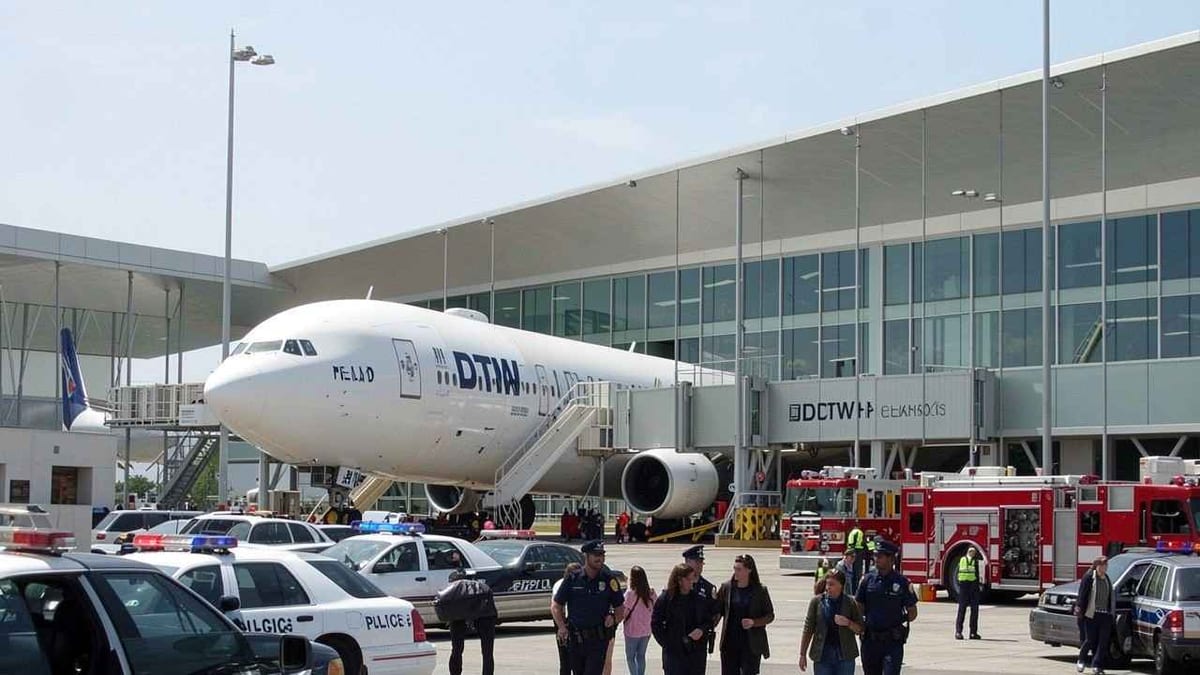
Unexpected Diversion on Richmond to Denver Service
Publicly available flight information shows that United Airlines Flight UAL400 departed Richmond International Airport on August 8 on a scheduled route to Denver International Airport. Midway through the journey, the Airbus A320 changed course toward Colorado Springs, touching down there instead of in Denver.
Initial reports indicate that conditions around Denver led to a series of diversions that day, with Colorado Springs acting as an alternate airport for multiple flights. Colorado Springs Airport, located roughly 70 miles south of Denver, is a common diversion point when operations at Denver are constrained.
Flight tracking data suggests that, after landing in Colorado Springs, the aircraft remained on the ground while crews and airline operations determined the next steps for passengers continuing to Denver. The diversion extended overall travel times but allowed the aircraft to land safely away from congestion and adverse conditions near Denver.
There were no immediate reports of injuries or onboard emergencies associated with the diversion of UAL400. Available information instead points to broader air traffic and weather related disruption across the Front Range region.
Denver Hub Pressured by Weather and Congestion
United’s Denver hub has experienced periodic bouts of disruption during the summer, with thunderstorms and rapidly changing mountain weather often prompting ground stops, arrival spacing, and reroutes. Online accounts from recent days describe a pattern of delays, holding patterns, and diversions affecting flights headed to Denver.
Social media posts and traveler forums from early August describe Denver as facing heavy traffic and significant weather related schedule pressure, with some flights diverted to alternate airports such as Colorado Springs or smaller regional fields. These diversions are consistent with standard airline and air traffic management practices when storms or congestion temporarily reduce the arrival capacity at a major hub.
In such situations, dispatchers and pilots may choose a nearby airport with available runway slots and infrastructure to accommodate passengers and refueling needs. Colorado Springs, with commercial service and ground handling in place for United and other carriers, often serves as that relief valve when Denver experiences bottlenecks.
The diversion of UAL400 fits into this broader operational context, in which airlines balance safety, fuel planning, and network reliability while working within rapidly evolving weather and traffic constraints in the Rocky Mountain region.
Passenger Impact and Onward Travel Arrangements
Passengers aboard UAL400 likely experienced extended travel times and revised connection plans as a result of the diversion. When a flight lands at an alternate airport, airlines typically assess whether to continue the aircraft to its original destination once conditions improve or to reroute travelers onto other services.
Reports from recent Denver related diversions suggest a mix of outcomes for passengers, including waits on the ground, rebooking onto later flights, and in some cases ground transportation between Colorado Springs and Denver. The specific arrangements for UAL400 have not been detailed in public statements, but industry practice indicates that re-accommodation options would have been provided once the flight’s onward plan was confirmed.
For travelers with tight connections at Denver, diversions such as the one involving UAL400 can lead to missed onward flights and overnight stays. Airlines generally respond with rebooking support, lodging offers where policies apply, and customer service outreach, particularly when irregular operations affect a large number of passengers.
The situation underscores the importance of flexible itineraries during peak summer travel, especially through weather sensitive hubs, as well as the value of real time flight status monitoring through airline and airport channels.
Colorado Springs’ Role as an Alternate Airport
Colorado Springs Airport has emerged as an important alternate field for flights that cannot immediately reach Denver, due to its relatively close proximity, commercial facilities, and established airline operations. The airport regularly handles diversions during periods of intense weather or air traffic restrictions at Denver.
Historical patterns referenced in aviation discussion forums show that days with strong thunderstorms, low visibility, or extended ground stops at Denver often coincide with multiple diversions into Colorado Springs. These events can temporarily increase activity at Colorado Springs, placing additional demand on its gates, ramp services, and passenger facilities.
While diversions disrupt travel plans, they are also a standard component of airline safety and contingency planning. Dispatchers file alternate airports as part of the preflight process, ensuring that crews have options in case available fuel, weather, or air traffic control constraints make it impractical to continue to the intended destination.
The diversion of United Airlines Flight UAL400 on August 8 highlights how Colorado Springs continues to function as a strategic backup to Denver, absorbing traffic when conditions to the north become too constrained for normal arrivals.
Ongoing Operational Challenges for Summer Air Travel
The UAL400 diversion takes place amid a broader pattern of operational strain affecting summer air travel across the United States. High passenger volumes, convective weather, and airspace congestion have contributed to delays and reroutes at several major hubs, including Denver.
Publicly available industry data and traveler accounts describe how these factors can compound, with one round of disruptions creating knock on effects for subsequent flights, crew scheduling, and aircraft positioning. Diversions, while disruptive for individual flights, can help airlines and air traffic managers stabilize parts of the network by moving aircraft and passengers away from saturated airports.
For travelers, the episode reinforces long standing guidance to allow extra connection time at busy hubs and to remain attentive to schedule changes and gate information communicated through airline apps and airport displays. As the peak travel season continues, similar weather related adjustments remain possible on routes into and out of Denver and other high traffic airports.
United Airlines Flight UAL400’s diversion to Colorado Springs on August 8 illustrates how a single flight can be affected by these wider operational dynamics, even when there are no indications of technical problems with the aircraft itself.