


More news on this day
Around 200 people who bought into a long-term “cruise for life” concept on the residential ship Villa Vie Odyssey have been left scrambling for accommodation and flights after the vessel abruptly halted operations in the Cambodian port of Sihanoukville, citing soaring fuel costs and financial strain.
Get the latest news straight to your inbox!
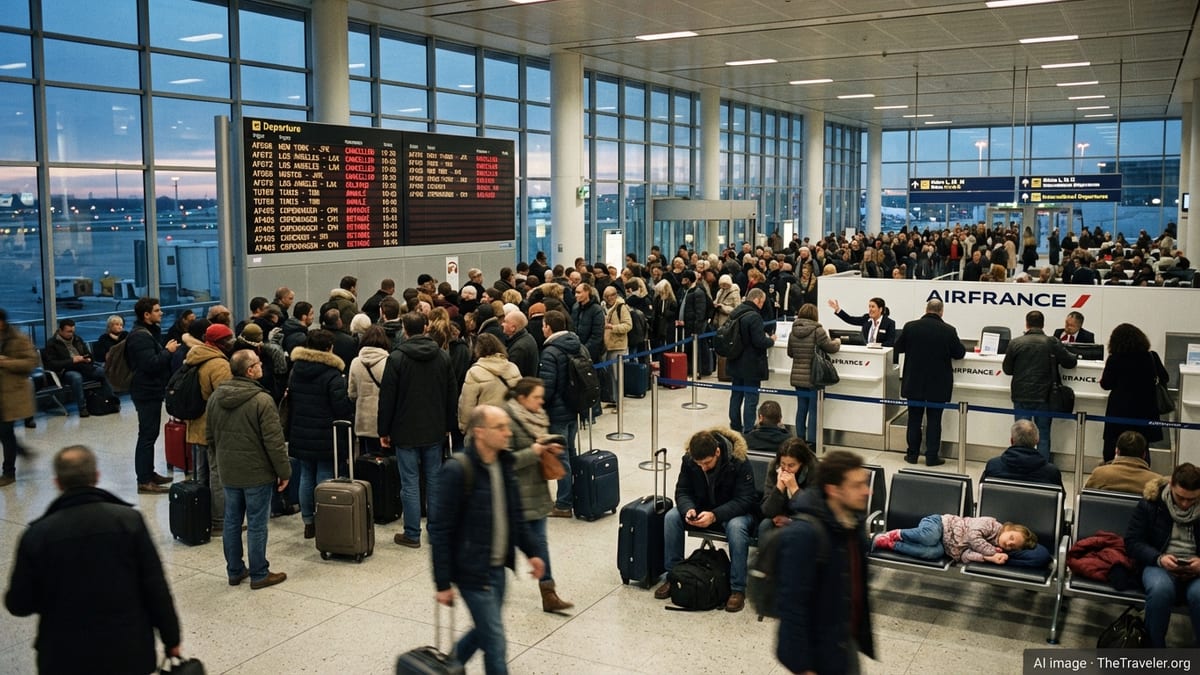
Residential world voyage abruptly halted in Sihanoukville
Publicly available information indicates that the Bahamas-flagged Villa Vie Odyssey arrived in Sihanoukville on October 23, following a sailing from Thailand, as part of a multi-year itinerary marketed as a continuous global voyage. The ship, approximately 196 to 200 metres in length, had been operating as a residential cruise where passengers could buy or rent cabins as long-term homes while travelling between continents.
Regional coverage and passenger accounts describe how, within days of arrival, residents were informed that operations were being suspended and they would need to disembark with their belongings. Reports indicate that around 203 guests and more than 150 crew members were on board, with the ship originally scheduled to continue on to ports in Vietnam before the sudden change of plans.
Material shared by Villa Vie Residences in recent months had promoted the Odyssey as a way to “live at sea” for years at a time, attracting retirees, digital nomads and remote workers. Some residents are reported to have sold homes and substantial assets to finance multi-year stays, making the sudden termination of the voyage particularly disruptive.
Coverage from international outlets such as global news agencies, Australian and Asian broadcasters and European media consistently links the halt to a steep rise in marine fuel costs on the ship’s current route, making the existing business model financially unsustainable for the operator.
Fuel price spike and financial pressures behind suspension
According to published coverage and statements cited by multiple outlets, Villa Vie Residences told residents it was suspending operations while it seeks restructuring and new financing, pointing to sharply higher fuel prices in parts of Asia. Reports referencing company communications describe fuel costs rising from historic averages of around US$1,800 per cabin per month to estimates between US$6,000 and US$8,000 per cabin on recent segments.
These reported figures suggest that the cost of bunkering fuel for the Odyssey had climbed several-fold compared with the assumptions underpinning the residential cruise’s pricing model. Media reports also connect the spike to broader energy market volatility linked to conflict in the Middle East, noting that longer itineraries across the Indian Ocean and Southeast Asia have become significantly more expensive to operate in recent months.
Coverage from wire services and international broadcasters notes that the company framed the pause as temporary while it evaluates options, including potential investment to continue the voyage. However, passengers quoted or referenced in those reports describe receiving limited clarity about timelines, onward transportation or possible refunds, leading many to immediately focus on securing their own travel arrangements from Sihanoukville.
Prior to the shutdown, passengers had documented requests from the operator for additional charges, including new fuel surcharges, on online forums and blogs dedicated to residential cruising. Those posts, referenced in recent reporting, suggest that financial strains had been building in the months leading up to the suspension.
Scramble for hotels and flights out of Sihanoukville
Accounts compiled from passenger blogs, social media posts and regional news coverage describe a rapid scramble among residents to find hotel rooms and onward flights once they were instructed to leave the ship. Some travellers report being transported by bus from the port area to central Sihanoukville and then left to make their own arrangements with local accommodation providers.
With more than 200 passengers disembarking at short notice, available reporting indicates that demand for mid-range and upscale rooms in and around Sihanoukville rose quickly. Travellers unfamiliar with the city’s layout have turned to major booking platforms and travel agents to secure stays in beach districts such as Otres and Ochheuteal, as well as properties closer to the port, while they arrange international flights via Phnom Penh, Ho Chi Minh City or Bangkok.
Some residents were reportedly on overland or sightseeing excursions when the decision to suspend operations was communicated, creating additional complications in reuniting them with luggage and personal belongings. Public posts from affected passengers highlight challenges in retrieving items from cabins, organising baggage storage and navigating language barriers while dealing with visa rules and onward ticketing at short notice.
Local officials in Preah Sihanouk province have been quoted in regional outlets describing the arrival of more than 200 displaced cruise residents and confirming that the Odyssey remains in port while its status is assessed. There is no indication from current reporting that passengers are unable to leave Cambodia, but many face complex and potentially costly rerouting to their home countries.
What the collapse means for long-term “live at sea” travel
The Villa Vie Odyssey’s abrupt pause is reverberating across the growing niche of residential cruising, in which travellers commit to months or years at sea instead of traditional home ownership. Industry coverage notes that the Odyssey, which departed Belfast in October 2024 on a planned multi-year global journey, had been one of the more prominent entrants in a competitive field of “endless voyage” concepts.
Analysts cited in business and travel reports suggest that the incident highlights the vulnerability of fuel-intensive, long-haul itineraries to sudden shocks in energy prices. Residential ships, which often promise fixed monthly costs to residents, may have limited ability to pass through unexpected fuel spikes without undermining the value proposition that attracted passengers in the first place.
For travellers, the events in Sihanoukville underline the importance of examining an operator’s financial resilience, insurance arrangements and contingency planning when committing to long-term life at sea. Commentaries in travel media point to questions around escrow protection for prepayments, clear repatriation plans in case of disruption and the extent of coverage provided by standard travel insurance for open-ended residential voyages.
While some stranded residents quoted in international coverage have expressed disappointment and financial worry, others have indicated that they still value the two years of travel already completed aboard the Odyssey. The mixed reactions underscore how residential cruising blends elements of lifestyle choice, investment decision and high-value travel purchase in ways that can magnify both rewards and risks.
Ongoing uncertainty over ship’s future and passenger claims
As of October 28, publicly available information shows that the Villa Vie Odyssey remains in Sihanoukville while the operator explores options to secure new funding or a potential buyer. Marine traffic data and maritime commentary indicate that the ship has effectively entered lay-up status in Cambodia, pending a decision on whether the residential programme can resume in some form.
Reports from global and regional outlets state that Villa Vie Residences has not yet set a firm timeline for resolving passenger claims or clarifying whether any portion of prepaid fees will be refunded or credited. Passengers referenced in these reports describe fielding communications that focus primarily on the company’s search for investors rather than on detailed compensation frameworks.
Consumer advocates quoted in broader cruise industry coverage note that residential cruise arrangements often sit in a grey area between conventional package holidays and real-estate-style time shares, with varying levels of regulatory oversight depending on flag state, sales jurisdiction and contract structure. This can make it more complex for residents to pursue redress when voyages end abruptly.
For now, the immediate reality for the roughly 200 former residents of the Villa Vie Odyssey is a very different itinerary from the one they imagined: hotel rooms and airport lounges instead of a floating home, and the challenge of rebuilding plans on shore while the future of their erstwhile “cruise for life” remains unresolved.