


More news on this day
A luxury residential cruise marketed as a years-long voyage around the globe has been abruptly halted in Cambodia, after a sharp surge in marine fuel prices forced the operator to suspend operations and left hundreds of passengers unexpectedly disembarking in the coastal city of Sihanoukville.
Get the latest news straight to your inbox!
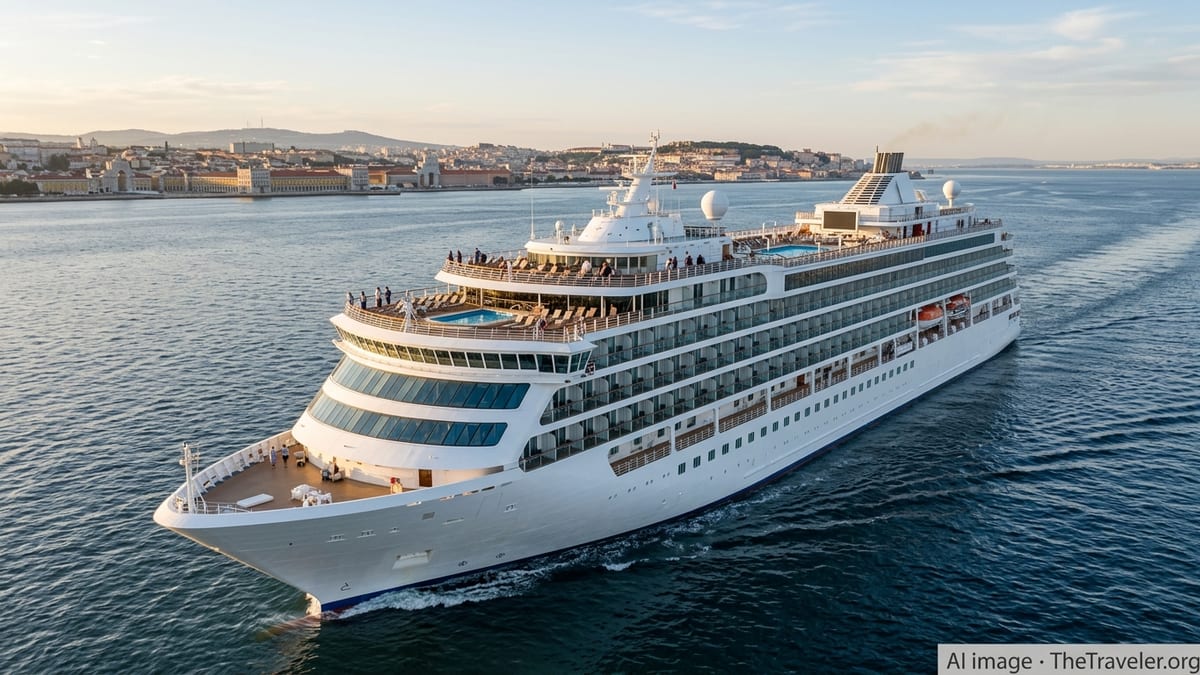
Three-year “floating home” voyage cut short in Sihanoukville
The Villa Vie Odyssey, a U.S.-flagged residential cruise ship operated by Florida-based Villa Vie Residences, docked in the Cambodian port of Sihanoukville on October 28 and informed guests that the ship’s around-the-world journey would not continue. Publicly available information shows that the vessel set sail from Belfast in October 2024 on what was promoted as a three-year itinerary covering all seven continents and more than 400 ports of call.
Reports indicate that approximately 200 residents, many of them from the United States and Europe, had purchased long-term cabins on board, with some packages reportedly priced above 230,000 dollars for multi-year stays. The ship had visited destinations including Tonga and Australia earlier in 2026 and had been scheduled to end the year in India before the voyage was cut short in Southeast Asia.
According to published coverage, the operator described the ship’s stay in Cambodia as an unscheduled final stop rather than a routine port call, advising passengers to leave the vessel with their belongings while operations are reassessed. The Odyssey is now laid up in Sihanoukville as the company explores options for its future.
Soaring fuel bills undermine the ship’s business model
Villa Vie Residences has cited what it calls extraordinary increases in fuel costs as the primary reason for the suspension. Information posted by the company and summarized in multiple news reports indicates that monthly fuel expenses in parts of Asia have risen from a historic average of about 1,800 dollars per cabin to an estimated range of 6,000 to 8,000 dollars per cabin.
Analysts note that residential cruises, which sell cabins as long-term homes rather than short-term holidays, rely on predictable operating costs to sustain relatively stable monthly fees. The sharp rise in marine fuel prices in recent months, linked by several outlets to supply disruptions and wider tensions affecting global oil markets, appears to have outpaced the company’s ability to pass on costs or adjust its itinerary.
Publicly available financial filings from major cruise operators show that fuel is one of the most volatile line items in cruise operations, with larger lines typically using hedging strategies or fuel surcharges to manage risk. Smaller and newer operators such as Villa Vie Residences may have less flexibility, making them more vulnerable when bunker fuel prices climb rapidly across key refueling hubs.
Passengers navigate sudden change of plans in Cambodia
News coverage from international outlets describes passengers being given limited notice that the Odyssey’s voyage would end in Cambodia. Instead of continuing on to scheduled ports in South Asia and beyond, residents have been arranging onward travel from Sihanoukville and nearby Phnom Penh, often at short notice and at their own expense.
Travel industry reporting indicates that the operator has been working with guests to coordinate temporary accommodation and flights, although detailed terms of any reimbursements or credits have not been made public. Many residents had planned to remain at sea for months or years, having sold homes or given up leases on land, which has intensified concerns over where they will live and how quickly they can reorganize their plans.
The situation has highlighted the limited consumer protections that can apply when a cruise line suspends operations mid-voyage. While conventional cruise itineraries typically have clear refund policies and protections under package travel regulations in some jurisdictions, long-term residential products often operate under bespoke contracts that may not provide the same safeguards in the event of a sudden halt.
Wider cruise sector feels pressure from fuel markets
The Odyssey’s lay-up in Cambodia comes at a time when higher fuel prices are affecting travel providers across the region and beyond. Recent corporate updates from large cruise companies have pointed to elevated oil and marine fuel costs as a drag on profitability, even amid strong demand for sailings. Aviation and ferry operators in Asia and the Pacific have also reported higher expenses and fare increases tied to the fuel market.
Industry documents filed with regulators emphasize that sustained increases in fuel prices can force cruise lines to revise itineraries, adjust speeds, or introduce fuel surcharges to maintain margins. For residential ships committed to long, globe-spanning routes, options for short-term adjustments are more limited, especially when guests expect a pre-advertised sequence of destinations and relatively stable monthly fees.
Specialist cruise analysts suggest that the Cambodian incident may prompt other operators of long-duration or world cruises to review their exposure to fuel volatility. That could mean more conservative route planning, built-in fuel adjustment clauses in passenger contracts, or expanded use of hedging in financial markets to smooth out sudden spikes in bunker costs.
Implications for future residential and long-haul cruises
The halt of the Villa Vie Odyssey raises broader questions about the viability of residential cruising models that promise multi-year, open-ended itineraries. Travel trade publications note that while the idea of “endless” or years-long world cruises has gained attention in recent years, the economics depend heavily on stable input costs and consistent occupancy levels.
Prospective residents on similar projects are likely to examine contract terms more closely, paying particular attention to clauses related to force majeure, operational suspensions, and the treatment of prepaid funds if a voyage ends early. Observers also point to the need for clearer disclosures about how fuel and other variable costs are managed over multi-year periods.
For Cambodia, the sudden lay-up of a high-profile residential ship in Sihanoukville briefly puts the spotlight on the country’s cruise infrastructure, which has expanded in recent years alongside broader tourism growth. While the Odyssey’s predicament stems from global fuel markets rather than local conditions, its presence in the port underscores how quickly distant commodity shocks can ripple through to specific destinations and individual travelers.
As the operator evaluates restructuring and recapitalization options, attention within the cruise sector is focused on whether the Odyssey will eventually resume service or be redeployed under a revised business model. Until those decisions are made, the ship remains a visible reminder of how rising fuel costs are reshaping the economics of long-distance sea travel, from conventional cruises to ambitious residential voyages.