


More news on this day
A residential world cruise marketed as a chance to “live at sea” has abruptly ground to a halt in Cambodia, after surging fuel costs and a cash crunch forced the operator to suspend its voyage and order hundreds of full-time residents to disembark in the coastal city of Sihanoukville.
Get the latest news straight to your inbox!
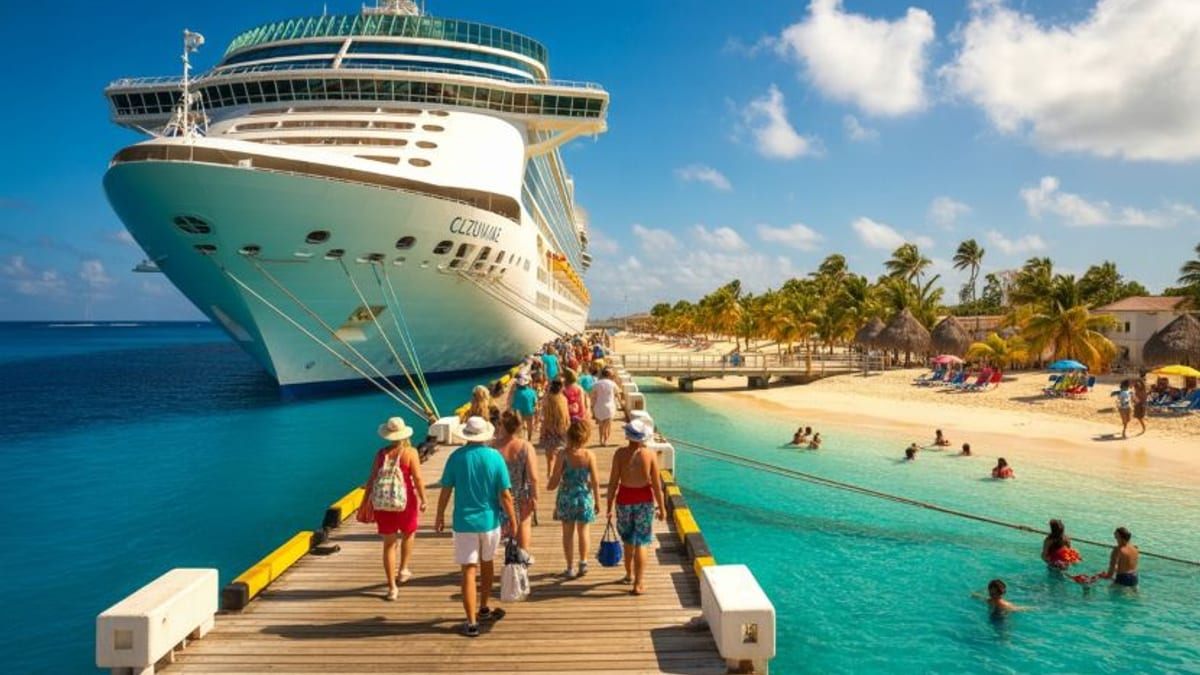
End of the line for Villa Vie Odyssey
The ship at the centre of the disruption is Villa Vie Odyssey, a former oceangoing cruise vessel refitted as a residential ship and relaunched by US-based operator Villa Vie Residences as an “endless” world voyage. The multi-year itinerary began in 2024, with residents buying or leasing cabins as long-term homes while the ship circled the globe.
According to published coverage, the company announced on 27 October 2026 that it was suspending operations due to what it described as extraordinary increases in fuel costs linked to the wider energy shock following the conflict in and around the Strait of Hormuz. Residents were informed by early-morning notice that the ship could not secure fuel to continue its planned route and that they would be required to leave the vessel that same day in Cambodia.
Reports from international outlets indicate that between 200 and several hundred passengers had been living on board at the time of the shutdown, many of them retirees or remote workers who had sold or rented out homes on land to finance life at sea. Some coverage notes that basic cabins had been marketed from about 85,000 dollars for long-term ownership-style arrangements, highlighting the scale of the commitment many residents had made to the concept.
Publicly available information shows that Villa Vie is now pursuing restructuring and recapitalisation options while the Odyssey remains laid up in Sihanoukville, with no confirmed date for any resumption of service.
Stranded in Sihanoukville with hours to leave
The Odyssey arrived in the Gulf of Thailand after more than two years of near-continuous sailing, docking in Sihanoukville on Cambodia’s southern coast. Residents expected a short port call before continuing to Vietnam and onwards, but instead received instructions to pack up their cabins and clear immigration in a compressed window of just a few hours.
Reports from passengers and local media describe a hurried disembarkation on 27 October, as residents scrambled to gather belongings accumulated over years on board, navigate Cambodian entry formalities and secure short-notice lodging in a city that, for many, had only ever been a brief stop on a longer journey. Images from the port show piles of luggage and household items stacked on the quayside as residents tried to work out what they could realistically take with them.
Coverage from regional and international news organizations indicates that Villa Vie has been arranging hotel accommodation in Sihanoukville and limited transport support within Cambodia, but that the cost of onward international flights and longer-term housing falls largely to residents themselves. With the ship effectively serving as their primary residence, some passengers are described as being left in a housing limbo in an unfamiliar country.
Cambodian authorities have previously handled stranded cruise passengers in other crises, including during the early stages of the COVID-19 pandemic, but this episode is being driven not by health restrictions, rather by commercial pressures and an energy market shock that has rippled through the cruise sector.
Fuel shock exposes fragile business model
The shutdown of the Odyssey comes against the backdrop of a severe global fuel squeeze that has raised costs for shipping lines, airlines and land transport throughout 2026. Analysis from energy and maritime publications notes that the crisis around the Strait of Hormuz has disrupted tanker traffic and driven sharp increases in the price and volatility of marine fuels.
According to information cited in multiple reports, Villa Vie stated that fuel expenses in parts of Asia had risen by more than 300 percent compared with earlier in the voyage. In some commentary, indicative monthly fuel charges per cabin were said to have escalated several-fold during 2026, putting unsustainable pressure on both residents and the operator.
Residential cruising depends on relatively predictable running costs spread across a fixed community of owners and long-stay guests. Industry observers quoted in media coverage suggest that the combination of rapid fuel inflation, earlier management missteps and difficulties securing new investment left Villa Vie with limited room to manoeuvre. Passing the full cost increase to residents, many on fixed incomes, risked mass departures, while absorbing it would have required deep reserves that were apparently not available.
By halting the voyage in Cambodia and moving the vessel into a form of lay-up, the company has effectively acknowledged that its existing financial model cannot cope with the current fuel environment without substantial restructuring.
Personal and financial fallout for residents
Beyond the operational crisis, the halt has immediate human consequences. Many residents treated the Odyssey as a permanent or semi-permanent address, forwarding mail, arranging medical care around port calls and placing possessions in what they expected to be long-term cabins. Sudden disembarkation in a foreign port has left some trying to replace essential medications, secure travel insurance coverage for an unplanned stay and source storage for items they cannot fly with at short notice.
Published accounts indicate that some residents have opted to fly directly back to their home countries, while others are remaining in Cambodia or nearby hubs such as Bangkok and Singapore while they assess options and wait for clarity on whether the ship will resume operations. For those who invested significant sums in cabin rights marketed for “life at sea,” questions now centre on refunds, resale prospects and the legal status of their agreements with the operator.
Travel and consumer advocates quoted in regional coverage are highlighting the case as a reminder of the risks associated with unconventional long-term travel products. While standard cruise passengers typically have clear contract terms for individual itineraries, residential models blur the line between real estate, timeshare and tourism, and disputes may be more complex when voyages end abruptly or companies enter restructuring.
In the meantime, residents are relying on personal savings, help from family and any applicable insurance to bridge the gap between shipboard life and whatever comes next, whether that is a return to land-based living or a search for another long-stay travel option.
Broader questions for residential cruising
The situation in Sihanoukville has also raised questions about the resilience of the emerging residential cruise segment, which has expanded in recent years with ships offering multi-year or open-ended itineraries marketed to digital nomads and retirees. The Odyssey was among the most high-profile examples, promising an affordable alternative to traditional retirement communities with continually changing scenery.
Industry analysts note that the halt underscores how sensitive such ventures can be to external shocks. Residential ships operate on thin margins, often with ambitious pricing designed to make life at sea competitive with urban living costs. Spikes in fuel prices, unexpected port fees or global disruptions can quickly upend forecasts if operators have not hedged fuel purchases or built in sufficient financial buffers.
Other residential or long-duration cruise projects are now likely to face closer scrutiny from prospective buyers, particularly on issues such as fuel hedging, emergency contingency plans and the legal protections available if voyages are cut short. Travel planners say that, for now, conventional cruises with defined start and end dates and established refund policies may offer more certainty in a volatile energy and geopolitical climate.
For Cambodia, the stranded residents add a new chapter to its relationship with global cruising, spotlighting Sihanoukville’s role as both a tourist gateway and, in moments of crisis, a final port of call for voyages that do not go as planned.