


More news on this day
The United Kingdom has tightened its travel advice for Turkey and Egypt, highlighting rising regional tensions and warning that sudden escalations could disrupt flights, affect popular tourist areas and limit the support available to British nationals abroad.
Get the latest news straight to your inbox!
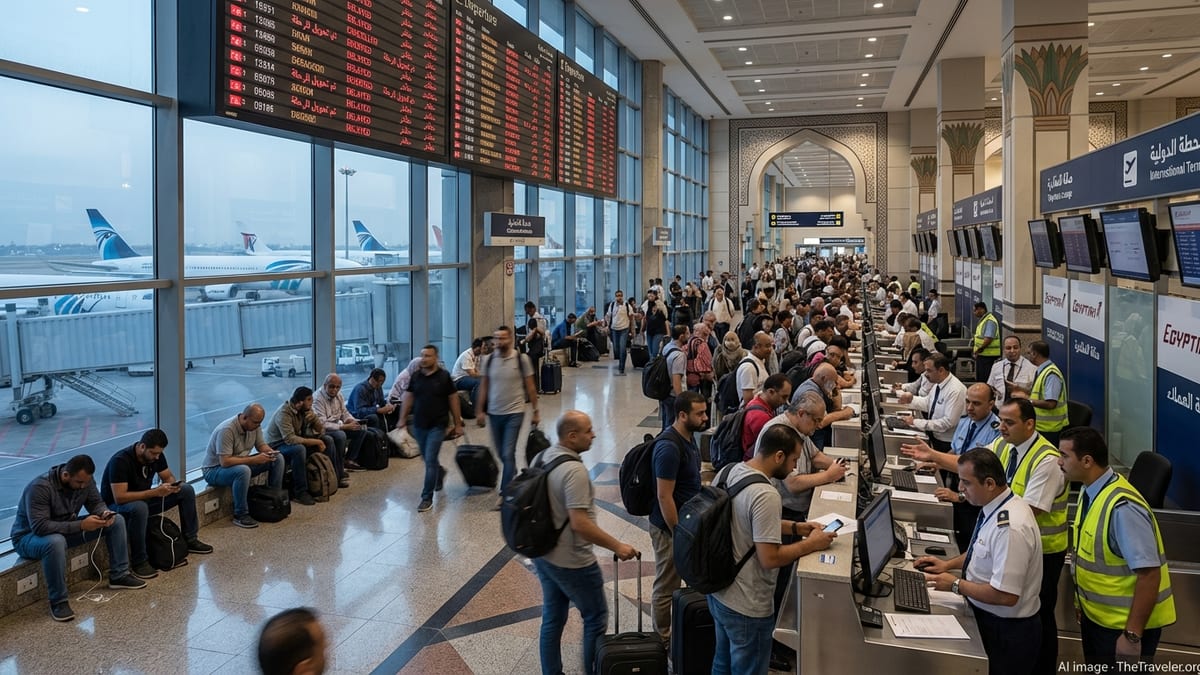
Fresh Warnings Reflect Shifting Middle East Risk
Updated guidance from the UK Foreign, Commonwealth and Development Office in late October 2026 emphasizes that the wider Middle East security situation is highly unpredictable, with a risk of rapid deterioration that could affect nearby states such as Turkey and Egypt. Publicly available information notes that since conflict intensified earlier this year, Iranian officials have spoken of targeting locations linked to the United States and Israel across the region, increasing concern about spillover incidents.
The Turkey travel advice, revised in the second half of October and marked as current on 28 October 2026, explicitly flags regional tensions on its main warning page. The wording highlights the possibility of strikes and retaliatory attacks affecting civilian and military infrastructure in multiple countries, and urges British nationals to prepare for potential airspace closures, last‑minute flight cancellations and broader disruption to travel plans.
For Egypt, the UK maintains long‑standing cautions for specific border areas, but a late October update on regional tensions underlines that the risk of sudden escalation remains high. Information compiled from recent summaries of the Egypt advice indicates that while most major tourist zones remain accessible, travelers are being encouraged to plan with greater flexibility and to stay alert to changes that could affect transport routes or access to key destinations.
These revisions place Turkey and Egypt within a broader pattern of tightened UK guidance for several Middle Eastern and Red Sea states, reflecting how conflicts and proxy tensions in one part of the region are increasingly seen as having implications for nearby hubs that serve as major gateways for international tourism.
Turkey: Stricter Advice on Border Areas and Urban Tensions
Turkey’s entry in the UK foreign travel advice has long carried specific prohibitions on visiting certain regions, and the most recent update reiterates these limitations while giving them new prominence in light of regional instability. The UK continues to advise against all travel within 10 kilometres of the border with Syria because of the risk of terrorism, kidnapping and armed conflict, and maintains strong warnings for other parts of the south‑east where security incidents have occurred in recent years.
The latest wording on regional tensions adds a layer of concern that goes beyond the immediate border areas. Summaries of the advice stress that British nationals across Turkey should be prepared for disruption that may not be confined to conflict zones. Reports from international safety briefings describe the possibility of heightened anti‑Western sentiment, as well as demonstrations linked to events in Gaza and elsewhere, particularly in major cities such as Istanbul, Ankara and Adana.
Recent travel‑risk assessments compiled by independent security analysts point to regular protests in central Istanbul and near diplomatic missions, noting that while most gatherings remain peaceful, they can develop quickly and lead to temporary road closures, public transport delays and a visible security presence. The UK guidance reflects this by encouraging visitors to monitor local media, avoid large political gatherings and follow any instructions issued locally for crowd management or restricted zones.
Despite the firmer tone, the updated advice still distinguishes between higher‑risk regions and the main tourist destinations along the Aegean and Mediterranean coasts, as well as in Istanbul and Cappadocia. Publicly available summaries of multiple governments’ advisories, including those of the United States and Canada, broadly align in recommending increased caution rather than blanket avoidance for most of Turkey, while echoing the UK’s more stringent stance on the Syrian and Iraqi border regions.
Egypt: Targeted Warnings Amid Ongoing Red Sea Concerns
In Egypt, the UK continues to apply targeted warnings rather than a nationwide alert, but the sharpening of language around regional tensions reflects ongoing anxiety about the broader Middle East environment. The official Egypt travel pages list areas where the UK advises against all travel, including much of North Sinai and sections of the border with Libya and Sudan, due to the risk of terrorism and local security operations.
Outside these restricted zones, the UK acknowledges that the security situation in core tourist regions such as Cairo, Luxor, Aswan and the main Red Sea resorts has remained relatively stable in recent months. Advice collated from international travel‑safety services notes that European and North American governments generally allow travel to these areas while urging visitors to exercise a high degree of caution, particularly in crowded public places and around major religious or political sites.
One focus of recent updates has been the Red Sea corridor, including concerns about wider maritime disruptions and the impact of regional conflict on shipping and aviation routes. Industry advisories published in 2026 describe intermittent rerouting and schedule changes for flights crossing parts of the Middle East, as well as temporary adjustments to cruise itineraries and ferry services. The UK guidance now explicitly warns that flights to, from and over Egypt could be affected at short notice if tensions escalate.
At the same time, Egypt continues to promote easier access for visitors. Entry‑requirements information updated in 2026 confirms that British travelers can still obtain visas on arrival at major airports, and that digital visa kiosks have been introduced at Cairo International Airport, charging 36 US dollars for a single‑entry permit payable by card. The coexistence of streamlined entry procedures with more forceful security caveats illustrates how Egypt is trying to balance tourism recovery with the realities of a volatile neighborhood.
Practical Impact for UK Travelers and Travel Insurance
The tightening of language in the UK’s Turkey and Egypt advisories has direct implications for how British travelers plan and insure their trips. The FCDO’s central guidance reminds citizens that travel insurance can be invalidated if they choose to visit areas where the UK advises against all travel or all but essential travel. This point is now being repeated more prominently on the Turkey and Egypt pages, reinforcing that ignoring official advice may leave travelers personally exposed to significant costs in the event of disruption or emergency.
Insurance industry bulletins issued in 2026 highlight that many UK‑based providers explicitly reference FCDO advice in their policy terms. Where the government moves an area into a higher risk category, some insurers may no longer offer new cover, while existing policies may exclude claims arising from events linked to the updated warning. Travelers considering overland excursions near sensitive borders or booking domestic flights into regions under stricter advisories are being urged, in public guidance from brokers and consumer groups, to check the small print carefully before committing funds.
The reinforced focus on regional tensions also affects routing decisions. Airlines and tour operators have already adjusted some schedules across the Middle East in response to security assessments, and sector analyses suggest that further changes remain possible if airspace restrictions widen. Britons booking trips to Istanbul, Antalya, Hurghada or Sharm El Sheikh may find that indirect routings or longer layovers become more common as carriers seek to avoid certain flight paths.
For independent travelers, the message from publicly available guidance is to build greater flexibility into itineraries, budget for potential last‑minute changes and keep digital copies of key documents readily accessible. The FCDO’s general crisis‑preparedness material encourages those heading to higher‑risk regions to ensure their phones can receive emergency alerts, maintain contact details for family or friends in the UK and familiarise themselves with local emergency procedures at hotels and tour operators.
Monitoring Advice in a Fast‑Moving Situation
Officials responsible for foreign travel guidance review the Turkey and Egypt pages frequently, and the most recent timestamps in late October 2026 underline how quickly the assessment can change. The regional tensions sections in particular have been updated within days or weeks as events unfold, meaning that travelers relying on older printouts or third‑party summaries may be acting on out‑of‑date information.
Travel industry briefings issued this year repeatedly stress the importance of checking the primary UK government advisory shortly before departure, and again during the trip, instead of relying solely on booking confirmations or static brochures. Airlines and tour firms also direct customers toward official travel‑advice pages as the reference point for decisions on rebooking or cancellations when security‑related changes occur.
Comparisons with other governments’ travel notices show a broadly consistent pattern, with Canada, European Union member states and Australia also highlighting terrorism and regional tensions in their Turkey and Egypt advisories, while stopping short of blanket bans for the main tourist zones. These converging positions suggest that the UK’s latest tightening reflects a wider international reading of the risks rather than an isolated stance.
For travelers, the net effect is a more complex planning environment in which Turkey and Egypt remain accessible but subject to caveats that can have practical consequences for routes, insurance and on‑the‑ground mobility. The heightened emphasis on regional volatility underscores that conditions may shift with limited warning, making ongoing monitoring of official advice a central part of responsible trip preparation.