


More news on this day
The UK Foreign, Commonwealth and Development Office has widened its Middle East travel warning list to cover 16 countries, extending heightened guidance across a swathe of popular winter sun and stopover destinations as regional tensions persist into late October 2026.
Get the latest news straight to your inbox!
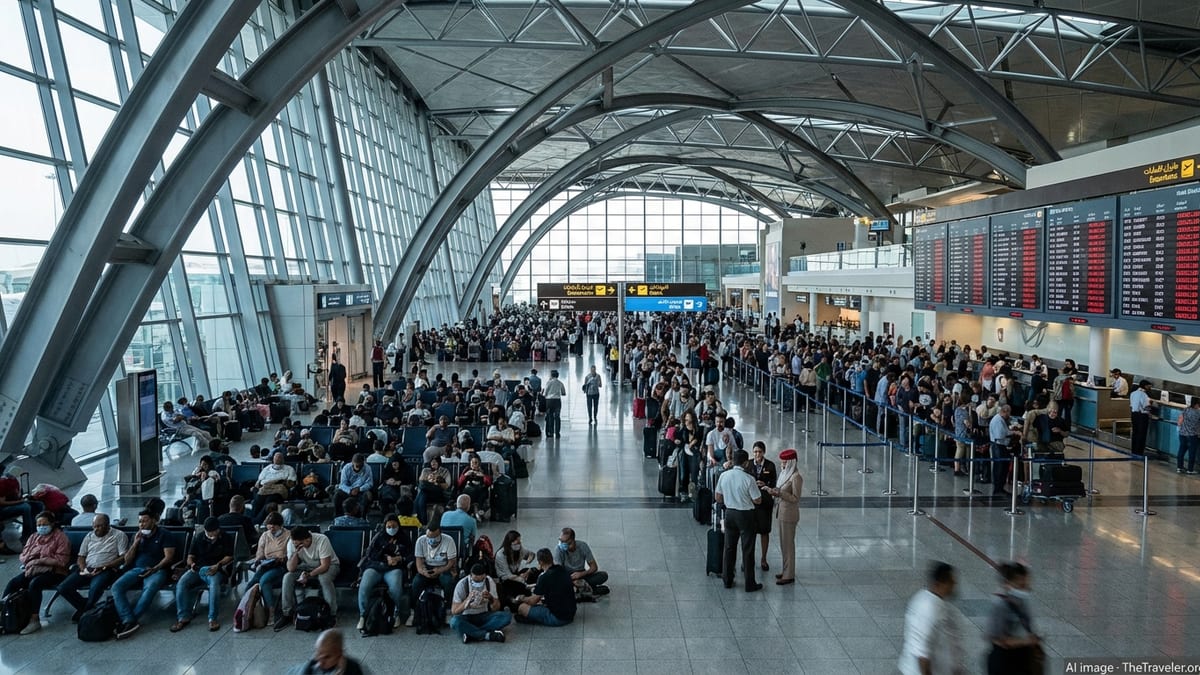
Expanded warning now spans 16 countries
According to publicly available Foreign Office travel advice updated on 28 October 2026, the latest warning now appears across country pages for a broad group of states in and around the Middle East. The list includes Israel, the Palestinian territories, Iran, Iraq, Syria, Yemen, Saudi Arabia, Jordan, Qatar, Bahrain, Kuwait, Oman, the United Arab Emirates, Egypt, Turkey and Pakistan. While the detail of the advice differs between destinations, the common message is that the regional security situation remains highly volatile and can change at short notice.
Published coverage of the update links the wider alert to a year of military exchanges and proxy attacks across the region, including strikes involving Iran and forces aligned with it, as well as incidents in and around the Red Sea and Gulf airspace. Travel industry reports note that the refreshed wording brings several countries that had previously seen partial or more limited warnings under a broader umbrella of regional caution, even where large parts of the territory remain open to tourism.
In practical terms, the updated Middle East warning sits on top of the country specific advice that already applied before the latest changes. Existing recommendations against all travel or all but essential travel to parts of Israel and the Palestinian territories, large areas of Syria, Iraq and Yemen, and certain border regions of other states continue to apply. The new language emphasises that developments in one country may quickly affect neighbouring states through airspace closures, retaliatory attacks or disruptions to aviation and energy infrastructure.
Popular holiday destinations face tighter scrutiny
The broadened list is particularly significant for UK travellers because it encompasses some of the country’s most popular winter sun and city break destinations. Egypt, Turkey and the United Arab Emirates remain open to visitors, yet travel pages now carry reinforced language about the risk of spillover from regional tensions, especially around key air hubs and coastal resort regions that sit near sensitive maritime routes.
Recent independent coverage highlights renewed attention on Red Sea resorts in Egypt and coastal areas of Saudi Arabia and Jordan, which attract UK visitors between November and March. Although no blanket prohibition on leisure travel is in place for these zones, official advice points to the possibility of sudden changes to flight paths, temporary airport closures or enhanced security procedures that could lengthen journey times or lead to last minute itinerary changes.
Major transit and city break locations such as Dubai, Abu Dhabi, Istanbul, Doha and Manama are also captured within the wider regional warning. Earlier in October, reports indicated that the Foreign Office had removed specific advice against all but essential travel to the United Arab Emirates while still underlining that the overall Middle East situation remains unpredictable. Airlines have continued to serve the main Gulf hubs, but observers note that schedules have been adjusted in response to changing assessments of airspace risk in parts of the wider region.
Insurance, bookings and airline operations affected
The extension of the Middle East warning has direct implications for UK travellers’ insurance and booking conditions. Many standard UK travel insurance policies contain clauses that restrict cover if a traveller visits a destination or region where the Foreign Office advises against all travel or all but essential travel. Consumer discussions and specialist travel law commentary in recent weeks suggest that some policyholders have been advised that cover would be void if they proceeded with trips to areas newly encompassed by stronger Foreign Office wording.
Travel trade publications report that UK based tour operators are closely watching booking patterns for the 2026 to 2027 winter season, which is traditionally important for resorts in Egypt and the Gulf as well as city break traffic to Istanbul. Some companies have adjusted payment schedules, allowing later balance dates or increased flexibility to move bookings to alternative destinations if the Foreign Office advice for a specific resort area tightens further.
Airlines have already made route and scheduling decisions in response to the broader crisis that unfolded earlier in 2026. Industry digests detail a mix of suspended services, rerouted flights that avoid particular airspace corridors and contingency plans for diversions if security conditions deteriorate along established flight paths. While many carriers continue to serve airports in the Gulf, Turkey and parts of North Africa, operators caution that departure times and routings may change at relatively short notice as the situation develops.
Heightened focus on border regions and conflict flashpoints
Beyond the headline list of 16 countries, the latest Foreign Office material highlights specific areas where the risk level is judged to be highest. Along sections of the border between Turkey and Syria, for example, travel advice continues to reference a zone close to the frontier where a combination of military activity, terrorism risk and cross border tensions underpins the strongest warnings. Publicly available information indicates that similar cautions apply near certain borders in Iraq, Iran and Yemen.
Travel advisories for Saudi Arabia, Jordan and other states mention infrastructure connected to ongoing regional conflict, including airports that have been targeted in recent months and key maritime or energy facilities along the Red Sea and Gulf. The language stresses that further incidents could occur with little or no warning, potentially affecting civilian aviation, cruise calls and overland itineraries even in places that have so far experienced limited direct disruption.
For Pakistan, country specific pages set out a detailed picture in which some regions carry advice against all travel or all but essential travel while others remain open but subject to heightened vigilance. The inclusion of Pakistan within the wider Middle East themed warning reflects concern that developments across the broader region, including tensions involving Iran and the Gulf states, may have knock on effects for security along certain borders and transport corridors.
Practical steps for UK travellers considering the region
Publicly accessible Foreign Office guidance emphasises that British nationals should check the individual travel advice page for their intended destination immediately before booking and again prior to departure, as changes can occur rapidly. Travellers already in affected countries are encouraged by consumer groups and travel associations to monitor local news, follow the instructions of transport operators and stay in close contact with their airline or tour operator regarding any schedule changes.
Specialist travel risk consultancies reiterate that travellers should pay particular attention to the precise wording used in the official advice, distinguishing between general warnings to exercise increased caution, recommendations against all but essential travel to specific regions and advice against all travel. The category applied to a destination or part of a country can determine not only insurance coverage but also the willingness of airlines and tour operators to operate services or honour existing bookings.
For those who decide to postpone or reroute trips, consumer bodies advise reviewing booking terms carefully and keeping written records of any changes to Foreign Office pages that are relevant to the itinerary. Where airlines or package providers cancel services as a direct result of official advice, UK regulations and standard industry practice typically provide options for refunds or alternative arrangements, though the precise remedies depend on the type of booking and the timing of the disruption.